Research Minute: Utah Ranked No. 1 for Social Mobility


Each month, EDCUtah’s Research Minute highlights interesting economic development data and timely research insights. This month, we explore the Archbridge Institute’s Social Mobility score and how Utah earned the no. 1 rank in the country.
Utah ranks first in the nation for social mobility in the 2023 Social Mobility in the 50 States report published by the Archbridge Institute. For residents, this translates to a better chance of moving up the social and economic ladder in Utah than in any other state. For businesses, this makes Utah an attractive location because it gives their workforce the best opportunity to live the American dream.
Social mobility has typically referred to the ability of individuals to surpass the earnings of their parents at the same age. In their research to create a social mobility index, the Archbridge Institute included not only this intergenerational income element, but also metrics that more broadly measure one’s ability to improve their life and well-being. Archbridge Institute applied four pillars to the index:
Archbridge Institute analyzed each pillar for all 50 states and ranked them by their scores. Utah ranked no. 1 for overall social mobility, no. 4 for Entrepreneurship and Growth, no. 5 in Education and Skills Development, no. 8 in Social Capital, and no. 17 for Institutions and Rule of Law.
Each of the four pillars contained additional subcategories of measurement. While the report does not give detailed descriptions of the specific data used to generate the rankings, they can still provide insights into general areas of strength and improvement. The subcategories where Utah showed its greatest strengths were:
Utah’s lower rankings appeared in the following subcategories:
While there is room for improvement in Utah’s social mobility, it should be noted that even Utah’s lower rankings just barely fall in the bottom half of all 50 states. Utah is not far from sitting in the top half for all subcategories.
But how does the Archbridge Institute index compare to more traditional measures of social mobility? The index aligns closely with income mobility, poverty rates, and income inequality data for Utah. In a 2014 study, for example, Salt Lake City had the highest score for intergenerational mobility out of the 50 largest community zones in the country. Additionally, Utah has the nation’s second lowest poverty rate (9%) and the lowest level of income inequality as measured by the Gini Index. (Both of these Utah data comparisons use the U.S. Census Bureau’s 2023 American Community Survey 1-Year Estimates.)
Utah has proven to be a place where individuals can increase their income potential and also improve their overall standard of living and well-being. Utah is a place where people want to work, and where companies can have a meaningful impact on the lives of their employees and on the communities where they operate. Doing business in Utah not only makes financial and logistical sense for companies – it makes financial sense for employees, too.
_____
For additional information or to schedule an interview, please contact us.


In November 2023, Ogden City welcomed Ya YA Foods to the city’s business community. Ya YA Foods, a Canadian based company, announced it would bringing more than 300 new jobs to Ogden, Utah, over the next ten years. The company is bringing new jobs to Ogden at a quicker pace than initially anticipated, thanks in part to the qualities of Utah’s workforce.
Ogden City’s Engineering Division and Economic Development Division has also been collaborating with Ya YA Foods on utility line upgrades that will greatly improve the city’s residential and business infrastructure.
We caught up with Ya YA Foods president Yahya Abbas to learn more about the company’s experience opening its first U.S. operations in Utah.
Most of our operations are in Toronto, and Utah is our first site in the U.S. We looked at Arizona and Texas and Utah. Because we wanted to have a western U.S. location, Utah was the most reasonable and sensible place for us to expand. Then came the opportunity to partner with Oatly at their Ogden City location. That’s how it all came together.
Our agreement with Oatley has us assuming the production of their finished products. It’s a long-term agreement, and it gives us an anchor customer for the Ogden site. This will allow us to expand on the site and serve other customers, too.
It was customer driven. We have the same customer base in Canada and the U.S.: long-established clients who are expanding and who need a trusted production partner in the western United States. Some of them are multi-national corporations, and one has done business with us for more than 34 years. The newest client has done business with us for eight years.
We employ a lot of engineers and technicians – highly-paid, skilled labor. In our business, we focus on automation, so we need the talent. If I’m not mistaken, we pay very well for that talent in this market.
We relocated only five people from Toronto. They bring expertise, and they train the rest of the people in the plant. Our focus is hiring in Utah. We want to prepare Utah employees to be leaders, to scale up the business. So far, it’s working very well.
At the beginning, this expansion was projected to be 100 jobs in the near term. Right now, we’re at 150 jobs. By the end of this year, we’ll add another 67. In the first six months of 2025, we should add another 100 jobs. I think this site will eventually reach 400 employees.
Ogden City has given us many leads for finding talent, such as the university and the local community college. It’s interesting that through the job fairs and other events, we’ve actually seen people from other states coming to Utah looking to work for us. Idaho, California, Texas, Arizona… Maybe in all, 14 of these out-of-state people have been hired, but that’s significant for us. Because of our focus on technology in the manufacturing process and our pay scales, we’re getting attraction. Plus living in Northern Utah has lower costs than other parts of the country.
I believe that about Northern Utah, yes. We are very impressed with the workforce in Utah. For one thing, when we ask employees to do something a specific way, a lot of repetition is not needed. We tell them once, and it happens. They get it.
The other thing is they value their jobs. They are loyal to the employer if the employer is loyal to them. I hadn’t expected that, and it was a nice surprise.
Founded in 2008 and headquartered in Toronto, Ya YA Foods specializes in end-to-end packaging solutions for multinational beverage and liquid food companies across North America. The company has expertise in producing a broad range of aseptic products, including plant-based milk for companies such as Oatly, high-protein beverages, juices, broths, sports drinks, dairy-based drinks, and more.
_____
“Building Together” highlights examples of the collective impact of your investment and EDCUtah’s work in communities across the state.
For additional information or to schedule an interview, please contact us.


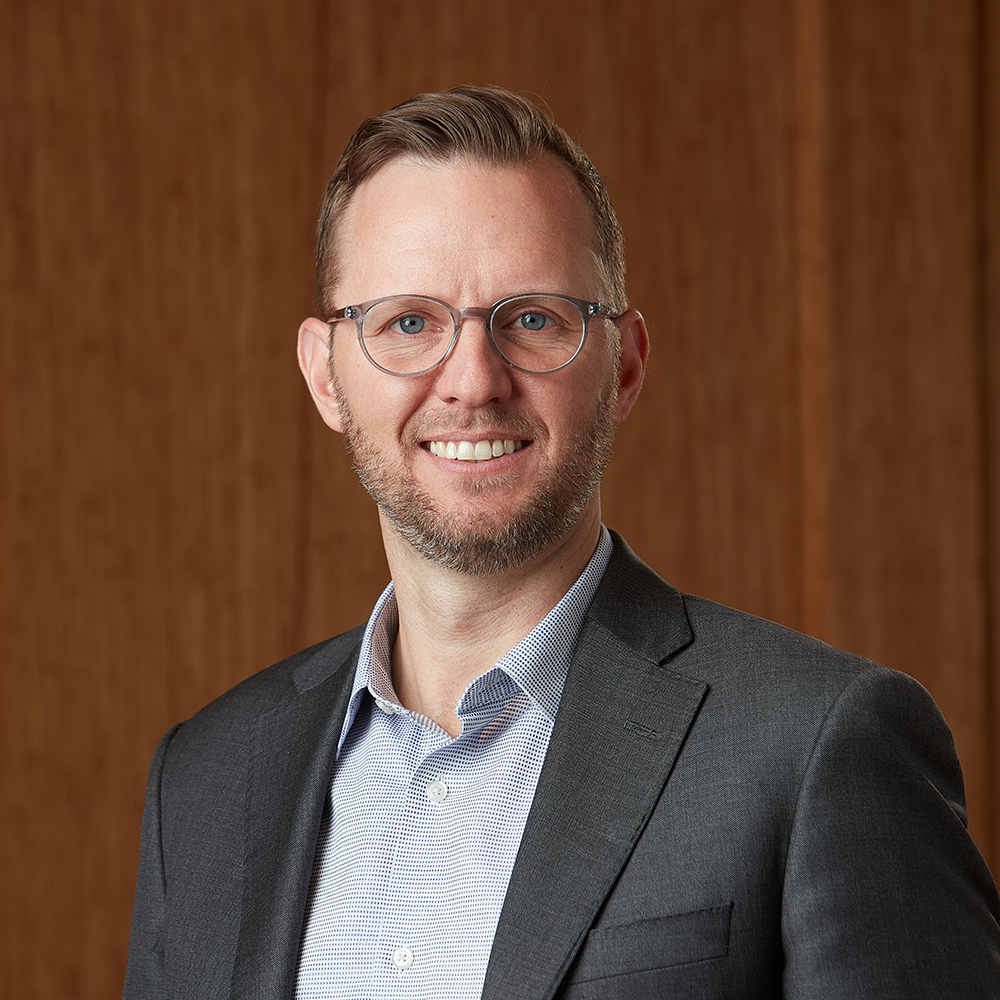
The Economic Development Corporation of Utah (EDCUtah) is pleased to announce that Tom Morgan of Zions Bank will serve as the new chair of EDCUtah’s Board of Trustees. Morgan has served on the Board of Trustees since 2017, most recently as chairman of the finance committee and member of the executive committee. He succeeds Judd Cook, who served as board chair for EDCUtah’s 2023-2024 fiscal year.
“It has been humbling and such an honor to serve as chair of the EDCUtah Board of Trustees,” said Cook, vice president and general manager of Enbridge Gas Utah, Wyoming, and Idaho. “Some of the most innovative, thoughtful, and influential members of our community are a part of this wonderful organization, providing vision and a roadmap for economic stability and growth for future generations of Utahns. Over the last year, EDCUtah was able to create a lot of momentum, and I am excited to see Tom, as the incoming chair, continue to build upon that progress.”
Tom Morgan serves as director and executive vice president of retail, business banking, and omni-channel banking at Zions First National Bank. He has held several leadership roles over the course of 35 years working at Zions Bank. He studied business, banking, and finance at Fresno State University and The Pacific Coast Banking School, hosted at the University of Washington. As an active community leader, Morgan has served on the board of trustees of several large corporations, including Intermountain Healthcare, Select Health, and as the Chairman of the Utah State Charter School Board.
“The vision and resources EDCUtah brings to Utah’s economic prosperity have tremendous value,” said Morgan. “As EDCUtah enters this new and enhanced chapter of influence throughout the state, I’m looking forward to working closely with Scott Cuthbertson and his team of consummate professionals. I couldn’t be more thrilled for this opportunity.”
In addition, the EDCUtah board of trustees welcomes five new members: Jake Boyer of Boyer Company, Mayor Garth Green of Cedar City, Brad Holmes of the Larry H. Miller Company, Jeff Palmer of Layton Construction, and Deneiva Knight of Comcast Utah.
The following FY 2025 officer appointments were also approved by EDCUtah board members:
Learn more about EDCUtah’s board.
_____
For additional information or to schedule an interview, please contact us.


30 jobs
Project Thermos
Congratulations to Beaver County! In October, Fervo broke ground on power plant construction at Cape Station, an enhanced geothermal energy production project located northeast of Milford City, Utah. Enhanced geothermal utilizes horizontal drilling technology to produce more energy than previously available with traditional geothermal power development.
“Fervo Energy’s commitment to Beaver County and Milford City sets the gold standard,” said Jen Wakeland, strategic development director for Beaver County. “They are community-oriented players who know the value of energy production in a community. We are thrilled to have them here in Beaver County.
Cape Station is slated to produce 400 megawatts of power in the first two phases of the project, and Phase I will begin delivering around-the-clock power to the grid in 2026. Fervo has already hired three full-time staff from the local community and will create hundreds of temporary construction jobs in the coming years. Fervo anticipates that Cape Station, when complete, will employ up to 30 full-time permanent workers.
“We are so lucky to be building our first greenfield project in Beaver County, Utah,” said Sarah Jewett, vice president of strategy for Fervo Energy. “The community has been hugely welcoming and collaborative and has been an essential partner in the progress we’ve made to date.”
EDCUtah was connected to Fervo Energy by Beaver County and the Governor’s Office of Economic Opportunity. EDCUtah assisted Fervo in exploring available incentive programs in Utah and introduced the company to the Utah Office of Energy Development and the Utah Inland Port Authority. Fervo Energy is a potential partner to future companies as they begin generating power, which can be used to attract new development to Beaver County. Together, EDCUtah, Beaver County, and Fervo Energy will work to attract other companies that will benefit the community.
“Utah continues to showcase its leadership in renewable energy innovation with projects like Fervo Energy’s Cape Station,” said Scott Cuthbertson, president of EDCUtah. “By leveraging cutting-edge enhanced geothermal technologies, Fervo is not only creating new energy solutions but also contributing to local job creation and economic growth in Beaver County. We’re excited to see Fervo’s commitment to sustainable energy production and are proud to welcome them to Utah’s thriving energy landscape.”
Fervo is leading a wave of ingenuity and technological innovation that is expanding geothermal’s potential, vastly increasing geothermal energy production capabilities, and broadening project viability to previously inaccessible areas of the country.
Jared Stewart, senior business development manager, supported Project Thermos for EDCUtah.
_____
EDCUtah Investors: If you were involved with this project and would like to have your organization mentioned, please email connect@edcutah.org and we’ll update this article.
For additional information or to schedule an interview, please contact us.

The Economic Development Corporation of Utah (EDCUtah) has officially joined the Salt Lake Chamber organization. This announcement comes after a vote of the EDCUtah Board of Trustees on Oct. 8 to adopt new governing bylaws.
“This milestone is the result of a lot of hard work by EDCUtah staff and board leadership, and we are excited about the future,” said Scott Cuthbertson, president of EDCUtah. “We worked diligently over the last few months to create the governance structure to support EDCUtah’s combination with the Salt Lake Chamber. We’re thrilled with the advantages we’re already seeing and the opportunities ahead.”
In July, the boards of both EDCUtah and the Salt Lake Chamber agreed to move forward with a framework and process for the combination. The goal of the combination is to create a unified and powerful approach to statewide economic development that improves outcomes and increases Utah’s prosperity.
“This change isn’t just about better coordination,” says Derek Miller, president and CEO of the Salt Lake Chamber. “It will increase the effectiveness of both our organizations, especially in the areas of statewide economic development strategy, planning, and execution.”
For nearly 40 years, EDCUtah has operated as a private non-profit organization that supports businesses with the resources they need to relocate or expand their operations in Utah. Joining the “family of teams” at the Chamber offers EDCUtah an incredible opportunity to enhance its brand and mission while adding to and benefiting from the Chamber’s large statewide base of business and community leaders.
EDCUtah will maintain its name and brand, and EDCUtah and the Salt Lake Chamber will remain distinct organizations with defined missions, unique services, and separate financial accounts. EDCUtah remains Utah’s primary point of contact for site selectors and corporate decision-makers. We will continue to offer quality business expansion and relocation services, best-in-class economic research and data, and partnerships with public and private sector organizations across Utah.
EDCUtah’s Board will continue to operate as the organization’s governing body.
_____
For additional information or to schedule an interview, please contact us.
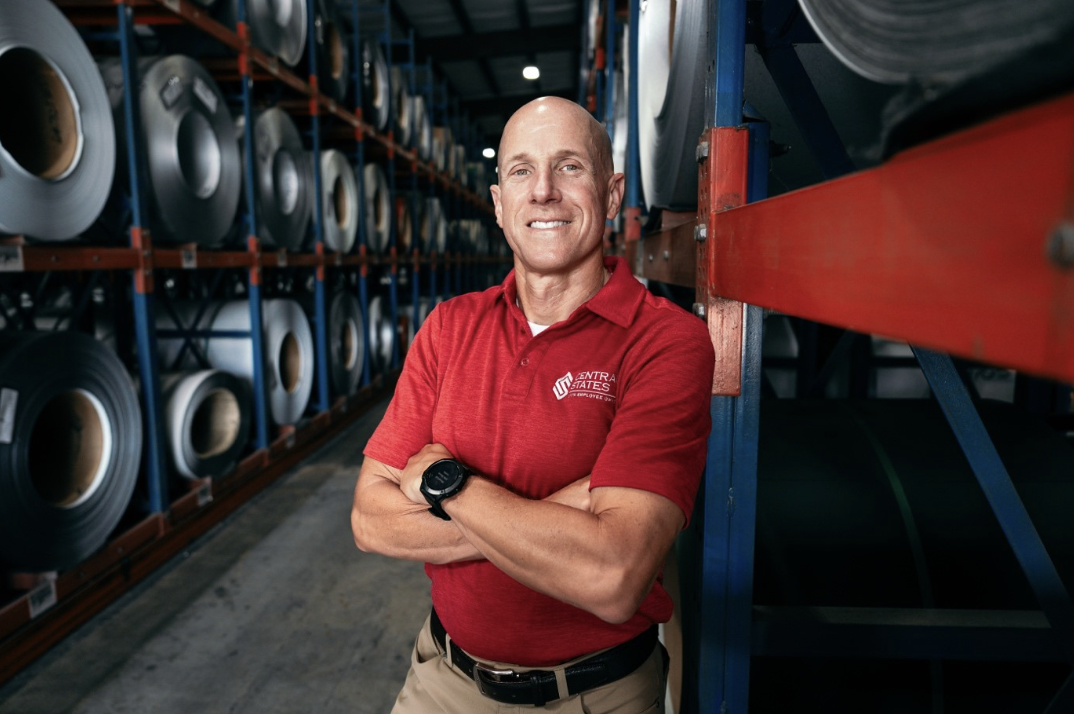
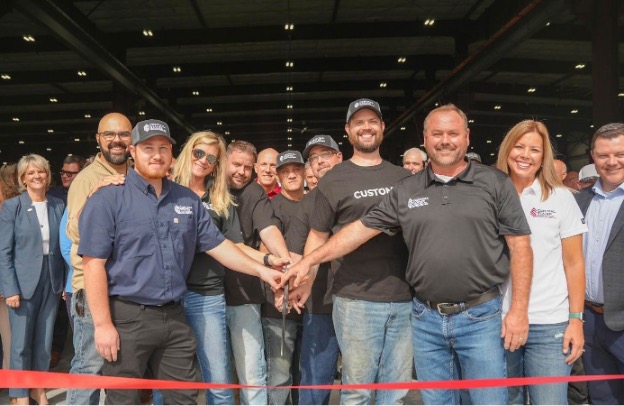
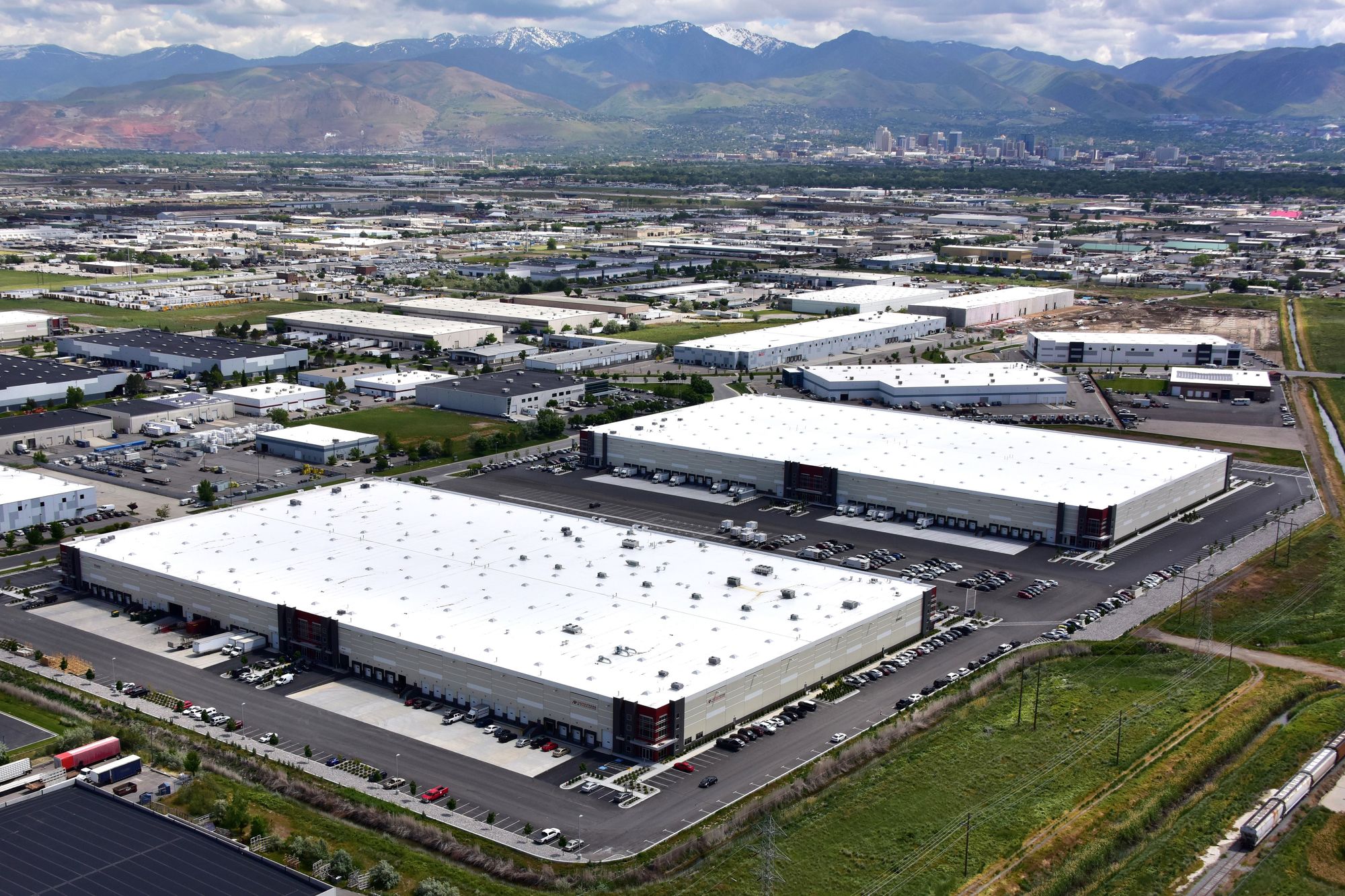
Manufacturing is a significant growth sector for the Utah economy thanks to companies like Central States Manufacturing. The company announced an expansion in Tooele City in June 2023, after working with EDCUtah and several Utah partners to evaluate locations for their next manufacturing facility.
An employee-owned business headquartered in Arkansas, Central States produces metal building components for residential, commercial, and agricultural projects. We caught up with CEO Jim Sliker to learn more about the company’s values and why it selected Utah and Tooele City for its expansion.
We’ve got big growth goals, and we’ve been blessed with results. When I stepped into this role, we had revenues of $265 million. This year, we’re going to close around $900 million in revenue. We doubled the number of our locations, and we’re expanding our reach regularly. We also reached a point in our business where we have enough sales west of the Rocky Mountains to support a western expansion.
We narrowed our western expansion down to three states, and we ultimately selected Utah for two reasons: Utah offers valuable logistics advantages, and we felt we could be successful hiring in Utah. In this day and age, the hardest thing about growing a company is securing and retaining talent.
From the very beginning, we experienced successful and open dialogue with everyone from EDCUtah, Tooele City, and other parties. I’ve been able to talk about our needs, concerns, and constraints openly and honestly. All parties are interested in finding win-win solutions, and we continue to receive support as we establish operations.
Tim Ruger, our business unit president over the facility, and I put boots on the ground to get feel for the communities we were considering. I met with Tooele City Mayor Debbie Winn, her team, and other community partners. A local company was kind enough to show us their operations. I also participated in a local community service project.
I was super impressed with Tooele City Mayor Debbie Winn. She truly cares about her constituents, and she wants to improve their well-being. She is a partner with businesses, easy to work with, and very transparent.
Tooele fits our culture, and everybody I met had that “own it, can do, act in love” mindset. We thrive in small towns – and it’s also a growing area, so the number of potential candidates is there. After the visit, Tim and I looked at each other and said, “This feels like home.”
This plant is our 12th U.S. manufacturing facility, and it will be one of our largest at approximately 115,000 square feet. It will support our full product line for current large customers and new partners from the Rocky Mountains to the Pacific. Over the next five years, the company plans to invest over $25 million in the facility. It will have the capacity for three operational shifts, like most of our plants.
We named Jered Chandler the Tooele plant manager in September. Our current plan of record is to commission the site in May. In late March, we hope to do an open house, introduce ourselves to the community, do a big service project, and hold a recruiting fair. We might even do something fun like a community cookout.
We want to introduce ourselves and give people an understanding of who we are and what we’re about. We would then start hiring. Our commitment to Utah is to hire 150 jobs over the next five years. We’ll start out with a single shift of operation, but I’m excited to see that grow over five years, and I’m very optimistic about the plan we’ve got together. We’re happy to be part of the Utah family.
We’re a purpose-driven company. Our purpose is to provide well-being and financial freedom for employee owners and their families. We really live by it. It’s our true north. Part of this approach requires a meaningful compensation and benefits programs. It also takes training and development to help employees be all they can be and to find satisfaction in their jobs.
Employee ownership is our primary vehicle to financial freedom. We all have skin in the game and a stake in the outcome. Employees are an owner on day one of employment. At the end of every year, our share price is determined by a third-party, independent, unbiased trustee. Our employees get a contribution of stock, based on a percent of their earnings.
This keeps us focused on customer service. We operate in line with our values, and so that we can successfully grow the business and the share price—which accumulates wealth for all the employee owners.
Our values can be described in three simple phrases: Own It, Can Do, Act in Love.
We have a commitment to the customer, the company, and each other before self in that order. We’re trying to make raving fans out of our customers by being easy to work with, having a high degree of quality, and caring about our customer’s business as much as we care about our own.
We want to be reliable and do good work. We’re not perfect by any means. There are going to be constraints, there will be things that go wrong, and there will be things we don’t do well. We understand the need for change and we’re open to it. We take pride in what we do, and we try to understand root causes to get better.
We delegate the decision-making authority to the frontline employees who serve our customers. Our people can determine pricing, address issues, and approve reimbursements. We trust the owners to do a good job for customers.
When our customers visit our plants, the first thing they notice is that our people care about their work and the people around them. Our customers love their delivery drivers, they love their inside-sales people. That’s because we also strive to act in love. The word love for us is an everyday feeling. With every interpersonal interaction we have, either inside the company or externally, we get to choose how we act. We choose patience, kindness, and humility.
Those are our values, the foundational pillars of our culture—and that’s what makes us special.
Central States is the first company that I’ve worked for that’s employee owned. I’ve been here 11 years, but I don’t think my personal strategy has had to change. My philosophy and actions—transparency in the business, sharing all the scorecards, communicating financial results to all staff—already align with employee ownership. It’s my job to serve the people here.
The biggest difference is that when we set strategies, we evaluate whether it will help us provide well-being and financial freedom for employee owners and their families.
We have never had a layoff, nor would we ever, unless it was to truly protect the company from catastrophic conditions. We’re in the construction industry. It is very cyclical, and we go through ups and downs. But during COVID-19, for example, we never even talked about layoffs. That creates some challenges in the business in how we deal with business cycles.
The other big change for me is the passion. I love that people in this company speak freely. They challenge the business. They challenge me. That creates such a great dynamic inside the organization.
_____
“Building Together” highlights examples of the collective impact of your investment and EDCUtah’s work in communities across the state.
For additional information or to schedule an interview, please contact us.


152 jobs
30,000 sq. ft.
Project Guard
Congratulations to the City of South Jordan! Today, Strider announced plans to expand in South Jordan, Utah, and bring 152 new, high-paying jobs to Utah over the next five years. Strider currently operates in Utah; Washington, D.C., London, U.K., and Tokyo, Japan.
“We are excited to see great corporate partners like Strider growing in the City of South Jordan,” said Brian Preece, City of South Jordan director of city commerce. “South Jordan is an exciting place to live and work, and we are pleased to be home to innovative companies like Strider.”
After meeting with Strider and learning more about their expansion needs, EDCUtah connected the company to the City of South Jordan for local community engagement and the Governor’s Office of Economic Opportunity (GOEO) for business incentives.
“Utah continues to strengthen its position as a leading business destination for cybersecurity and defense technology companies,” said Scott Cuthbertson, president of EDCUtah. “Utah’s skilled workforce and business-friendly environment are important factors in the success of innovative companies like Strider, and we’re pleased to see Strider’s growth in the City of South Jordan.”
Strider is a leading strategic intelligence company empowering organizations to secure and advance their technology and innovation. Strider transforms publicly available data into critical insights by leveraging cutting-edge AI technology alongside proprietary methodologies. Strider enables organizations to proactively address and respond to state-sponsored intellectual property theft risks, targeted talent acquisition, and supply chain vulnerabilities.
“We’re grateful for Utah’s efforts to enable Strider to attract even more of the best and brightest from the intelligence, technology, and business communities, and further establish the state as the center of gravity for innovation in national and global intelligence,” said Greg Levesque, CEO & Co-founder of Strider. “Governor Cox and the GOEO are taking important, decisive action to encourage innovation, entrepreneurship, and growth in the Beehive state. We applaud them for their efforts and look forward to continued partnership as we scale our operations in Utah.”
GOEO assisted the project by approving Strider for Economic Development Tax Increment Financing (EDTIF).
“Utah is expanding the software industry, empowering local businesses to scale efficiently, supporting entrepreneurship and economic opportunity for all,” said Ryan Starks, executive director of GOEO. “The state’s investment in IT infrastructure is paving the way for tech-driven cities, improving quality of life and promoting sustainable economic development. Strider’s investment in Utah advances this digital transformation across all industries, creating a foundation for economic growth and innovation.”
Spencer Layton, business development analyst, supported Project Guard for EDCUtah.
_____
EDCUtah Investors: If you were involved with this project and would like to have your organization mentioned, please email connect@edcutah.org and we’ll update this article.
For additional information or to schedule an interview, please contact us.

Join us in welcoming the newest members of EDCUtah’s team and congratulate Jaime Hernandez on stepping into a new role!
Jaime recently transitioned to a new role inside EDCUtah as a Community Insights Manager. This new role on the Investor Engagement team reflects EDCUtah’s commitment to providing Utah communities with data-driven insights and strategic support services. Previously, Jaime worked on EDCUtah’s Business Development team, where he focused on creating and strengthening synergies for collaboration between the Utah Inland Port Authority (UIPA) and EDCUtah. EDCUtah’s Business Development team will continue supporting the strong relationship with UIPA.
Bre is dedicated to driving operational excellence and fostering economic growth in Utah. She oversees day-to-day operations, optimizes internal processes, and leads strategic initiatives to enhance the organization’s impact. Prior to joining EDCUtah, Bre worked as a Fractional Operations Executive, advising clients across various industries within Utah. She currently serves on the Foundation Board at Utah State University and mentors students in the Huntsman Scholar Program at the Jon M. Huntsman School of Business. Outside the office, Bre enjoys sports, gardening, camping, and pursuing her passion for photography.
As a research analyst, Joseph specializes in analyzing economic and business data to inform companies seeking to relocate or expand in Utah. Joseph also provides his analytical expertise to enhance in-house research reports and publications. He has a background in economics as well as language and area studies.
Learn more about our team and our work.
_____
For additional information or to schedule an interview, please contact us.

Cost of living is an important issue in Utah and across the U.S., especially as inflation has had far-reaching impacts on Americans over the past few years. Some states have seen more significant changes in cost of living than others, and Utah is one of those. In 2014, Utah’s metro areas had an average cost of living index score of 93, lower than the national average of 100. In 2024, every Utah metro area has an index score over 100, with Salt Lake and St. George at 109.5 and 108.1 respectively. How is this index calculated, and what has caused the drastic increase in Utah metro areas?

The Council for Community and Economic Research (C2ER) Cost of Living Index is a quarterly publication produced and published by tC2ER, a national association of research professionals working in community and economic development. C2ER’s Cost of Living Index sheds light on changing costs across the U.S. and is nationally recognized as one of the best sources for cost of living data.
Each quarter, partner organizations all around the nation, including EDCUtah’s research team in Utah, sample prices of common goods and services. These goods and services fall into the following categories: grocery items, housing, utilities, transportation, health care, and miscellaneous goods and services. These categories are then used to produce the overall composite index score. Each category is weighted differently, according to C2ER’s methodology, as follows:

Here is how Utah’s metro area scores in each of those areas, with 100 being the national average:

Since Utah’s index scores have increased substantially over the past decade, this shows that cost of living has been more rapidly increasing in Utah compared to other locations in the United States since the score of 100 is always equal to the national average in any given quarter when the index is calculated. The two areas where Utah scores considerably higher than the national average are housing and transportation. Since housing is such a significant portion of the cost-of-living index score, and a highly significant cost for Utahns each month, it’s one of the reasons behind the high composite index score.
It’s not surprising that Utah’s much lower average composite index score of 93 in 2014 showed a much lower index score in housing and transportation, 97.1 and 101.6 respectively. While some of the other categories have also increased, none have increased so drastically as housing and transportation. According to Zillow, the median home value in Salt Lake City was $282,946 in 2016. Today, that number has increased to $548,351, an increase of 94%. Utah has seen significant increases in housing costs in all other metro areas as well, although housing costs are not growing as rapidly today. For transportation, the index measures the cost of gasoline and common automobile repairs. Those costs have steadily increased in Utah.
The entire nation has seen rising costs of living, but it has been more acute in in the Intermountain West and Utah specifically over the same period. This is a result of a variety of factors including rapid population growth and increased in-migration, microeconomic forces including housing undersupply, and a tightened labor market. Utah’s cost of living is still comparable to other major competitor metro areas, and Utah leaders are tackling rising costs with a number of strategic initiatives such as the Olene Walker Housing Loan Fund, the Low-Income Housing Tax Credit (LIHTC) Program, and other investments into affordable housing and cost of living.
Utah business leaders are also doing their part. For example, Utah Rising is a comprehensive statewide vision led by the Salt Lake Chamber in collaboration with public and private sectors. The initiative is designed to ensure sustainable economic growth, enhance quality of life, and drive prosperity across Utah by uniting diverse stakeholders around innovative, long-term solutions.
_____
For more information about the Cost of Living Index, email us at connect@edcutah.org or explore the benefits of investing with EDCUtah.
For additional information or to schedule an interview, please contact us.
Data Source: C2ER Cost of Living Index
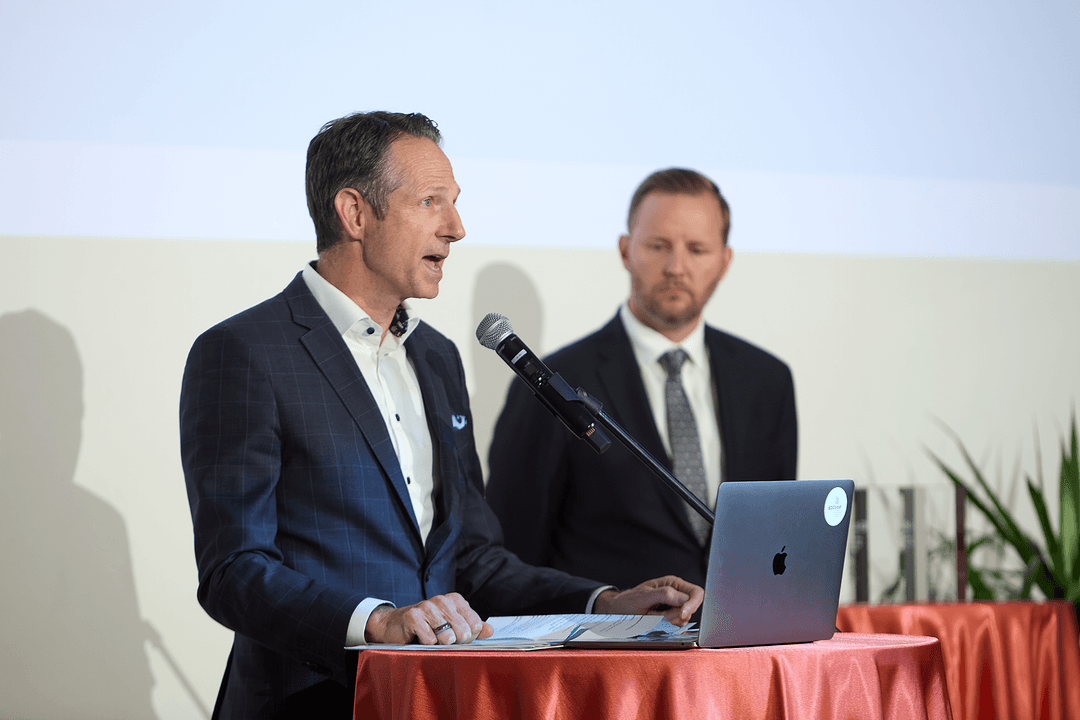
In July, EDCUtah announced its combination with the Salt Lake Chamber as one of the Chamber’s family of teams. Derek Miller, president and CEO of the Chamber, shares his perspective on the combination and answers a common question about the Chamber’s statewide reach.
I hear the question quite often: “If you’re a statewide organization and you have members in all 29 counties, why don’t you change your name to the Utah Chamber?” My answer is, when an organization has been around for 137 years, its name acquires some brand equity.
The Salt Lake Chamber was founded in 1887, nine years before Utah became a state. There was no State of Utah when we were created. The Chamber does function as a statewide chamber, coordinating with regional chambers across the state. For example, we’re engaging with other chambers to augment the Utah Rising economic plan.
I’m grateful for the opportunity for this close partnership with EDCUtah. More than three decades ago, EDCUtah had its inception inside the Chamber when business leaders came together and said we want to have an economic development organization here. The purpose was to bring more economic opportunity to Utah in a proactive manner. The Chamber incubated EDCUtah, and it eventually spun off and has done wonderful things. I have seen that personally in all the positions that I’ve held, and especially when I was the managing director of the Governor’s Office of Economic Development (now known as GOEO) for Governor Huntsman.
When I became Governor Herbert’s chief of staff, I worked very closely with the team at EDCUtah, as the Governor’s primary focus was on growing the economy. One of the first projects I ever worked on was bringing Goldman Sachs to Salt Lake City. This transformed our downtown. We would not have what we have today had it not been for an investment from Goldman Sachs that was made possible because of the work of EDCUtah.
When you go to the Point of the Mountain and see the hub of our tech community, you think back to what that area looked like 20 short years ago and just how much has changed. When Adobe purchased Omniture—which was located on the south side of the Point of the Mountain—Adobe was going to move the operation out of our state. It was because of the proactive work of EDCUtah that Adobe stayed here in Utah.
EDCUtah essentially told Adobe, “When you find out what Utah really has to offer, we are confident that you will invest more in Utah.” This is exactly what they did when they built the Adobe campus. EDCUtah has a strong track record of convincing leading companies to invest for the long term in Utah.
The last example I’ll use was Procter and Gamble building their first U.S. greenfield manufacturing facility in over 50 years in Box Elder County. The company has expanded in Box Elder County several more times since that announcement. That happened because of the efforts of EDCUtah. So, I’m a fan, and I’m grateful for the chance I had to be participate in EDCUtah’s work.
With that said, it is of utmost importance to me that EDCUtah continues to operate under its own leadership, under its own brand, and with input from its boards of trustees and advisors. That is my goal and my intent, and that is the agreement that we have made. Pending approval from EDCUtah’s Board of Trustees, EDCUtah would become one of eight other organizations under the Chamber umbrella with shared back-office services.
When I heard of the changes of roles and responsibilities between GOEO and EDCUtah, I received three phone calls – one from GOEO and two from EDCUtah board members – to discuss the possibility of a Chamber-EDCUtah affiliation. I mention this to illustrate that the important partners, the important funders, and the important leadership of this organization were instrumental in convincing me this was the right thing to do.
Because of the great admiration and respect I have for EDCUtah and my sincere desire to continue to see it be strong and to grow and to keep all those good things – like Goldman Sachs, Adobe, and Procter and Gamble – rolling.
I mentioned the Utah Rising plan. Until now, all we could do was to create the plan. Now we have a team that can go execute on the plan. I’m really excited about bringing these things together: first, developing a great strategy and vision, and then deploying an expert economic development team to act on the plan. We look forward to becoming stronger together as we leverage our statewide missions, resources, expertise, and capabilities.
_____
For additional information or to schedule an interview, please contact us.