Building Together: A Conversation with Central States’ Jim Sliker
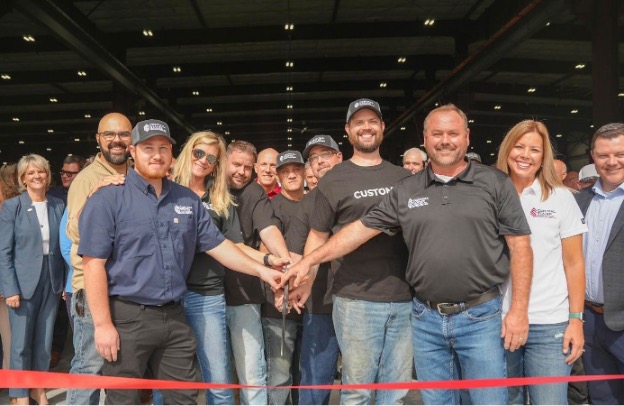
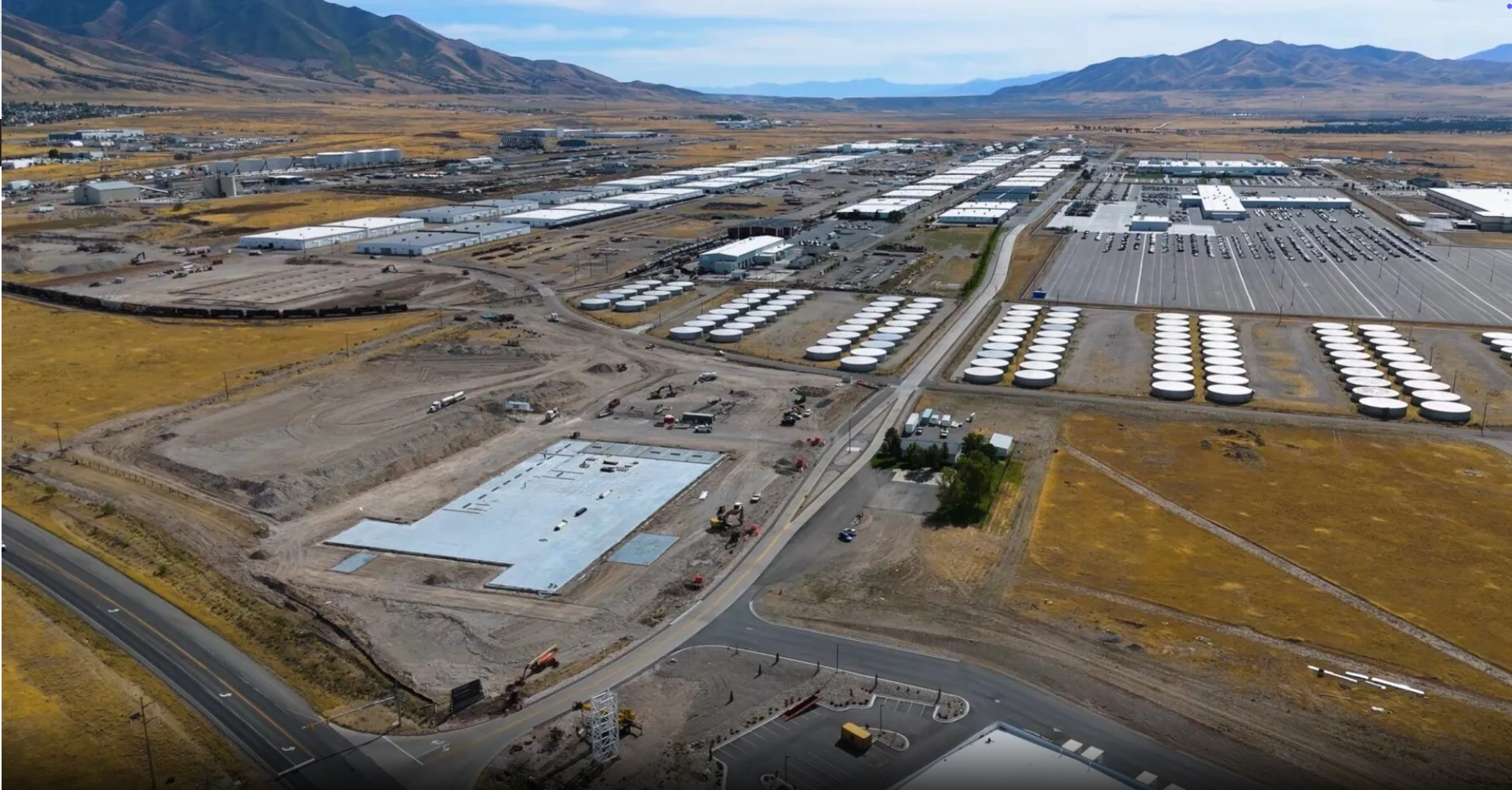
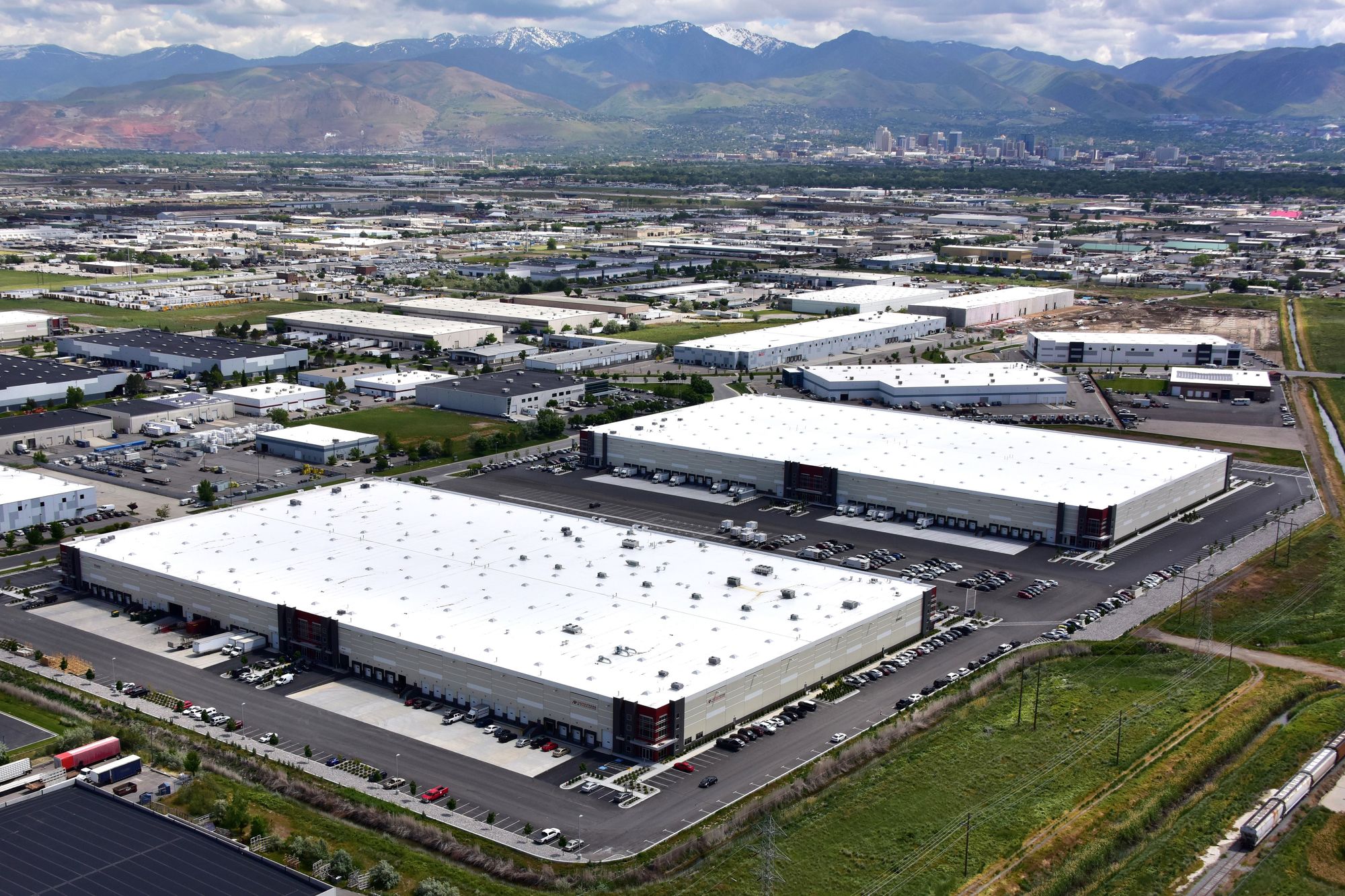
Central States, Inc., an employee-owned metal manufacturing company, recently held a ribbon cutting for its new facility in Tooele, Utah. Central States produces metal building components for residential, commercial, and agricultural projects.
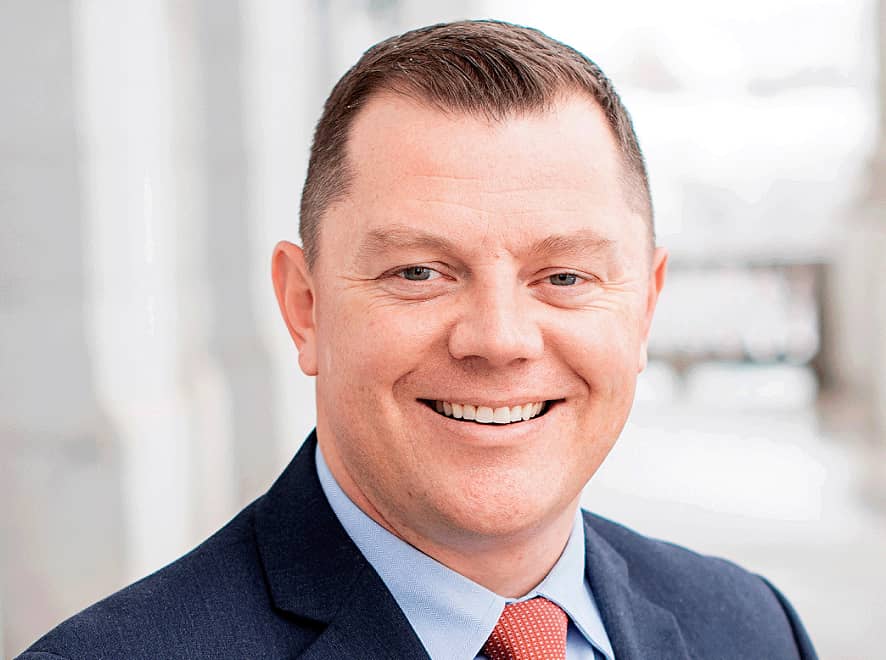
The company first announced its expansion to Tooele City in June 2023, after working with EDCUtah, the Utah Governor’s Office of Economic Opportunity, and several Utah partners to evaluate locations for their next manufacturing facility. One year after discussing the project’s early plans, we caught up with CEO Jim Sliker to discuss this major milestone and what’s next for the company’s Utah operations.
Sliker: Like any large construction project, there were the typical steps—breaking ground, closing the building, installing and validating equipment. But this plant is unique for us because it’s our first facility west of the Rocky Mountains. That brought new challenges in supply chain, logistics, and business processes.
One big milestone was hiring a plant manager. Jered Chandler relocated his family to Utah to take on that role, and he’s been the boots on the ground, leading the project.
Another milestone was resolving power supply issues. We worked closely with Rocky Mountain Power, and once we knew that was no longer a pacing item, it was a huge relief.
We also built a new supply chain strategy, including rail service directly into the back of the facility—another first for us. Validating that logistics model was key. And finally, beginning to hire and train our first group of employees was critical to preparing for production.
Sliker: We currently have a small team of eight, with a mix of relocations and local hires, but we’re ramping up quickly. Our immediate need is production technicians, the frontline people making our products. Getting them hired and trained is essential so that when the plant is ready, we can serve customers right away.
We’re working with Tooele Mayor Debbie Winn, local partners, and others to make sure our total rewards package—pay, profit sharing, stock ownership, and benefits—is competitive in this market.
Sliker: Employee ownership is central to everything we do. Our purpose is to provide well-being and financial freedom for employee-owners and their families. That drives decisions like this expansion.
We also want to integrate new employee-owners into our culture right away—helping them understand our DNA, our promise to customers, and how the business works. Just as importantly, we want to connect with the community. Even before having people on the ground in Tooele, we supported the Tooele Chamber of Commerce, food drives, and local causes. That’s part of who we are: we live here, work here, and serve here.
Sliker: Rail access wasn’t a requirement for us at the start, but once we realized that it was an option for this new plant, it became a differentiator. Having direct rail service into the facility reduces logistics costs and improves efficiency. It definitely influenced our final decision.
Sliker: This is the first time in our 36-year history that we’ve opened two plants in the same calendar year, which speaks to the strength of our team and the confidence our employee-owners have in this company. Tooele will be our 13th and westernmost plant, giving us a gateway to serve U.S. customers all the way to the Pacific.
For anyone considering joining our team, we’re an employee-owned company where you can be an owner from day one. If you value serving customers, taking ownership, and working in a culture defined by accountability and care for one another, this is a place you can thrive.
Tooele is our kind of town. The people here, the civic responsibility, and the cooperative spirit align perfectly with who we strive to be as a company. We’re proud to call Utah home.
_____
“Building Together” highlights examples of the impact of your investment and EDCUtah’s work in communities across the state.
For additional information or to schedule an interview, please contact us.
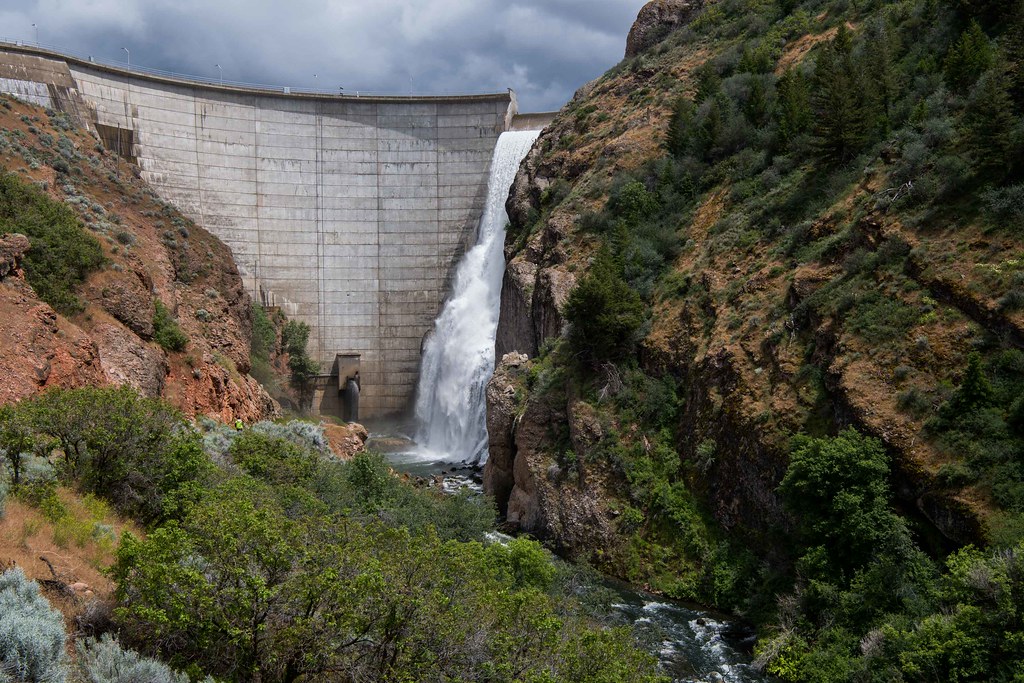

Each month, EDCUtah’s Research Minute highlights interesting economic development data and timely research insights. This month, we discuss Utah’s infrastructure grades given by the American Society of Civil Engineers.
Utah’s infrastructure received a C+ grade from the American Society of Civil Engineers (ASCE) in their recent update of the state’s infrastructure report card. The professional society has been grading the nation’s infrastructure since 1988 but only began grading Utah separately in 2015., Since 2017, the state of the nation’s infrastructure has improved; moving from a D+ to a C in those eight years. Meanwhile, Utah has improved one grade: from a C to a C+ in the past 10 years. C+ is the highest infrastructure grade given to any state so far, with only two other states receiving a C+ (Georgia and Wisconsin in 2024).
The Utah Section of the ASCE graded 12 of Utah’s infrastructure categories, based on eight criteria. The best grade, A, represents infrastructure labeled as “exceptional, fit for the future”, while the worst grade, F, is labeled as “failing/critical, unfit for purpose.”
Most of Utah’s infrastructure grades have remained the same over the past 5 and 10 years. The Utah Section of the ASCE credits Utah leaders and infrastructure agencies with working “diligently to plan for and address all of Utah’s infrastructure needs, both rural and urban.” And while the state has done a good job at maintaining infrastructure over longer time-horizons, the steady C+ grade may also be an indicator that more investment is needed to ensure Utah’s long-term stability.
There are a few areas where the state has improved and others where it has declined. Looking at Utah’s infrastructure grades from 2015, 2020, and now 2025, here are five trends worth highlighting that demonstrate Utah’s trajectory in providing the necessary amenities to support its residents and economic stability now and in the future.
“Utah benefits from a developing Wasatch Front, but rural communities are key to the state’s continued success. Those communities need access to reliable clean water, functional roads, transit, flood control, and other necessities of life.”
– Utah Chapter of the American Society of Civil Engineers
Utah dropped two grades from a B+ to a B- on transit in the last five years after not changing in the five years prior. A rising population and higher-density population centers make multi-modal and public transportation more necessary than ever as space for traditional car travel becomes scarcer. The ASCE highlights several positives: the many funding initiatives for transit, Salt Lake City’s transit ranking as the tenth best among the nation’s largest cities, and the proximity of 95% of Utah’s population to transit options. However, they also suggest that making these modes of transportation more cost competitive, increasing access in rural Utah, and updating outdated infrastructure are necessary steps to improving the state’s transit grade.
Utah has maintained the same grade of D- for levees and D+ for canals over the last 10 years, emphasizing the critical needs of the state’s poorest graded infrastructure categories. According to ASCE, “Utah has nearly 100 miles of levees that have an average age of 63 years,” and many of them fail to meet the standards of the Army Corps of Engineers. Without increasing funding and updating levees, much of Utah’s population centers could be classified as flood plains and will affect how they are assessed and insured.
Similarly, canals are at risk of damage and contamination in their current state. Utah’s canals—many of which are earth embankments and ditches, historically used for private irrigation—are increasingly being used for stormwater and flood management. Updates could reduce the risk of significant damage while also decreasing natural water loss.
While Utah’s Bridges maintain a high grade of B, the grade dropped from a B+ in the last five years. The ASCE recommends more funding to maintain and operate the state’s bridges as they age. Initiatives such as UDOT’s Bridgefest showed positive momentum in the improvement of this critical infrastructure, but additional funding will be required to maintain the high standard that Utah has maintained in the past.
The grade for aviation increased from C to a C+ in the last five years, largely due to the increased capacity of the Salt Lake City International Airport. With a budget of $3.6 billion to invest in the new airport, phases 1 and 2 of its construction have been completed with the next phase currently underway. The ASCE suggests investing in rural Utah airports to maintain and improve connectivity statewide to further improve its grade.
Between 2015 and 2020, Utah’s grade for drinking water infrastructure improved from a C to a B-. The grade did not change in 2025, but the progress made in those first five years has been maintained. Utah has successfully reduced water use by 20 percent over the last 20 years, and additional reductions will be necessary as the population continues to grow. Fortunately, legislation has been put in place to require water planning to strategize conservation and resilience for the future.
With Utah’s population expected to increase by 66% by 2060, maintaining and improving infrastructure will be critical to support that growth. Additionally, businesses require reliable infrastructure to operate efficiently and sustain employment for future generations. Ongoing infrastructure investment, especially in key risk areas, will be critical to ensuring statewide “access to clean water, reliable transportation, flood control, and responsible waste management.”
_____
Want more data? Explore the benefits of investing with EDCUtah.
For additional information or to schedule an interview, please contact us.
View Utah’s 2025 Infrastructure report card.