Edwards Lifesciences to bring over 500 jobs to Utah


560 jobs
$34.8 million capex
Project Ticker
Today, the Utah Governor’s Office of Economic Opportunity (GOEO) and the Economic Development Corporation of Utah (EDCUtah) are pleased to announce that Edwards Lifesciences plans to bring 560 new, high-paying jobs and invest nearly $34.8 million in Utah over the next 15 years.
“We’re thrilled to announce that Edwards Lifesciences, a leader in medical technologies, has selected Utah to expand its operations,” said Gov. Cox of Utah. “Utah is home to a robust healthcare sector with renowned hospitals and research institutions, a highly skilled and educated workforce, and a supportive business environment. Edwards Lifesciences is a natural fit in Utah, and we look forward to seeing the medical advancements made possible through this expansion.”
Ryan Starks, executive director of the Utah Governor’s Office of Economic Opportunity, added, “Utah’s life science sector is thriving, boasting the nation’s leading job growth in the industry. The expansion of Edwards Lifesciences within the state will further enhance this trajectory, and we extend our best wishes to its success.”
Edwards Lifesciences is the global leader in patient-focused medical innovations for structural heart disease and critical care monitoring. Driven by a passion for helping patients, the company partners with the world’s leading clinicians and researchers and invests in research and development to transform care for those impacted by structural heart disease or who require hemodynamic monitoring during surgery or in intensive care.
“Edwards has operated in Draper since 2010 and currently employs more than 1,500 people in the area,” said Joe Nuzzolese, Edwards corporate vice president for global supply chain and quality. “Utah’s dynamic and supportive business environment has fueled the facility‘s growth into a critical piece of our global supply chain network and makes it a natural choice for the expansion of our advanced components manufacturing network to enable Edwards to serve more patients around the globe.”
Scott Cuthbertson, president and CEO of EDCUtah, added, “Thanks to companies like Edwards Lifesciences, Utah’s workforce is primed with science and engineering expertise that drives innovation. For many years, Edwards Lifesciences has played a pivotal role in advancing Utah’s life science industry, and we welcome its continued growth in our state.”
“Draper City is excited for the expansion of the Edwards Lifesciences campus in our community,” said David Dobbins, city manager at Draper City. “It has been a pillar of medical innovation while providing high-paying jobs for our residents. This expansion will allow the company to grow in a way that will benefit the lives of many people.”
Erin Farr, vice president of business development, led Project Ticker for EDCUtah.
_____
EDCUtah Investors: If you were involved with this project and would like to have your organization mentioned, please email connect@edcutah.org and we’ll update this article.
For additional information or to schedule an interview, please contact us.

210 jobs
Project Tomcat
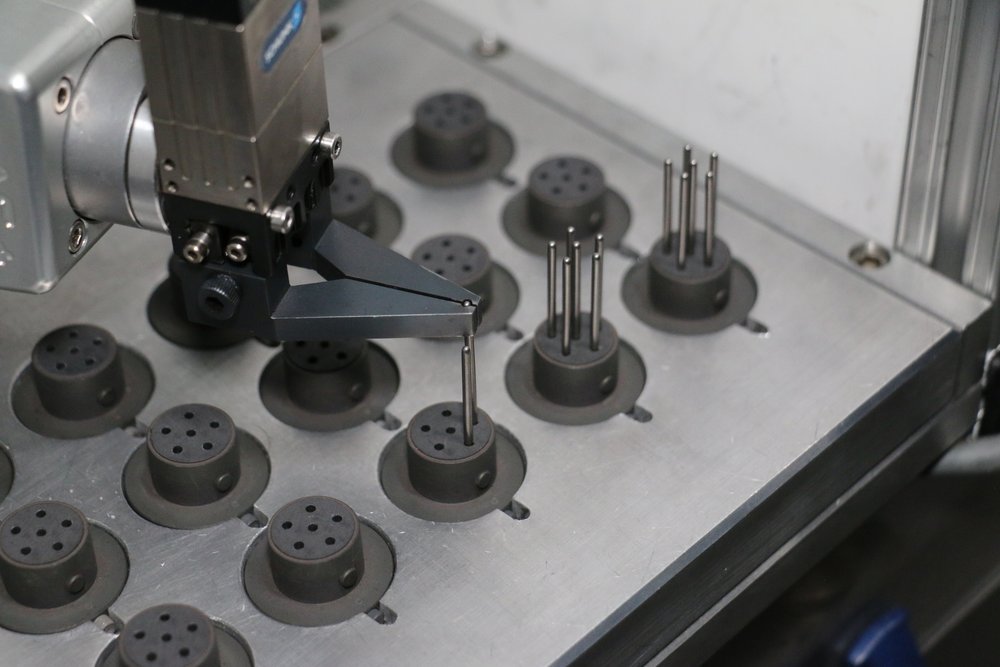
Today, the Utah Governor’s Office of Economic Opportunity (GOEO) and the Economic Development Corporation of Utah (EDCUtah) are pleased to announce that Precision Hermetic Technology plans to bring 210 new, high-paying jobs in Utah over the next 10 years.
“We are thrilled to welcome Precision Hermetic Technology’s expansion to Utah,” said Ryan Starks, executive director of the Utah Governor’s Office of Economic Opportunity. “Utah is home to thriving aerospace, defense, and manufacturing industries that demand high-quality, reliable components for advanced systems. Our state will benefit greatly from the company contributing to these industries, job creation, and the state’s economy.”
Precision Hermetic Technology (PHT) specializes in manufacturing high-reliability interconnect products for extreme environments and conditions. Founded in 1989 by Daniel Schachtel, PHT has become a recognized leader in the aerospace and defense sectors, known for its exceptional performance in mission-critical applications. Precision Hermetic Technology proudly holds certifications such as ISO-9000, AS-9100, ITAR, JCP, and NIST-800, enabling it to serve many prime defense contractors.
The company noted, “Precision Hermetic Technology is excited to announce its strategic relocation from Redlands, California, to Ogden, Utah. This move positions PHT for significant growth, with a larger manufacturing space enabling new product lines and added capabilities. Utah’s business-friendly environment and Ogden’s skilled workforce in aerospace and defense perfectly align with PHT’s expansion plans within these industries.”
More than just business, the move brings PHT closer to the owners, who have fostered a personal connection to the state over 20 years of family visits. PHT remains dedicated to its customers and employees, and this relocation promises a bright future.
“Utah’s business-friendly environment and robust aerospace and defense industry continue to attract new companies at all points in the manufacturing supply chain,” said Scott Cuthbertson, president & CEO of EDCUtah. “Precision Hermetics Technology plans to convert vacant office space into a manufacturing facility, and we look forward to seeing the improvements and innovation they’ll bring to Utah’s business community.”
“On behalf of Ogden City, I’m excited to welcome Precision Hermetic Technology to our community. PHT will create high-quality jobs for Ogden residents and further strengthen Northern Utah’s aerospace and defense industry,” said Ben Nadolski, mayor of Ogden City. “We are grateful to the 47G UAMMI Institute for introducing PHT to Ogden, and to EDCUtah and GOEO for supporting this important project.”
Spencer Layton, business development analyst, led Project Tomcat for EDCUtah. Cameron Cook from Boyer, an EDCUtah Builder’s Circle investor, worked on the project.
_____
EDCUtah Investors: If you were involved with this project and would like to have your organization mentioned, please email connect@edcutah.org and we’ll update this article.
For additional information or to schedule an interview, please contact us.


The manufacturing industry has long played an important role in Utah’s economy, and the share of manufacturing companies in EDCUtah’s corporate expansion pipeline has dramatically increased since 2020.
However, the scale of the projects, their challenges in terms of utilities and talent availability, and the locations considered are all shifting in interesting ways.
In this Q&A, EDCUtah’s business development team discusses trends in the projects bringing manufacturing jobs to Utah.
For the current fiscal year (July 2023 – June 2024), we’ve seen 57 manufacturing facility projects. Of 28 total project wins in that timeframe, 18 have been manufacturing. That’s consistent with patterns we’ve seen since the beginning of the Covid-19 pandemic, when office projects slowed, and manufacturing and distribution came to the fore in our pipeline.
The wins have come from companies in a variety of manufacturing sectors, such as advanced materials, aerospace & defense, energy & natural resources, and life sciences. The rest fall into the “other” category, which includes consumer goods, food manufacturing, and other companies. It’s a good balance.
Utah’s business environment is primarily attractive for our comparatively lower operating costs. That includes a combination of lower utility costs and talent costs. Costs may not feel low for those of us living here, and the cost gap has been closing over time, but it’s still a factor—especially when we’re recruiting manufacturing companies from coastal U.S. cities. When these companies see Utah average hourly rates for assembly positions, they are blown away. If the company is coming from the Midwest, they are seeing comparable prices or maybe prices that are even lower than Utah’s. However, in the context of our surrounding western states, we’re still doing well on cost.
Utah is also pro-business. Both at the state and local levels, companies can secure permits efficiently, especially for large manufacturing projects.
In terms of locations, manufacturing companies are choosing less urban sites more often. A significant amount of manufacturing facilities is landing on the Wasatch Front “shoulder counties,” in places like Juab County, Tooele County, and Box Elder County. These are places where manufacturing companies can access a large labor pool and lower costs for land or building leases. Five years ago, we didn’t receive many inquiries about some of these places. Now there is a lot of interest. Places like Tooele, Saratoga Springs, Eagle Mountain, Payson, and Box Elder County have growing populations who prefer to work locally rather than commute. This means access to a large labor pool eager to work for new, local employers.
New, non-residential construction supports local property tax revenue, which helps keep costs lower for cities, offsetting some of the tax burden for residents.
New manufacturing jobs allow residents to live, work, and play in the same community – without having to endure long commutes to other cities.
Back in the 1980s, Utah’s economy mostly consisted of agriculture, manufacturing, and mining. Leaders at the state, local, and business levels realized that if we wanted to better weather economic downturns, we needed a more diverse economy. That realization led to the creation of a public-private partnership focused on corporate recruitment: EDCUtah.
As we worked to diversify our economy, the manufacturing industry retained its importance as the backbone of Utah’s economy. Nowadays, it lends an overall steadiness. Utah manufacturing companies have helped our economy to grow in related sectors like life sciences, aerospace and defense, and advanced materials.
Utah manufacturing companies are growing in or near their current facilities, rather than sinking significant capital into new locations. Some examples are Proctor & Gamble and Nucor expanding their existing operations in Box Elder County. Ionic Mineral Technologies in Provo City, instead of relocating to a new facility elsewhere, is expanding into the building right next door.
Companies are more cautious about their real estate commitments than they were a couple of years ago. It was common for companies to build or lease space that they would eventually grow into, and we saw square footage between 250,000-500,000 for the average project. Now we see companies committing to only what they need and then reevaluating if they grow.
Nowadays, power capacity is top of mind. Nationwide utility infrastructure constraints are one reason why companies are pursuing smaller expansions. In some cases, it makes more sense to upgrade the power supply to an existing building – whether owned or leased – than to build a brand-new building with the hope of getting power quickly.
It’s been surprising to see how quickly the issue has snowballed nationwide. Two years ago, consultants and companies were saying power constraints could be a thing on the horizon. At a more recent site selector conference, power was the number one topic. Site selectors expect to see power capacity challenges at most sites across the U.S.
The international manufacturing companies coming into the market are hard to categorize. Some, like Fairmat, have established a robust presence here, while other projects have brought in much smaller operations. In the latter cases, the small presence again denotes a cautious approach of testing the market.
A good number are in the clean-tech space. These companies still have a lot of research and development they need to do. And, coming from an emerging industry, their bankability is not as strong as companies in other industries. Investors are more reticent to fund them in a big way. This all leads to starting small.
When the project seeks federal funds, timelines are like a slinky toy, expanding and contracting. That’s due to funding stipulations, where the company must identify a potential site and community support as part of the application process. The company is not guaranteed to receive federal funding, so it’s a rush to put the application package together followed by a wait to find out whether they receive the funding.
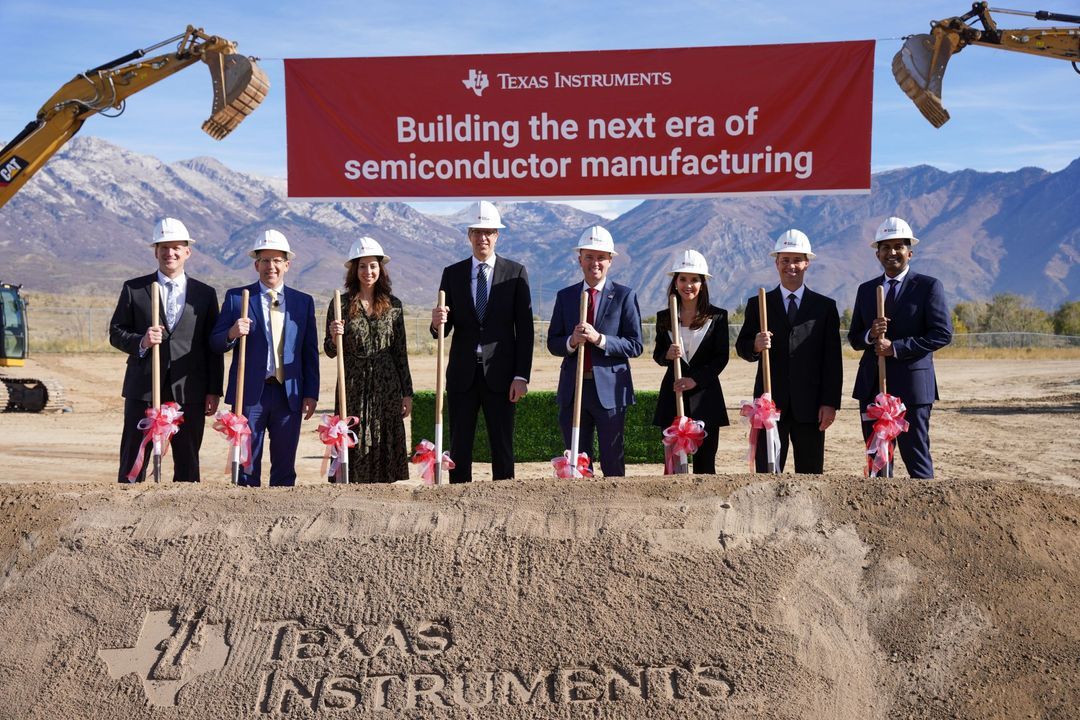
This is another nationwide issue, with mixed results for Utah. Unless you’re already an established manufacturer like Texas Instruments, some of the newer companies are coming in hot with site selection requests, then easing off because they have to wait six to eight months for the federal funding decision. Federal funding has created a lot of interest in Utah sites, but not many projects have landed here yet.
Site selectors travel to different markets in the country, and they notice how well Utahns collaborate to solve problems for companies interested in establishing a presence in the state. The consultants often remark on the quality of service they receive in Utah. Whether it’s state government, local government, city engineers, private sector engineering firms, you name it—Utahns work together.
Without our utility providers, manufacturing projects would be impossible to manage. They’ve done a great job supporting the state and getting those projects running.
As talent availability has become a much larger question in the last two years, talent recruitment firms have played a bigger role in the site selection process.
Our general contractors and civil engineering firms are also answering a lot of infrastructure questions upfront—whether it’s around cost data they are seeing in the market, or timelines needed to get a tilt-up concrete building out of the ground. The willingness of EDCUtah investors to share their expertise with potential projects is a huge plus.
When it comes to manufacturing, Utah performs exceptionally well. So, the first bit of advice is: come take a look. If the company needs utilities, ask about them immediately to determine if it’s possible to set up here. If they have any logistical questions, get those addressed early in the process as well.
Next, partner with EDCUtah! EDCUtah, along with our network of 200 public and private sector investors, helps businesses set up in Utah with ease. It is surprising to some companies, especially those doing their own site selection, how smooth the process can be when they work with a skilled organization like EDCUtah that facilitates every aspect of their potential development.
_____
“Building Together” highlights examples of the collective impact of EDCUtah and our investors in communities across the state. Do you have a story you’d like us to share? Email connect@edcutah.org.
For additional information or to schedule an interview, please contact us.
25 jobs
$3 million capex
Project Wasp
Today, the Utah Governor’s Office of Economic Opportunity (GOEO) and the Economic Development Corporation of Utah (EDCUtah) are pleased to announce that Mountain Billy Gun plans to bring 25 new, high-paying jobs and invest nearly $3 million in rural Utah over the next 5 years.
“Utah is renowned for its beautiful landscapes and draws outdoor enthusiasts from far and wide,” said Ryan Starks, executive director of the Governor’s Office of Economic Opportunity. “With outdoor recreation having a central role in Utah culture, we think this growing company will find a welcoming home in Heber Valley.”
As avid hunters, gun enthusiasts, and Second Amendment advocates, founders Eric and Heidi spent the last 30 years working in the firearms industry. Their combined love of shooting activities and need for survival preparations for off-the-grid adventures created a brand of lightweight, compact guns that fire quickly and effectively. Mountain Billy Gun Lab products are tailored for activities from hunting small game and recreating with friends to survival camping.
“Our family has operated a machine shop in Illinois for the past 80 years, and when developing this brand, we had many reasons to operate elsewhere,” said Heidi Schaefer, co-founder of Mountain Billy Gun Lab. “My brother and co-founder, Eric Schmid, resides in Park City and has commuted back and forth to Chicago for the past 12 years. He loves Utah for its landscape, cost of living, and his experience raising his family. Our focus is to grow a business in a state that is gun-friendly, has growth opportunities, and provides a great work/life balance for employees. Utah provides all of that and more, and we could not be more excited to bring Mountain Billy Gun Lab to Heber Valley.”
“Utah is home to world-class outdoor recreation opportunities, as well as a thriving industry for outdoor products,” said Scott Cuthbertson, president and CEO of EDCUtah. “We look forward to seeing the growth and success of this family-owned business in Heber Valley.”
“Heber Valley feels honored that, after an extensive nationwide search, Mountain Billy Gun Lab chose to come to our community,” said Dallin Koecher, executive director at Heber Valley tourism, economic development, and Chamber of Commerce. “They will bring great jobs to the valley, and we look forward to working with them as they expand in the future. We welcome Mountain Billy Gun Lab to Heber Valley!”
Katherine Morrell-Moser, senior business development manager, led Project Wasp for EDCUtah.
_____
EDCUtah Investors: If you were involved with this project and would like to have your organization mentioned, please email connect@edcutah.org and we’ll update this article.
For additional information or to schedule an interview, please contact us.

58 jobs
$24.5 million capex
Project Wrench
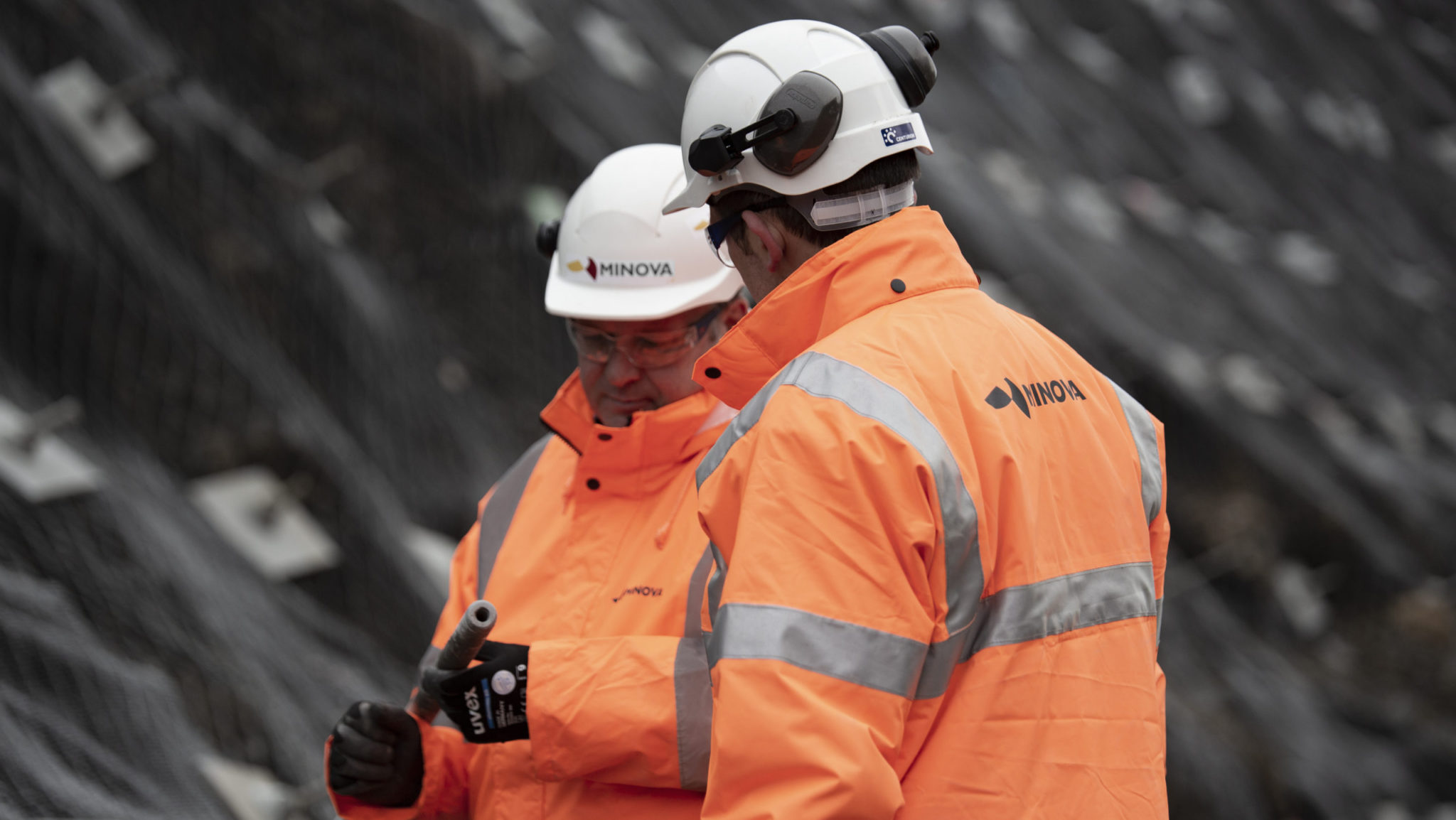
Today, the Utah Governor’s Office of Economic Opportunity (GOEO) and the Economic Development Corporation of Utah (EDCUtah) are pleased to announce that Minova plans to bring 58 new, high-paying jobs and invest nearly $24.5 million in rural Utah over the next 5 years.
“Utah is a state abundant in natural resources that consistently requires safe and efficient infrastructure,” said Ryan Starks, executive director of the Governor’s Office of Economic Opportunity. “Utah will significantly benefit from Minova’s industry expertise, and we look forward to seeing it strengthen our engineering and manufacturing workforce.”
Minova is an industry leader in ground support and geotechnical solutions for mining, tunneling, and surface ground engineering projects. It is known for high-quality products, technical expertise, and customer problem-solving. The company has a long heritage and a 140-year track record of developing and delivering innovative ground support solutions. Minova proactively develops and nurtures partnerships that deliver value and support customers, securing their safety, performance, and efficiency.
With manufacturing plants across five continents and operations in more than 25 countries, Minova offers customers a full portfolio of solutions consisting of a comprehensive range of bolting systems, injection chemicals, grouts, resin capsules, sprayable membranes, coatings, and services.
Ryan Kerr, CEO of Minova, expressed his enthusiasm about the customer-centric approach, stating, “Minova has always been driven by a commitment to meeting our customers’ unique challenges. The construction of this state-of-the-art facility is a tangible demonstration of our dedication to being close to our customers, understanding their needs, and delivering solutions that meet and exceed their expectations.”
Luke Colton, CFO of Minova, highlighted the long-term aspect of the expansion, stating, “This strategic investment not only demonstrates our commitment to technological advancement but also reflects our confidence in the long-term growth and sustainability of Minova. The new facility will serve as a hub for creative solutions, allowing us to work closely with our customers, address their unique challenges, and collectively shape the future of ground support solutions.”
“In Utah and Tooele, Minova found strong community partners and a skilled, available workforce,” said Scott Cuthbertson, president and CEO of EDCUtah. “We’re pleased to see Minova’s investment in Tooele City.”
“Tooele City is thrilled that Minova has chosen to locate at the Peterson Industrial Depot — a growing center for industrial activity, local job growth, and value for our taxpayers,” said Mayor Winn at Tooele City. “We take pride in welcoming Minova to do business in our community.”
Jared Stewart, senior business development manager, led Project Wrench for EDCUtah.
_____
EDCUtah Investors: If you were involved with this project and would like to have your organization mentioned, please email connect@edcutah.org and we’ll update this article.
For additional information or to schedule an interview, please contact us.

90 jobs
$7.3 million capex
Project Treefrog
Today, the Utah Governor’s Office of Economic Opportunity (GOEO) and the Economic Development Corporation of Utah (EDCUtah) are pleased to announce that EnergiSpot plans to bring 90 new, high-paying jobs and invest nearly $7.3 million in Utah over the next 10 years.
“The future of electric vehicles is changing rapidly, and we’ll need the infrastructure to keep up with the growth,” said Ryan Starks, executive director of the Governor’s Office of Economic Opportunity. “We’re thrilled EnergiSpot chose to grow in Utah and look forward to the impact it’ll have on the sustainable energy industry of our state and the nation.”
Driven by a deep commitment to clean energy and sustainability, EnergiSpot is dedicated to advancing the research, development, manufacturing, and distribution of integrated electric vehicle supply equipment (EVSE) solutions to support mobility and electric vehicle (EV) adoption. Through a joint venture with eTreego, Taiwan’s leading EVSE manufacturer, EnergiSpot brings decades of expertise and know-how to establish a U.S.-based factory that will manufacture residential, commercial, and fleet EV charging solutions. EnergiSpot’s fit-for-purpose EVSE can be combined with solar and energy storage solutions to minimize grid impact and infrastructure requirements and optimize cost efficiency for end users. By providing turnkey, end-to-end service, EneriSpot eliminates barriers to deployment and makes installation, operation, and maintenance seamless.
“With its reputation as the strongest economy in the U.S. and the crossroads of the West, Utah is an ideal place for EnergiSpot to put down the roots that will help us expand critical EV infrastructure across the country,” said Ron Heffernan, co-founder of EnergiSpot. “We are committed to positively impacting the local community and are grateful for the support from the state, which will help us accelerate our mission of electrifying the nation.”
“Utah’s advanced manufacturing industry is gaining global attention, thanks to the collaboration of many partners across the state,” said Scott Cuthbertson, president and CEO of EDCUtah. “We look forward to seeing the innovation that comes out of this foreign direct investment win.”
“Spanish Fork City is excited to welcome EnergiSpot to the Verk Industrial Project,” said Dave Anderson, community and economic development director at Spanish Fork City. “We believe EnergiSpot will play an important role in our nation’s transition from fossil-fueled mobility to electrified transportation. They will join a number of other companies in Spanish Fork that utilize cutting-edge technology to improve our way of life.”
Katherine Morrell-Moser, senior business development manager, led Project Treefrog for EDCUtah. Jeff Heaton and Ben Richardson from Newmark, an EDCUtah Builder’s Circle investor, worked on the project.
_____
EDCUtah Investors: If you were involved with this project and would like to have your organization mentioned, please email connect@edcutah.org and we’ll update this article.
For additional information or to schedule an interview, please contact us.
86 jobs
$160 million capex
Project Fish
Today, the Utah Governor’s Office of Economic Opportunity (GOEO) and the Economic Development Corporation of Utah (EDCUtah) are pleased to announce that Campbell Soup Company plans to bring 86 new, high-paying jobs and invest nearly $160 million in rural Utah over the next 10 years.
“Pepperidge Farm has been a long-standing pillar in the food industry in northern Utah, and we’re pleased to see the company expand its footprint,” said Ryan Starks, executive director of the Utah Governor’s Office of Economic Opportunity. “Utah has a diverse and thriving agricultural landscape where companies like Pepperidge Farm can leverage local resources and producers. This expansion will continue to foster partnerships within the local supply chain, create many new jobs, and support the economy in rural Utah.”
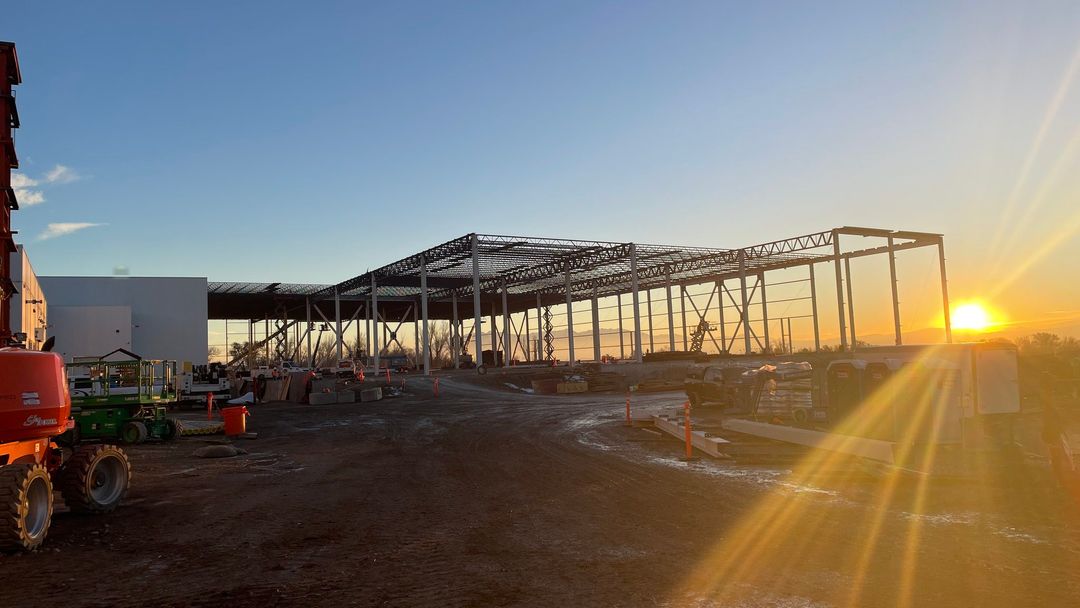
The company is investing in its Richmond, Utah bakery to expand production of Goldfish crackers to help meet increased consumer demand. The new line will increase the bakery’s output of Goldfish by 50% and produce over five million Goldfish per hour, or 1,500 Goldfish every second. The expansion also includes the construction of an onsite flour mill that will be separately owned and operated.
“We’re thrilled to be investing in our Richmond bakery to support the growth of our business and the community,” said Chris Foley, executive vice president of Campbell Soup Company and president of Campbell’s Snacks. “We appreciate the support from the state and look forward to seeing the positive impact this project will have on the local economy.”
With a bakery in Richmond and operations in Logan, the company currently employs more than 400 people in the Cache Valley region. The bakery, which has made Pepperidge Farm products for over 50 years, was recently named one of the top employers in northern Utah by the Cache Valley Daily and Cache Valley Media Group.
“Campbell Soup Company has a long-standing history of quality corporate citizenship, and we’re thrilled to see them reinvest in rural Utah,” said Scott Cuthbertson, president and CEO of EDCUtah. “This expansion aligns with the state’s focus on food security, and it demonstrates the impact of local community involvement in business retention efforts.”
“Campbell Soup Company brings a welcome expansion to Cache County’s economic and agricultural base,” said Cache County executive, David Zook. “For decades, Pepperidge Farm has been an important employer for Cache County residents, as well as a valued partner to our local farmers.”
Katherine Morrell-Moser, senior business development manager, led Project Fish for EDCUtah.
_____
EDCUtah Investors: If you were involved with this project and would like to have your organization mentioned, please email connect@edcutah.org and we’ll update this article.
For additional information or to schedule an interview, please contact us.
160 jobs
$20 million capex
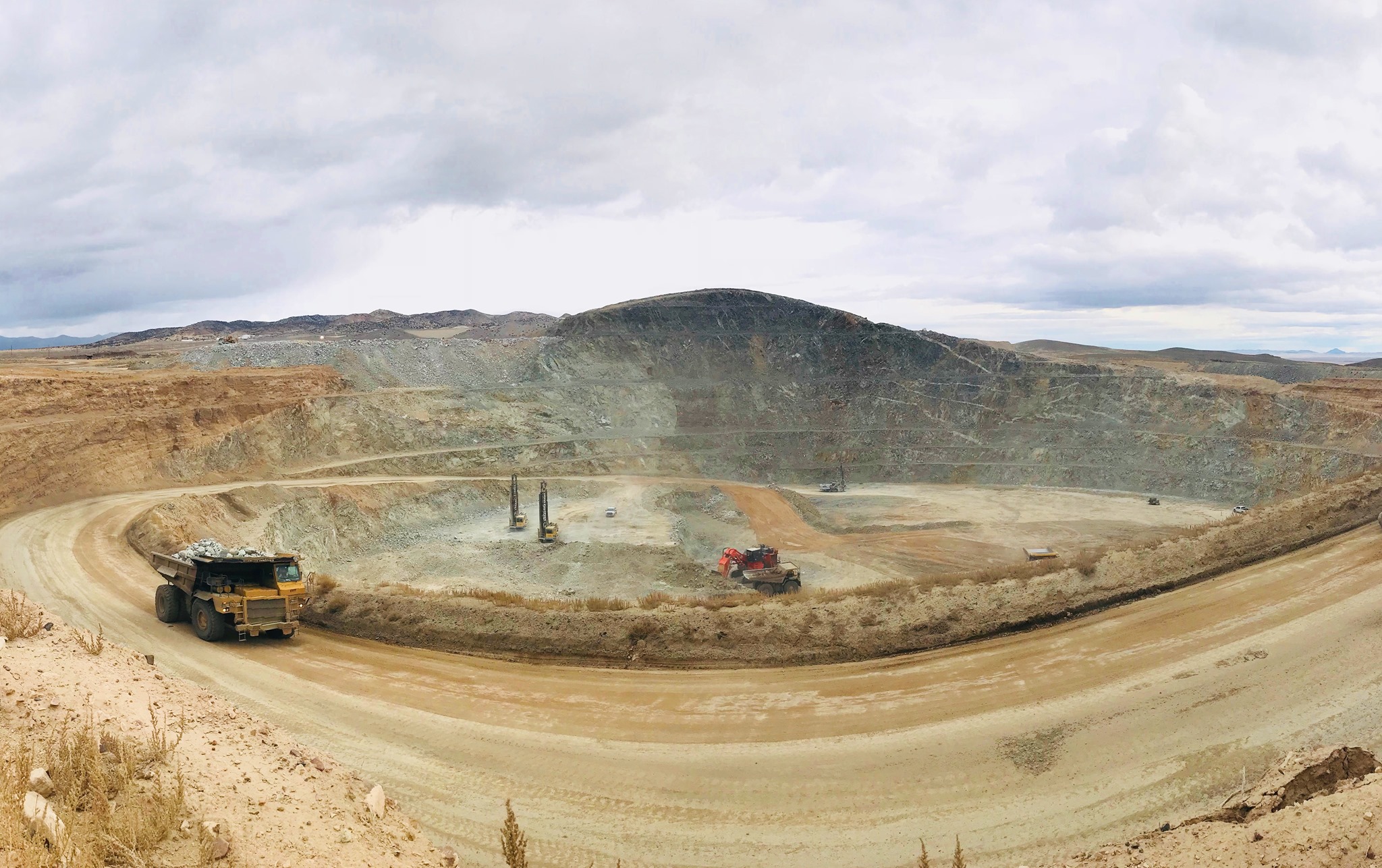
Today, the Utah Governor’s Office of Economic Opportunity awarded Milford Mining a post-performance tax reduction for its expansion in Beaver County. The corporate incentive is part of the state’s Rural Economic Development Tax Increment Financing (REDTIF) program.
As part of the agreement, Milford Mining projects to add 160 new, high-paying jobs and invest $20,000,000 in rural Utah during the next five years.
“Utah’s rich mineral resources are a significant draw for companies seeking a supportive environment that values responsible and sustainable mining practices,” said Ryan Starks, executive director of the Utah Governor’s Office of Economic Opportunity. “Utah offers a skilled workforce, excellent infrastructure, and proximity to key markets, making it a prime destination for mining ventures. We’re pleased to welcome Milford Mining’s expanding operations to the state.”
Milford Mining, a dynamic and innovative operator in the mining industry, is dedicated to sustainable resource extraction and responsible environmental practices. With a rich history spanning several decades, it prioritizes the well-being of the communities in which it operates, consistently delivering high-quality minerals to meet global demands. The operations in Milford, Utah, specializing in copper ore mining, will involve a flotation mill and a solvent extraction-electrowinning (SX-EW) process, allowing the production of copper concentrate, which includes gold and silver, as well as pure copper cathode. Milford Mining’s commitment to new technology and best-in-class safety measures ensures an efficient operation and a safe working environment while minimizing the environmental footprint.
“Western Beaver County has historically been a location containing high-grade minerals,” said Darin Malchus, vice president of Milford Mining. “Never before has copper been so important to the nation’s energy systems as it is currently. Utah’s cooperation with the mining community, combined with access to local talent were significant factors in Milford Mining’s decision to commence operations in the state. We would like to thank the Utah Governor’s Office of Economic Opportunity for support of this project.”
“The revitalization of the mining industry in Beaver County heralds us back to our beginnings as a county and to our first economic boom in the mid-1800s,” said Jen Wakeland, strategic development director for Beaver County. “A far cry from those early days of mining, Milford Mining will bring invigorated processes, updated technologies, and will hire some of the best workforce to manage the resources produced by the mine. As the mining tradition in our county moves forward, we are thrilled to endorse and encourage Milford Mining.”
“We join GOEO in welcoming Milford Mining to Utah,” said Scott Cuthbertson, president and CEO of EDCUtah. “We’re pleased to see the company’s commitment to innovation and community well-being, both of which align with the values of rural Utah.”
_____
For additional information or to schedule an interview, please contact us.
510 jobs
25,000 sq ft.
$26 million capex
Project Sew
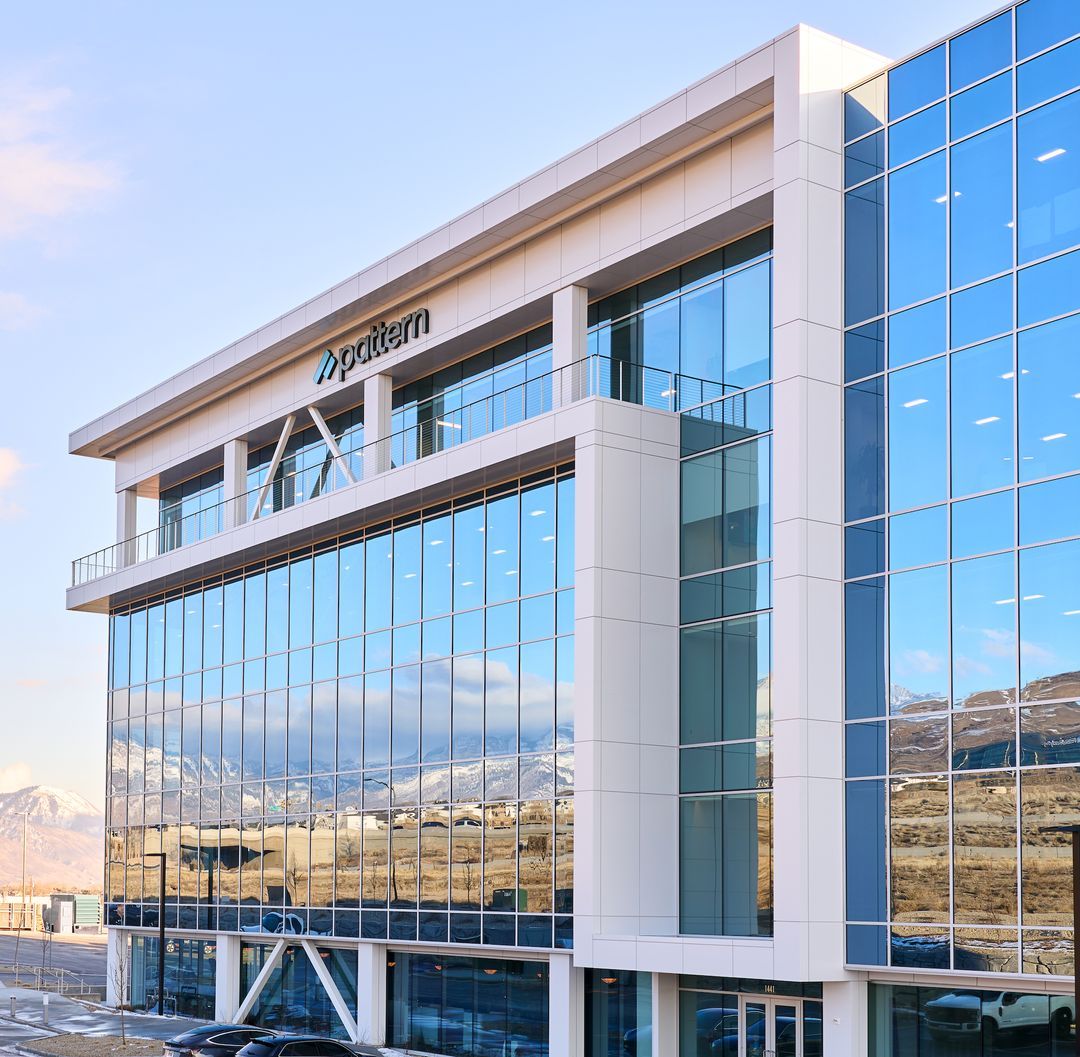
Today, the Utah Governor’s Office of Economic Opportunity (GOEO) and the Economic Development Corporation of Utah (EDCUtah) are pleased to announce that Pattern plans to bring more than 500 high-paying jobs and invest nearly $26 million in Utah over the next 10 years.
“The global expansion Pattern has achieved since its beginnings here in Utah is remarkable, and we’re pleased about the addition of hundreds of new jobs to its home base,” said Ryan Starks, GOEO executive director. “Pattern continues to set the standard for market leadership and showcases the potential our Utah companies have in creating a positive impact on both the local and global economies.”
Pattern is the leader in global e-commerce and marketplace acceleration. Hundreds of global brands — including Bosch, Nestlé, Stance, TUMI, and Panasonic — rely on the company’s e-commerce acceleration platform to grow their online sales on direct-to-consumer websites, online marketplaces, and other digital channels in more than 60 countries, all while managing fulfillment and logistics.
“Utah continues to be a key component in our long-term growth strategy,” said David Wright, co-founder and CEO at Pattern. “We love the incredible talent pool, vibrant business climate, and world-class outdoor entertainment in the Beehive State. We can’t think of a better place for our global headquarters and look forward to another decade of growth.”
“Approximately one-third of EDCUtah’s active projects are Utah companies looking for their next business location, and it’s great to see another homegrown tech company stay and grow in Silicon Slopes,” said Scott Cuthbertson, president and CEO of EDCUtah. “Pattern is a market leader for global e-commerce and marketplace acceleration, and its expansion is a great win for Lehi and the surrounding community.”
“Pattern exemplifies the type of technology company that Silicon Slopes is named for in the heart of Lehi,” stated Marlin Eldred, economic development director at Lehi City. “As a global leader in e-commerce, Pattern is changing the way companies are doing business. This exemplifies the entrepreneurial spirit that the Utah technology sector is built on. Lehi City as a partner is excited to see the Governor’s Office of Economic Opportunity incentivize Pattern to expand and stay in our city.”
Erin Farr, vice president of business development, led Project Sew for EDCUtah. Colliers provided brokerage services to the client.
_____
For additional information or to schedule an interview, please contact us.

1206 jobs
Project Unity II
Today, the Utah Governor’s Office of Economic Opportunity awarded Northrop Grumman a post-performance tax reduction for its expansion in Utah. The corporate incentive is part of the state’s Economic Development Tax Increment Financing program (EDTIF). As part of the agreement, Northrop Grumman projects to add over 1,200 new, high-paying jobs with a continued investment in Utah during the next 20 years.
This announcement was an incentives-focused continuation of EDCUtah’s previous Project Unity.
“We’re proud to welcome Northrop Grumman’s expansion in Utah. Our state has a strong tradition in aerospace and defense, and Northrop Grumman has had an integral role in its history,” said Gov. Cox. “Northrop Grumman is a major employer in Utah and has created many high-skilled jobs, particularly in engineering, technology, and manufacturing. Utah has a skilled and well-educated workforce in these fields, which is not only a talent pool Northrop Grumman can tap into, but they’ve also played a role in fostering the development of a skilled workforce by supporting STEM education and programs. This synergistic relationship is one we look forward to continuing.”
“Northrop Grumman, a longtime technology innovation leader in the state, has chosen to expand its footprint in Utah, and we’re thrilled,” said Ryan Starks, executive director of the Utah Governor’s Office of Economic Opportunity. “Utah’s strategic location in the western U.S. has logistical advantages for defense and aerospace and access to efficient transportation and resources. Northrop Grumman’s operations in Utah rely on local suppliers and subcontractors, and we look forward to supporting the company’s growth and seeing the positive ripple effect throughout the state’s supply chain.”
A proven technology powerhouse and systems integrator, Northrop Grumman is a leading global aerospace and defense technology company. Driven by a shared purpose to solve its customers’ toughest problems, the company performs with speed and discipline, scaling its facilities to deliver the capabilities its customers need to respond to growing threats. The company continuously attracts top talent and was named one of the world’s best employers by Forbes, among others.
Northrop Grumman has a rich history spanning over eight decades in Utah. The company is now the largest private sector aerospace and defense employer in Utah, with locations across the state.
“Northrop continues to invest in northern Utah.” said Chris Roybal, president of the Northern Utah Economic Alliance. “This significant expansion sends a message that they are confident in our workforce. We look forward to their continued success in our market.”
“For years, Northrop Grumman has been an anchor employer in Utah’s robust aerospace and defense industry,” said Scott Cuthbertson, president and CEO of EDCUtah. “It’s exciting to see its continued growth in several communities across the Wasatch Front.”
_____
For additional information or to schedule an interview, please contact us.