A1 Lithium Announces Plans to Advance Green River Lithium Project in Utah
138 jobs
$546 million capex
Project A1
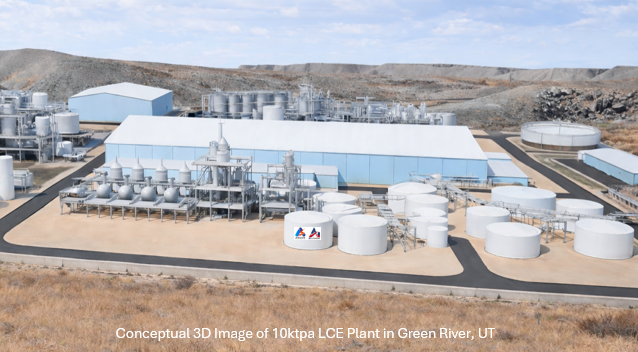
Congratulations to A1 Lithium, the City of Green River, and Emery County! A1 Lithium, a company focused on developing critical mineral resources, announced plans to advance the Green River Lithium Project in Utah’s Paradox Basin. The project is expected to create 138 new jobs and bring $546 million in capital investment to Utah, strengthening domestic lithium production and supporting the growing U.S. EV and energy storage industries.
The company’s announcement came as the result of collaboration among the City of Green River, EDCUtah, the Utah Inland Port Authority (UIPA), and the Utah Governor’s Office of Economic Development (GOED).
“This is a major step forward, not only for A1 Lithium but also for Green River and rural Utah,” said David Wilson, director of planning and enforcement with the City of Green River. “This project brings real investment, good-paying jobs, and long-term economic opportunities to our community while putting Green River at the center of strengthening America’s domestic supply of critical minerals. We’re excited to see how this investment moves forward and what it can mean for Green River for years to come.”
“A1 Lithium’s investment in south-eastern Utah will be transformational for the City of Green River, Utah’s production of critical minerals, and our nation’s broader reindustrialization efforts,” said Ryan Starks, executive director of EDCUtah. “EDCUtah is proud to support A1 Lithium as they grow and expand, and our network looks forward to continuing to support the company as they invest in the region and create long-term opportunities.”
A1 Lithium Inc. explores and develops critical minerals, operating as a wholly owned subsidiary of Australian-listed Anson Resources. Based in Utah, it aims to supply high-purity lithium carbonate for EVs and energy storage, employing environmentally friendly extraction methods. The Green River Lithium Project, situated in Utah’s Paradox Basin, is an advanced-stage lithium extraction site strategically positioned to become a key domestic supplier of battery-grade lithium carbonate for the growing U.S. EV and energy storage sectors.
The first phase of the project is designed to produce approximately 10,000 metric tons of battery-grade lithium carbonate annually. Lithium is a critical mineral used in electric vehicles, energy storage systems, electronics, defense applications and other advanced technologies.
“Apart from the advantageous geological conditions of the Green River Lithium Project, A1 Lithium decided to invest in Utah due to the high-level support for the development of critical mineral projects to meet the strategic objective of re-establishing supply chains in the USA,” said Bruce Richardson, president of Anson Resources. “Utah’s transparent mining policies and aim of making quick application determinations were also a factor in this decision. We have received an unprecedented level of support from GOED and UIPA as well as other Government of Utah agencies for which we express our appreciation. We are excited to proceed with this project that we expect will bring about a generational change in the economy and livelihood of the people of Green River and south-eastern Utah.”
To support the project, the Utah Inland Port Authority recently offered A1 Lithium a property tax incentive. These incentives are designed to promote economic growth, including significant investments in public infrastructure.
“This project has the potential to create generational economic opportunity in Green River while strengthening a supply chain that is increasingly important to our national economy and security,” said Ben Hart, UIPA executive director. “It builds on the region’s history, infrastructure and skilled workforce while opening the door to an entirely new industry for eastern Utah.”
The Utah Governor’s Office of Economic Development (GOED) assisted the project by approving A1 Lithium for a Rural Economic Development Tax Increment Financing (REDTIF) incentive.
“Developing domestic supply chains for critical minerals is a key focus of both state and national energy infrastructure strategies,” said GOED Commissioner Jefferson Moss. “The Green River Lithium project in Emery County marks a significant advancement for rural economic growth in Utah. It establishes a sustainable and long-term industrial base, creating well-paying jobs in rural areas and strengthening Utah’s role in producing energy materials domestically.”
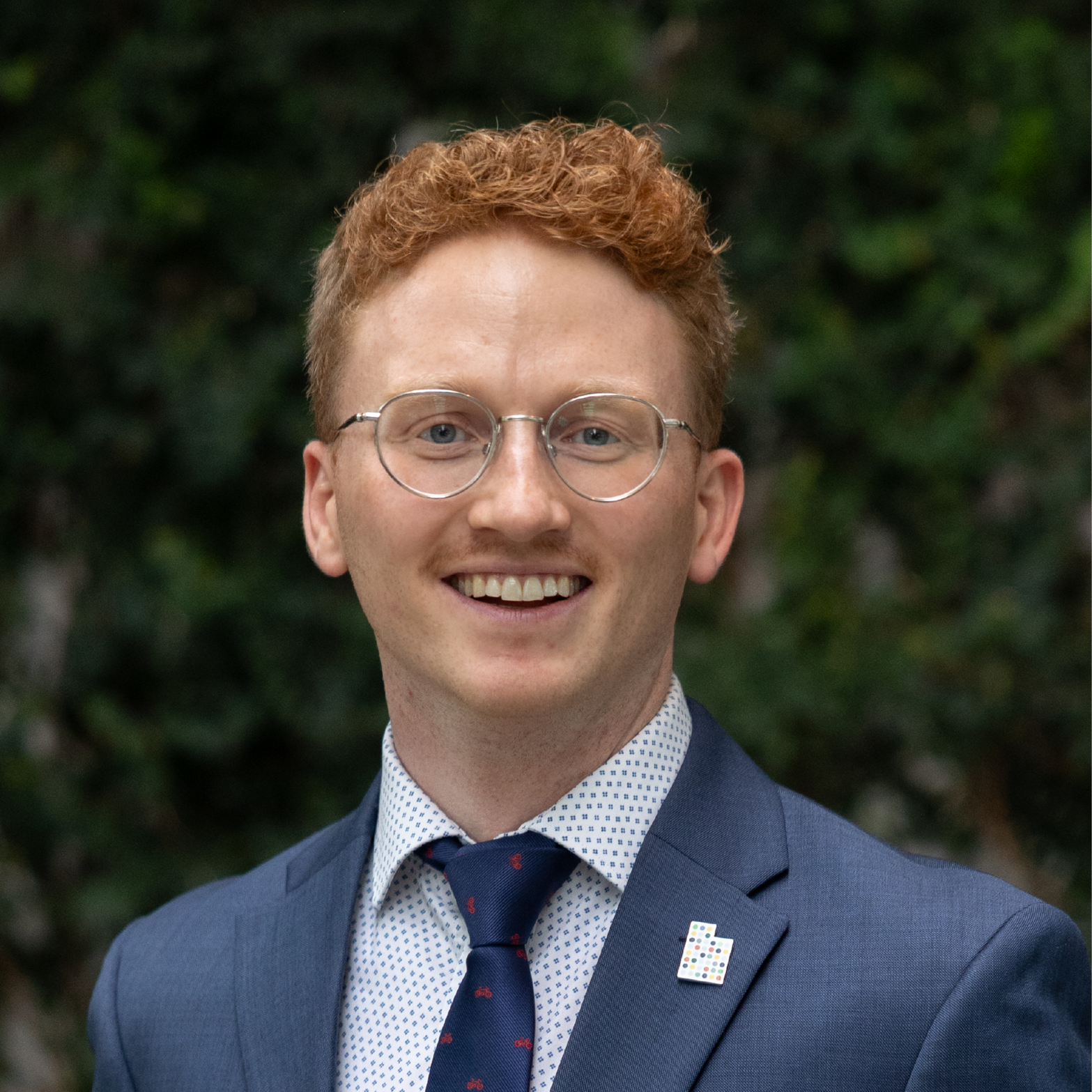
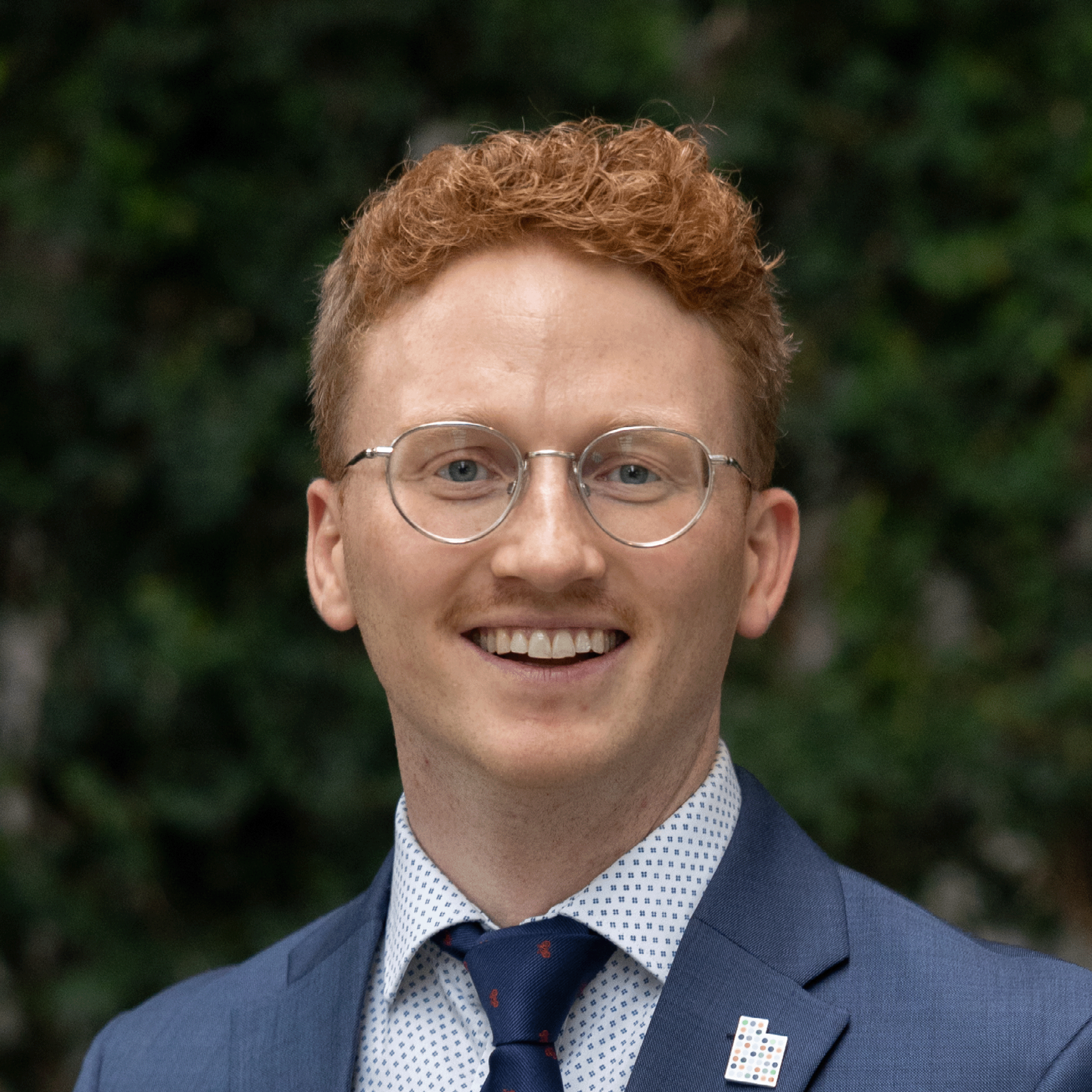
Jared Stewart, senior business development manager, assisted Project A1 for EDCUtah.
_____
If you were involved with this project and would like your organization mentioned, please email connect@edcutah.org and we’ll update this article.
For additional information or to schedule an interview, please contact us.
EDCUtah’s Community Spotlights seek to elevate Utah communities and connect them with business leaders to help shape future growth. In this Q&A, Green River City Manager Edward Castro Bennett shares how the community is leveraging regional partnerships, infrastructure planning, and clean energy innovation to support projects that are feasible and built to last.
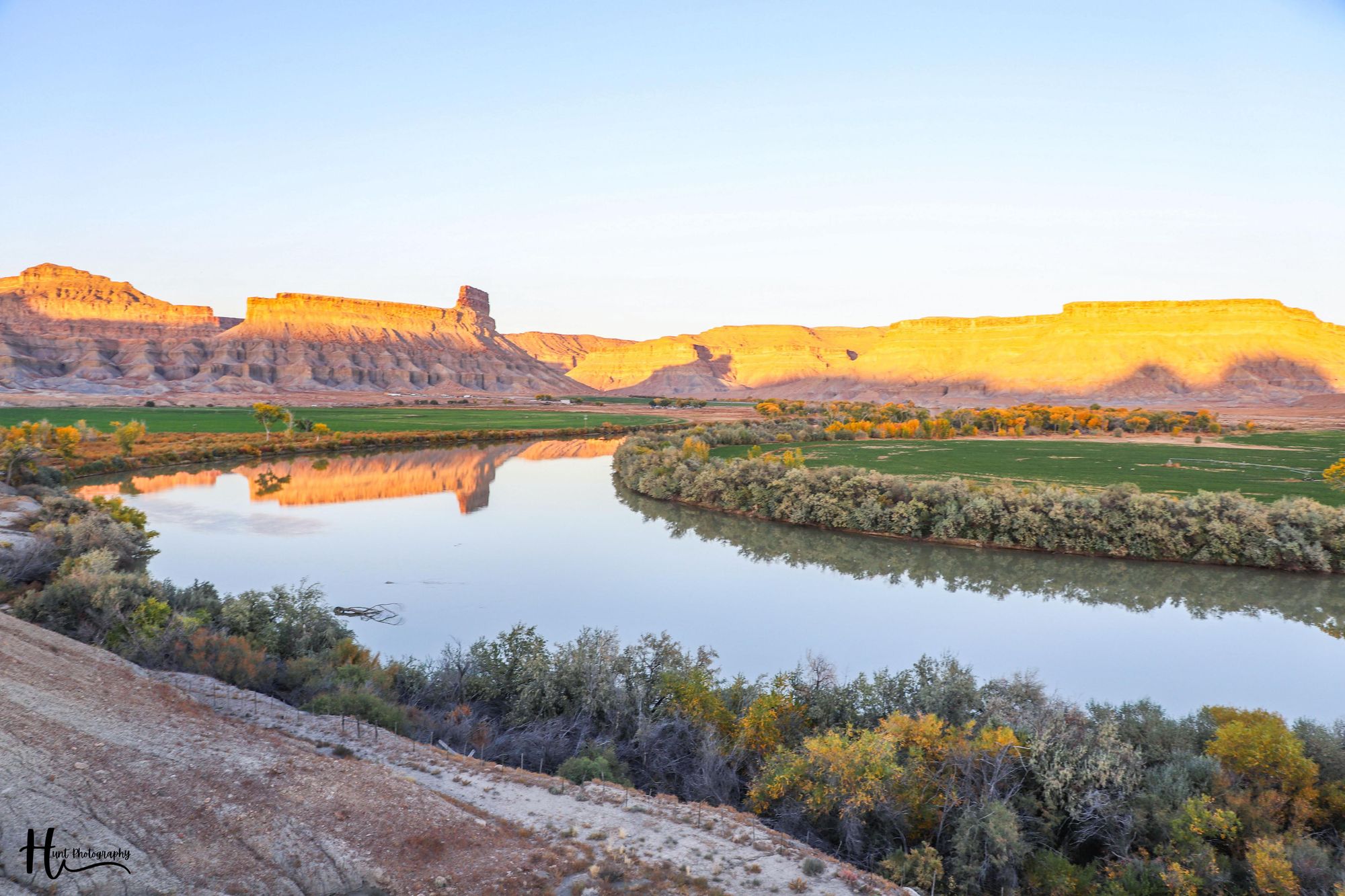
Green River is a small, resilient, western desert community on the edge of some of the most remarkable landscapes in the country. We sit in Utah’s Gunnison Valley, surrounded by the Book Cliffs, canyon country, major highways, rail lines, and vast stretches of public land. People tend to pass through us on their way elsewhere, and what often gets missed is that Green River is much more than just a stop along the way.
We are a service town in the truest sense. We provide food, lodging, fuel, emergency services, and infrastructure support for travelers, recreationists, truckers, energy workers, researchers, and neighboring rural communities. That service role extends well beyond our city limits and into a region that depends on us far more than the size of our population suggests.
We are also a river town. The Green River has shaped our history, our economy, and our relationship with the land. Water here is not abstract or taken for granted. It’s something we manage carefully, respect deeply, and plan around with intention because so much depends on getting it right.
At the same time, Green River is a connector. We connect people to the outdoors, to energy development, to rail and freight movement, and to remote parts of the state that rely on a stable hub. With that comes responsibility. Our decisions affect visitors, workers, and communities spread across a wide area.
Green River offers steady progress, serious partners, and a community that is prepared to do this work the right way.
What sets us apart is not just where we are on the map, but the role we play. We carry regional weight with a small team, limited resources, and a strong sense of stewardship. That has shaped how we think, how we plan, and how seriously we take our obligation to do things right, not just for today, but for the long haul.
I am most proud of the foundational work we are doing. When I arrived, my mandate was to bring the city into a modern economic development ecosystem.
This past year, we launched a rebrand that gave Green River a fresh identity with a .gov web domain, a new executive seal, and our guiding North Star: “Waypoint to Wild.” It’s more than a slogan – it’s a direct call to action. It reflects who we are as a community, rooted in grit and history, while opening doors to new opportunities for growth, pride, and belonging.
We also made history with Airbuild Inc, the first EDCUtah-supported corporate expansion project in Emery County’s history. When their proof of concept succeeds, it will be a revolutionary step for sustainability. We’ve also continued to support A-1 Lithium as it expands operations here, proving Green River is playing a real role in the future of energy in Utah and the intermountain West.
Airbuild matters because it reflects the direction Green River is heading. The company brings clean energy innovation, job creation, and environmental stewardship together in a way that is practical and grounded. We expect our partners to uphold our ideals of experiencing the west and being active members of the community. Airbuild is doing that in real time.
The project also demonstrates that Green River can support complex, forward-looking investments. It shows that a small rural community can be a serious partner in projects that matter at a regional and national level.
We strive to be transparent and consistent. We focus on clear rules, early and open communication, and mutual respect. Developers and property owners deserve to know what is expected of them, how timelines look, and where flexibility can (or does not) exist.
I have a four-pronged approach to everything we do in town. I ask three questions (the third has two parts):
That’s it. That’s the criteria for every decision we make.
We work to partner without compromising the long-term interests of the community. That means asking as many questions as possible early-on in the conversation. There is an incentive to avoid surprises later-on, and focusing on projects that are feasible, responsible, and aligned with our planning goals makes all these things easier.
The City of Green River supports development through coordination and partnerships rather than one-off local incentives. We work closely with the Governor’s Office of Economic Opportunity (GOEO), EDCUtah, and most importantly the Utah Inland Port Authority to connect projects to state level tax incentives, financing tools, and funding programs that a city our size simply does not have the capacity to administer in house.
The Inland Port partnership, in particular, allows Green River to leverage tools that would otherwise be out of reach. Instead of trying to recreate complex incentive programs locally, we focus on being a strong, reliable on the ground partner while the state brings resources, expertise, and scale. We currently have nearly 10,000 acres of Inland Port project zones within our city limits.
Our role is to do the best we can for our citizens and all the residents in our little corner of the world. When we can align with the right partners and keep city processes clear and predictable, then good projects move faster, risks are better managed, and investors can move forward with confidence knowing commitments are real and coordination is already in place.
Right now, we have five major economic development and downtown revitalization efforts underway at the same time. That includes the Thriving Communities Program through the U.S. Department of Transportation, our Brownfields work with the U.S. Environmental Protection Agency (EPA), the Broadway and Main engineering and redesign project and a Green River Economic Development Blueprint, both sponsored by GOEO, and our participation in Utah Main Street through the State Historic Preservation Office. That’s a lot for a small city, but it’s intentional. These projects are complimentary and we are engaging in them so we can do all the background, technical groundwork all at once.
As these efforts wrap up, we will have clear plans, the ability to prioritize projects, and tools to allow for real implementation of future development. Instead of reacting to opportunities as they appear, we will be ready with engineered designs, cleaned and usable sites, aligned incentives, and a shared downtown vision through which developers, property owners, and the community can move forward.
A big part of our work right now is not just physical projects, but cultural as well. We are intentionally shaping how the city functions, how people are treated, and what kind of community we want to be. That means setting clear expectations for residents, staff, and council; follow through; communication; and mutual respect – both within city government and across the broader community.
On the development side, we are being deliberate about the kind of growth we support. Forward-thinking development for us means projects that recognize there are real people living here, not just parcels of land or investment opportunities. We are working to create places where people can gather, walk, work, and live in ways that strengthen connection instead of fragmenting it.
Quality of life is built through consistency and care. When a city like ours operates predictably and plans with humans in mind, I truly believe we can create a culture where people feel invited, supported, and willing to build their future here.
If we build it, they will come. If we focus on planning ahead, then we can mitigate the risks instead of waiting for systems to fail. On infrastructure, that means assessing capacity, prioritizing maintenance, and sequencing projects so investments make long-term sense. Water and wastewater planning is especially critical given our desert environment. We are consistently working on upgrades and working with interested parties to reduce angst and allow for the leveraging of resources.
We coordinate closely with our local utility providers and regional partners to ensure reliability and future capacity. Road improvements are prioritized based on safety, condition, and long-term use rather than short-term fixes. This is automated at this point, utilizing an AI program to evaluate our roads and give us clear direction on maintenance and upkeep.
On growth, workforce, and housing, we recognize that these challenges are regional, not isolated. We work with intrastate agencies and potential employers to find solutions that reflect the scale and realities of rural Utah rather than importing models that do not fit.
I wish more people understood how much responsibility we carry. Green River does far more than its size suggests. We keep things moving for travelers, industries, public lands, and nearby rural communities across a huge stretch of the state, often with a very small team and limited resources. When something works, we are probably serving people well beyond our city limits.
That reality shapes how we think, act, and feel. We have to be careful and we have to think long term. There is not much room for trial and error in a rural place like this. Decisions around water, roads, infrastructure, public safety, and land use carry real consequences, and fixing mistakes later is hard and expensive. And money is not something we have in spades to use willy-nilly. We value our taxpayers and recognize every penny we spend is because of them.
Because of this, we tend to move deliberately. We focus on doing things right the first time, even if it takes longer. The responsibility we carry has made this community aware that what we do here matters to a lot more people than most realize.
People should invest in Green River because a lot of unglamorous work has happened behind the scenes to make sure systems function, expectations are clear, and long-term decisions are not being made in isolation. We’re not chasing trends or trying to sell a version of Green River that doesn’t exist. We’re focused on building the basics first. That means infrastructure, land use, utilities, downtown reinvestment, and regional coordination that can actually support growth rather than strain it. When projects move forward here, they will do so on a foundation that is thought through and durable.
Green River knows who it is and what role it plays in the region. We respect the limits of a small rural city, and we plan within them instead of pretending they are not there. At the same time, we are clear about where we are going and the kinds of projects that make sense here. For investors who think long term, this is the moment. The plans are coming together, the groundwork is nearly complete, and the city is positioned to move from planning to implementation. Green River offers steady progress, serious partners, and a community that is prepared to do this work the right way.
_____
“Building Together” highlights examples of the impact of your investment and EDCUtah’s work in communities across the state.
For additional information or to schedule an interview, please contact us.
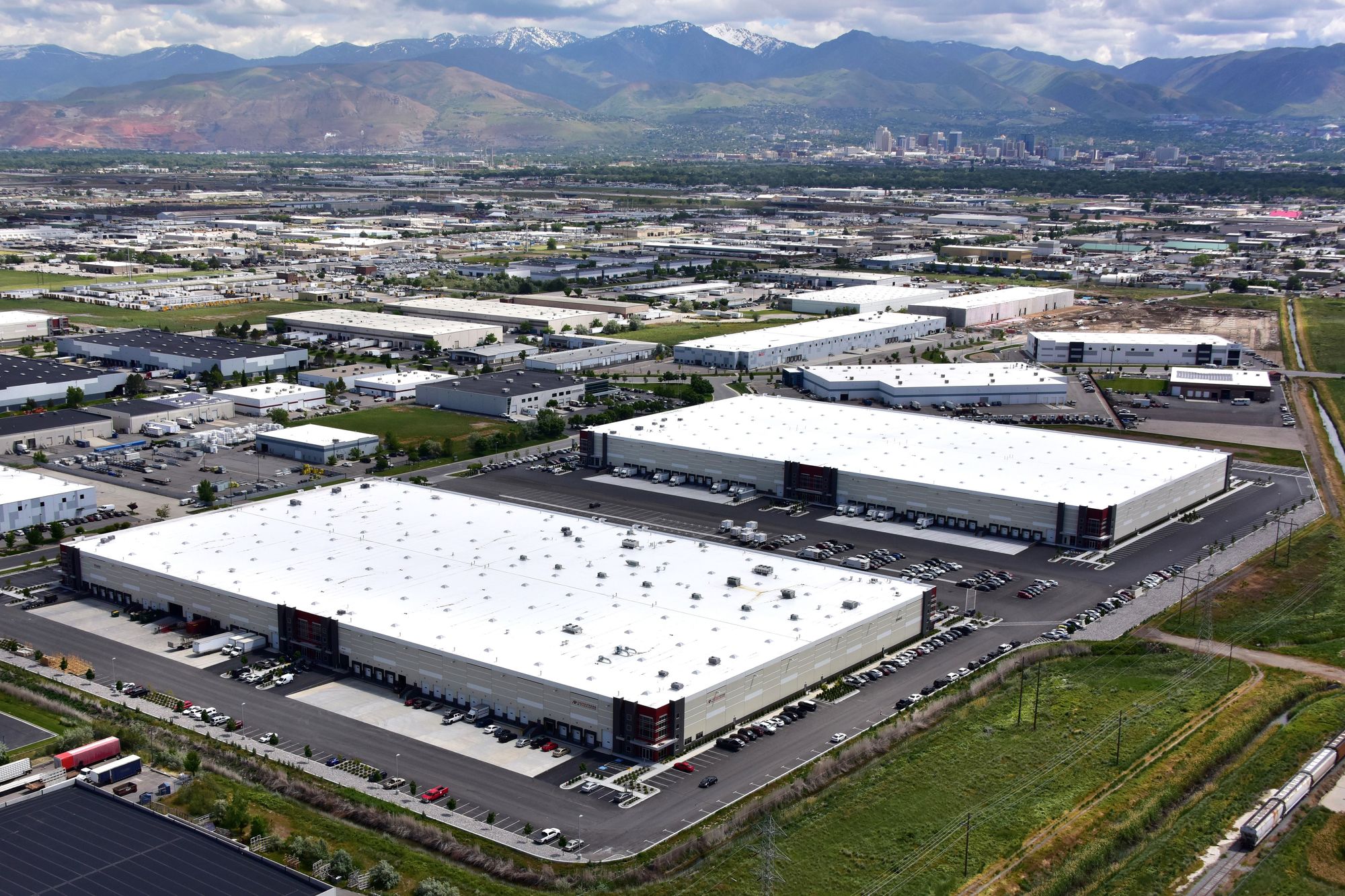
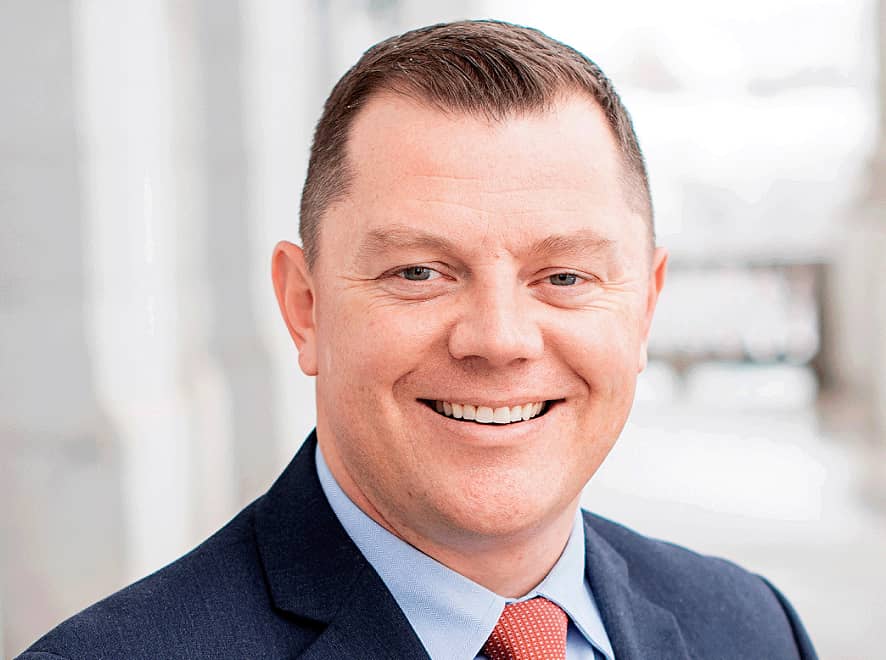
When we at EDCUtah seek an independent opinion about Utah’s economy, we often ask Steven Price of Price Real Estate. As a developer, landlord, and creative thinker, he has wide-ranging experience and insights to share. We caught up with Steven recently to hear his thoughts on education, transportation, artificial intelligence, and more.
The Salt Lake City market has grown and matured over the last 10 years. We have national and international tenants in sectors such as aerospace and defense, supply chain logistics, e-commerce, medical device manufacturing, advanced and AI manufacturing, and life sciences. We’re seeing the growth of new companies, as well as existing businesses that have much larger footprints now.
On the development and leasing side in Utah, we have a General Partner-Limited Partner (GPLP) structure that didn’t exist 10 years ago, with many of them in multifamily/lodging and industrial development. As the industrial markets grow, we often had outside developers or investors. But now we have the general partners, limited partners, and investor groups that have come to develop in Salt Lake City, the Northwest Quadrant, and spreading north and south on I-15.
We also have capital looking at this market that never looked here before. Part of that is probably due to Covid-19 and the work-from-home economy that brought more people to Utah. Part of it is the Epic and IKON passes that allow people to ski throughout the world. Those passes bring people to Utah. Accelerating the growth has been the expansion of the Salt Lake City International Airport and the Delta hub – not just the commercial side, but also on the fixed-base operator (FBO) side.
When Price Real Estate staff attend national conferences, we consistently hear Salt Lake City mentioned by keynote speakers and economists in breakout sessions. That just didn’t happen ten years ago. Utah is on the national radar screen for sure. And the question is—if you’re not in Utah, why not?
Price Real Estate is a little over 23 years old. In the beginning, we focused one hundred percent on industrial—anything from traditional rack-and-stack storage to manufacturing. And we paid attention to the industry clusters targeted by the Governor’s Office of Economic Opportunity and EDCUtah. By 2004 or 2005, we started targeting aerospace and defense, life sciences, e-commerce, and outdoor recreation.
By 2010, we were also buying urban core buildings in Salt Lake City. I had a personal commitment. I did not want these historic industrial buildings torn down for another kind of project, another kind of building. The question is, what makes a city livable? It’s what you do when you’re not working. So, these buildings are now adaptive reuse buildings with dozens of local businesses in the urban core, giving residents and visitors more options and more livability.
We found that both local, national, and international tenants wanted a landlord that they could grow with. We have a strategy of growing local businesses. If you sign a lease with us, you’re going to renew. Approximately 97% of our tenants renew their leases. Sometimes you don’t know how fast you’re growing, and sometimes you’re giving back space. Sometimes you need additional space to accommodate growth. We’ll give our tenants another space until we can get them into another building.
Tariffs impact three different issues for landlords: 1) How do we manage our buildings? 2) What are the costs to operate? Property taxes, insurance rates, and all other costs are significantly increasing. And 3) what are the impacts of tariffs if we want to build a new building?
And then there’s the impact of tariffs on our tenants. Tenants throughout the U.S. have done a few things. They’ve either sold down their inventory, in some cases lower than what the levels were in June 2020. Or they’ve surged inventory, getting product in faster than before. I use an I-15 analogy. Sometimes I-15 is moving at speed, in all lanes in both directions. Other times, you’re starting to see red lights in front of you. You’re slowing down. Is it the weather? Is there an accident? Is it just rush hour? What’s slowing us down?
Right now, we’re seeing tenants, developers, and capital markets pump their brakes. We’re starting to see red lights, but there are no airbags going off.
The cause for the slowdown is different than 36 to 48 months ago. It’s uncertainty about tariffs, trade policy, employment, and interest rates. All of those factors are working their way through commercial real estate. It’s the reason you see so few cranes working on multifamily projects in downtown Salt Lake City. It’s part of the reason we haven’t seen a new office building since 95 State in downtown Salt Lake City. It’s the reason we’re not tilting up as many industrial buildings. There’s been a traffic pause, but no accident yet. Red lights but no airbags yet.
We have an extremely well-run state. State leaders run a balanced budget here, and government stays out of your way. The State invests in the right things, like transportation infrastructure and education.
The next thing that gives me confidence is Utah’s gross domestic product. It’s very similar to the U.S. GDP. If you look at each of the different sectors of the economy, we’re well-balanced. In fact, Utah has what Natalie Gochnour calls an “elite economy.”
Another thing is that the Wasatch Front is growing. The four-county region of Salt Lake, Weber, Davis, and Utah Counties are on a steady growth trajectory.
Salt Lake City International airport is another point of confidence. We often underestimate the importance of a well-run international airport. To have a Delta Air Lines hub here, and the presence of United and American Airlines, are key fertilizers in the Utah economy. About 60% of people around the U.S. fly those three big airlines. The number of non-stop direct domestic flights to and from Salt Lake City International Airport accelerates Utah’s businesses and visitor economy. And you look at the growing international coverage with new direct nonstop flights to Incheon, to South America, and a second daily flight to Amsterdam. All of this together really builds the Utah economy.
Finally, the University of Utah – with its medical school and their engineering school and business school and so much more – is training some of the best talent in the Mountain West.
These factors combined give us, as a real estate investor, tremendous confidence in how the Utah economy is growing and how it will grow in the future.
Utah talks about a secret sauce, and one of those is that we can work together, on small things or big things. We worked together to help bring the Winter Olympics here, not just once but twice.
We know that Utah has housing affordability issues. One way to attract businesses is to focus on housing. Things will not be less expensive in the future; they’ll be more expensive. We can counter that with jobs that offer upward mobility. We need to make sure we attract the right kinds of jobs that allow Utahns to enter the workforce, remain in the workforce, and achieve upward mobility.
The state also faces issues with transportation infrastructure as the Wasatch Front grows. How do we more efficiently get people to their jobs and back home so they can have live, work, play, worship balance, and quality of life? Transportation infrastructure will be vitaly important.
If we can get those things right, Utah will continue to grow.
_____
“Building Together” highlights examples of the impact of your investment and EDCUtah’s work in communities across the state. Do you have a story you’d like us to share? Email connect@edcutah.org.
For additional information or to schedule an interview, please contact us.
15 jobs
$9.5 million capex
Project Photosynthesis
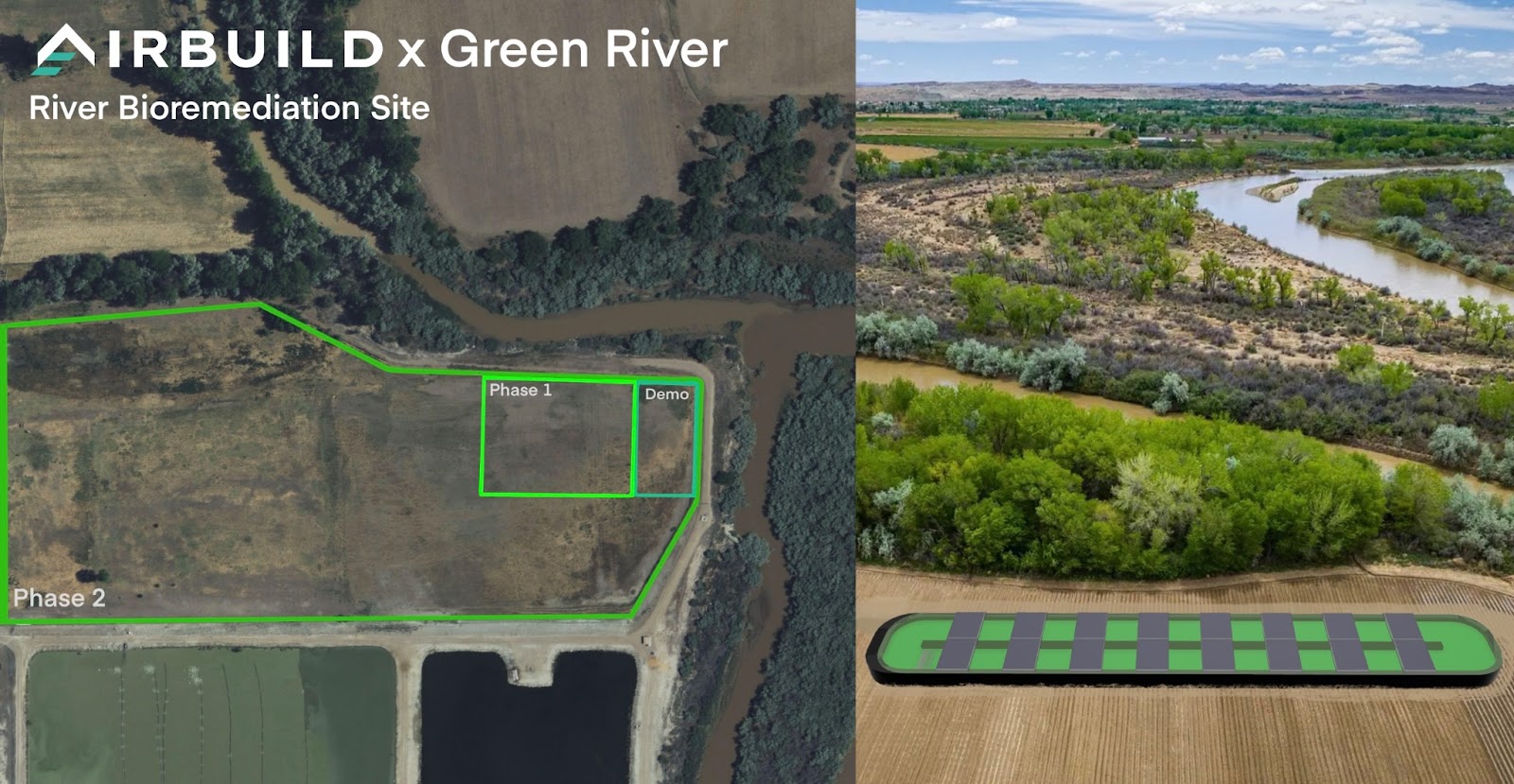
Congratulations to the City of Green River! Airbuild, a clean energy startup focused on carbon capture, water remediation, and biochar, announced plans to develop its first microalgae facility on property leased from the city. The company plans to create 15 new jobs in the City of Green River and invest $9.5 million in Green River alone over the next 3 years.
The company’s announcement came as the result of collaboration among City of Green River, EDCUtah, USU Eastern, Better City, Utah Inland Port Authority, and the University of Utah PEAK water sustainability engine.
EDCUtah connected with Airbuild during a Global Strategy & Outreach (GS&O) trip to San Diego in May 2024. Following the meeting, EDCUtah issued a statewide Request for Information (RFI) to identify partner communities and potential locations. The City of Green River responded with strong interest, and a site visit was held in November 2024. EDCUtah supported Airbuild with connections to state permitting agencies, facilitated networking opportunities to bolster their grant writing efforts, and provided research to help the company identify key supporting businesses and contractors.
“We are honored to welcome Airbuild to Green River and proud to stand alongside partners who believe in the power of rural innovation. This project brings more than jobs and investment – it brings purpose. By turning organic waste into biochar, Airbuild is helping us lay the foundation for a more sustainable approach to fertilizer production across our region. It’s a win for our environment, our economy, and our farmers,” said Edward Castro Bennett, city manager for the City of Green River. “This partnership reflects Green River’s commitment to a vibrant, resilient future rooted in stewardship, creativity, and bold collaboration. We’re especially grateful to EDCUtah for introducing Project Photosynthesis to our state and for championing this opportunity from the very beginning.
“Airbuild is an exciting example of what can be accomplished when we listen to community needs and pair private-sector goals with community champions,” said Ryan Starks, executive director of EDCUtah. “By addressing environmental challenges through collaboration with local partners, Airbuild is helping to drive sustainable economic growth in rural Utah. We’re thrilled to see companies like Airbuild helping to shape a more resilient future for Utah.”
Airbuild is a science and energy startup specializing in river bioremediation and sustainable resource recovery. Through partnerships with local governments and canal companies, the company implements systems that extract excess nutrients from waterways to improve water quality and downstream ecosystems. Airbuild transforms harvested algae and local organic waste into biochar, which is then used as fertilizer and sold for carbon credit initiatives delivering both environmental and economic benefits to the communities it serves.
“We’re incredibly grateful to the City of Green River and the EDCUtah team for their vision and leadership in making this project possible,” said David Gory, co-founder and CEO of Airbuild. “This collaboration shows what’s possible when innovation meets community. This deployment will not only remove thousands of tons of carbon and filter millions of gallons of water, it will also transform local organic waste into valuable biochar and create local jobs. This partnership proves that small cities can lead the way in environmental innovation and resilience.”
Jared Stewart, senior business development manager, led Project Photosynthesis for EDCUtah.
_____
EDCUtah Investors: If you were involved with this project and would like to have your organization mentioned, please email connect@edcutah.org and we’ll update this article.
For additional information or to schedule an interview, please contact us.