Research Minute: A Breakdown of Cost of Living in Utah


Cost of living is an important issue in Utah and across the U.S., especially as inflation has had far-reaching impacts on Americans over the past few years. Some states have seen more significant changes in cost of living than others, and Utah is one of those. In 2014, Utah’s metro areas had an average cost of living index score of 93, lower than the national average of 100. In 2024, every Utah metro area has an index score over 100, with Salt Lake and St. George at 109.5 and 108.1 respectively. How is this index calculated, and what has caused the drastic increase in Utah metro areas?

The Council for Community and Economic Research (C2ER) Cost of Living Index is a quarterly publication produced and published by tC2ER, a national association of research professionals working in community and economic development. C2ER’s Cost of Living Index sheds light on changing costs across the U.S. and is nationally recognized as one of the best sources for cost of living data.
Each quarter, partner organizations all around the nation, including EDCUtah’s research team in Utah, sample prices of common goods and services. These goods and services fall into the following categories: grocery items, housing, utilities, transportation, health care, and miscellaneous goods and services. These categories are then used to produce the overall composite index score. Each category is weighted differently, according to C2ER’s methodology, as follows:

Here is how Utah’s metro area scores in each of those areas, with 100 being the national average:

Since Utah’s index scores have increased substantially over the past decade, this shows that cost of living has been more rapidly increasing in Utah compared to other locations in the United States since the score of 100 is always equal to the national average in any given quarter when the index is calculated. The two areas where Utah scores considerably higher than the national average are housing and transportation. Since housing is such a significant portion of the cost-of-living index score, and a highly significant cost for Utahns each month, it’s one of the reasons behind the high composite index score.
It’s not surprising that Utah’s much lower average composite index score of 93 in 2014 showed a much lower index score in housing and transportation, 97.1 and 101.6 respectively. While some of the other categories have also increased, none have increased so drastically as housing and transportation. According to Zillow, the median home value in Salt Lake City was $282,946 in 2016. Today, that number has increased to $548,351, an increase of 94%. Utah has seen significant increases in housing costs in all other metro areas as well, although housing costs are not growing as rapidly today. For transportation, the index measures the cost of gasoline and common automobile repairs. Those costs have steadily increased in Utah.
The entire nation has seen rising costs of living, but it has been more acute in in the Intermountain West and Utah specifically over the same period. This is a result of a variety of factors including rapid population growth and increased in-migration, microeconomic forces including housing undersupply, and a tightened labor market. Utah’s cost of living is still comparable to other major competitor metro areas, and Utah leaders are tackling rising costs with a number of strategic initiatives such as the Olene Walker Housing Loan Fund, the Low-Income Housing Tax Credit (LIHTC) Program, and other investments into affordable housing and cost of living.
Utah business leaders are also doing their part. For example, Utah Rising is a comprehensive statewide vision led by the Salt Lake Chamber in collaboration with public and private sectors. The initiative is designed to ensure sustainable economic growth, enhance quality of life, and drive prosperity across Utah by uniting diverse stakeholders around innovative, long-term solutions.
_____
For more information about the Cost of Living Index, email us at connect@edcutah.org or explore the benefits of investing with EDCUtah.
For additional information or to schedule an interview, please contact us.
Data Source: C2ER Cost of Living Index
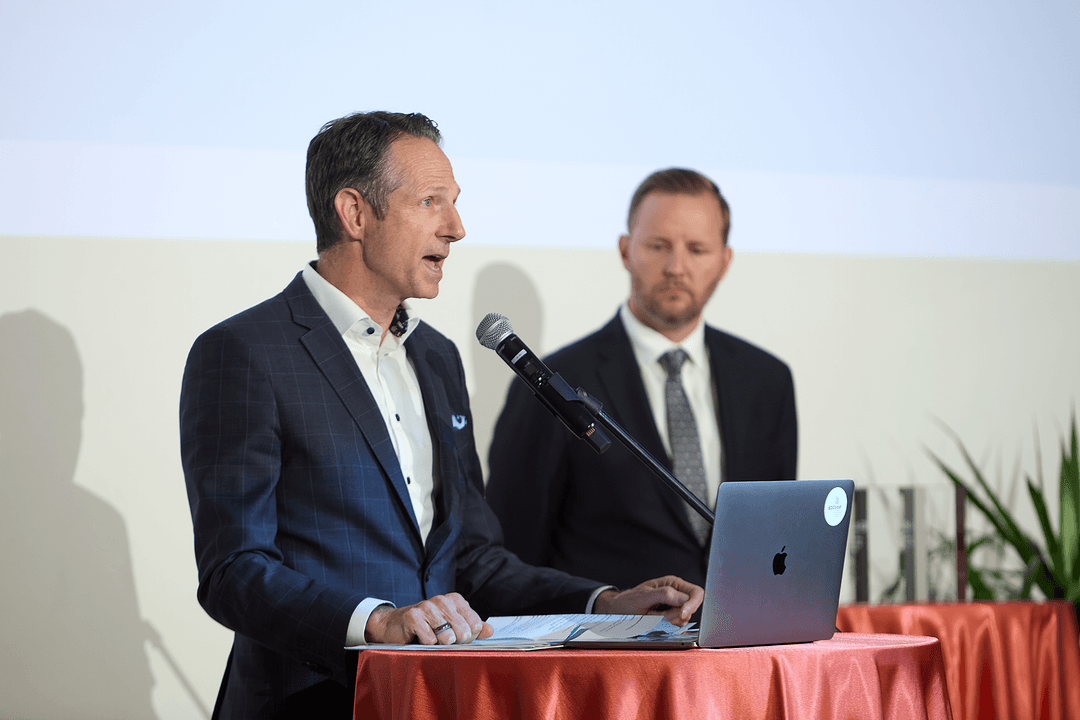
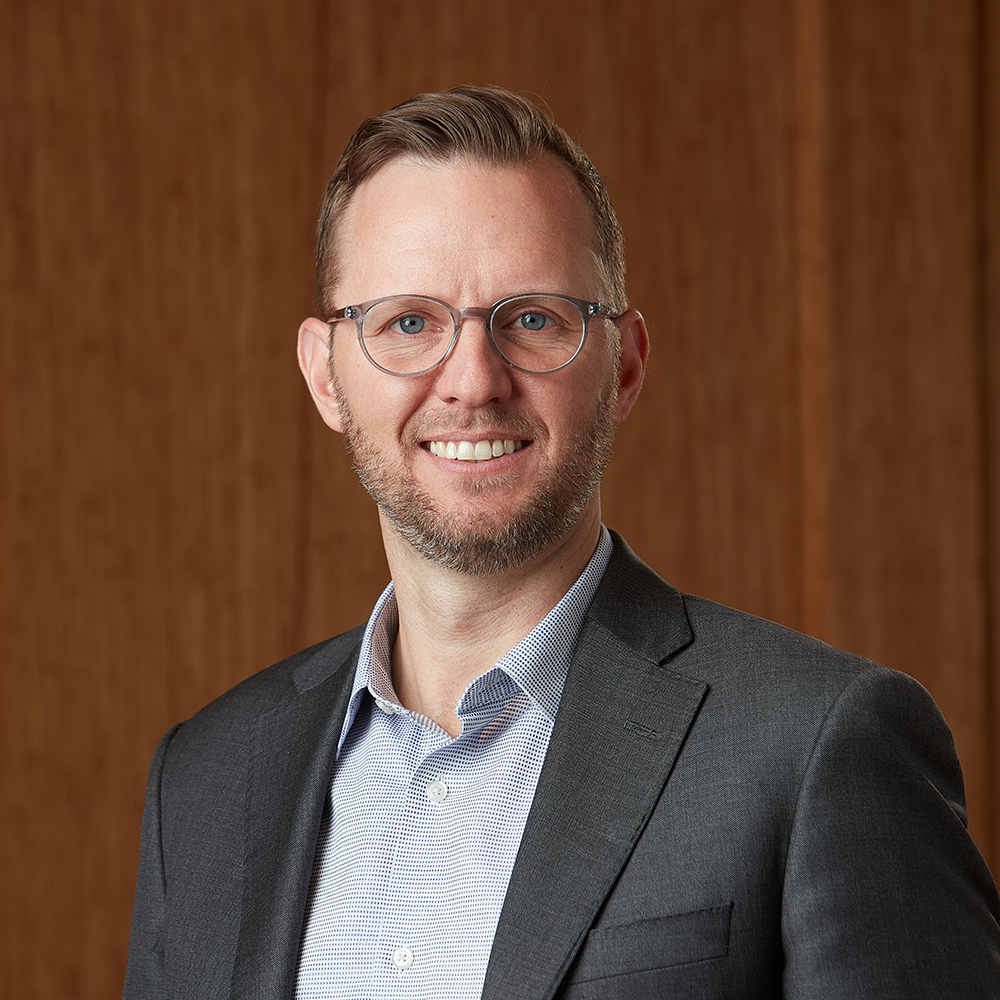
In July, EDCUtah announced its combination with the Salt Lake Chamber as one of the Chamber’s family of teams. Derek Miller, president and CEO of the Chamber, shares his perspective on the combination and answers a common question about the Chamber’s statewide reach.
I hear the question quite often: “If you’re a statewide organization and you have members in all 29 counties, why don’t you change your name to the Utah Chamber?” My answer is, when an organization has been around for 137 years, its name acquires some brand equity.
The Salt Lake Chamber was founded in 1887, nine years before Utah became a state. There was no State of Utah when we were created. The Chamber does function as a statewide chamber, coordinating with regional chambers across the state. For example, we’re engaging with other chambers to augment the Utah Rising economic plan.
I’m grateful for the opportunity for this close partnership with EDCUtah. More than three decades ago, EDCUtah had its inception inside the Chamber when business leaders came together and said we want to have an economic development organization here. The purpose was to bring more economic opportunity to Utah in a proactive manner. The Chamber incubated EDCUtah, and it eventually spun off and has done wonderful things. I have seen that personally in all the positions that I’ve held, and especially when I was the managing director of the Governor’s Office of Economic Development (now known as GOEO) for Governor Huntsman.
When I became Governor Herbert’s chief of staff, I worked very closely with the team at EDCUtah, as the Governor’s primary focus was on growing the economy. One of the first projects I ever worked on was bringing Goldman Sachs to Salt Lake City. This transformed our downtown. We would not have what we have today had it not been for an investment from Goldman Sachs that was made possible because of the work of EDCUtah.
When you go to the Point of the Mountain and see the hub of our tech community, you think back to what that area looked like 20 short years ago and just how much has changed. When Adobe purchased Omniture—which was located on the south side of the Point of the Mountain—Adobe was going to move the operation out of our state. It was because of the proactive work of EDCUtah that Adobe stayed here in Utah.
EDCUtah essentially told Adobe, “When you find out what Utah really has to offer, we are confident that you will invest more in Utah.” This is exactly what they did when they built the Adobe campus. EDCUtah has a strong track record of convincing leading companies to invest for the long term in Utah.
The last example I’ll use was Procter and Gamble building their first U.S. greenfield manufacturing facility in over 50 years in Box Elder County. The company has expanded in Box Elder County several more times since that announcement. That happened because of the efforts of EDCUtah. So, I’m a fan, and I’m grateful for the chance I had to be participate in EDCUtah’s work.
With that said, it is of utmost importance to me that EDCUtah continues to operate under its own leadership, under its own brand, and with input from its boards of trustees and advisors. That is my goal and my intent, and that is the agreement that we have made. Pending approval from EDCUtah’s Board of Trustees, EDCUtah would become one of eight other organizations under the Chamber umbrella with shared back-office services.
When I heard of the changes of roles and responsibilities between GOEO and EDCUtah, I received three phone calls – one from GOEO and two from EDCUtah board members – to discuss the possibility of a Chamber-EDCUtah affiliation. I mention this to illustrate that the important partners, the important funders, and the important leadership of this organization were instrumental in convincing me this was the right thing to do.
Because of the great admiration and respect I have for EDCUtah and my sincere desire to continue to see it be strong and to grow and to keep all those good things – like Goldman Sachs, Adobe, and Procter and Gamble – rolling.
I mentioned the Utah Rising plan. Until now, all we could do was to create the plan. Now we have a team that can go execute on the plan. I’m really excited about bringing these things together: first, developing a great strategy and vision, and then deploying an expert economic development team to act on the plan. We look forward to becoming stronger together as we leverage our statewide missions, resources, expertise, and capabilities.
_____
For additional information or to schedule an interview, please contact us.

A lot has changed at EDCUtah in the last few months—and a lot has stayed the same! In this article, we answer frequently asked questions about the latest news and initiatives at EDCUtah, including our combination with the Salt Lake Chamber, our continued partnership with GOEO, and the Business Development team’s record-breaking month for new projects.
EDCUtah and the Salt Lake Chamber will remain distinct organizations with defined missions, unique services, and separate accounts. Your investment in EDCUtah will not be commingled with Salt Lake Chamber funds and vice versa. EDCUtah is still a mission-driven nonprofit that supports economic development in communities across Utah, and connecting corporate expansion projects to Utah communities and industry experts is what we do best.
Investment at every level provides invaluable support to our team and mission—and there’s a tangible benefit to investing in EDCUtah. Every $1 you invested in EDCUtah in the 2024 fiscal year will generate an estimated $3844 in Utah’s economy. This number includes the direct, indirect, and induced financial impact of project wins announced in the 2024 fiscal year. EDCUtah investors are the engine behind Utah’s economic success, and your support has a direct impact on the project wins Utah has seen statewide.

Send them to us! EDCUtah serves a broad array of corporate expansion and relocation projects—across all industry sectors and on behalf of all Utah communities. EDCUtah will maintain primary responsibility for site selector engagement, and we’ll continue to offer:
Not much has changed in our day-to-day work. We have a process in place to ensure we don’t duplicate efforts with our partners at the Governor’s Office of Economic Opportunity, and to help us know which team is managing a new project when it comes in.
We haven’t missed a beat, and our project pipeline is still strong. In fact, August was a record-breaking month for us. We added 22 new corporate expansion and relocation projects to our pipeline. For context, the Business Development team typically takes in an average of 9-11 new projects each month. This busy pipeline speaks to the confidence that site selection consultants and investors have in EDCUtah as the destination for white glove service and corporate recruitment expertise.
We’re introducing a new service model for communities that will enhance our client experiences, and we’re creating more opportunities for investor collaboration with EDCUtah’s business development, research and marketing teams. Examples of this include:
We use a variety of methods to get the word out. Our website is a great way to learn about EDCUtah’s team, upcoming events, and program offerings. EDCUtah staff have been reaching out directly to offer meetings and phone calls, and we’re available to answer questions and learn from your feedback.
EDCUtah investors receive exclusive email announcements, and we follow up on those email announcements with live updates at investor-only events like EDCUtah’s Quarterly Business Development Breakfast. We regularly celebrate joint wins and investor activity on social media.
_____
If you’re an partner and you haven’t been hearing from EDCUtah, let’s get you connected! Send an email to connect@edcutah.org.
For additional information or to schedule an interview, please contact us.

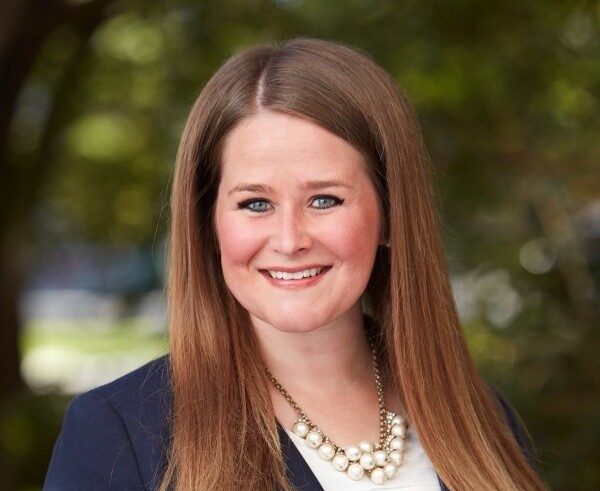
Interest in Utah’s business environment is high! In August, the EDCUtah Business Development (BD) team took in 22 new corporate expansion and relocation projects. For context, the BD team’s monthly average typically falls between nine and 11 new projects.
When it comes to corporate expansion and relocation services, expanding businesses have an asset in EDCUtah’s BD team. Our experienced team works with companies that want to hire Utahns and invest in Utah communities, and we can support site selection projects from beginning to end.
Read on to learn more about EDCUtah’s Business Development team.
With more than 10 years of experience in economic development, Erin oversees all business recruitment projects and manages a team dedicated to catalyzing capital investment and creating quality jobs in Utah. She drives strategic initiatives, secures new business opportunities, and maintains strong client relationships. Erin has been instrumental in helping companies expand within or to Utah, supporting projects that have added more than 18,000 jobs to the economy. Prior to EDCUtah, she worked as a management consultant in Washington, D.C., where she also earned her Master of Public Administration from the George Washington University. In her free time, Erin enjoys wakesurfing, pickleball, hiking, painting, and playing with her five-pound maltipoo, Franky.
Contact Erin at efarr@edcutah.org or 801-323-4243.
Jared oversees recruitment and expansion efforts across the energy, data center, and manufacturing sectors. Before joining EDCUtah, Jared worked as Tooele City’s economic development director and as an urban planner for Salt Lake County. He has a bachelor’s degree from the University of Utah and a master’s from the University of Southern California, both in urban planning. Outside of work, Jared enjoys cycling, skiing, rock climbing, and reading. He volunteers on the Salt Lake City Historic Landmark Commission and admires architecture.
Contact Jared at jstewart@edcutah.org or 801-834-3858.
Rex oversees life science and healthcare projects for EDCUtah. Prior to EDCUtah, he successfully created and exited his own business and worked in commercial real estate development. While at Brigham Young University, Rex was part of the Marriott School Student Council, Real Estate Association, and Ballard Center Social Venture Academy. He is currently pursuing the Master of Real Estate Development (MRED) degree at the University of Utah. Rex loves classic rock and exploring Utah’s natural scenery through rock climbing, canyoneering, and camping.
Contact Rex at rbuys@edcutah.org or 916-778-9232.
Spencer manages corporate recruitment and expansion projects in the aerospace and defense and manufacturing industries. Prior to joining the business development team, Spencer worked in the financial services industry. Spencer graduated from Ensign College with a bachelor’s degree in finance with certificates in accounting, business analytics, and business management. Spencer enjoys spending time with his wife, playing sports, watching Utah football, being outdoors, and being with friends.
Contact Spencer at slayton@edcutah.org or 385-522-3085.
_____
Not sure who to contact first? Reach out to Erin Farr or email connect@edcutah.org, and we’ll connect you to the right person for the job.
For additional information or to schedule an interview, please contact us.
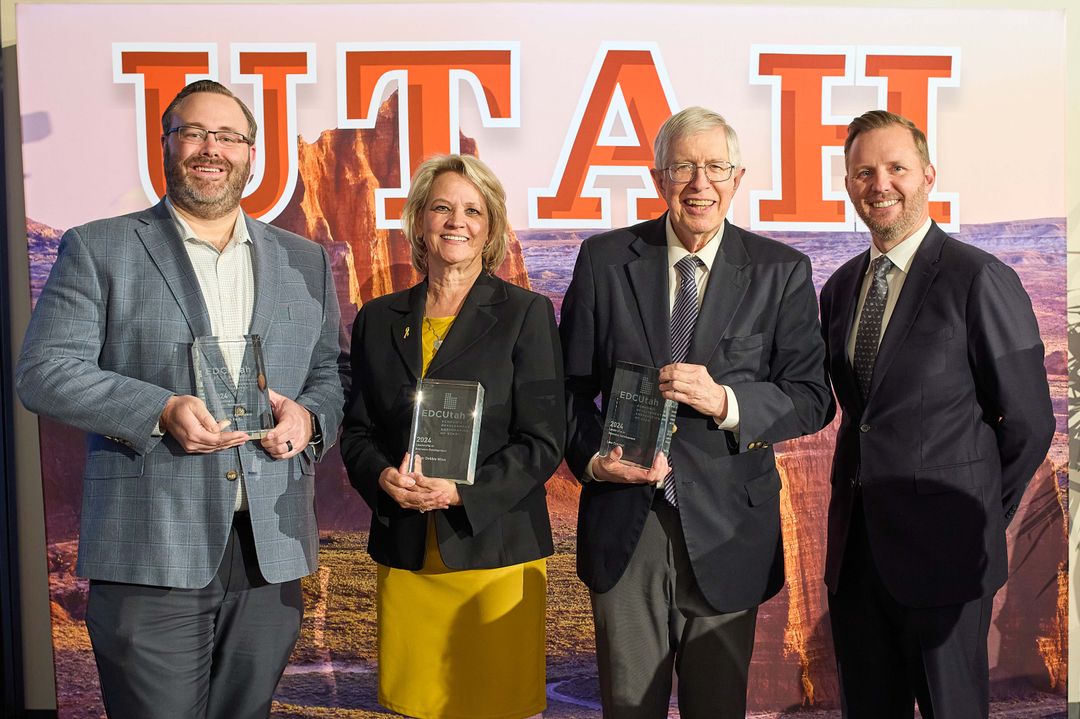
On Sept. 12, the Economic Development Corporation (EDCUtah) held its 2024 Annual Meeting to celebrate the success of Utah’s public-private partnership for economic development. EDCUtah released its 2023-2024 Annual Report, which outlines the work accomplished by EDCUtah with the support of its investors.
“Connecting corporate expansion projects to Utah communities and industry experts is what EDCUtah does best, and we have a strong track record of supporting companies that bring quality jobs and significant capital investment to Utah,” said Scott Cuthbertson, president of EDCUtah. “Many of EDCUtah’s investors have been involved with us for 10, 20, and even 30 years. Utah’s economy is stronger because of their support.”
In the 2023-2024 fiscal year, every $1 of investment in EDCUtah generated an additional $3844 in Utah’s economy. This figure is derived from an economic impact model, and it include the direct, indirect, and induced financial impact of the corporate expansion and relocation projects announced last fiscal year.
Between July 1, 2023, and June 30, 2024, EDCUtah supported 28 companies in their decision to expand in or relocate to Utah. Together, these companies announced 8,968 new or retained jobs and $9.2 billion in projected capital expenditure. Notable project wins include Nature’s Bakery and Delta Air Lines in Salt Lake City, Tract in Eagle Mountain, and Lakeshore Learning in Box Elder County.
EDCUtah also recognized outstanding individuals and developments for their leadership in Utah’s economic development. The following recipients of the 2024 leadership awards are making an incredible, tangible impact on our state – helping to bring jobs, investment, and prosperity to Utah communities:
The 2024 leadership awards were presented by Utah Senate President Stuart Adams, Salt Lake Chamber President and CEO Derek Miller, and Central States Manufacturing CEO Jim Sliker. Central States Manufacturing announced an expansion in Tooele City during EDCUtah’s 2023-2023 fiscal year.
To view the 2023-2024 Annual Report, click here.
_____
For additional information or to schedule an interview, please contact us.
EDCUtah’s Development Ready Communities (DRC) training program includes a primer on economic development for Utah elected officials at the city and county levels. Greg Bisping, EDCUtah vice president of community strategy, moderated a recent session. He was joined by a diverse group of presenters from EDCUtah’s investor community:
The training covers many topics in detail—but here are four things elected officials should know about economic development in Utah.
One key concept discussed in the training is the balance between the goals and methods of economic development at the state and local levels. Understanding that relationship allows all community leaders to better leverage their own roles and the roles of other stakeholders.
Paul Larsen, community and economic development director of Brigham City, explained that relationship this way: “We all have the goal to grow, diversify, and improve economic and social conditions in our state and communities. How we get there can differ. The State prioritizes corporate growth and high-paying jobs that contribute to income tax. That drives the focus of their efforts and how they structure their incentive programs.”
When it comes to local government, the tools and targets change, Larsen said. “Sales and property taxes are the main sources of revenue for municipal governments. High-paying jobs are great for a community’s quality of life, but those jobs are not necessarily a boost for city budgets.”
Local governments often need support recruiting and retaining local retail and other small businesses. Jen Wakeland, strategic development director for Beaver County, emphasized the value of collaborating across jurisdictions.
“I take a holistic approach. A win for Milford City is going to have a positive impact on Beaver City and vice-versa,” Wakeland said. “The County’s role is to make connections with all of our stakeholders, to work out ahead of time what our economic development priorities are. Economic development is best served by partnership and collaboration between cities and counties. It’s not a competition.”
Marcia White, the regional economic development planner for the Wasatch Front Regional Council (WFRC), emphasized the critical need for a comprehensive economic development plan. As one of the seven associations of governments (AOGs) in Utah, WFRC plays a pivotal role in shaping the state’s economic future by crafting a regional Comprehensive Economic Development Strategy (CEDS) every five years.
This strategy is a key component of Utah’s broader economic opportunity ecosystem, designed to support local cities and counties in their economic development initiatives. White highlighted that WFRC, along with other AOGs across the state, serves as a valuable resource for communities as they develop or update their economic plans.
White also underscored the importance of coordination among regions and communities to maximize the effectiveness of economic development efforts. With Utah’s continued growth, aligning infrastructure investments, development patterns, economic development site selection, and job opportunities is essential for creating vibrant, economically thriving communities where quality of life remains high.
Other speakers stressed that community-level plans should align and support a given city or county’s general plan. Brigham City’s Paul Larsen stated that general plans should include an economic development component, and that economic development efforts should be considered an implementation strategy for the general plan.
Jason Burningham, principal and owner of LRB Public Finance Advisors, and Ben Hart, executive director of the Utah Inland Port Authority, spoke about the use of tax increment financing (TIFs), Community Reinvestment Agencies (CRAs), Redevelopment Agencies (RDAs), and associated Public Infrastructure Districts (PIDs).
The general discussion focused on managing the pros and cons of TIFs. Burningham and Hart both noted that TIFs are useful for improving public infrastructure, something that companies find attractive when considering an expansion in Utah.
While TIFs can attract new businesses, they can also cut into city revenue. “There’s only so much property tax to go around,” one speaker noted. TIFs often require a considerable amount of discussion and negotiations with all stakeholders, such as schools and other districts. The Port Authority offers communities a distinct advantage in that it negotiates with all stakeholders in developing a TIF. “This is more efficient, and it can take local officials off the hot seat,” Hart said.
Hart also noted that the Port Authority, which has 11 project areas currently around the state, doesn’t dictate strategy. “We try to support the long-term goals of local communities. We look for communities that are ready and willing to focus on logistics projects.”
Burningham stressed that all incentives should be performance-based. Echoing the discussion about planning, he said that a good plan puts in place policies that can help communities make incentive decisions in a consistent, transparent, and effective manner.
Rounding out the session were Brad Simons, gas development services consultant for Enbridge (formerly Dominion Energy), and Ginger Chinn, executive vice president of public policy & government affairs for the Salt Lake Chamber.
Simons highlighted the valuable resources available to municipal leaders through infrastructure partners. “Infrastructure – whether it be gas, electrical, water, internet, and more – can be complicated,” Simons said. “Your partners are ready to answer questions and discuss project timelines, so please reach out.”
Chinn introduced some of the statewide initiatives and organizations available through the Salt Lake Chamber, including legislative policy efforts and the Women’s Business Center of Utah. “The Chamber is a statewide organization, and we have members from all 29 counties in Utah. Please let us know what issues you face, so we can better represent the needs of your business communities to Utah’s Legislature and executive branch,” she said.
A recording of the elected officials training is available by request for EDCUtah investor communities. We encourage you to share this article, or the recorded training, with the elected officials in your community. Want to learn more about these and other EDCUtah community investor resources? Contact us at connect@edcutah.org.
_____
“Building Together” highlights examples of the collective impact of your investment and EDCUtah’s work in communities across the state.
For additional information or to schedule an interview, please contact us.

Infrastructure, branding, greater awareness nationally and internationally – the benefits Salt Lake City and Utah gained from hosting the 2002 Winter Olympic Games were significant. What’s in store for 2034? Even more!
The selection of Salt Lake City and Utah as the host of the 2034 Olympic and Paralympic Games is the result of decades of hard work, visionary leadership, and strategic investments. Many organizations represented on the Salt Lake City-Utah Committee for the Games are also EDCUtah investors – including Salt Lake City. We caught up with Salt Lake City Mayor Erin Mendenhall for her perspective on how the 2034 Games will contribute to the continued economic prosperity of Utah and its capital city.
Salt Lake City is at the heart of the Games, from the medals plaza to several of the events. Also, we hope to be hosting the International Houses from across the globe.
We haven’t parsed out how much of the $6.6 billion impact in the report is directly attributed to Salt Lake City. Those are some questions we’re in the process of examining. I do believe we’ll see the majority of the economic impact cited in the report centered on the Capital City.
Both the City and Smith Entertainment Group have expressed keen interest in the potential of locating the medals plaza in the sports, entertainment, culture, and convention district.
Since we started this work in earnest in 2020, I’ve been beating the drum that we shouldn’t have another temporary medals plaza. The City owns Gallivan Plaza, where the 2002 medals ceremonies took place, but I’m afraid Gallivan is just not big enough. We are an Olympic city, and I would like to see a permanent legacy site for the celebration of the Games.
We stand out the world over for maintaining and using our Olympic sports facilities, and we should also have the permanent legacy of a medals plaza. I hope to see that in the district.
Yes. I think we should set our sights as Utahns to becoming an ongoing host of the Winter Games.
We know that the Salt Lake City-Utah Committee for the Games has budgeted just over $31 million in future capital investments. Since 2019, the State Legislature has invested a total of $94.6 million, some of it ongoing and some of it one-time, for the maintenance of the sports facilities.
Of the $31 million, I hope we’ll see funds centered around the heart of the Games here, between the Olympic Village at the University of Utah and the medals plaza and sporting events that will happen downtown. Again, the investments should happen with the idea of permanence in mind. That could include, on a tertiary level, the opportunity to expedite some of our transit plans.
As a city, we finished our Transit Master Plan update last year. We know that we’re the fastest-growing state in the nation by population percentage. We know our downtown residential population is doubling to 10,000 in a four-year period. Transit investments are one of the biggest-impact investments that cities can make for quality of life and affordability. Transit investments also make a lot of sense as we saw in 2002 for the hosting of major global events.
I hope there’s potential to attract federal investment on the implementation of our expanded transit network as we build toward 2034. This includes multiple modalities such as bus and light rail.
The intangible benefits that include our identity nationally and globally are profound. As Utahns, we know the impact that the 2002 Games had on our identity, because of our lived experience. We witnessed the economic impacts, population trends, and community asset investment that were spurred by the Games.
I don’t think we can underestimate the breadth of intangible benefits that we will get from becoming a multi-Games host. Similarly, we’re only beginning to contemplate the economic and identity impacts of being a two-team capital city, with our basketball and hockey franchises. It would be an interesting case study in the coming years to measure the impact of these cumulative sports “anchors” making their home here in Salt Lake City. It is powerful that the International Olympic Committee is looking at us as a reliable and consistent host of the world.
Our greatest asset is the growing diversity of our people. The more diverse our city becomes, the stronger and more welcoming we become. The Games are not only going to showcase how different we are from 2002, it will also help us to continue to grow.
The endorsement of our city and state as represented by future Olympic Games is a shot in the arm for continued economic stability, and it will help attract the key industries that we want and need to grow here. And the Games are fun!
In the divided world that we find ourselves in, I know the Games can unify us. I’ve seen this in Paris when we all marveled at Celine Dion’s performance to spectacular displays of athleticism in women’s rugby. It’s not just the experience of sport, but particularly Olympic and Paralympic sport, that brings us together as a global community in a way that nothing else does.
Working over the next decade toward hosting the 2034 Games does something for our community. To be planning on welcoming the world, literally building toward that goal, talking to our kids about how they can be a part of that welcoming or perhaps even representing our nation in these sports – that does something to a community. It’s like when a family focuses on volunteerism. Showing up for those opportunities to give back to the community affects the character of that family.
It’s not a reach to say that the way that we prepare is going to build our community. My biggest hope is to lift our youth up. We have the youngest demographic in the nation, and there is a tremendous amount of potential in our young people.
These Games should be a major catalyst for our youth to go for their dreams. And I don’t just mean that they should have sporting dreams. I mean that their reach to the globe could include anything from STEM to arts to anything they want to do. The Games should connect them to more opportunity on a global scale if we do this right.
_____
“Building Together” highlights examples of the collective impact of your investment and EDCUtah’s work in communities across the state.
For additional information or to schedule an interview, please contact us.

EDCUtah’s Research Minute highlights interesting economic development data and timely research insights. This month, we explore productivity by industry in Utah.
An analysis of Utah’s most productive industries reveals interesting insight into what cities, counties, and the state might consider when planning for the future and targeting expansion and development opportunities.
What qualifies as a productive industry, you ask? Productivity is the total industry output (gross domestic product, plus the value of products and services used as inputs to produce other products and services) divided by industry employment. The measure is used to estimate the dollar amount per employee, per year for an industry. The higher the dollar amount, the more productive a hypothetical employee would be in that industry.
Any increase in productivity leads to economic growth as measured by GDP, and improved economic growth diversifies industry and raises wages thus improving the standard of living. Higher productivity also often means greater impact to communities in tax revenue, higher quality jobs, and a greater multiplier effect for economic growth.
EDCUtah’s research team analyzed all 96 3-digit NAICS (North Atlantic Industry Classification System) codes in the state to determine which industries contribute most to economic growth and prosperity. To do this, EDCUtah considered metrics like productivity, employment, labor density, GDP per employee, gross surplus, and the cost of labor.
In the analysis, the most productive industries tended to be the industries with the highest GDP per employee and the highest gross surplus. This makes sense because GDP is used in the calculation for those metrics. Some of the most productive industries in Utah have high employment, and some don’t. Utah has a competitive labor density for some of these industries, but not for others. The cost of labor for the most productive industries tended to be higher than those of less productive industries, since those industries generally required higher skilled labor.
Petroleum and Coal Product Manufacturing is based on the transformation of crude petroleum and coal into usable products. The process for petroleum refining involves the separation of crude petroleum into component products using complex methods. Utah has a relatively low employment in this industry, with only about 1,800 employees statewide, but a high labor density, since this industry does not have high employment nationwide. Nevertheless, this industry has grown rapidly over the last five years (+108.9% growth) and produces an astounding $1.7 million in GDP per employee.
Contrast this industry with Food Services and Drinking Places, with 119,000 employees and only $37,000 GDP per employee, and it’s clear that some industries are far more productive than others. These two industries produce roughly similar GDP, despite one having less than 2% of the employment compared to the other.
It makes sense that some industries are not highly productive. Social assistance and residential and nursing care services do not exist to produce a product output, but to provide necessary community care. The same can be said for other institutions, like museums and historical sites, which exist to serve the public and offer cultural enrichment.
Additionally, many municipal leaders prioritize attracting retailers as part of their economic development efforts. While retail industries typically rank low in productivity, GDP per employee, and gross surplus, they can provide a significant source of local sales tax revenue. Retail and service industries also contribute to a community’s livability and workforce diversification.
Productivity data can provide community leaders with an alternative lens for assessing developable areas and evaluating their economic development plans. Some communities might choose to increase their investment in real estate and infrastructure to attract non-retail commercial businesses. Other communities may not be interested in new industry development. Prosperity and “good growth” look different for every community – that’s why EDCUtah collaborates with community leaders to understand their unique needs and help them achieve their economic development goals.
_____
For more information about how industries performed in this analysis, email us at connect@edcutah.org or explore the benefits of investing with EDCUtah.
For additional information or to schedule an interview, please contact us.
Data Sources: JobsEQ, US Bureau of Economic Analysis, US Bureau of Labor Statistics.
560 jobs
$34.8 million capex
Project Ticker
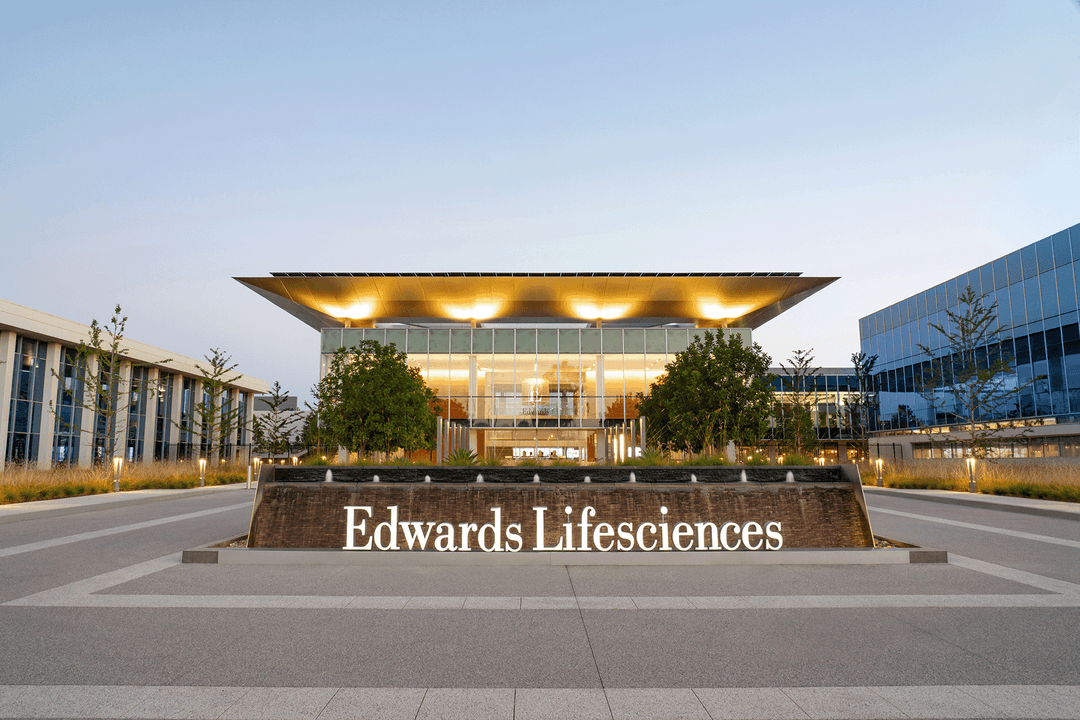
Today, the Utah Governor’s Office of Economic Opportunity (GOEO) and the Economic Development Corporation of Utah (EDCUtah) are pleased to announce that Edwards Lifesciences plans to bring 560 new, high-paying jobs and invest nearly $34.8 million in Utah over the next 15 years.
“We’re thrilled to announce that Edwards Lifesciences, a leader in medical technologies, has selected Utah to expand its operations,” said Gov. Cox of Utah. “Utah is home to a robust healthcare sector with renowned hospitals and research institutions, a highly skilled and educated workforce, and a supportive business environment. Edwards Lifesciences is a natural fit in Utah, and we look forward to seeing the medical advancements made possible through this expansion.”
Ryan Starks, executive director of the Utah Governor’s Office of Economic Opportunity, added, “Utah’s life science sector is thriving, boasting the nation’s leading job growth in the industry. The expansion of Edwards Lifesciences within the state will further enhance this trajectory, and we extend our best wishes to its success.”
Edwards Lifesciences is the global leader in patient-focused medical innovations for structural heart disease and critical care monitoring. Driven by a passion for helping patients, the company partners with the world’s leading clinicians and researchers and invests in research and development to transform care for those impacted by structural heart disease or who require hemodynamic monitoring during surgery or in intensive care.
“Edwards has operated in Draper since 2010 and currently employs more than 1,500 people in the area,” said Joe Nuzzolese, Edwards corporate vice president for global supply chain and quality. “Utah’s dynamic and supportive business environment has fueled the facility‘s growth into a critical piece of our global supply chain network and makes it a natural choice for the expansion of our advanced components manufacturing network to enable Edwards to serve more patients around the globe.”
Scott Cuthbertson, president and CEO of EDCUtah, added, “Thanks to companies like Edwards Lifesciences, Utah’s workforce is primed with science and engineering expertise that drives innovation. For many years, Edwards Lifesciences has played a pivotal role in advancing Utah’s life science industry, and we welcome its continued growth in our state.”
“Draper City is excited for the expansion of the Edwards Lifesciences campus in our community,” said David Dobbins, city manager at Draper City. “It has been a pillar of medical innovation while providing high-paying jobs for our residents. This expansion will allow the company to grow in a way that will benefit the lives of many people.”
Erin Farr, vice president of business development, led Project Ticker for EDCUtah.
_____
EDCUtah Investors: If you were involved with this project and would like to have your organization mentioned, please email connect@edcutah.org and we’ll update this article.
For additional information or to schedule an interview, please contact us.
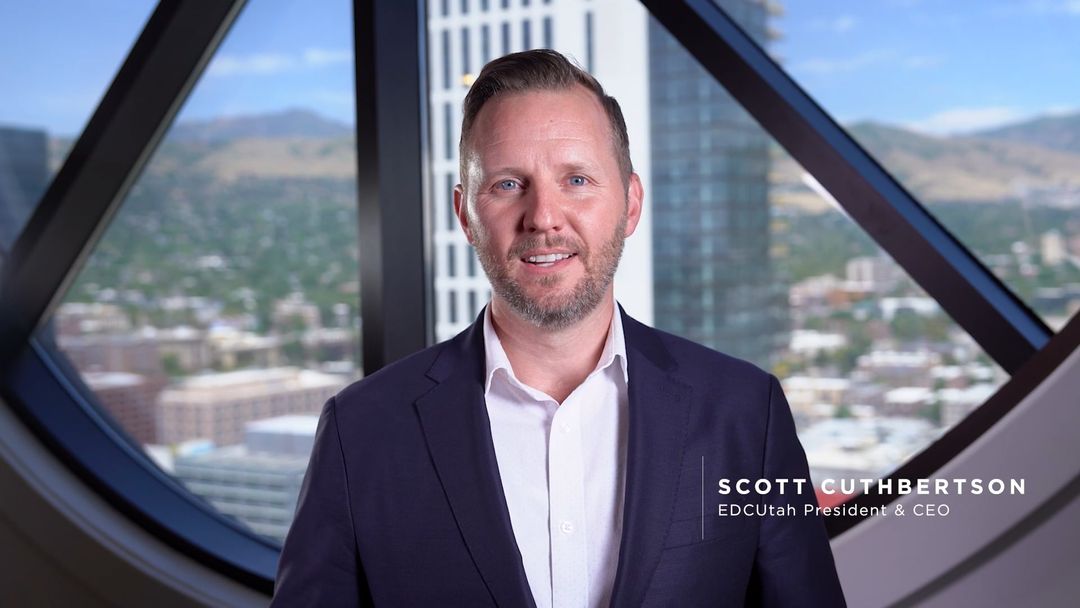
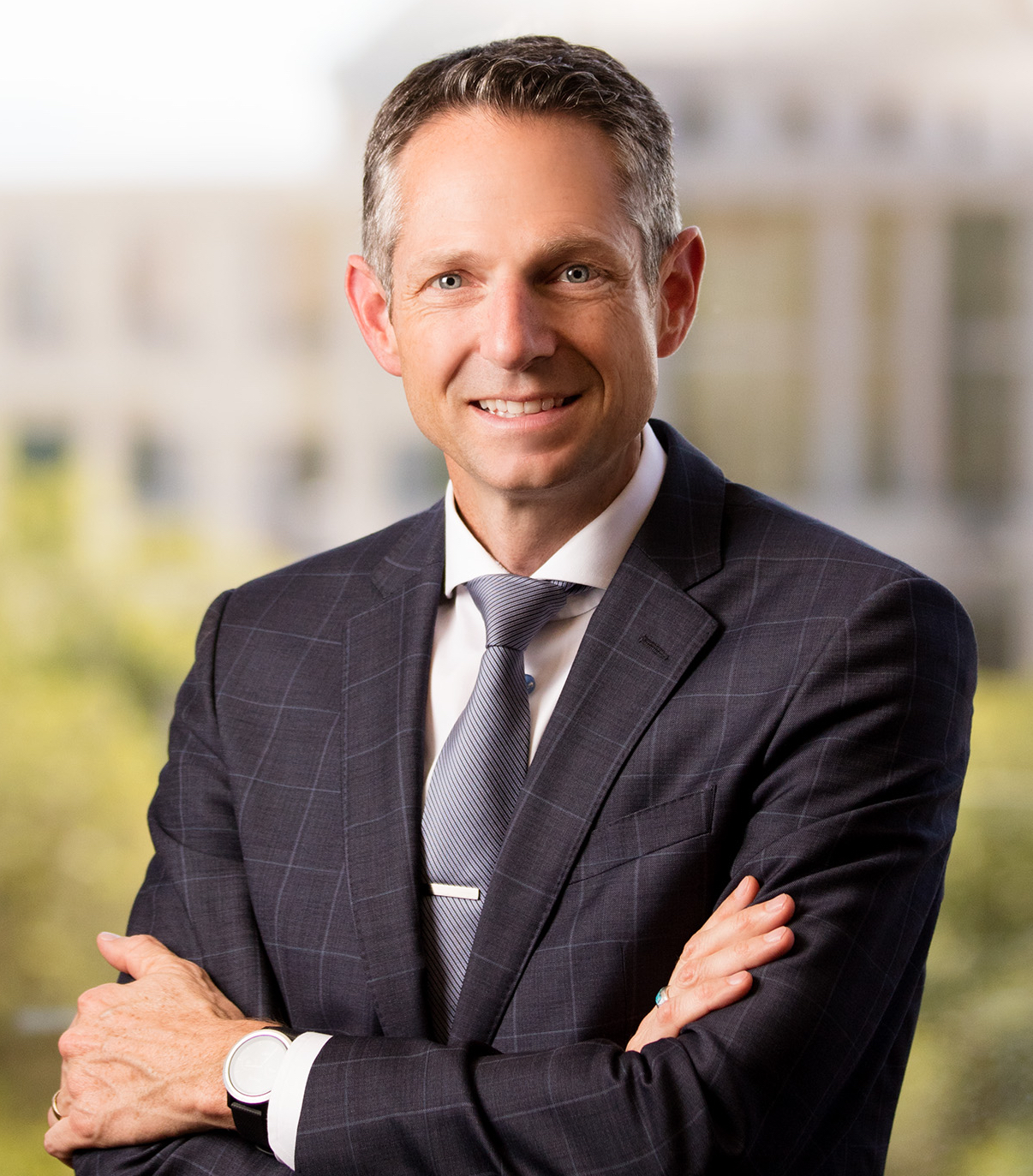
The Salt Lake Chamber is excited to announce that the Economic Development Corporation of Utah (EDCUtah) will be joining the Salt Lake Chamber organization. After careful consideration, the boards of both organizations have agreed to move forward with a framework and process for EDCUtah to join the “family of teams” within the Chamber.
“This change isn’t just about better coordination,” says Derek Miller, president and CEO of the Salt Lake Chamber. “It will increase the collaboration and effectiveness of both our organizations, especially in the areas of statewide economic development strategy, planning and execution.”
This combination will be led by Derek Miller, Salt Lake Chamber president and CEO, and Scott Cuthbertson, EDCUtah president and CEO, with governance by the Chamber Board of Directors and EDCUtah Board of Trustees. Representatives from the EDCUtah Board of Trustees, including those from the public sector, will now be included on the Salt Lake Chamber Board of Directors.
“At EDCUtah, we couldn’t be happier to unite with the Salt Lake Chamber,” says Scott Cuthbertson, president and CEO of EDCUtah. “It’s an incredible opportunity to enhance the brand and mission of EDCUtah, as our organization will both add to and benefit from the Salt Lake Chamber’s large, statewide business base and community support.”
Moving forward, Cuthbertson will continue to oversee EDCUtah’s organization and staff as EDCUtah President. He will also be a director on the executive team of the Salt Lake Chamber and will report to the Chamber president and CEO.
EDCUtah will maintain its name and brand and continue to perform as Utah’s premier statewide economic development organization. They remain Utah’s primary point of contact for site selectors and corporate decision-makers. EDCUtah will continue to offer quality business expansion and relocation services, best-in-class economic research and data, and partnerships with public and private sector organizations across Utah.
“We look forward to becoming stronger together, leveraging our combined statewide mission, resources, capabilities and expertise,” Miller said. “This unified and powerful approach to economic development will improve outcomes and increase Utah’s prosperity.”
_____
For additional information or to schedule an interview, please contact us.