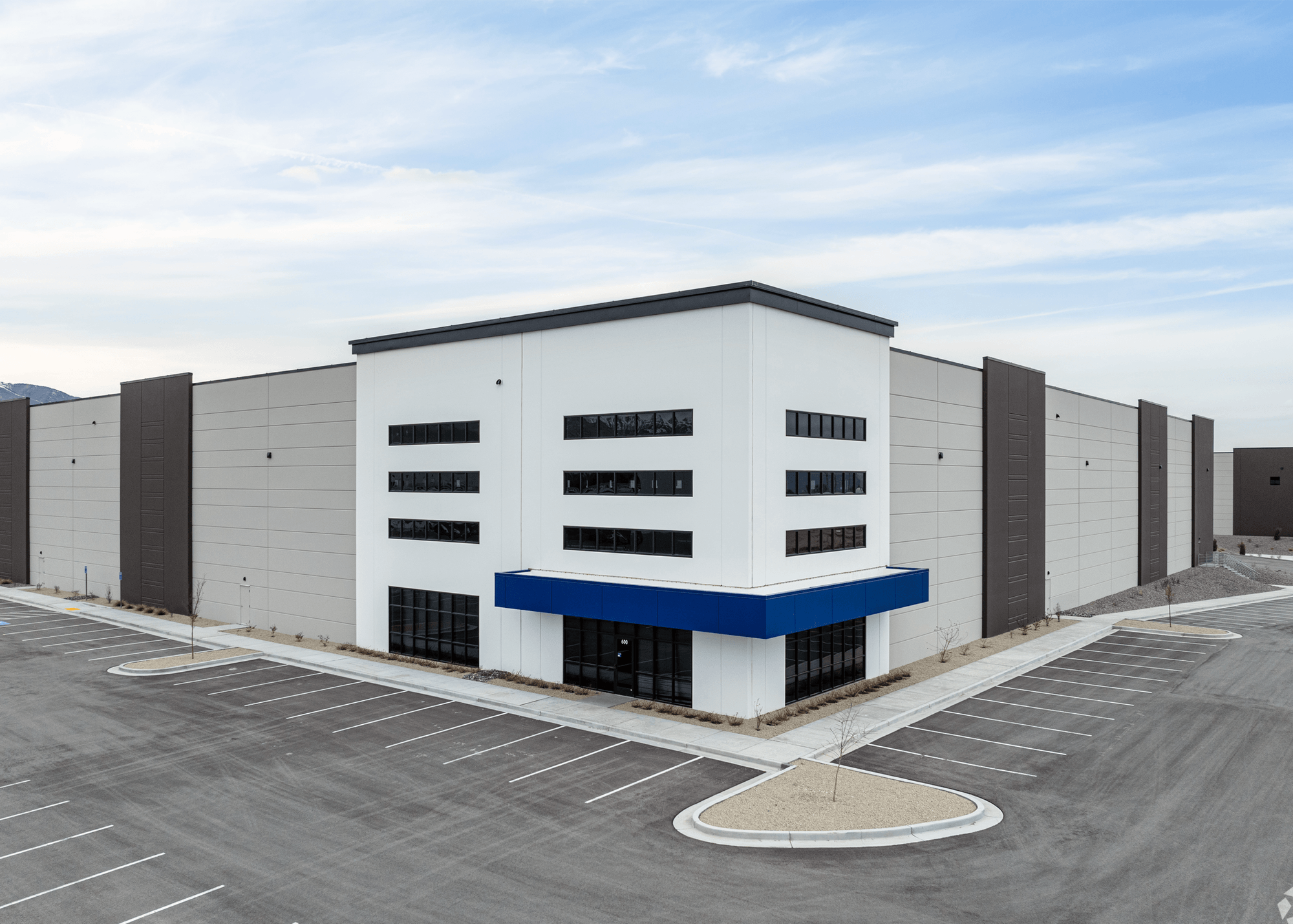
Coast Expands to Salt Lake County, Utah

100 jobs
Project Lighthouse
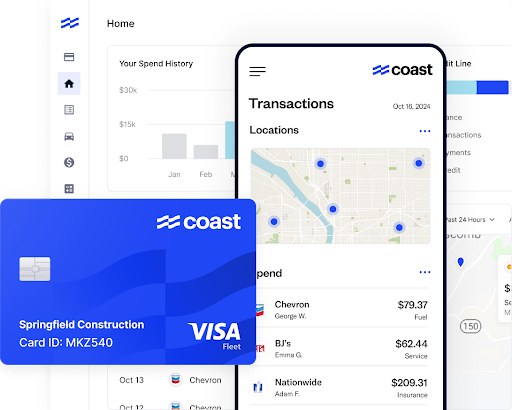
Congratulations to Salt Lake County and Draper City! CoastPay (Coast), which offers a simple and smart way for U.S. companies to manage fuel and fleet spending, is executing plans to bring approximately 100 new high-paying jobs to Utah over the next 20 years.
The company’s announcement resulted from collaboration among Kellie Challburg and Troy Walker of Draper City, EDCUtah, Governor’s Office of Economic Opportunity, Brock Adams with Weber State, Kristy Merrill with CCG, and Josh Smith with Colliers.
“Draper City is eager to welcome Coast to our community,” said City Manager Mike Barker. “The proposed office space is in a great location – close to housing opportunities for all income ranges, quality restaurants and retail, and a transportation system that provides easy access to Salt Lake and Utah County. We believe Coast will be a great addition to Draper, and their business model will fit in nicely with other thriving Draper businesses.”
EDCUtah first connected with the company during a corporate recruitment trip to New York City, where we initiated conversations about expanding their financial services operations to Utah. The Beehive State quickly emerged as a compelling location for growth. EDCUtah stayed in touch with Coast, sharing information and facilitating strategic introductions to support Coast’s evaluation process. This includes connecting the company with the Governor’s Office of Economic Opportunity (GOEO) for potential incentives, CCG for interior design and office furniture services, and Weber State University to better understand Utah’s labor force and available training programs for customer service and sales personnel.
“Coast’s decision to expand into Utah speaks volumes about the strength and momentum of our tech and fintech sectors,” said Scott Cuthbertson, president of EDCUtah. “Their expansion from New York highlights Utah’s strong business climate and deep talent pool, and we look forward to the impact Coast will have on our economy and innovation landscape.”
Coast reimagines fleet payments, enabled by mobile technology and state-of-the-art vehicle data and telematics. Thousands of businesses are now using Coast, some with just a handful of fleet cars and others with more than 1,000 cars. Surveyed customers saved an average of 9-10% on fuel bills and 16 hours of monthly administrative work when switching to Coast from another fuel card or payment method.
“We were pleased to have support from EDCUtah and the Utah Governor’s Office of Economic Opportunity on this site selection decision,” said Coast VP Operations Stephen Rosen. “Our expansion into Utah will help us accelerate our business and continue to drive both monetary and time savings to Coast customers.”
The Utah Governor’s Office of Economic Opportunity (GOEO) – an EDCUtah founding investor – assisted the project by approving Coast for EconomicDevelopment Tax Increment Financing (EDTIF).
“Utah is proud to support businesses that drive innovative solutions shaping our state’s future,” said Ryan Starks, GOEO executive director. “By simplifying fleet management and associated expenses, businesses can focus on what truly matters—growing their operations. Streamlining these processes not only saves time and reduces costs but also fosters economic growth in Utah by empowering businesses to reinvest in their communities.”
Rex Buys, business development manager, led Project Lighthouse for EDCUtah.
_____
EDCUtah Investors: If you were involved with this project and would like to have your organization mentioned, please email connect@edcutah.org and we’ll update this article.
For additional information or to schedule an interview, please contact us.

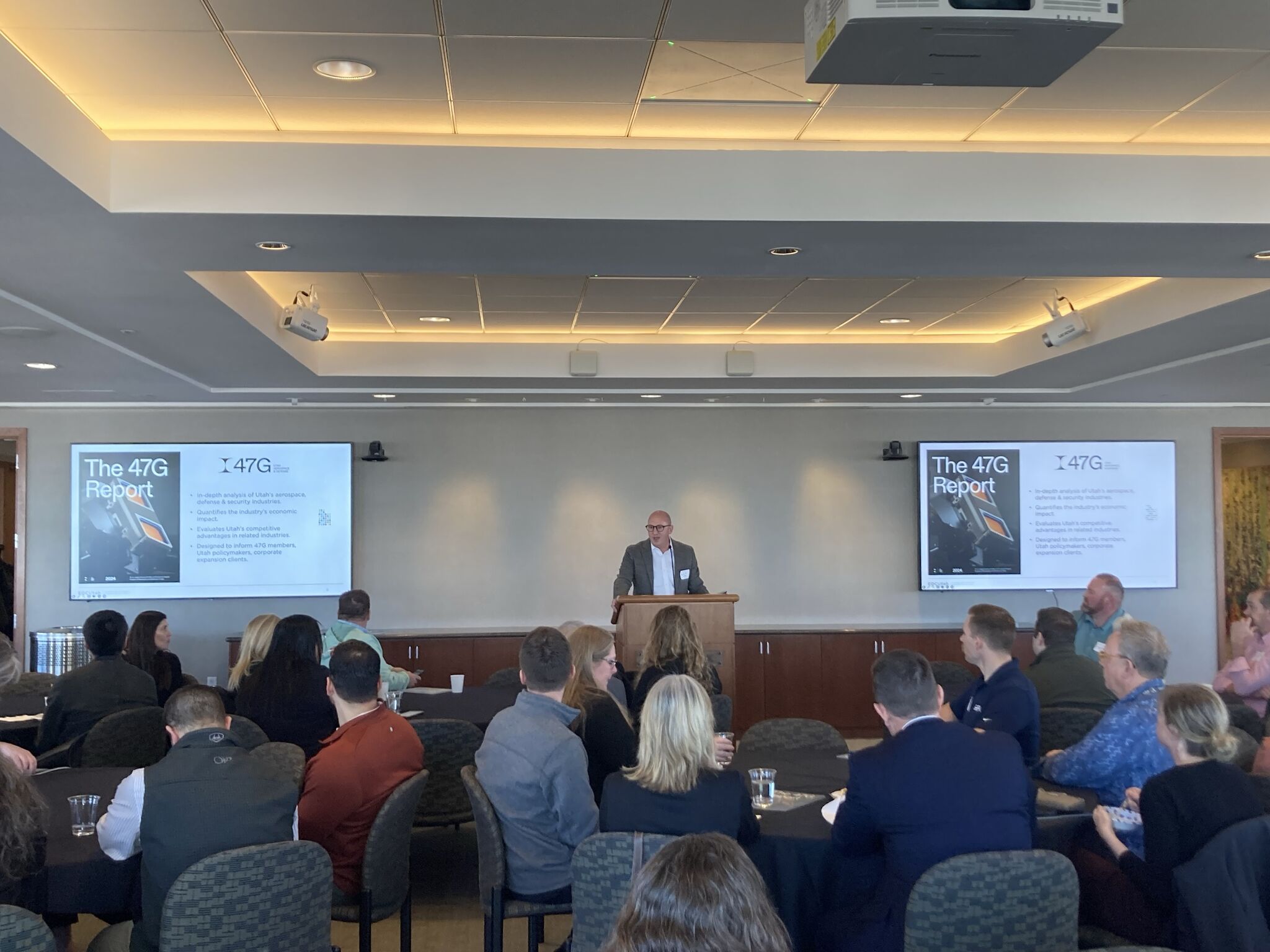
At the most recent Business Development breakfast for EDCUtah investors, the Business Development (BD) team celebrated a surge in Utah project wins.
Previously, in September, we closed the first quarter of the fiscal year with two project wins. While this was fewer wins than the same period last year, it was also expected – we’ve found that companies often delay or pause their final site selection decisions in election years.
But wins picked up again, with 10 companies announcing plans to expand in or relocate to Utah between October 2024 and February 2025. As a result of these wins, EDCUtah exceeded our capital expenditure forecast for the year and landed well ahead of our forecast for square footage absorption.
January 2025 was our busiest month for project wins, with four companies announcing their site selection decisions. For context, EDCUtah has only closed this many monthly wins four times in the last three years.
Securing these site selection decisions for Utah always requires the hard work and contributions of many partners across the state. EDCUtah’s public and private investors bring invaluable expertise, resources, and connections that help companies envision themselves in Utah. As John Merlini of JSL Partners said, “You make the process seamless and present great contacts … [this] played a significant role in JSL choosing Salt Lake City over Phoenix.”
Here are a few of the project wins we discussed at the BD Breakfast:
EDCUtah was pleased to host representatives from Nucor at the BD Breakfast, where they were able to connect with EDCUtah investors. In January, Nucor announced plans to expand in Brigham City, a decision that was nearly four years in the making. EDCUtah supported the project by coordinating requests for information (RFIs) in 2022 and 2023; facilitating connections with Brigham City, UIPA, and D.A. Davidson; as well as organizing a site visit to advance the initiative. Their final decision was the result of collaboration among Brigham City, EDCUtah, Utah Inland Port Authority (UIPA), and the Utah Governor’s Office of Economic Opportunity (GOEO).
“This new facility marks a significant milestone for Nucor Towers & Structures as we scale up our operations to meet the growing demand for utility infrastructure in western states. Utah’s robust infrastructure and skilled workforce make it the ideal location for this investment,” said Laurent De Mey, vice president and general manager of Nucor Towers & Structures. “We are proud to deepen our roots in Brigham City and appreciate the partnership with local leaders.”
Representatives from OxEon Energy also joined EDCUtah staff and investors at the BD Breakfast. In January, the company announced plans to expand its existing Davis County operations with 103 new high-paying jobs and an estimated investment of $99 million over the next six years.
The company’s announcement came as the result of collaboration among EDCUtah, the Northern Utah Economic Alliance (NUEA), Davis County, and the Utah Governor’s Office of Economic Opportunity (GOEO).
EDCUtah supported OxEon by facilitating strategic networking opportunities and providing guidance throughout the tax incentive process. While OxEon worked with GOEO on the state incentives application, EDCUtah provided support and resources to help advance the company’s goals. EDCUtah will continue supporting OxEon in future development phases.
Jessica Elwell, chief operating officer at OxEon Energy, said about the company’s decision to grow in Davis County, Utah:
“Utah offers a unique combination of skilled professionals, a supportive business environment, and access to critical infrastructure, making it the perfect place to scale our efforts. […] We are excited to continue contributing to the state’s growth while driving progress in clean energy technologies.”
Nucor plans create 200 new, high-paying jobs in Brigham City and invest $200 million in Utah over the coming years, reinforcing its role in advancing the steel industry.
Also in January, Bridor selected Salt Lake City for a new food manufacturing facility that will add 400 new jobs and $277 million in capital expenditure over the next 13 years. EDCUtah collaborated with Bridor and a site selection consultant to issue an RFI, connecting the company with available sites and communities. The project received support from EDCUtah investors including JLL, Enbridge, and Salt Lake City.
The company issued the following statement about its decision to locate in Salt Lake City: “Utah’s connectivity to major transportation routes, top-notch labor market, and proximity to diverse and rich agricultural products quickly elevated Utah to the top of our five-state regional review. The strong local support of our project helped Bridor visualize the roadmap for establishing operations here.”
After working with EDCUtah, AeroVironment (AV) announced plans in February to expand its Utah presence by creating 500 new, high-paying jobs in Salt Lake City and investing $42 million over the next five years.
Site selectors at CBRE reached out to EDCUtah at the onset of the project to pull together the right partners for successful deployment. EDCUtah assisted AV in navigating state incentive programs and coordinated a site visit, connecting the company with potential communities and key partners.
“The workforce and economic environment in Salt Lake City and the State of Utah was a great fit for this project,” said Sydney August, director of CBRE, who represented AV in the site selection process. “The ease of doing business here, combined with the strong community support, makes Utah an ideal location for the expansion.”
Hypercraft is the most recent electric vehicle (EV) company to announce an expansion in Utah, with plans to create approximately 183 new high-paying jobs and invest $39 million in Utah over the next seven years.
The company’s decision to expand in Utah was facilitated by EDCUtah and the Governor’s Office of Economic Opportunity (GOEO). EDCUtah assisted Hypercraft in navigating state incentive processes and in coordinating with communities across Utah’s Wasatch Front region. GOEO approved Hypercraft for Economic Development
Tax Increment Financing (EDTIF). EDCUtah will continue to help Hypercraft with incentives from other agencies and by connecting them with our network of private and public sector partners.
Utah continues to advance its leadership in innovative aerospace solutions. In December, CleanJoule announced plans to bring approximately 100 new technically-oriented jobs to Salt Lake City and invest $150 million in Utah over the next ten years.
EDCUtah supported the project by coordinating requests for information on behalf of the company and facilitating connections between CleanJoule and local brokers, including Newmark. Jeff Rossi of Newmark assisted the company in finding its location.
“Utah has an incredible talent pool and excellent leadership at the city and state levels, and Utah’s business-friendly legislature has been instrumental in allowing us to attract outside capital and drive growth,” said Mukund Karanjikar, CEO and founder of CleanJoule. “We see immense potential in the Salt Lake City community and are excited to be part of an ecosystem that values forward-thinking approaches and cultivates an environment where businesses and individuals alike can thrive.”
In October, Fervo broke ground on an enhanced geothermal energy production project in Beaver County. Cape Station is slated to produce 400 megawatts of power in the first two phases of the project, and Phase I will begin delivering around-the-clock power to the grid in 2026. Fervo Energy is a potential partner to future companies as they begin generating power, which can be used to attract new development to Beaver County.
“We are so lucky to be building our first greenfield project in Beaver County, Utah,” said Sarah Jewett, vice president of strategy for Fervo Energy. “The community has been hugely welcoming and collaborative and has been an essential partner in the progress we’ve made to date.”
EDCUtah was connected to Fervo Energy by Beaver County and the Governor’s Office of Economic Opportunity. EDCUtah assisted Fervo in exploring available incentive programs in Utah and introduced the company to the Utah Office of Energy Development and the Utah Inland Port Authority. Fervo Energy is a potential partner to future companies as they begin generating power, which can be used to attract new development to Beaver County. Together, EDCUtah, Beaver County, and Fervo Energy will work to attract other companies that will benefit the community.
While we were pleased to see the surge in project wins, we’re keeping a close eye on corporate expansion activity for the rest of the year. The uncertainty of international trade policies and other macroeconomic trends may have a dampening effect on corporate investments—but we don’t yet know how these impacts will play out in the Utah market.
_____
“Building Together” highlights examples of the collective impact of your investment and EDCUtah’s work in communities across the state. Do you have a story you’d like us to share? Email connect@edcutah.org.
For additional information or to schedule an interview, please contact us.


Each month, EDCUtah’s Research Minute highlights interesting economic development data and timely research insights. This month, we review rent affordability in the U.S. and how Utah compares.
Housing affordability in Utah has been a hot topic for both residents and businesses across the state. According to three different sources — Zillow, Redfin, and CoStar — residential renting became more affordable for Utahns in 2024, while becoming generally less affordable in the United States. While the cost of purchasing a home in Utah continues to rise, there is room for optimism now that rent prices have stabilized and even decreased, making the market more affordable for Utah’s renters.
Zillow and Redfin, two online real estate market and brokerage services, frequently publish reports on trends that their internal data shows in the housing market. Similarly, CoStar tracks real estate data and EDCUtah uses that data to see how these trends impact our state. Each publishes data on rent prices but they reported different changes in rent based on their data on both the national and local scale. Redfin and Zillow only use major metro areas in their analysis, so they were only able to report on the Salt Lake metro. CoStar has data on Utah’s other metro areas that show similar trends to the Salt Lake metro. This report will focus on the Salt Lake metro because of the two reports recently released by Redfin and Zillow.
Zillow, Costar, and Redfin reported rent increases of 3.5%, 1.1%, and 0.1% respectively across the nation in 2024. This variance in values is expected since each source is pulling from a different sample of real estate throughout the country. Although there is disagreement in the exact rate of rent growth across the country, there is agreement that prices are still rising and may be stabilizing from the extreme growth in prices that peaked in 2022.
Meanwhile, Zillow was the only source that saw an increase in the price of rent in the Salt Lake City metro, with only a 0.3% increase in prices, while Redfin and CoStar reported that the metro decreased rent prices by 6.5% and 1.1% respectively. Zillow ranked the Salt Lake City metro as the third most affordable metro for renters in the United States, and Redfin ranked Salt Lake City as the fourth most affordable metro in the nation.
Wages have generally increased nationwide, and Redfin’s report looked into this wage growth to better understand affordability. Using Census Bureau data, they estimated that the median income for American renters increased by 5.3% in 2024. They found this increase in median wages was greater than the increase in rent prices, thus making rent more affordable nationwide. Still, the median renter in the United States is allocating 34.9% of their income to housing expenses. For the Salt Lake City metro, Redfin determined that the median renter is allocating roughly 27.5% of their income for housing, while Zillow’s report suggests that Salt Lake City renters are able to allocate an even smaller proportion of their income to housing, at 19.9%.
CoStar suggests that the decrease in rental prices is likely due to the completion of many multifamily housing units in 2024. While this is true, 2024 also saw much fewer multi-family housing units begin construction than had begun in previous years. For Salt Lake City metro to maintain housing affordability while growing in population and opportunity, building additional units will remain important to meet growing demand.
_____
Want more data like this? Explore the benefits of investing with EDCUtah.
For additional information or to schedule an interview, please contact us.

Located in Utah County and just 50 miles south of Salt Lake City International Airport (SLC), Provo Airport (PVU) is Utah’s second busiest airport and one of the fastest growing regional airports in the U.S.
In 2022, Provo City worked with Layton Construction – an EDCUtah Builder’s Circle Investor – to complete a significant expansion of Provo Airport, opening a 70,000 sq. ft. terminal with four gates. Jeff Palmer, executive vice president at Layton Construction said of the project, “We were brought on early in design to manage costs, accelerate the schedule and ultimately construct this exciting project for Provo. Few projects are as rewarding as this airport due to the immense impact it has had on the entire County.”
Now, Provo Airport and Layton Construction are scheduled to begin work to expand the facility to ten gates later this year – a reflection of and a further accelerant to the area’s ongoing industry growth. We caught up with PVU airport director Brian Torgersen to learn more about how the airport supports local residents, Utah businesses, and Provo City’s strategy for the future.
Well, first of all, Provo Airport offers commercial service. We have direct flights to 16 destinations, including San Francisco, Phoenix, Dallas-Fort Worth, Chicago, Washington DC, and Orlando. We like to say that with one connection, you can fly anywhere in the world from Provo.
American Airlines, through its partnership with SkyWest Airlines, is flying 65-passenger planes. Allegiant Air is flying 186-passenger planes, and Breeze is flying 123-passenger planes. Given the length of our runways, 85 percent of the planes that make up the entire U.S. commercial fleet could operate here, so there’s room for expansion in the future for all but the biggest wide-body aircraft.
From a passenger perspective, Provo Airport is also highly convenient and stress-free. Long-term parking is located less than 100 yards from the terminal, making for a short walk to ticketing, security screening, and baggage. All four gates are spacious and accommodating. One frequent business traveler told me that, with carry-on luggage, “seatbelt off to seatbelt on” is just eight minutes. That means when he lands, he’s off the plane and in his car in eight minutes!
In 2021, we had 77, 217 annual passenger enplanements – essentially passenger boardings. Several years ago, a study projected that we would reach 400,000 annual enplanements – or passenger boardings – by 2035. In 2022, we hit 211,741 enplanements. In 2024, we rose to 448,972. That’s a decade ahead of schedule, and the pace at which we’re growing is a driving factor in the plans to expand to ten gates.
There are 3,300 commercial airports in the country. We ranked no. 9 in the U.S. for passenger growth last year. When you look at airports with more than 100,000 annual enplanements, we were no. 2 in rate of growth, second only to Guam International which is still recovering to pre-pandemic passenger numbers. Our 481 percent growth rate since 2021 tops in the nation in pure commercial passenger growth.
Provo City Mayor Michelle Kaufusi speaks of the four “Provo pillars” – the city is Welcoming, Safe and Sound, Economically Vibrant, and Forward-Looking. The airport has a role in each of those pillars. Our space here is clean, well-organized, and secure. Our staff are friendly, and travelers feel welcome and safe here. The airport is a gateway to the world for our business community, so it contributes to economic vibrancy. And our ongoing planning process is certainly forward-looking.
As part of that planning process, we convene a meeting with local businesses several times a year. It’s our focus group to keep tabs on the business market and better serve our business’s travel needs.
We also keep tabs on our overall economic impact. In July 2022, the airport’s operations had direct, indirect, and induced economic benefits to Provo and Utah County of $131 million. That included tax revenues of $2.2 million. In November 2024, those figures rose to $209 million and $2.9 million. Airports like ours are economic drivers. It’s one of the reasons that Utah County has allocated $78 million in funding over the next 15 years to complete future expansion. We want to be, in the mayor’s words, “infrastructure ready” for the 2034 Winter Olympics and beyond.
UVU has two main operations at the airport. The University has a flight school with approximately 120 students in flight training. This is helping fill the pipeline for commercial and general aviation pilots.
The university also administers the Utah Fire Rescue Academy at the airport. It offers a wide range of training classes to firefighters statewide. These are other examples of us being forward-looking and infrastructure ready.
We attend several industry meetings a year, which are essentially speed dates with the airlines. On the business side, we pitch that Provo City is at the heart of Silicon Slopes and ranked 15 out of 403 U.S. metro areas in the Milken Institute’s 2025 Best Performing Cities report. We promote the amount of passenger traffic generated by local businesses, our two local universities, and other huge travel generators like the Missionary Training Center of the Church of Jesus Christ of Latter-day Saints. On the leisure side, we’re a half-hour drive to Sundance Mountain Resort and an hour to Snowbird or Deer Valley’s new East Village. We’re a three-hour drive to Arches, Canyonlands, and Capitol Reef National Parks. And we have a lot of residents who love to travel to Disneyland and Disney World.
The gate expansion will allow us to add carriers and routes. The airlines see the growth in the Provo-Orem Metropolitan Service Area, as well as Juab and Wasatch Counties. They see our potential for international travel. And they know the fees we charge the airlines are lower than those charged at Salt Lake City International Airport.
With that said, we’re not a competitive threat to SLC, nor are we planning to be. We’ll never be that big. We see ourselves as complementary to SLC – similar to the way, say, Long Beach Airport (LGB) complements Los Angeles International Airport (LAX). For a segment of the Utah market, we can be a convenient alternative to SLC.
Total acreage: 869
Two runways: 8,603-ft and 6,628-ft
Commercial carriers: Allegiant Air, American Airlines, Breeze
Gates: Four terminal-based gates and one temporary tarmac-based gate
Parking spaces and rates: 2,000 spaces, $12 per day
Car rental companies: Budget, Hertz, A to B
Utah Transit Authority bus service: Bus Route 833 hourly starting at 7:42 am until 6:44 pm
Direct destinations:
Website: https://airport.provo.gov/
_____
“Building Together” highlights examples of the collective impact of your investment and EDCUtah’s work in communities across the state.
For additional information or to schedule an interview, please contact us.


Approximately 500 jobs
$42.3 million capex
Project Bold Horizon
Congratulations to West Valley City and Salt Lake County! AeroVironment (AV) – a leader in autonomous and intelligent multi-domain systems, – announced plans to bring approximately 500 new high-tech jobs to West Valley City and invest $42.3 million in Utah over the next 5 years.
EDCUtah became involved with AV’s expansion project through strong relationships with site selectors, helping bring the company to Utah. We assisted AV in navigating state incentive programs and coordinated a site visit, connecting the company with potential communities and key partners.
“We’re thrilled to welcome AV to West Valley City,” said Scott Cuthbertson, president of EDCUtah. “As a leading defense tech company, AV’s expansion will not only bring high-quality jobs to the region but will also further solidify West Valley City’s position as a premier hub for cutting-edge industries. We look forward to the long-term contributions they will make to our economy and community.”
The company’s final decision came as the result of collaboration among EDCUtah, Governor’s Office of Economic Opportunity (GOEO), CBRE (San Diego and Salt Lake Office), West Valley City, and Salt Lake County.
“The workforce and economic environment in West Valley City and the State of Utah was a great fit for this project,” said Sydney August, director of CBRE, who represented AV in the site selection process. “The ease of doing business here, combined with the strong community support, makes Utah an ideal location for the expansion.”
Serving defense, government, and commercial customers, AV delivers cutting-edge technology solutions at the intersection of robotics, sensors, artificial intelligence, software analytics, and connectivity. Guided by a mission to secure lives through transformative innovation, the company has established itself as a leader in uncrewed aircraft systems, loitering munition systems, uncrewed ground vehicles, and high-altitude pseudo-satellites. With a steadfast commitment to advancing safety, operational resilience, and sustainability, AV empowers its customers with advanced solutions to meet today’s most critical challenges.
“AV’s autonomous precision-strike systems have revolutionized modern warfare, providing warfighters with the ability to neutralize high-value threats with unprecedented accuracy while minimizing risk to friendly forces,” said Wahid Nawabi, AV chairman, president, and chief executive officer. “This facility represents a critical step in our mission to expand manufacturing capacity, ensuring our forces have the technological superiority needed to deter and, if necessary, decisively defeat adversaries.”
The Utah Governor’s Office of Economic Opportunity (GOEO) – an EDCUtah founding investor – assisted the project by approving AeroVironment for Economic Development Tax Increment Financing (EDTIF).
“Utah is the ideal hub for advancing aerospace and defense technologies that are vital to national security and economic growth,” said Ryan Starks, executive director of the Governor’s Office of Economic Opportunity. “Strategic investments like this create jobs, accelerate innovation, and reinforce Utah’s leadership in aerospace and defense. Supporting companies like AV strengthens our state’s economy while driving cutting-edge advancements in the industry.”
Jared Stewart, senior business development manager, led Project Bold Horizon for EDCUtah.
_____
EDCUtah Investors: If you were involved with this project and would like to have your organization mentioned, please email connect@edcutah.org and we’ll update this article.
For additional information or to schedule an interview, please contact us.

100 jobs
$35.9 million capex
Project Vaulted
Congratulations to Tooele County and Grantsville City! UFP Industries, a Fortune 500 company and a leading provider of building materials and packaging solutions, announced plans to bring approximately 100 new technically-oriented jobs to Tooele County and invest $35.9 million in Utah over the coming years.
“We are excited to welcome UFP Industries to Tooele County,” said Tooele County Council Chairman Jared Hamner. “This investment brings quality jobs and strengthens our local economy while helping builders meet housing demands.”
The company’s announcement resulted from collaboration among Grantsville City, Tooele County, EDCUtah, Romney Group, Colliers, and Governor’s Office of Economic Opportunity. EDCUtah supported the company’s decision to expand in Utah by issuing a request for site information (RFI), introducing them to local communities, and coordinating a Utah site visit. Additionally, EDCUtah guided the company through the state tax incentive process and connected them to other resources to support their growth in Utah.
“We are pleased to welcome UFP to Utah where they will find a surging construction market ready to benefit from their products,” said Scott Cuthbertson, president of EDCUtah. “UFP’s industry expertise will address supply shortages and support home builders across the Beehive state and their investment in Tooele County will create new jobs and accelerate economic growth in the region.”
UFP Site Built is a national leader in designing and manufacturing value-added wood and non-wood structural components for the construction industry, such as prefabricated wood trusses and wall panels. As a subsidiary of UFP Industries, a global enterprise founded in 1955 and publicly traded since 1993, the company serves the retail, packaging, and construction markets. Committed to exceptional customer service, UFP invests in people and technology to deliver world-class products that drive success. The company’s expansion will help meet the rising demand for housing and commercial development as Utah experiences record population growth.
“Utah’s booming population requires innovative solutions to keep housing both available and affordable,” said Mike Ellerbrook, executive vice president of UFP Site Built. “With this investment, we are strengthening our ability to provide high-quality structural components that support the construction of single-family homes, multifamily housing, and commercial developments across the state. We are proud to grow our footprint in Utah and create new opportunities for the local workforce.”
The Utah Governor’s Office of Economic Opportunity (GOEO) – an EDCUtah founding investor – assisted the project by approving UFP Industries for Economic Development Tax Increment Financing (EDTIF).
“Access to high-quality building materials is essential for creating more affordable and reliable housing for Utahns,” said Ryan Starks, executive director of the Governor’s Office of Economic Opportunity. “This expansion supports our state’s economic priorities by strengthening the supply chain, creating quality jobs, and investing in rural communities. We welcome industry leaders like UFP who help drive smart growth and keep Utah a great place to live and work.”
Jared Stewart, senior business development manager, led Project Vaulted for EDCUtah. Thane Smith with Romney Group, Tom Freeman with Colliers, Mayor Critchlow with Grantsville City, and representatives of Tooele County were all involved in the UFP Industries project, helping to facilitate its success in the region.
_____
EDCUtah Investors: If you were involved with this project and would like to have your organization mentioned, please email connect@edcutah.org and we’ll update this article.
For additional information or to schedule an interview, please contact us.

10 jobs
15,000 sq. ft.
Project Round Table
Congratulations to Salt Lake City! JSL Partners, a growing, innovative company dedicated to providing affordable, high-quality solutions to consumers of personal hygienic products, announced plans to bring approximately 10 new jobs to Salt Lake City.
“We are proud to support JSL Partners and their innovative approach to personal hygienic products,” said Lorena Riffo Jenson, director of Salt Lake City’s Department of Economic Development. “Their focus on affordability and sustainability aligns with the values of our Salt Lake community. We’re excited to welcome them and see their contributions to our local economy.”
EDCUtah supported the company by facilitating their RFI process and connecting them with brokers representing the sites they shortlisted. EDCUtah organized two site visits, where we introduced the company to a network of EDCUtah partners, including brokers, law firms, housing providers, talent recruiters, and the Utah Inland Port Authority (UIPA). Each partner shared valuable insights on doing business in Salt Lake City and provided guidance on how to successfully establish operations in the region.
“We’re excited to have JSL Partners choose Salt Lake City for their next phase of growth,” said Scott Cuthbertson, president of EDCUtah. “Utah’s talented workforce and exceptional quality of life are key assets that continue to drive economic growth, and we’re proud to support projects of all sizes as they consider new locations. JSL Partners’ decision to expand here is a testament to the ongoing strength of our local economy and the welcoming business environment. ”
JSL Partners is a leading provider of affordable, high-quality personal hygiene products, specializing in consumer essentials like diapers, training pants, and adult hygiene items. With a focus on both cost-effective solutions and product quality, JSL Partners delivers reliable, accessible hygiene products for individuals and families. Their innovative offerings, including their Dandy and Bunnyhugs brands, are designed to meet the needs of a broad range of consumers while competing with larger market players. JSL Partners is committed to maintaining high standards of care and sustainability across their product lines, contributing to the hygiene industry’s advancement while ensuring that personal hygiene remains accessible to all.
“In searching for our West Coast distribution facility, we considered Phoenix, Las Vegas, Reno, and Salt Lake City,” said John Merlini, president of JSL Partners. “After analysis, we determined Salt Lake City provided the optimal distribution location, combined with both a high-quality labor force and high quality of life.”
Rex Buys, business development manager, led Project Roundtable for EDCUtah. The company’s decision resulted from the collaboration of Salt Lake City Economic Development, EDCUtah, Tina Hazlett and Kimberly Hitchcock of Spectrum Recruiting Solutions, Kelsie Akiyama and Ben Richardson of Newmark, Kathleen Weron with Ogletree Deakins, Brianna Mallory Hunt with Berkshire Hathaway Home Services, and Stephen Smith of Utah Inland Port Authority.
_____
EDCUtah Investors: If you were involved with this project and would like to have your organization mentioned, please email connect@edcutah.org and we’ll update this article.
For additional information or to schedule an interview, please contact us.

Each month, EDCUtah’s Research Minute highlights compelling economic development data and timely research insights. This month, we highlight the recently published Utah Innovation Ecosystem Report.
Utah’s broad innovation ecosystem ranks high among U.S. states across various measures, according to a new study produced jointly by EDCUtah and the Kem C. Gardner Policy Institute. The study, titled Utah Innovation Ecosystems, highlights the state’s top-ranking performance in innovation capacity and outcomes, driven by a combination of strategic strengths and industry-aligned ecosystems.
The report was commissioned by Utah Governor’s Office of Economic Opportunity and the Utah Policy Innovation Lab to examine the characteristics that contribute to the Utah’s success in innovation and identify gaps or opportunities for improvement. The results of the study offer insights that can help inform Utah’s entrepreneurs, investors, educators, and policymakers.
Here are a few takeaways from the report.
The report found that Utah ranks first in the nation on the Innovation Intelligence Index developed by the Indiana Business Research Center. This index evaluates critical attributes of innovation, including human capital and knowledge creation, business dynamics, business profile, employment and productivity, and economic well-being. Utah’s consistent performance across all these categories, ranking sixth or better in each, cements its status as a hub for innovation and economic growth.

An innovation ecosystem is the dynamic set of actors, activities, artifacts, institutions, and relationships that influence and are essential for the innovative performance of an individual or group. This includes not only direct relationships, but also complementary and substitute relationships, forming a complex and evolving environment for innovation.
Utah’s success is driven by five distinct, industry-aligned ecosystems:
These ecosystems represent varying levels of maturity but collectively contribute to the state’s competitive innovation landscape.

Utah’s potential innovation strengths and opportunities for growth were identified by conducting in-depth interviews with industry experts throughout the state as well as other qualitative analyses. Utah’s core strengths include the role of higher education in cultivating a skilled workforce, a strong culture of entrepreneurship, and the existence of social infrastructure that encourages collaboration among key stakeholders.
The report also outlines areas where Utah could further enhance its innovation ecosystems. Opportunities for growth include the further development of physical infrastructure, particularly research facilities, incubation spaces, and innovation hubs. Additionally, continuing to attract venture capital and other funding sources remains critical, especially in sectors like aeronautics, energy production, and health care.
By addressing these potential gaps, Utah has the opportunity to not only sustain but also accelerate its trajectory as a leader in innovation. The state’s strategic focus on infrastructure, funding, and collaboration will be crucial in ensuring long-term economic growth and continued success in fostering innovation and maintaining Utah’s status as one of the best states in the nation for innovation and economic growth.
_____
For more data like this, email us at connect@edcutah.org or explore the benefits of investing with EDCUtah.
For additional information or to schedule an interview, please contact us.

400 jobs
$277 million capex
Project Brittany
Congratulations to Salt Lake City! Bridor, a leading manufacturer of high-quality breads and pastries, announced plans to bring approximately 400 new jobs to Salt Lake City and invest $277 million in Utah over the next 13 years.
“We are thrilled that Bridor has chosen Salt Lake City for its newest facility,” said Lorena Riffo Jenson, director of Salt Lake City’s Department of Economic Development. “This investment underscores our city’s reputation as a place with a growing job market and a great place for internationally minded businesses to establish roots. We look forward to the addition of 400 jobs to our growing food manufacturing cluster in Salt Lake City.”
EDCUtah collaborated with Bridor and a site selector to issue a request for information (RFI), connecting the company with sites and communities. Dennis Group supported Bridor’s site selection process. In addition to Salt Lake City, the project received support from EDCUtah partners JLL and Enbridge.
“We are pleased to welcome Bridor to Utah, where an increasing number of food manufacturers are choosing to grow and thrive,” said Scott Cuthbertson, president and CEO of EDCUtah. “Bridor will play an important role in bolstering Utah’s food security, and their decision to expand in Utah was made possible by the collaboration of many important partners.”
Bridor issued the following statement about its decision to locate in Utah:
“Our existing North American manufacturing base is currently centralized on the East Coast, and this westward expansion was a strategy long in the making. Utah’s connectivity to major transportation routes, top-notch labor market, and proximity to diverse and rich agricultural products quickly elevated Utah to the top of our five-state regional review. The strong local support of our project from early on helped Bridor visualize the roadmap for establishing operations here.”
Since 1984, Bridor has created and manufactured high-quality European bakery products adapted to the North American market. Its expertise and state-of-the-art technology has helped Bridor become a North American leader in manufacturing high-quality and innovative breads and pastries. Bridor North America has four plants: two in Québec, Canada, and two in the eastern United Statest. It employs approximately 1,200 people and is part of the global Groupe Le Duff. Groupe Le Duff has over 30,000 employees across 100 countries and 10 production facilities.
Jared Stewart, senior business development manager, led Project Brittany for EDCUtah.
_____
EDCUtah Investors: If you were involved with this project and would like to have your organization mentioned, please email connect@edcutah.org and we’ll update this article.
For additional information or to schedule an interview, please contact us.


Have you heard about EDCUtah’s new community investor program? The new model, launched at the end of 2024, allows EDCUtah to deliver tailored services to EDCUtah community investors and meet them where they are in their economic journey—ensuring that each Utah community receives enhanced support based on its unique economic development goals.
EDCUtah is Utah’s only statewide economic development organization with a public-private partnership model. Our mission is supported by investments from Utah cities, counties, and state agencies, as well as private sector companies. Greg Bisping, EDCUtah vice president of investor relations, spent his first year at EDCUtah meeting regularly with Utah communities to gather feedback on our public sector investor program. Utah community leaders shared their ideas, goals, and concerns – and we listened.
Utah communities may now choose from five tiers of investment. Each tier offers varying levels of service in key areas like business development, research, marketing, grants, retail promotion, and events. We are committed to pricing our services so that every Utah community—no matter how large or small—can invest in EDCUtah. Download this PDF for a breakdown of each investment level.
As part of the new program, EDCUtah partnered with NextSite to offer AlphaMap at preferential pricing to EDCUtah community investors. We know that the retail industry plays an important role in local sales tax revenue, quality of life, and workforce diversification. But for many city and county officials, finding the right data to support retail recruitment efforts can be time-consuming and expensive.
With AlphaMap, Utah communities gain access to a comprehensive suite of tools and services that are designed to unlock valuable insights and inform decision-making. From identifying target markets and analyzing consumer behavior to optimizing land use and infrastructure planning, AlphaMap empowers communities to strategically plan and execute their development initiatives.
Jen Wakeland, strategic development director for Beaver County, is already seeing results after implementing AlphaMap.
“AlphaMap is a fantastic tool that allows me to recruit new businesses, report out to my elected officials and other governing bodies, and gain a better understanding of the business activity occurring in my county, cities, and towns,” said Wakeland. “Before AlphaMap, this information was purely anecdotal. Now we can provide demographic information, annual spend, and trade area radius to potential business owners, entrepreneurs, and community members.”
In 2024, EDCUtah conducted a comprehensive analysis of grant utilization across communities and discovered that many faced similar challenges and opportunities. One of the top community priorities was gaining access to a wider range of grant opportunities. Grants can provide a valuable source of funding for a community’s priority projects—but finding the right grant opportunity is half the battle.
Another valuable offering in the new program is access to Instrumentl, a leading database platform for discovering and managing grants. EDCUtah community investors can use Instrumentl’s comprehensive grant database to discover new funding opportunities tailored to their specific community’s needs. Instrumentl provides data-driven recommendations to help an organization maximize their chances of securing funding. EDCUtah will also offer curated tools and templates to help communities streamline their grant application process.
The tier-based program allows communities to choose investment levels that fit their specific goals and budget. Some key highlights include:
_____
Interested in investing in EDCUtah? Email Greg Bisping at gbisping@edcutah.org to discuss specific offerings, schedule a meeting, or get started with the new model.
For additional information or to schedule an interview, please contact us.