Electroflow and TMRCo Expand in Tooele City, Utah
10 jobs
$5 million capex
Project Seven Up
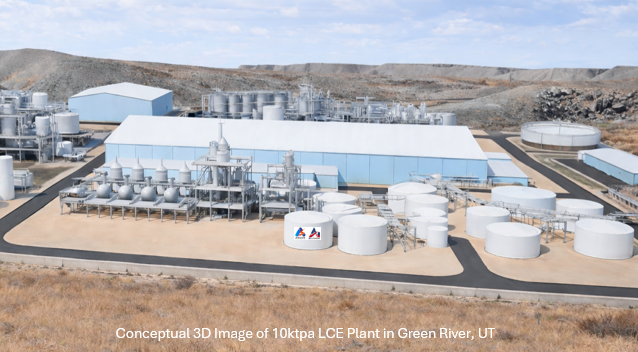
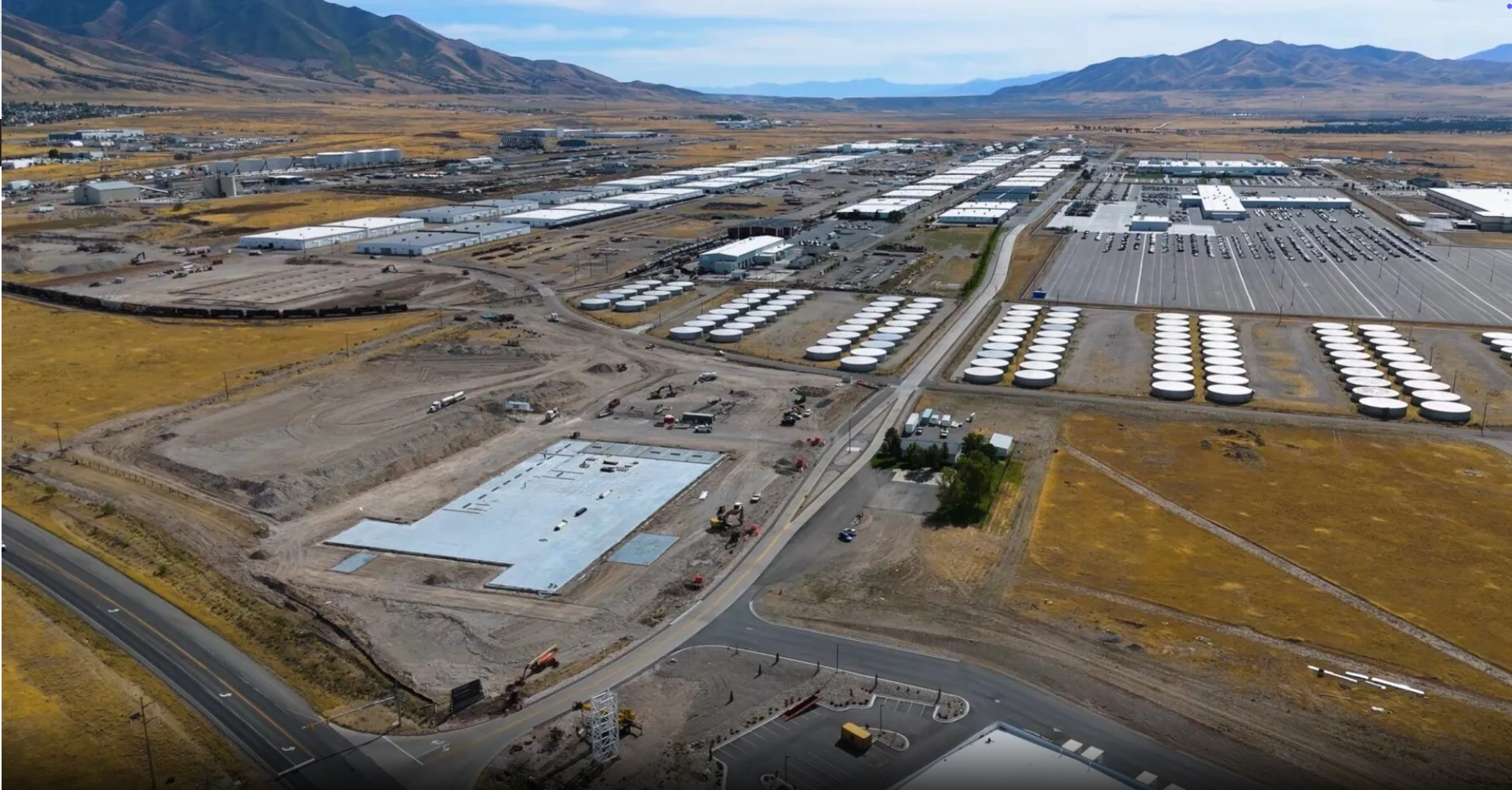
Congratulations to Tooele City! Electroflow and TMRCo (Texas Membrane Restoration Co.) are partnering to construct a first-of-its-kind lithium extraction facility in Tooele City, creating 10 new jobs in Utah over the coming years. This collaboration represents a major step forward in advancing innovative lithium extraction technologies and strengthening the region’s energy and materials economy.
“Tooele City is proud to welcome Project Seven Up and the partnership between Electroflow and TMRCo,” said Tooele City Mayor Maresa Manzione. “This innovative lithium extraction facility brings new jobs, strengthens our local economy, and supports the long-term sustainability of the Bonneville Salt Flats.”
The many partners involved in this project helped demonstrate to the company that Utah is a business-friendly and collaborative place to locate. These partners included Tooele City; the University of Utah; Terracon; Union Pacific; and the Utah Division of Forestry, Fire and State Lands – all of which met with Project Seven Up during the decision-making process. Through EDCUtah’s request for information process, the companies found a rail-served site in Tooele City to meet their immediate growth needs.
“Our investment in Tooele City is about more than lithium,” said Eric McShane, CEO of Electroflow. “It’s about building advanced manufacturing capacity in Utah. Over the coming years, we expect to invest more than $5 million in capital equipment as we scale towards commercial production, creating high-quality technical jobs and positioning Utah at the forefront of next-generation mineral processing.”
EDCUtah assisted Electroflow and TMRCo by issuing a call for sites and facilitating a site visit in July 2025. The project had highly specific requirements, including multiple rail spurs, and EDCUtah worked with its statewide network to identify an ideal location in Tooele City. The companies share the goal of producing lithium without introducing new impacts to the Great Salt Lake or the Bonneville Salt Flats, and EDCUtah facilitated meetings with scientists, researchers, and representatives from the U.S. Bureau of Land Management, the University of Utah, and the State of Utah. These early collaborations help position the project to support Utah’s economy while preserving the state’s unique ecosystems.
“EDCUtah is thrilled to support this project expansion,” said Ryan Starks, executive director of EDCUtah. “Electroflow and TMRCo represent the kind of innovation Utah strives to attract and reflect an approach of collaboration and corporate responsibility. Their facility in Tooele City will produce a critical mineral essential to powering our economy into the future while demonstrating how innovation and environmental stewardship can advance together to create lasting benefits for communities across the state.”
Electroflow and TMRCo are advancing a new lithium extraction operation in Tooele City that applies an innovative electrochemical process to recover lithium from minerals already being processed from the Great Salt Lake and the surrounding region. By focusing on existing mineral streams, the project supports the production of a critical resource while avoiding new environmental impacts and contributing to Utah’s growing role in advanced materials and energy-related technologies. A ribbon-cutting is planned for late May 2026.
Fun Fact: This project was named “Seven Up” because the original 7-Up soda contained lithium citrate, which was known to give consumers an “up” or elevated mood. The atomic weight of lithium is just under 7 on the periodic table, leading to the name “7-Up”.
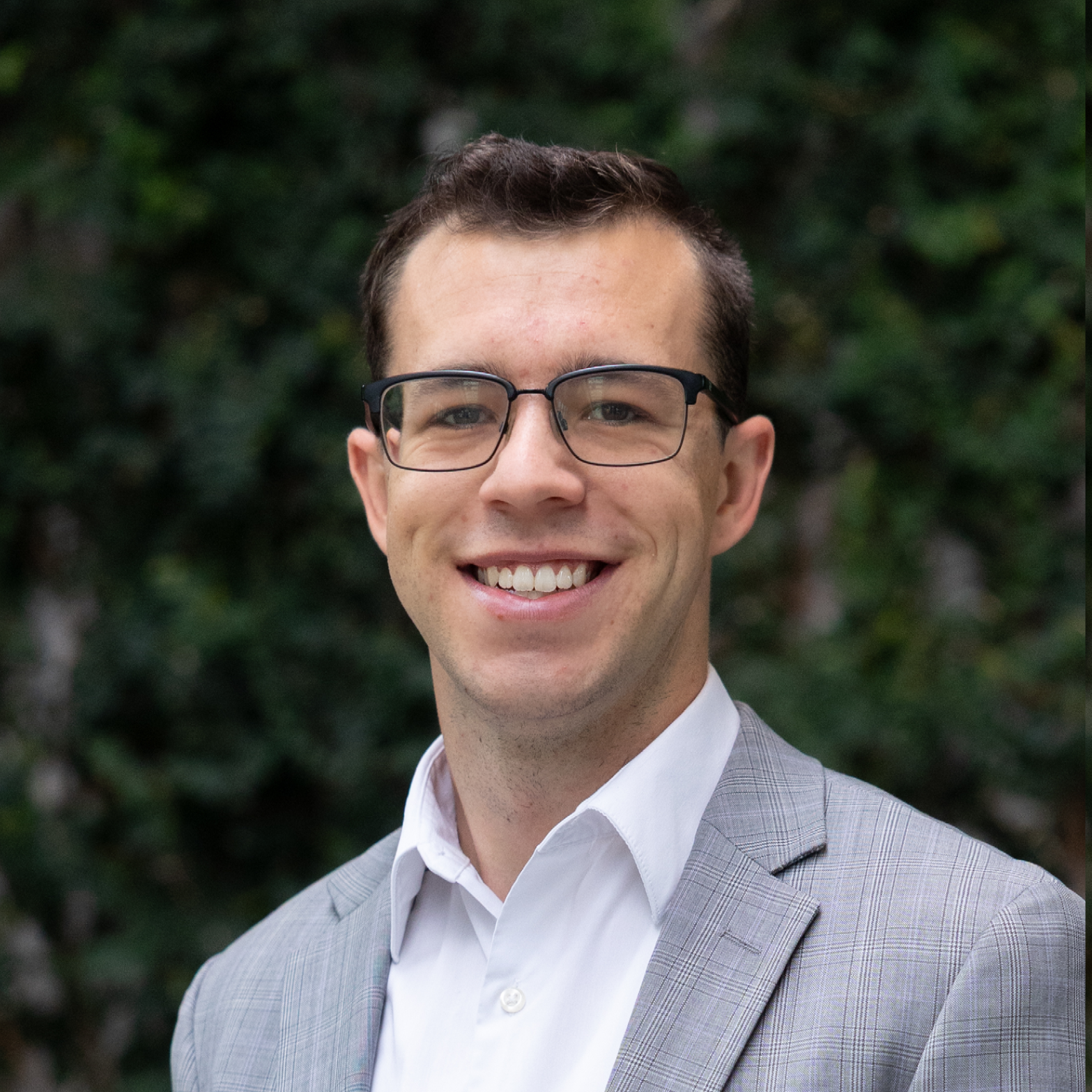
Jared Stewart, senior business development manager, led Project Seven Up for EDCUtah.
_____
EDCUtah Investors: If you were involved with this project and would like to have your organization mentioned, please email connect@edcutah.org and we’ll update this article.
For additional information or to schedule an interview, please contact us.
25 jobs
55,000 sq. ft.
Project Smokejumper
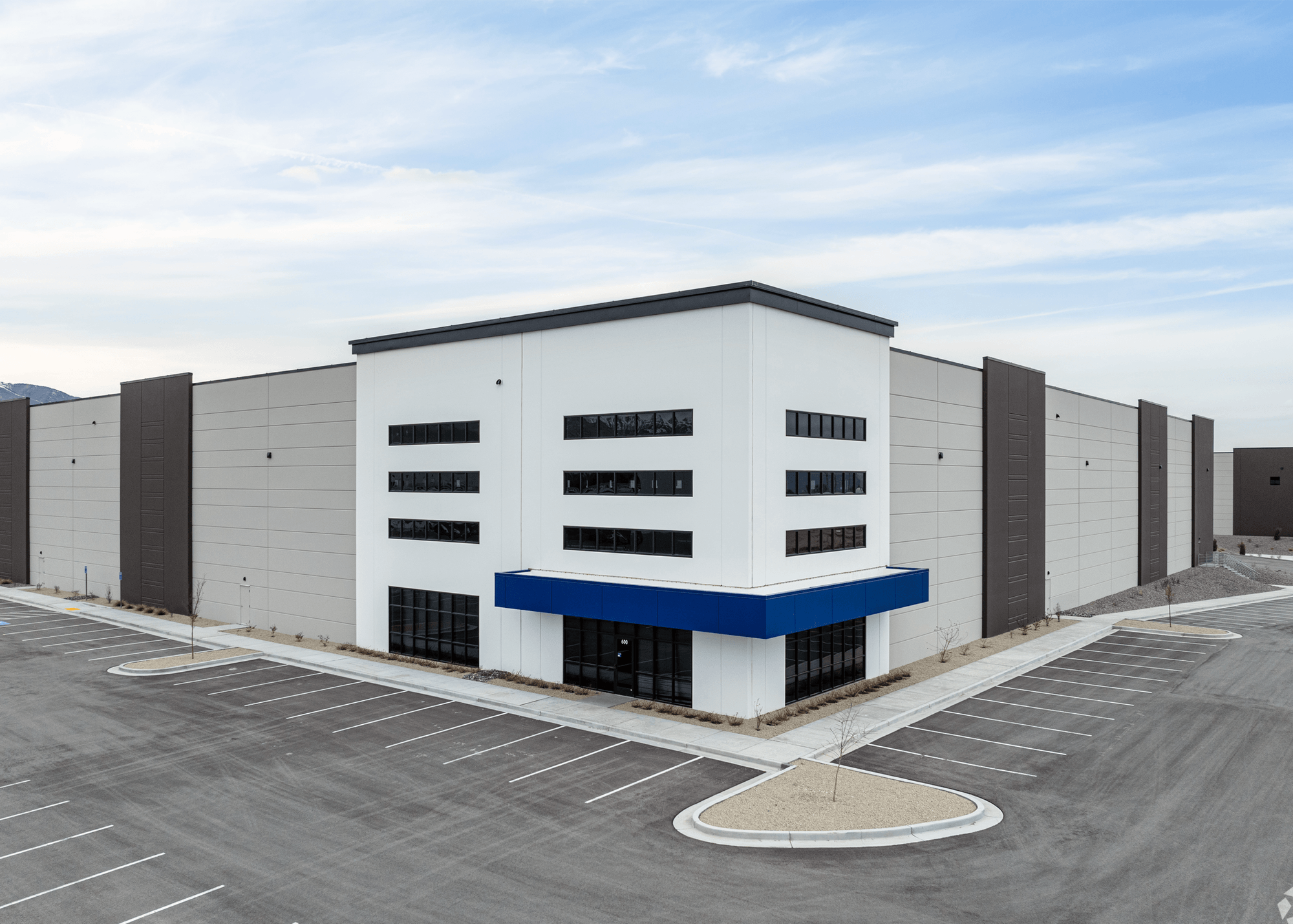
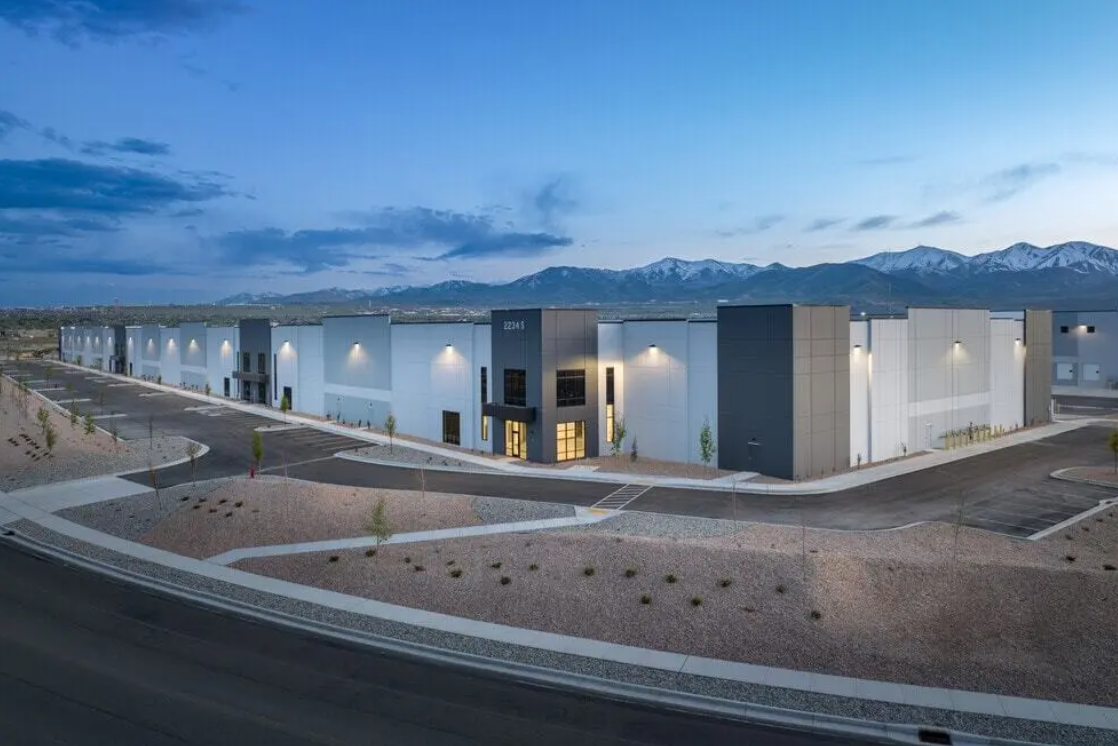
Congratulations to West Valley City! U.S.-based manufacturer KFH Industries is expanding its operations to Utah with the lease of a 55,000-square-foot facility, where it will assemble and distribute its firefighting and industrial hose products. The company plans to create up to 25 new jobs within the next five years, bringing KFH Industries closer to its customers and supporting its rapid growth in the western U.S.
EDCUtah supported Project Smoke Jumper by providing economic research on Utah’s workforce and making introductions to partners who could assist the company in establishing its operations in the state.
Jon Schreck and Phillip Eilers of Cushman & Wakefield assisted with site selection, Ogletree Deakins provided guidance on employment law, and PrincePerelson & Associates offered staffing support. The company’s Utah facility was built by Mortenson, supporting the project’s development and long-term growth objectives. Together, these partners helped the company evaluate Utah as a strategic location for growth and will continue to support KFH Industries’ transition to the state.
“KFH Industries’ expansion reinforces Utah’s position as a hub for general manufacturing and industrial products,” said Ryan Starks, executive director of EDCUtah. “Their growth brings quality jobs, strengthens our industrial ecosystem, and demonstrates why companies choose Utah for strategic manufacturing and distribution operations.”
KFH Industries’ move to Utah highlights the state’s strategic advantages for manufacturing and distribution. Utah’s geographic location and robust logistics infrastructure will allow the company to serve its western U.S. customers more efficiently.
Spencer Layton, business development manager, led Project Smoke Jumper for EDCUtah.
_____
EDCUtah Investors: If you were involved with these projects and would like to have your organization mentioned, please email connect@edcutah.org and we’ll update this article.
For additional information or to schedule an interview, please contact us.
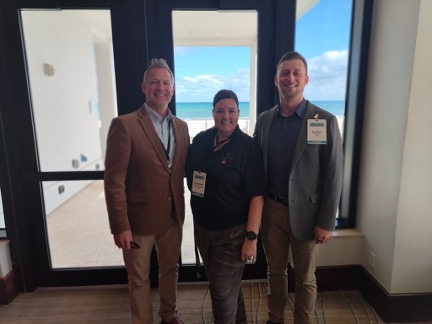
EDCUtah’s Rex Buys attended the Area Development Consultants Forum in Fort Lauderdale, Florida, in December. He took extensive notes of the site selectors’ presentations and panel discussions, and we’ve culled some of the most interesting insights.
If you have specific questions or would like more information from this conference, contact us at connect@edcutah.org.
_____
For additional information or to schedule an interview, please contact us.
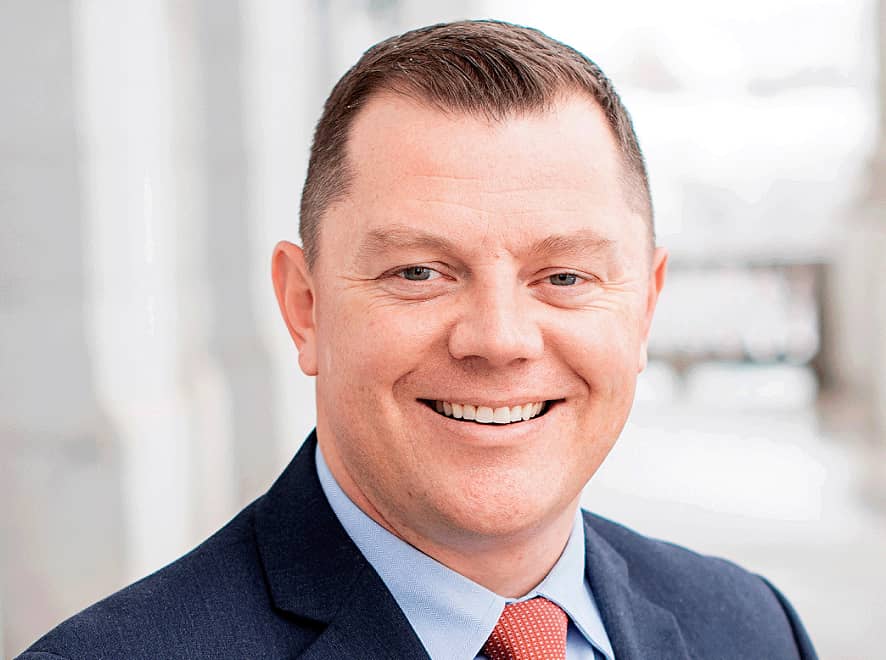
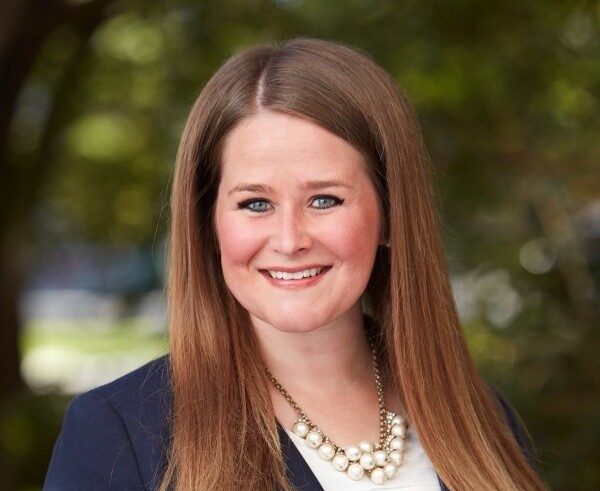
Delta Air Lines has operated in Utah since 1986, when it acquired Western Airlines. Growing its Salt Lake City schedule from 115 daily flights to 255 today, Delta’s investment in Utah has had a profound impact on our state’s business climate. We caught up with Brie Davis, regional sales manager of Delta Air Lines global sales, to learn how Delta supports Utah’s business community and infrastructure.
Primarily, it’s our network out of Salt Lake International Airport. Salt Lake City is a critical Delta hub and a strategic location for us. Delta’s four core hubs are Atlanta, Minneapolis, Detroit, and then Salt Lake City. We have 255 peak day flights to 96 destinations across the globe out of Salt Lake, and that includes Amsterdam, London, Paris, and now Incheon and Lima.
Also, this investment reflects Delta’s commitment to quality training and quality of life for our pilots. Our training center, now a year old, makes training for pilots more accessible, especially for those based in the western hubs, including Seattle and Los Angeles. Prior to this, they had to go from the West Coast all the way to Atlanta to train. Now they don’t go have to go as far.
Utah’s pro-business climate and robust infrastructure also offer a natural fit for Delta’s long-term growth strategy. Delta sees Salt Lake City, not just as it is today, but as a means for growth in the future. So, how we plan is very forward-thinking, and we do that in partnership locally.
Delta works closely with state and city leaders to advance infrastructure projects, like the Concourse A expansion at Salt Lake City International Airport; our new pilot training facility, which we just discussed; and Delta’s future 48,000 square-foot cargo facility. Delta’s planned cargo facility represents an $18 million investment and strengthens Utah’s role in global trade while supporting local businesses with faster, more efficient shipping.
Our partnerships extend to education and workforce development organizations, creating aviation career pathways for Utah residents. This includes our partnerships with Utah State University, Salt Lake Community College, Junior Achievement of Utah, and more.
Delta is Salt Lake City’s largest global premium carrier, operating more flights than any of the other airlines combined. We provide Utah businesses with global connectivity, enabling access to markets in Europe, Asia, Latin America, and beyond.
Investments in world-class facilities—like the Delta Sky Club on Concourse B, which is the second-largest in the entire Sky Club network, and our expanded Concourse A—enhance the travel and trade experience for Utah’s business community.
In addition, we provide an expanded suite of benefits for corporate travelers and corporate travel buyers.
One notable program is our SkyMiles for Business program. This is a free-to-join program that helps companies enhance their corporate travel savings. It allows the company to earn SkyMiles in addition to the traveler, so it’s a double-dipping, no-cost program. Companies of any size can take advantage of this program.
Utah combines a highly skilled workforce with a collaborative, business-friendly environment. Its strategic location as a crossroads of the western U.S. makes Utah ideal for aviation and infrastructure investment. And strong public-private partnerships foster innovation and long-term economic resilience.
From a workforce training perspective, we opened the state-of-the-art pilot training facility in Salt Lake, reinforcing our commitment to Utah.
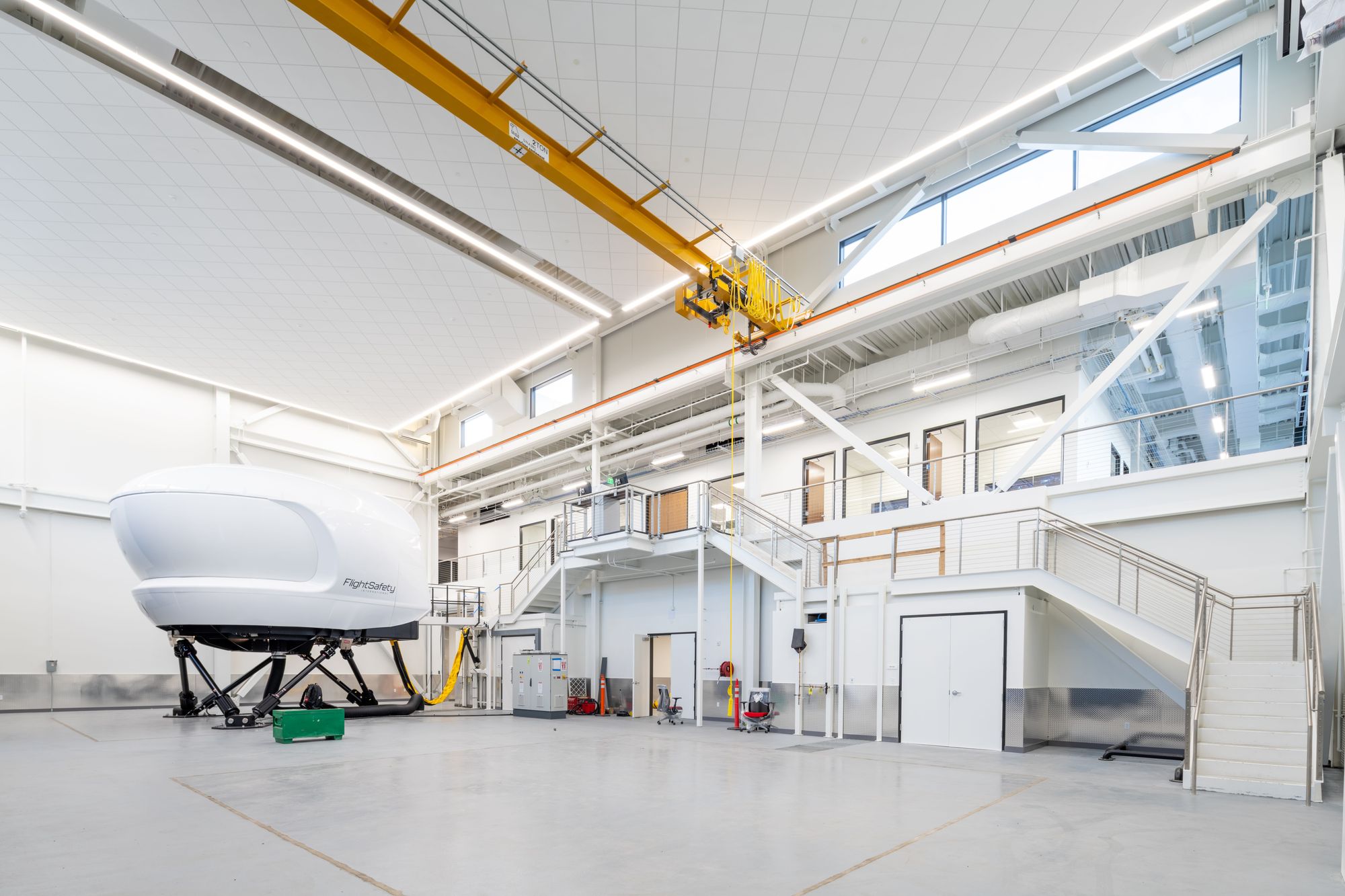
The facility supports long-term operational growth and creates high-quality jobs for this area. The 50,000-square-foot pilot training center hosts over 1,000 training events monthly. It includes four simulator bays, classrooms and emergency training spaces, and room for future expansion. It’s designed with sustainability in mind, and this facility complements our existing flight attendant training center in Salt Lake City.
Delta also partners with local organizations, including Junior Achievement of Utah and the YMCA of Northern Utah to enhance education, sustainability, and workforce development. This includes STEM-related programs and volunteer initiatives.
We’ve learned is that it’s extremely important to align expansion with local strengths and strategic geography. It’s important to build strong private-public partnerships to ensure shared benefits, and to invest in people and infrastructure. Growth is sustainable when employees and communities thrive together.
_____
“Building Together”highlights examples of the impact of your investment and EDCUtah’s work in communities across the state.
For additional information or to schedule an interview, please contact us.
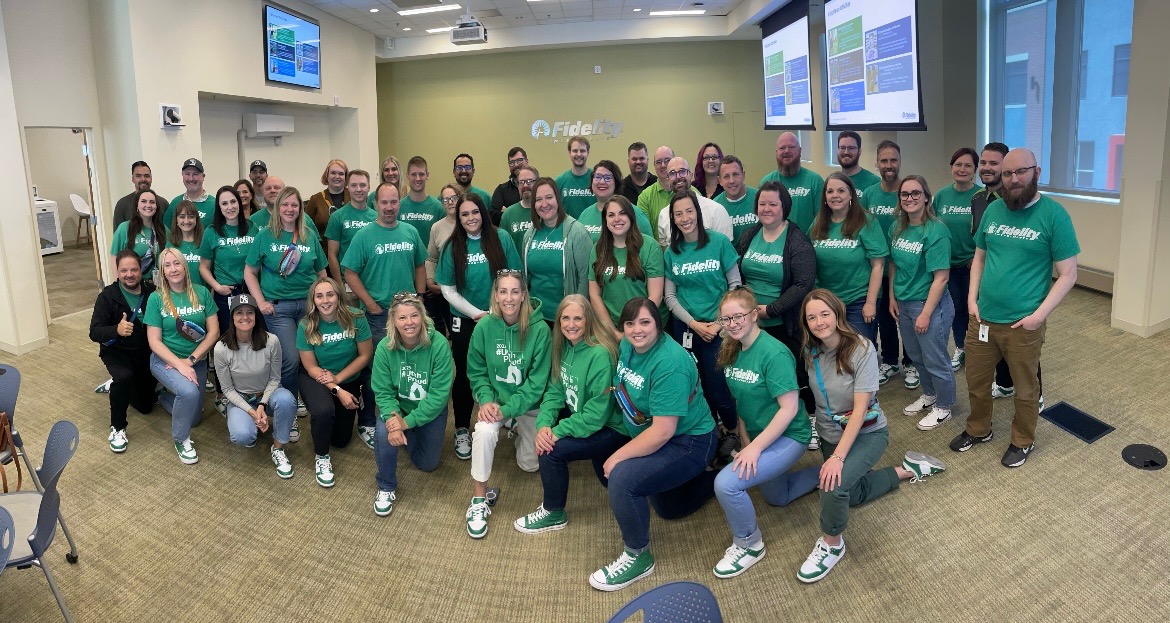
Fidelity Investments first established its presence in Utah in 1986, when it began operations with 100 brokerage associates. Fidelity’s regional presence has grown significantly since then, with the company now employing more than 3,400 associates across major business units such as brokerage, wealth, enterprise technology, and workplace investing. Fidelity is the largest private employer in downtown Salt Lake City and also has two investor centers in Salt Lake City and Orem. And, in November 2025, the company expanded its Invest in My Education initiative to Utah.
We spoke with Alex Janak, director of government relations and public affairs at Fidelity Investments, about Fidelity’s commitment to community engagement, education, and financial literacy programs.
I am originally from Idaho but moved to Salt Lake City over 20 years ago to attend the University of Utah for my undergraduate and graduate degrees. I began my career at the Utah Educational Savings Plan as a research analyst and then a financial analyst. I then spent nearly 10 years working for the Utah Legislature at the Office of Legislative Research and General Counsel, where I managed a team of policy analysts specializing in topics spanning transportation, taxation, public and higher education, public sector retirement and more. I had the opportunity to work on some really interesting projects, including the state’s efforts to host the 2034 Winter Olympic and Paralympic Games, collaborating with both the bid committee and then the organizing committee. I also worked on creating the public-private coordination for the Capital City Revitalization Zone project to revitalize the Delta Center, convention center, and surrounding area.
After more than a dozen years in the public sector, I wanted the opportunity to approach similar work from a new perspective. I joined Fidelity in August 2025 as director of government relations and public affairs. In this role, I represent Fidelity in several external facets, including through our community relations and philanthropic efforts; state and local legislative work; and building our relationships with local chambers of commerce and across the state’s business community.
While I have only been here a few short months, I have been blown away by the amount of goodwill at Fidelity and its emphasis on good corporate citizenship. I am looking forward to supporting and extending this work in partnership with my internal partners at Fidelity and external collaborators across Utah.
To extend our longstanding support of financial education and empowerment to the next generation, we launched Invest in My Education(ME)SM in 2023 to enrich the lives of under-resourced students and help them achieve better post-secondary outcomes, increased graduation rates, greater financial literacy, and access to stronger professional networks. Through its Fidelity Scholars Program, Invest in My Education combines student scholarships with comprehensive ongoing support, including college success coaches, mental health and wellness resources, Fidelity mentors, financial education, and career readiness resources and support. This fall, we expanded the program to Utah students, who can apply for our next application cycle now through January 29, 2026.
Unlike many other grant programs, Invest in My Education focuses on the “mighty middle” student – that is, students with GPAs of 2.5-3.59. Of our current student participants, 63% are the first in their families to attend college and 94% report the program is increasing or maintaining their motivation to earn a degree. By combining higher education accessibility and affordability with wraparound support, Invest in My Education is helping empower students to achieve greater economic mobility and pursue pathways to generational wealth, which can in turn can support better long-term outcomes for students and their communities.
Beyond student support, the initiative will also bring its Ecosystem-Building Grants and Completion Grants to Utah. Ecosystem-Building Grants improve pathways for thousands of under-resourced students, and Retention and Completion Grants help local higher education institutions keep at-risk students in school.
Increasing interest in and access to higher education to grow the regional workforce is one of Utah’s top priorities. A 2024 study commissioned by the Utah System of Higher Education found Utah employers crave increased communication skills and work ethic among recent graduates, deeper technical skills, stronger industry collaboration, and expanded work-based learning opportunities.
The state has taken steps to overhaul its higher education system, with greater emphasis on “career-ready” fields and enabling reinvestment in new programs and offerings, but financial barriers still hold too many people back from their dreams of attending college and completing their degrees. Invest in My Education and the Fidelity Scholars Program help bridge that gap, providing not only financial support but also mentorship and career development to help bolster students’ futures and, in turn, support industries and economies. The initiative is a great example of how K-12 education, higher education, nonprofit community partners, and the private sector can work together to ensure more students have the resources they need to succeed.
>> Read: Fidelity Chooses to Invest in Salt Lake City
Since our founding, Fidelity’s goal has been to strengthen the financial well-being of our customers. Our community relations work supports this mission by collaborating with organizations that address a broad spectrum of community needs, investing in under-resourced individuals and families, and harnessing our associates’ broad talents to help drive change.
We value deep, long-term relationships with nonprofit organizations across Utah. Utah is the top-ranked U.S. state for financial literacy education, which we proudly support through our work with Junior Achievement and the Utah Council for Economic Education. Our associates visit classrooms to reinforce curriculum and help students build essential money management skills; we host Family Savings Events that create welcoming spaces for parents and students to discuss budgeting and savings strategies together; and our work with Junior Achievement includes job shadowing experiences for high school students and participation in JA Finance Park. These programs empower students to understand how decisions today impact tomorrow, equipping them to navigate an increasingly complex economic environment with confidence.
We have also been an important partner of the Utah Food Bank for more than 30 years, conducting food and fund drives that have provided the equivalent of over 30 million meals to Utahns facing hunger and volunteering thousands of hours at the Utah Food Bank’s warehouse. In 2025, our Utah associates donated 1,412,840 meals – enough to feed 323 families of four for a year. Separately, we’ve also sponsored a school through the Mobile School Pantry program for a decade.
We also work with organizations like the Boys & Girls Clubs and the Salt Lake Education Foundation to provide meaningful support for youth and their families. We invest in academic success by supporting after-school tutoring and homework help programs and, beyond academics, we host events that bring families together, creating a welcoming space where they can enjoy activities and build connections with our Fidelity associates.
I am thrilled to be part of the Fidelity team and look forward to working more closely with our regional partners in this role. Please do not hesitate to reach me directly at alex.janak@fmr.com.
_____
“Building Together” highlights examples of the impact of your investment and EDCUtah’s work in communities across the state.
For additional information or to schedule an interview, please contact us.
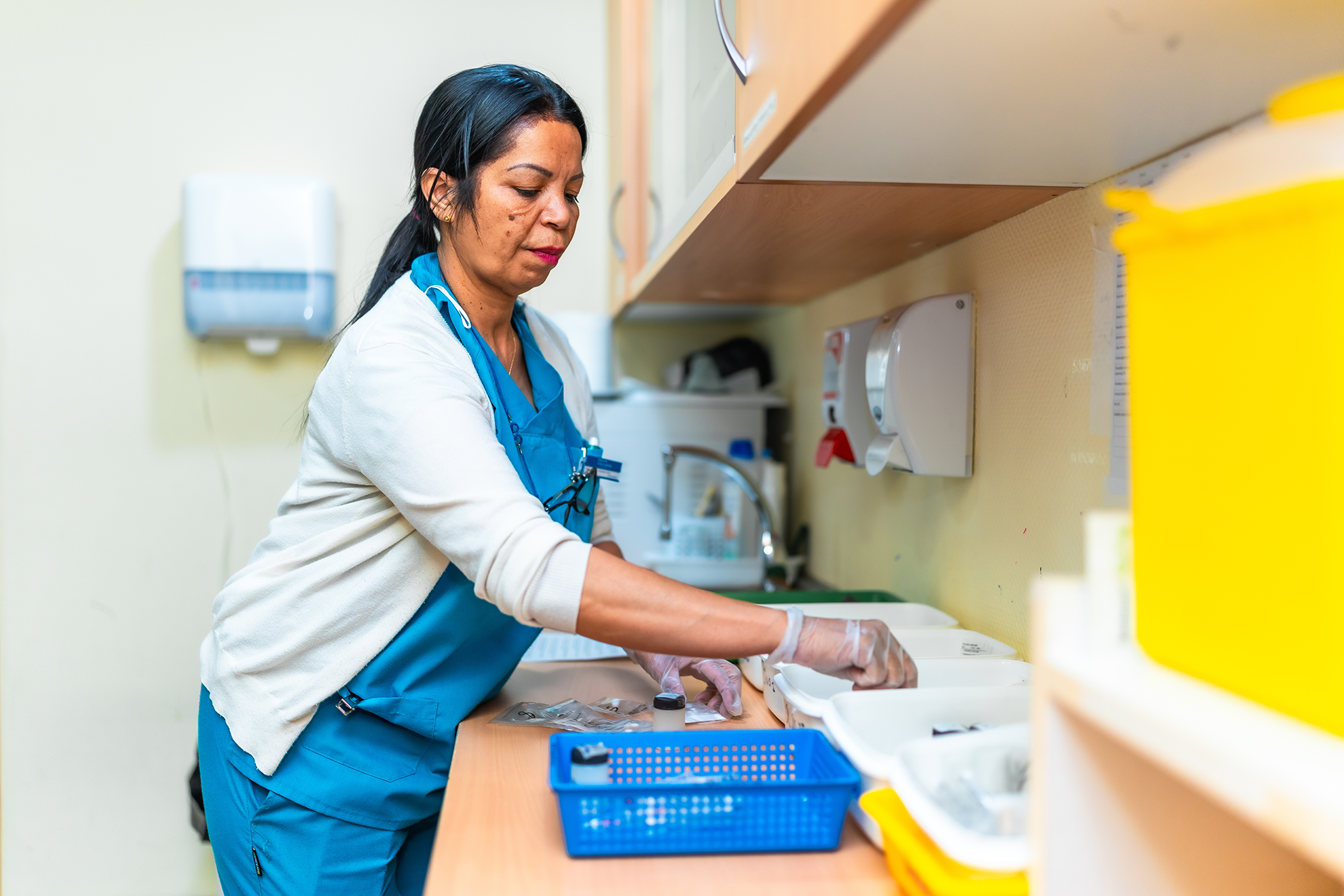
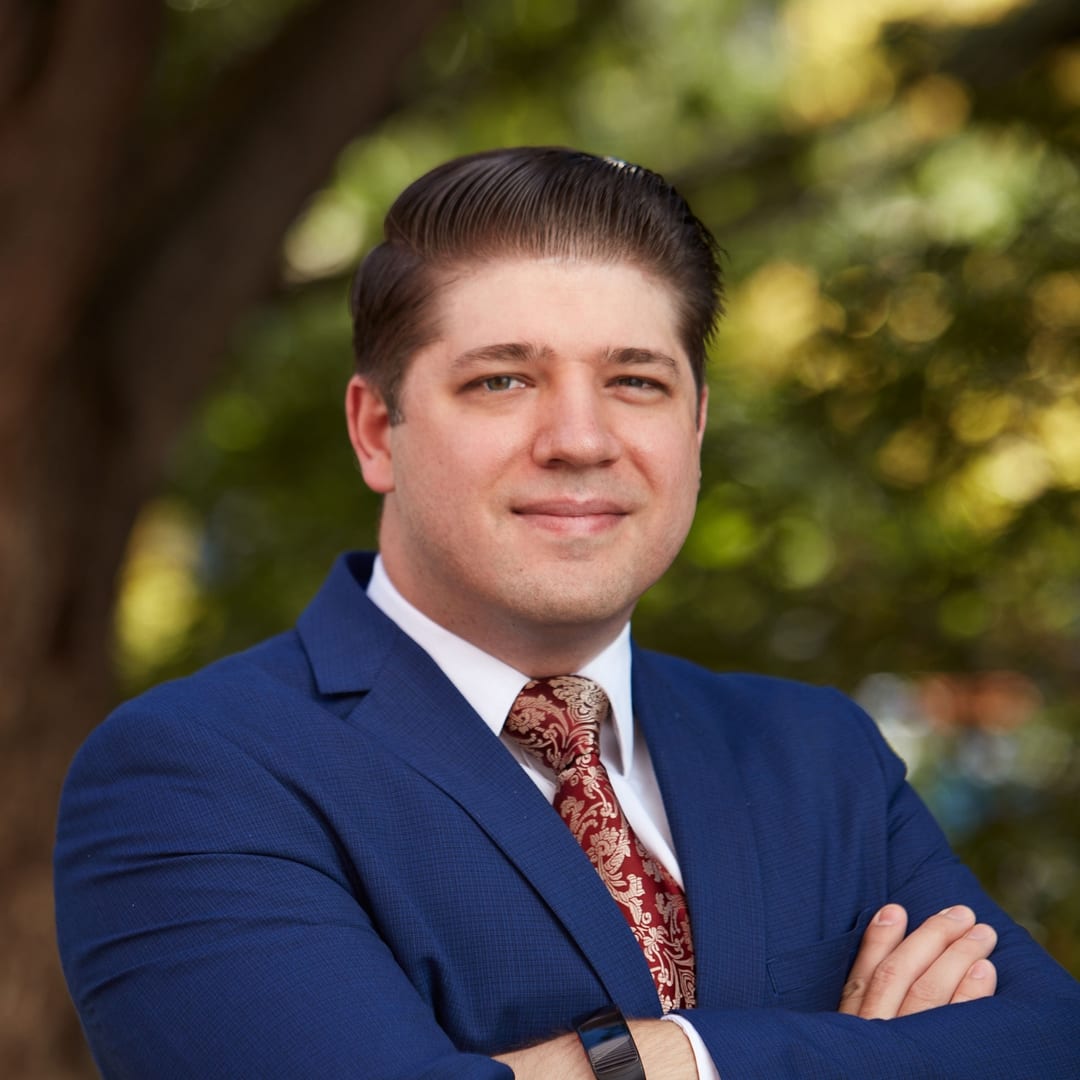
Each month, EDCUtah’s Research Minute highlights timely research insights and economic development data. This month, Michael Stachitus analyzes Utah’s potential occupational gaps over the next five years.
As Utah’s population and economy continue to grow rapidly, the demand for specific skills and experience in the workforce only continues to increase. As this demand for labor grows, Utah must be nimble and forward-thinking in its workforce development approach.
EDCUtah analyzed potential workforce demands over the next five years, and we identified three occupations that may become increasingly difficult to fill if current demand and market trends remain the same:
1. Healthcare Diagnosing or Treating Practitioners
2. Computer Occupations
3. Business Operations Specialists
The graph below provides a snapshot of the expected annual supply and deficit in occupations over the next five years. These are broad occupational groupings, with more specific occupations nested within each occupational category.

Healthcare remains a critical industry in Utah and continues to face challenges in meeting hiring demands. This challenge is not unique to Utah. The high demand for healthcare workers is a nationwide and potentially even global issue. As the median age in Utah and across the nation increases, healthcare needs are also expected to rise.

The gap leaves Utah with over 300 fewer registered nurses and nurse practitioners than the industry requires each year – which also means that existing nurses and hospital staff will have to shoulder the burden of increasing demand. Furthermore, there’s not a single surplus occupation in this healthcare category, meaning every occupation in the group faces a hiring deficit.
As technology innovation and artificial intelligence (AI) continue to drive economic growth in the U.S., computer occupations remain in high demand. The demand for software developers in Utah has remained high for over a decade and is expected to continue over the next five years.

Utah can address these occupational gaps by fostering strong alignment among workforce development initiatives, educational institutions, and industry needs. This includes investing in targeted training programs, apprenticeships, and certifications that align with high-demand sectors, while encouraging businesses to partner with schools and community colleges to shape curricula around in-demand skills. Utah is addressing these demands through key programs and initiatives, including Talent Ready Utah, Custom Fit, and Return Utah, three programs that connect companies to the workforce they need.
Data Sources: JobsEQ. For more information about occupational gaps, email us at connect@edcutah.org or explore the benefits of investing with EDCUtah.
_____
For additional information or to schedule an interview, please contact us.
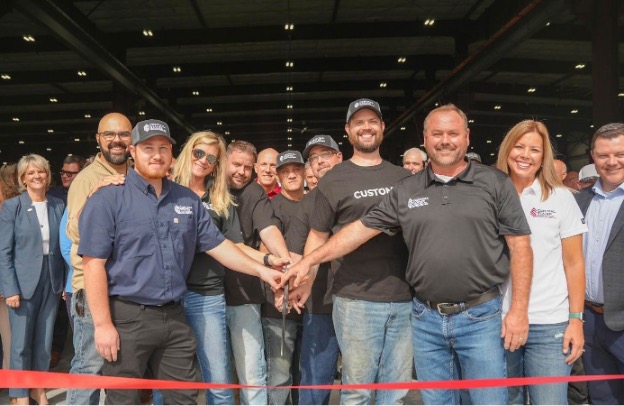
Central States, Inc., an employee-owned metal manufacturing company, recently held a ribbon cutting for its new facility in Tooele, Utah. Central States produces metal building components for residential, commercial, and agricultural projects.
The company first announced its expansion to Tooele City in June 2023, after working with EDCUtah, the Utah Governor’s Office of Economic Opportunity, and several Utah partners to evaluate locations for their next manufacturing facility. One year after discussing the project’s early plans, we caught up with CEO Jim Sliker to discuss this major milestone and what’s next for the company’s Utah operations.
Sliker: Like any large construction project, there were the typical steps—breaking ground, closing the building, installing and validating equipment. But this plant is unique for us because it’s our first facility west of the Rocky Mountains. That brought new challenges in supply chain, logistics, and business processes.
One big milestone was hiring a plant manager. Jered Chandler relocated his family to Utah to take on that role, and he’s been the boots on the ground, leading the project.
Another milestone was resolving power supply issues. We worked closely with Rocky Mountain Power, and once we knew that was no longer a pacing item, it was a huge relief.
We also built a new supply chain strategy, including rail service directly into the back of the facility—another first for us. Validating that logistics model was key. And finally, beginning to hire and train our first group of employees was critical to preparing for production.
Sliker: We currently have a small team of eight, with a mix of relocations and local hires, but we’re ramping up quickly. Our immediate need is production technicians, the frontline people making our products. Getting them hired and trained is essential so that when the plant is ready, we can serve customers right away.
We’re working with Tooele Mayor Debbie Winn, local partners, and others to make sure our total rewards package—pay, profit sharing, stock ownership, and benefits—is competitive in this market.
Sliker: Employee ownership is central to everything we do. Our purpose is to provide well-being and financial freedom for employee-owners and their families. That drives decisions like this expansion.
We also want to integrate new employee-owners into our culture right away—helping them understand our DNA, our promise to customers, and how the business works. Just as importantly, we want to connect with the community. Even before having people on the ground in Tooele, we supported the Tooele Chamber of Commerce, food drives, and local causes. That’s part of who we are: we live here, work here, and serve here.
Sliker: Rail access wasn’t a requirement for us at the start, but once we realized that it was an option for this new plant, it became a differentiator. Having direct rail service into the facility reduces logistics costs and improves efficiency. It definitely influenced our final decision.
Sliker: This is the first time in our 36-year history that we’ve opened two plants in the same calendar year, which speaks to the strength of our team and the confidence our employee-owners have in this company. Tooele will be our 13th and westernmost plant, giving us a gateway to serve U.S. customers all the way to the Pacific.
For anyone considering joining our team, we’re an employee-owned company where you can be an owner from day one. If you value serving customers, taking ownership, and working in a culture defined by accountability and care for one another, this is a place you can thrive.
Tooele is our kind of town. The people here, the civic responsibility, and the cooperative spirit align perfectly with who we strive to be as a company. We’re proud to call Utah home.
_____
“Building Together” highlights examples of the impact of your investment and EDCUtah’s work in communities across the state.
For additional information or to schedule an interview, please contact us.
250 jobs
$189 million capex
Project Interlocken
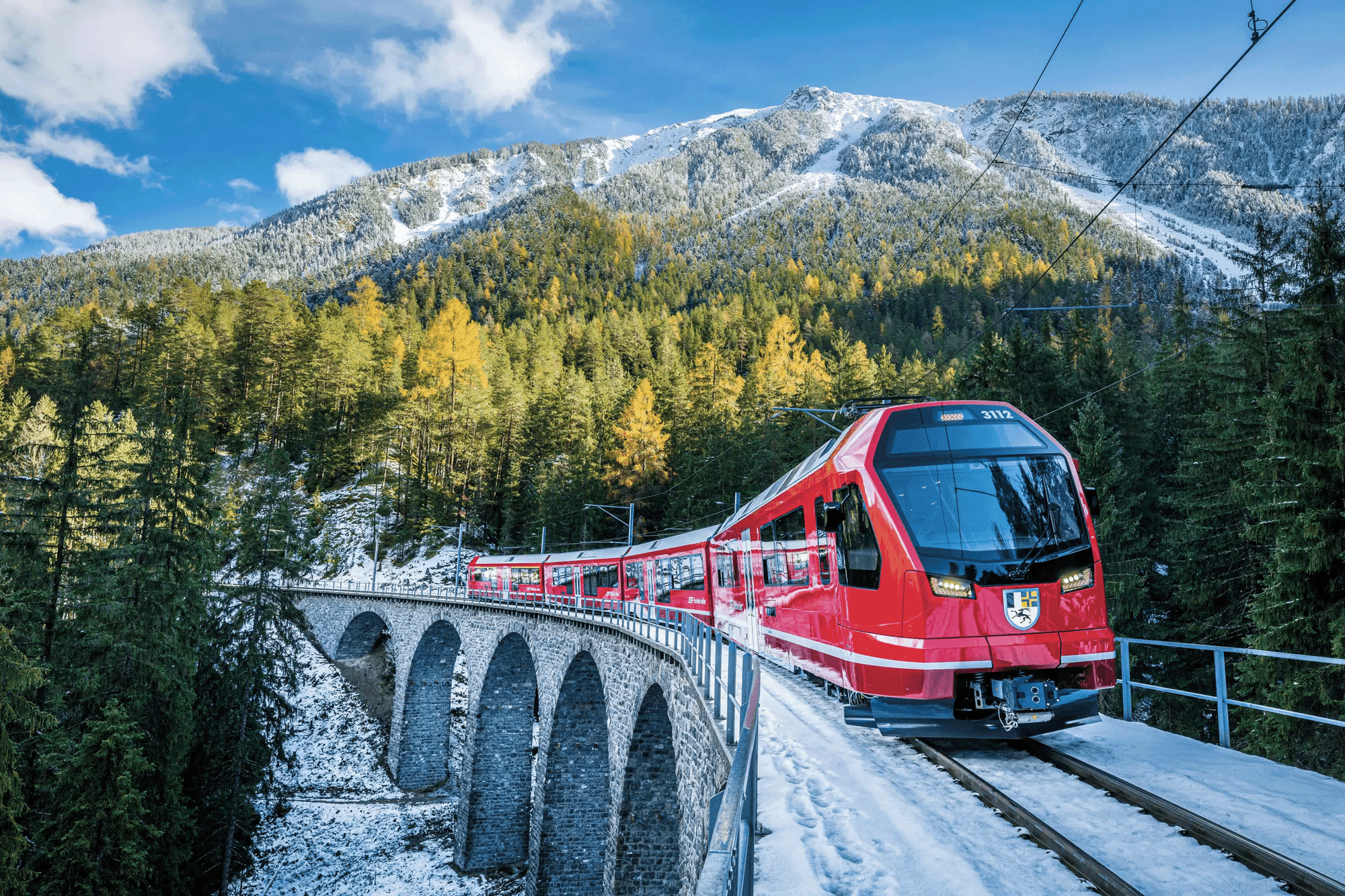
Congratulations to Salt Lake City! Stadler, a global leader in designing and building rail vehicles—ranging from modular regional and commuter trains to trams, intercity, high-speed, and specialty rolling stock, as well as advanced signalling and full-life-cycle services—has announced plans to expand its existing operations in Salt Lake City, Utah. The company intends to create 250 jobs and invest $189 million in Utah over the next 15 years.
“Stadler Rail’s expansion is a clear example of human-centered economic development in action—innovation that leads to good jobs and sustainable growth for Salt Lakers,” said Lorena Riffo Jenson, director of Salt Lake City’s Department of Economic Development. “With a $70 million investment, 250 new jobs, and room to grow even more in the future, this project strengthens our local workforce and ensures that opportunity is created here at home. Salt Lake City is proud to support investments that double down on our people while fueling the next chapter of economic growth.
The company’s announcement was the result of collaboration among Salt Lake City, EDCUtah, the Utah Inland Port Authority, and the Governor’s Office of Economic Opportunity (GOEO). EDCUtah reintroduced Stadler Rail to GOEO’s EDTIF incentive program and encouraged the company to apply. EDCUtah has supported Stadler Rail since 2016, when the company first began exploring an expansion into the United States. During that process, Stadler chose Utah for its central location in the West and strong workforce.
“Stadler Rail is laying tracks for innovation right here in Salt Lake City, where they are building electric and hydrogen rail systems that ship across the country,” said Ryan Starks, executive director of EDCUtah. Their products and commitment to workforce training are moving the rail industry full steam ahead, and Utah’s advanced manufacturing industry continues to be a catalyst for innovation and growth.”
Stadler Rail, a Swiss-based global leader in railway manufacturing, operates 16 production and component plants, six engineering centers, and more than 80 service locations worldwide, employing over 15,000 people from 75 countries. Its U.S. headquarters and primary manufacturing facility are in Salt Lake City, where the company builds a wide range of rail vehicles for the North American market, including light rail, metro, diesel-electric, and hydrogen-powered trains. Stadler US has delivered on high-profile projects including metro trains for Atlanta’s MARTA and America’s first hydrogen-powered trains for California. Recently announced, Stalder will build the Utah Transit Authority’s next-generation TRAX light-rail system.
“Since we opened our Salt Lake City facility in 2019, we’ve secured critical contracts, created hundreds of high-skilled jobs and firmly established Utah as a center of excellence in rail manufacturing,” said Martin Ritter, CEO of Stadler North America. “Thanks to the support of the Utah Governor’s Office of Economic Opportunity we are expanding our plant to boost production capacity and further invest in the training and expertise of our local workforce—strengthening both Stadler’s U.S. operations and the economic future of Utah.”
The Utah Governor’s Office of Economic Opportunity (GOEO) – an EDCUtah founding investor – assisted the project by approving Stadler for Economic Development Tax Increment Financing (EDTIF).
“Railway manufacturing drives high-quality job creation, strengthens Utah’s advanced manufacturing sector, and positions the state as a hub for innovation and next-generation transportation,” said Jefferson Moss, executive director of the Governor’s Office of Economic Opportunity. “Stadler’s growth highlights how global companies are drawn to Utah’s pro-business environment and innovative spirit. Investments like this create lasting value — for our economy and for Utahns through skilled careers and stronger communities.”
Stadler was also approved for an incentive by the Utah Inland Port Authority Board on March 24, 2025. The incentive allows a maximum of 10 percent of Stadler’s property tax liability to be rebated over 25 years. This post-performance rebate is part of UIPA’s efforts to support targeted industries within project areas. By incentivizing investments like these, UIPA aims to promote economic growth while fostering significant investments in public infrastructure.
“This investment solidifies Utah as a premier hub for cutting-edge passenger rail manufacturing,” Ben Hart, executive director of UIPA, said in March. “Stadler’s expansion will bring high-quality jobs, strengthen local supply chains, and drive innovation in zero-emission passenger rail technology—exactly the kind of growth we aim to support.”
Jared Stewart, senior business development manager, led Project Interlocken for EDCUtah.
_____
EDCUtah Investors: If you were involved with this project and would like to have your organization mentioned, please email connect@edcutah.org and we’ll update this article.
For additional information or to schedule an interview, please contact us.
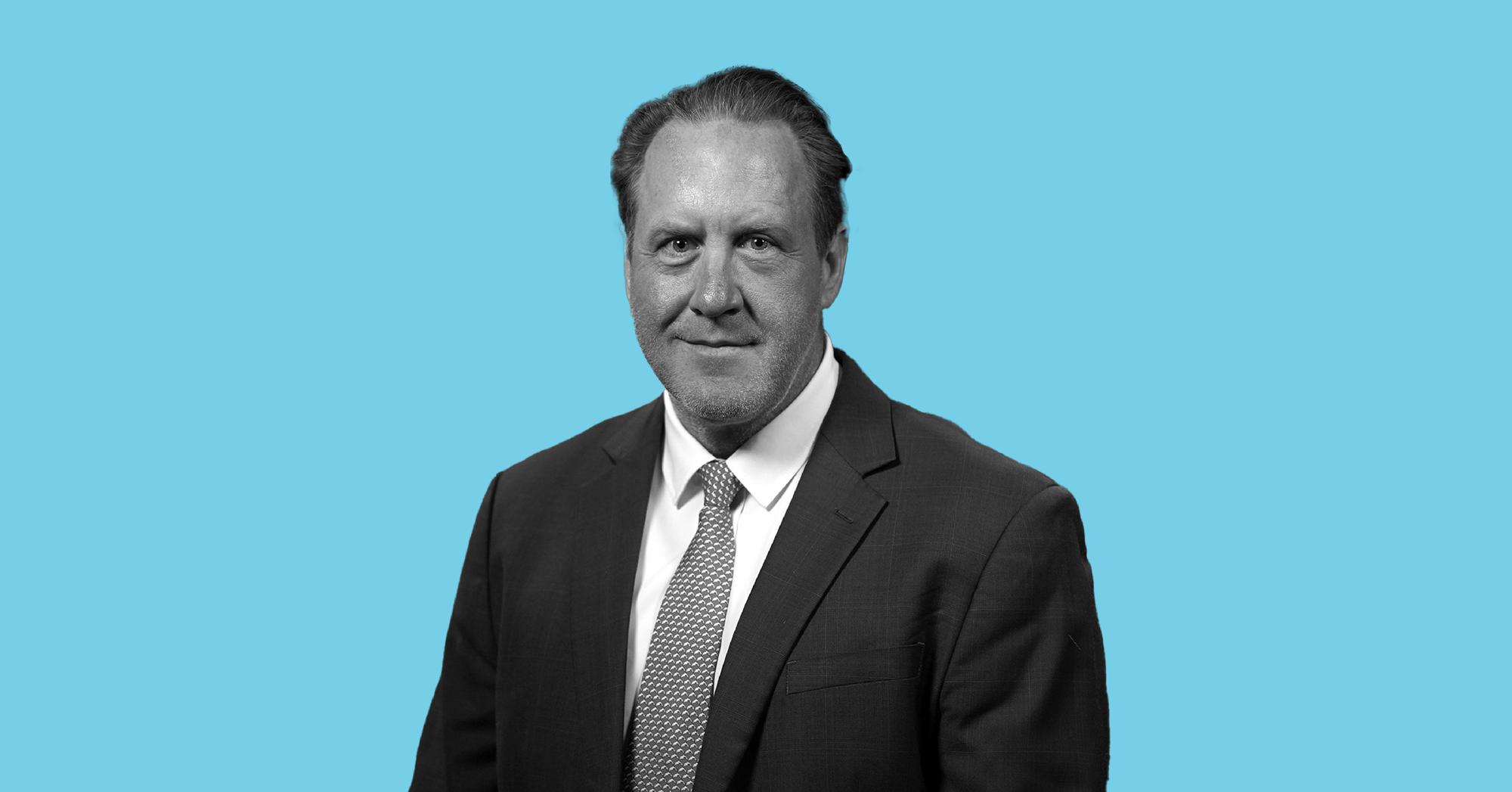
In early June, Jefferson Moss became the new executive director of the Utah Governor’s Office of Economic Opportunity (GOEO). We caught up with him recently to learn of his first impressions and priorities.
Prior to GOEO, Moss served as majority leader in the Utah House of Representatives; the associate commissioner of innovation, commercialization and economic development for the Utah System of Higher Education (USHE); and as managing director of the Utah Innovation Fund. He will continue in a leadership role with USHE in addition to leading GOEO.
As a legislator, I had a good perspective, but getting a chance to know the team and understand all the things we are working on has been really useful. There’s a lot of things that we’re doing, and we’ve got great people here — a great team of folks that are really working hard. My hope is that we continue the great trajectory of the state and continue to drive GOEO forward.
I’ve had a chance to practice my elevator speech several times since starting at GOEO. One was at the BIO International Convention, a big life sciences conference in Boston. I really appreciated the number of Utah companies that were out there, making great relationships and connections. I also appreciated just how well-known Utah is among people from all over the world. Specifically, a woman from Australia reached out to us proactively and said, “I’m just hearing all these great things about Utah, and why we need to consider it.”
It’s very cool that Utah is becoming that well known, that people see us as an up-and-coming business destination.
I also attended Utah’s trade mission to the United Kingdom. Again, the “aha” moment came in a meeting with people in economic development, venture capital, and academia. One of their leading scholars on artificial intelligence (AI) talked about the “Utah model” in AI. He’s an international expert and spoke of how Utah is the leader when it comes to AI legislation and creating the right framework. Around the world, people are watching what Utah’s doing.
My pitch is that Utah is special because 1) we have the best economy in the country; 2) we work well together; and 3) we are very business friendly. The simplest answer is that we’re one of the most stable states in the country. In the world we live in, that’s a huge deal. Businesses are looking for stability.
Thankfully, I have a lot of good friends there, so it’s always fun to catch up. As a legislator, you get the opportunity to run policy or fund things. I love to tell my peers that I’m anxious and excited to be on this side of it — implementing and executing the legislature’s priorities. Having that perspective from my time in the legislature, I think, is very helpful. Building on those relationships, we can do a lot of good things together.
Part of my message is that we represent the Governor, and we’re excited to partner and play a more active role. Not just in terms of recruiting and retention of companies — we want to play a more active role in supporting Utah’s business ecosystem.
The other part of my message is about coordination. I’m going to focus on bringing all the different efforts and initiatives together, so that GOEO is playing a quarterback role.
Our state has incredible opportunities spanning aerospace and defense, life sciences, AI, and quantum energy. Given my background at USHE, I’ve seen a lot of the efforts to get these technologies commercialized. I’ve seen businesses that are leveraging our higher education assets, and I understand how critical the workforce is in terms of propelling new innovations.
When I took that job at USHE, the first thing I did was visit some of the top innovation hubs in the world. I wanted to learn from the hubs that have taken economically blighted regions and turned them into amazing economic engines — places like Kendall Square in Boston. I wanted to understand the secret sauce that got them to be where they are.
What I found is that it’s the intersection between government, education, and industry that fueled their economic engine. We’re doing a good job in Utah, but I think we can do even better. Utah’s secret sauce is that we work well together, so how do we get everybody more united and rowing in the same direction? We’re doing great things in different areas, but we don’t fully understand or appreciate how the different areas fit into the bigger picture.
AI is an example. There’s a policy perspective in terms of creating the right regulatory environment. There’s a workforce effort, a critical need. There’s the venture capital startup ecosystem, also critical. Having sat in all of those seats, I know we can tighten alignment to be more successful. I see the same with these other areas.
Something that I’m excited and passionate about is bridging that gap between Utah’s universities, venture capital, and the entrepreneurial community. GOEO can play an important role in bringing those constituencies together and driving innovation. It’s not about a big idea. It’s creating the right environment to spur innovation. It’s that intersection of innovation —getting the right groups of people together that will drive new ideas.
At GOEO, we love all of the industries that contribute to Utah’s economy. But I do think there are unique opportunities in AI and healthcare, deploying genomics to alleviate people’s health issues. Look at the University of Utah. At the Scientific and Computing Institute, they’re doing some really cool cutting-edge AI. Additionally, we’ve got Huntsman Cancer Institute and Intermountain Health doing incredible things.
How can we leverage those efforts and create the right regulatory environment? Utah has unique advantages in genomics so it’s a matter of leveraging genomic technology the right way within a safe environment, making sure that we’re following all the right processes regarding data, privacy and other critical areas. That kind of coordination is not happening in a lot of areas around the country. Utah could be a leader in that space.
There are other opportunities in aerospace and defense, with what’s happening at Hill Air Force Base. We’re getting a lot of businesses following the lead of Northrop Grumman in and around Falcon Hill Aerospace Research Park, and we’re seeing a huge influx of startups or new businesses coming into Utah to capitalize on the great ecosystem we have there.
A third opportunity that excites me is energy. Utah has a rich abundance of energy, and forty of the top fifty critical minerals are in Utah. We’ve created the right regulatory environment so we can move quickly. We’re going to be one of the first states to move into small modular nuclear reactors. Utah can move faster than most states can — and in the era of AI, where energy demands are high, that agility positions us to lead.
Obviously, there are quantifiable measurements that we can look at in terms of outcomes. But stepping back, we’re the beneficiaries of things people did 20 years ago. Those actions are why we’re in the economy we’re in today.
I want to make sure that with the next 10 to 20 years in mind, we’re making the right decisions and investments, whether it be regarding innovation, workforce initiatives, or infrastructure. If we focus only on the economy in the near term, we’re somewhat backward looking. If we’re looking forward, we’ll continue to support the great economy that we have.
It’s great that we have our former GOEO executive director Ryan Starks at EDCUtah. That partnership is critical. EDCUtah plays an important role in helping us on the front end by talking to companies interested in Utah. He and I are meeting regularly to coordinate closely.
The collective effort is even broader. One of the things that I’m very passionate about is making sure that we’re collaborative across multiple areas. We’re located next to the World Trade Center Utah, and we have some incredible partnerships on the public side with the Inland Port, the Point, and the Military Installation Development Authority (MIDA). The more we can bring those efforts together and break down silos, the better.
We are also tightly coordinating with other state agencies. We work closely with the Department of Commerce on the AI side, as an example. We want to actively support the Office of Energy Development’s work as part of Gov. Cox’s vision to strengthen Utah through Operation Gigawatt and other key energy initiatives.
On the private side, we’re going to put a big emphasis on industry clusters, particularly in the matter of workforce development. Every single company we talk to has expressed the workforce as one of the biggest things they care about. As industries and education become more innovative, we need to be nimble in how we support initiatives like Talent Ready Utah and Utah’s universities.
And statewide, we have so many different economic development groups. I’ve been on a city council in the past and there’s a risk that economic development becomes a zero-sum game of who can give the best incentives. It can become a race to the bottom that benefits no one. There’s a way that we can coordinate and be more strategic. One of my top priorities is collaborating with our cities, counties, economic developers, and EDCUtah to attract high-quality investments to Utah.
It’s a matter of stepping back over the next four to six months to take stock. I’m going to be convening a group of stakeholders and partners like EDCUtah, businesses that we’ve worked with, and state agencies. We’ll reassess: What is GOEO’s core mission? Why do we exist? What are we trying to do? And then we’ll ask, “Where are the gaps? What are we not doing right?”
It’s important that we have a very targeted plan, a good five-to10-year plan. We’re doing a lot of great things, but I want it to be more targeted and deliberative in why we’re doing the things we’re doing.
We are putting together working groups to redefine GOEO’s purpose and role. It’s not a major shift —we are simply ensuring we’re stay on course and align our resources effectively.
_____
“Building Together” highlights examples of the collective impact of your investment and EDCUtah’s work in communities across the state.
For additional information or to schedule an interview, please contact us.
100 jobs
Congratulations to West Valley City and Salt Lake County! Ratio Therapeutics, a biotechnology company developing targeted radiopharmaceuticals for the treatment of cancer, has announced plans to expand operations in the region. The company intends to create 100 new jobs in West Valley City over the next 10 years.
The company’s announcement was the result of collaboration among Jonathan Springmeyer of West Valley City, Doug Cole of NAI Premier, EDCUtah, Wasatch Group, the Governor’s Office of Economic Opportunity, and Kelvyn Cullimore of BioUtah.
EDCUtah was introduced to Ratio TX through Doug Cole at NAI Premier. In the early stages of the project, EDCUtah provided preliminary research on Utah’s business environment to support their evaluation process. We facilitated key introductions, including to the Governor’s Office of Economic Opportunity (GOEO) for potential incentives, and connected Ratio TX with West Valley City’s economic development director, Jonathan Springmeyer. Additional introductions included BioUtah, Eide Bailly, and the Utah Inland Port Authority (UIPA) to explore support opportunities.
“We believe that Ratio Therapeutics will not only enhance the scientific community in West Valley City but will also bring new jobs, research opportunities, and commercial activity,” said Jonathan Springmeyer, director of economic development for West Valley City. “Their presence will help solidify our city’s reputation as a national leader in the life sciences sector. We wholeheartedly support Ratio Therapeutics’ efforts to establish operations here and look forward to the positive contributions they will bring to our city and to the shared goals of fostering innovation and improving lives.”
“Utah’s vibrant life sciences sector is a key driver of our state’s economic strength and quality of life,” said Ryan Starks, executive director of EDCUtah. “Advancements like those pursued by Ratio Therapeutics not only drive innovation but also create meaningful benefits for communities and fuel sustainable economic growth across the state. Supporting their growth helps us foster cutting-edge innovation, generate high-quality job opportunities, and reinforce Utah’s leadership in health innovation and sustainable economic development.”
Ratio Therapeutics is a company that develops targeted radiotherapeutics for cancer treatment, focusing on using small molecule targeting agents to attack various cancer targets. They use proprietary research and development platforms to create these agents, which can also accommodate imaging and therapeutic radioisotopes for theranostics. Their mission is to develop next-generation precision radiopharmaceuticals for solid tumors and transform oncology treatment paradigms.
“Utah stood out as a natural choice for Ratio’s expansion given its growing life sciences ecosystem, strong support for innovation and access to key suppliers in our field like Nusano. This will not only help us rapidly advance our cancer therapies but will also attract top-tier talent, create high-quality jobs and establish the critical manufacturing infrastructure needed to deliver radiopharmaceuticals in Utah and the broader North America,” said Jack Hoppin, Ph.D., chairman and CEO of Ratio. “We’re excited to partner with the Wasatch Group, an organization that shares our ambition to drive the life sciences field forward, for the construction of our new research and manufacturing facility in Utah.”
The Utah Governor’s Office of Economic Opportunity (GOEO) – an EDCUtah founding investor – assisted the project by approving Ratio Therapeutics for Economic Development Tax Increment Financing (EDTIF).
“Utah’s thriving life sciences industry is a cornerstone of our state’s economic prosperity and quality of life,” said Jefferson Moss, executive director of the Governor’s Office of Economic Opportunity. “Cancer research plays a critical role in solving disease and improving lives, and we’re proud to invite these critical innovations to our state. By supporting companies like Ratio Therapeutics, we foster innovation, create high-quality jobs, and strengthen Utah’s position as a leader in health innovation and long-term economic growth.”
Rex Buys, business development manager, led the project for EDCUtah.
_____
EDCUtah Investors: If you were involved with this project and would like to have your organization mentioned, please email connect@edcutah.org and we’ll update this article.
For additional information or to schedule an interview, please contact us.