Building Together: Utah Project Wins Surge Early in 2025

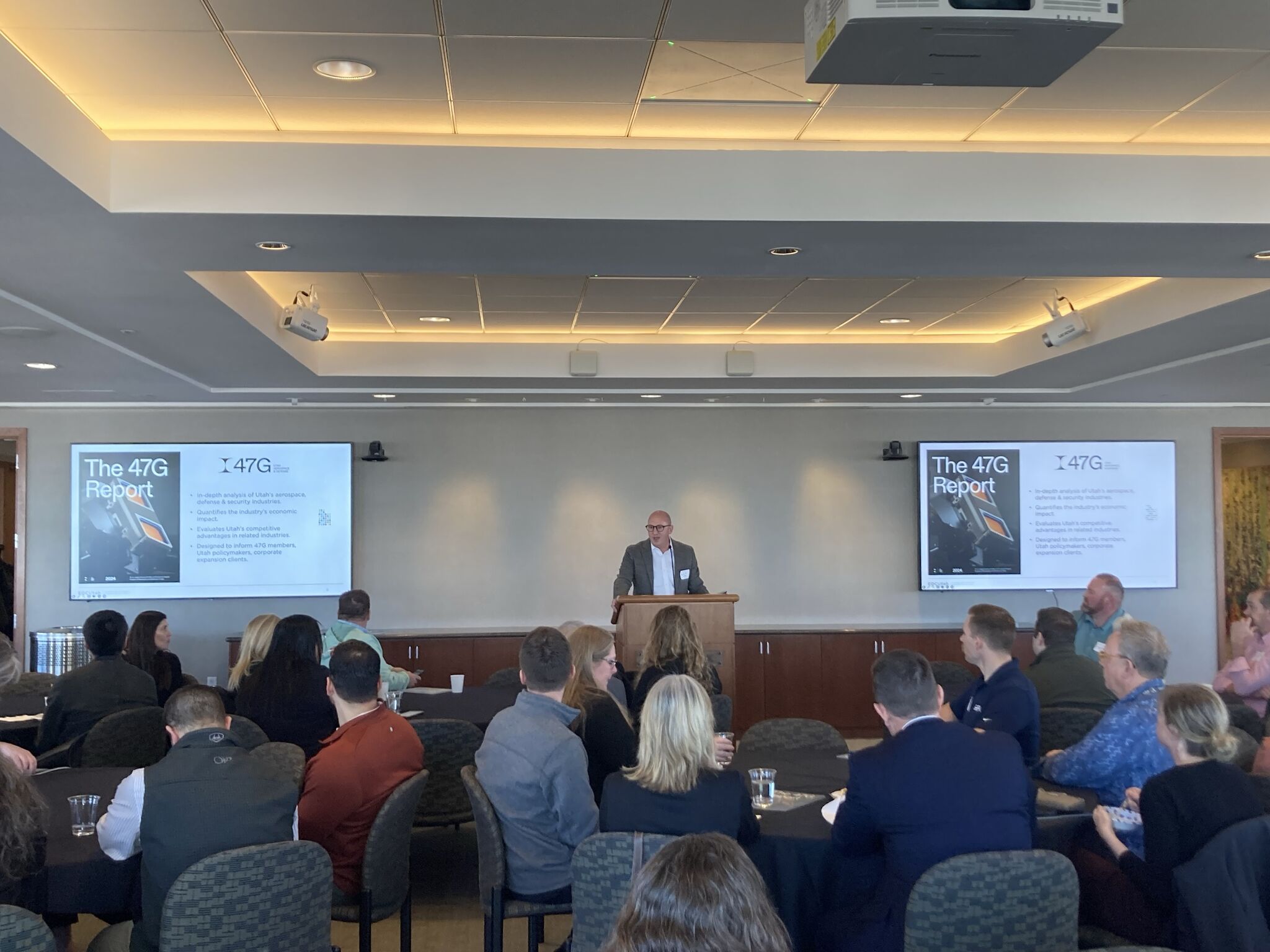
At the most recent Business Development breakfast for EDCUtah investors, the Business Development (BD) team celebrated a surge in Utah project wins.
Previously, in September, we closed the first quarter of the fiscal year with two project wins. While this was fewer wins than the same period last year, it was also expected – we’ve found that companies often delay or pause their final site selection decisions in election years.
But wins picked up again, with 10 companies announcing plans to expand in or relocate to Utah between October 2024 and February 2025. As a result of these wins, EDCUtah exceeded our capital expenditure forecast for the year and landed well ahead of our forecast for square footage absorption.
January 2025 was our busiest month for project wins, with four companies announcing their site selection decisions. For context, EDCUtah has only closed this many monthly wins four times in the last three years.
Securing these site selection decisions for Utah always requires the hard work and contributions of many partners across the state. EDCUtah’s public and private investors bring invaluable expertise, resources, and connections that help companies envision themselves in Utah. As John Merlini of JSL Partners said, “You make the process seamless and present great contacts … [this] played a significant role in JSL choosing Salt Lake City over Phoenix.”
Here are a few of the project wins we discussed at the BD Breakfast:
EDCUtah was pleased to host representatives from Nucor at the BD Breakfast, where they were able to connect with EDCUtah investors. In January, Nucor announced plans to expand in Brigham City, a decision that was nearly four years in the making. EDCUtah supported the project by coordinating requests for information (RFIs) in 2022 and 2023; facilitating connections with Brigham City, UIPA, and D.A. Davidson; as well as organizing a site visit to advance the initiative. Their final decision was the result of collaboration among Brigham City, EDCUtah, Utah Inland Port Authority (UIPA), and the Utah Governor’s Office of Economic Opportunity (GOEO).
“This new facility marks a significant milestone for Nucor Towers & Structures as we scale up our operations to meet the growing demand for utility infrastructure in western states. Utah’s robust infrastructure and skilled workforce make it the ideal location for this investment,” said Laurent De Mey, vice president and general manager of Nucor Towers & Structures. “We are proud to deepen our roots in Brigham City and appreciate the partnership with local leaders.”
Representatives from OxEon Energy also joined EDCUtah staff and investors at the BD Breakfast. In January, the company announced plans to expand its existing Davis County operations with 103 new high-paying jobs and an estimated investment of $99 million over the next six years.
The company’s announcement came as the result of collaboration among EDCUtah, the Northern Utah Economic Alliance (NUEA), Davis County, and the Utah Governor’s Office of Economic Opportunity (GOEO).
EDCUtah supported OxEon by facilitating strategic networking opportunities and providing guidance throughout the tax incentive process. While OxEon worked with GOEO on the state incentives application, EDCUtah provided support and resources to help advance the company’s goals. EDCUtah will continue supporting OxEon in future development phases.
Jessica Elwell, chief operating officer at OxEon Energy, said about the company’s decision to grow in Davis County, Utah:
“Utah offers a unique combination of skilled professionals, a supportive business environment, and access to critical infrastructure, making it the perfect place to scale our efforts. […] We are excited to continue contributing to the state’s growth while driving progress in clean energy technologies.”
Nucor plans create 200 new, high-paying jobs in Brigham City and invest $200 million in Utah over the coming years, reinforcing its role in advancing the steel industry.
Also in January, Bridor selected Salt Lake City for a new food manufacturing facility that will add 400 new jobs and $277 million in capital expenditure over the next 13 years. EDCUtah collaborated with Bridor and a site selection consultant to issue an RFI, connecting the company with available sites and communities. The project received support from EDCUtah investors including JLL, Enbridge, and Salt Lake City.
The company issued the following statement about its decision to locate in Salt Lake City: “Utah’s connectivity to major transportation routes, top-notch labor market, and proximity to diverse and rich agricultural products quickly elevated Utah to the top of our five-state regional review. The strong local support of our project helped Bridor visualize the roadmap for establishing operations here.”
After working with EDCUtah, AeroVironment (AV) announced plans in February to expand its Utah presence by creating 500 new, high-paying jobs in Salt Lake City and investing $42 million over the next five years.
Site selectors at CBRE reached out to EDCUtah at the onset of the project to pull together the right partners for successful deployment. EDCUtah assisted AV in navigating state incentive programs and coordinated a site visit, connecting the company with potential communities and key partners.
“The workforce and economic environment in Salt Lake City and the State of Utah was a great fit for this project,” said Sydney August, director of CBRE, who represented AV in the site selection process. “The ease of doing business here, combined with the strong community support, makes Utah an ideal location for the expansion.”
Hypercraft is the most recent electric vehicle (EV) company to announce an expansion in Utah, with plans to create approximately 183 new high-paying jobs and invest $39 million in Utah over the next seven years.
The company’s decision to expand in Utah was facilitated by EDCUtah and the Governor’s Office of Economic Opportunity (GOEO). EDCUtah assisted Hypercraft in navigating state incentive processes and in coordinating with communities across Utah’s Wasatch Front region. GOEO approved Hypercraft for Economic Development
Tax Increment Financing (EDTIF). EDCUtah will continue to help Hypercraft with incentives from other agencies and by connecting them with our network of private and public sector partners.
Utah continues to advance its leadership in innovative aerospace solutions. In December, CleanJoule announced plans to bring approximately 100 new technically-oriented jobs to Salt Lake City and invest $150 million in Utah over the next ten years.
EDCUtah supported the project by coordinating requests for information on behalf of the company and facilitating connections between CleanJoule and local brokers, including Newmark. Jeff Rossi of Newmark assisted the company in finding its location.
“Utah has an incredible talent pool and excellent leadership at the city and state levels, and Utah’s business-friendly legislature has been instrumental in allowing us to attract outside capital and drive growth,” said Mukund Karanjikar, CEO and founder of CleanJoule. “We see immense potential in the Salt Lake City community and are excited to be part of an ecosystem that values forward-thinking approaches and cultivates an environment where businesses and individuals alike can thrive.”
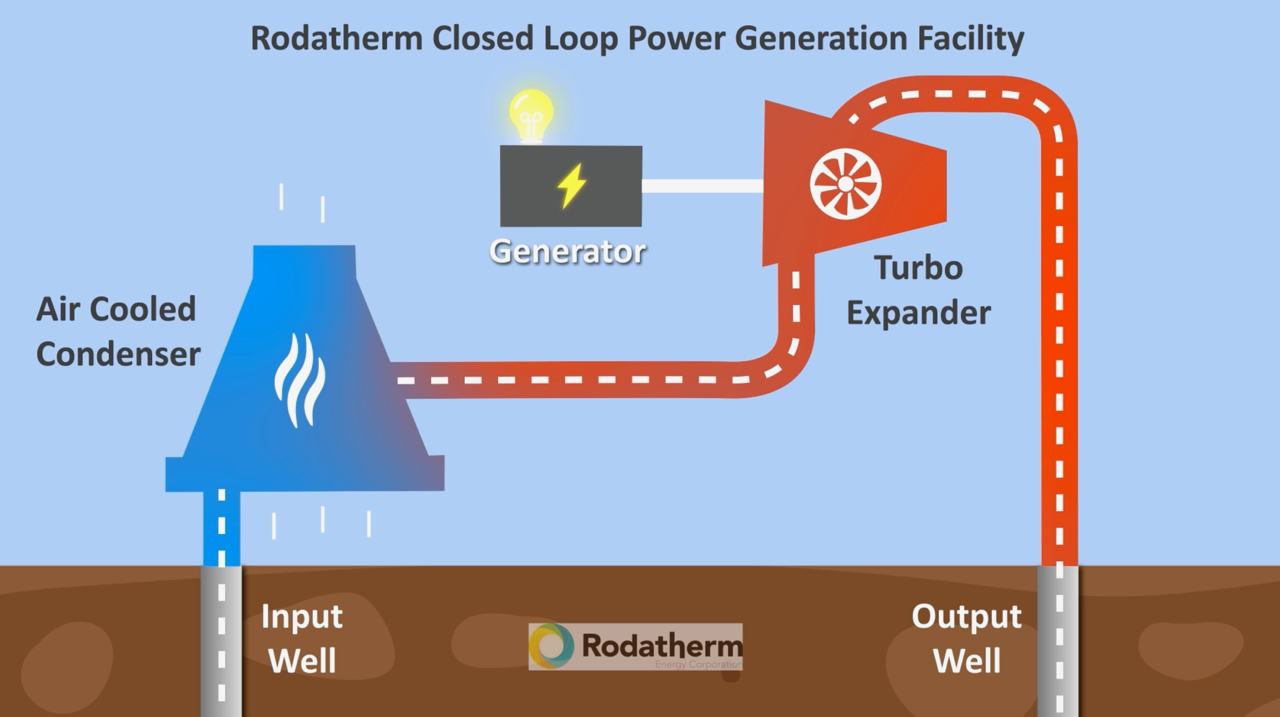
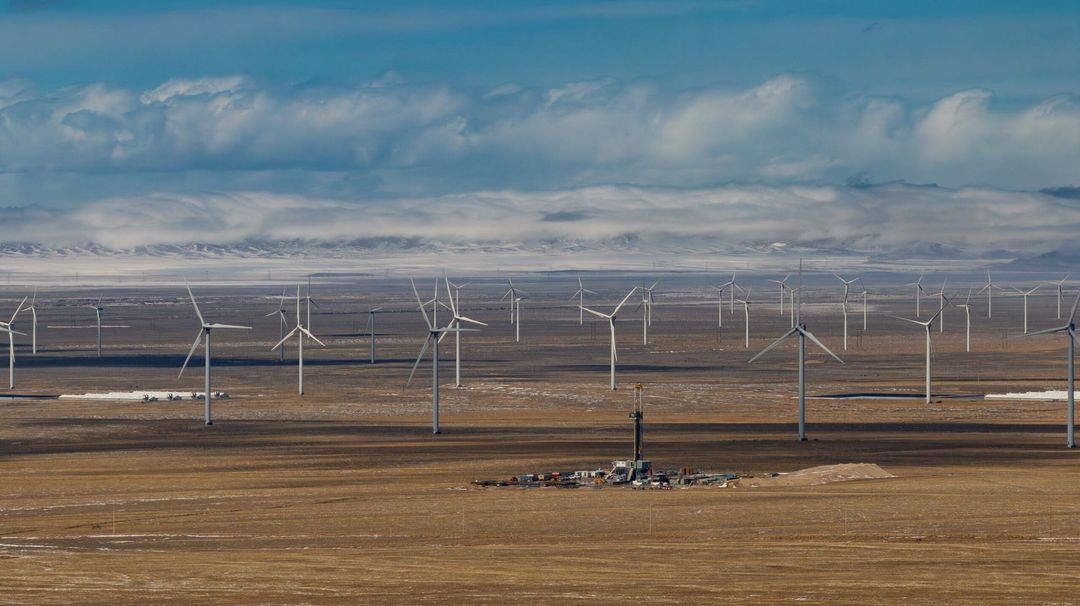
In October, Fervo broke ground on an enhanced geothermal energy production project in Beaver County. Cape Station is slated to produce 400 megawatts of power in the first two phases of the project, and Phase I will begin delivering around-the-clock power to the grid in 2026. Fervo Energy is a potential partner to future companies as they begin generating power, which can be used to attract new development to Beaver County.
“We are so lucky to be building our first greenfield project in Beaver County, Utah,” said Sarah Jewett, vice president of strategy for Fervo Energy. “The community has been hugely welcoming and collaborative and has been an essential partner in the progress we’ve made to date.”
EDCUtah was connected to Fervo Energy by Beaver County and the Governor’s Office of Economic Opportunity. EDCUtah assisted Fervo in exploring available incentive programs in Utah and introduced the company to the Utah Office of Energy Development and the Utah Inland Port Authority. Fervo Energy is a potential partner to future companies as they begin generating power, which can be used to attract new development to Beaver County. Together, EDCUtah, Beaver County, and Fervo Energy will work to attract other companies that will benefit the community.
While we were pleased to see the surge in project wins, we’re keeping a close eye on corporate expansion activity for the rest of the year. The uncertainty of international trade policies and other macroeconomic trends may have a dampening effect on corporate investments—but we don’t yet know how these impacts will play out in the Utah market.
_____
“Building Together” highlights examples of the collective impact of your investment and EDCUtah’s work in communities across the state. Do you have a story you’d like us to share? Email connect@edcutah.org.
For additional information or to schedule an interview, please contact us.


Each month, EDCUtah’s Research Minute highlights compelling economic development data and timely research insights. This month, we highlight the recently published Utah Innovation Ecosystem Report.
Utah’s broad innovation ecosystem ranks high among U.S. states across various measures, according to a new study produced jointly by EDCUtah and the Kem C. Gardner Policy Institute. The study, titled Utah Innovation Ecosystems, highlights the state’s top-ranking performance in innovation capacity and outcomes, driven by a combination of strategic strengths and industry-aligned ecosystems.
The report was commissioned by Utah Governor’s Office of Economic Opportunity and the Utah Policy Innovation Lab to examine the characteristics that contribute to the Utah’s success in innovation and identify gaps or opportunities for improvement. The results of the study offer insights that can help inform Utah’s entrepreneurs, investors, educators, and policymakers.
Here are a few takeaways from the report.
The report found that Utah ranks first in the nation on the Innovation Intelligence Index developed by the Indiana Business Research Center. This index evaluates critical attributes of innovation, including human capital and knowledge creation, business dynamics, business profile, employment and productivity, and economic well-being. Utah’s consistent performance across all these categories, ranking sixth or better in each, cements its status as a hub for innovation and economic growth.

An innovation ecosystem is the dynamic set of actors, activities, artifacts, institutions, and relationships that influence and are essential for the innovative performance of an individual or group. This includes not only direct relationships, but also complementary and substitute relationships, forming a complex and evolving environment for innovation.
Utah’s success is driven by five distinct, industry-aligned ecosystems:
These ecosystems represent varying levels of maturity but collectively contribute to the state’s competitive innovation landscape.

Utah’s potential innovation strengths and opportunities for growth were identified by conducting in-depth interviews with industry experts throughout the state as well as other qualitative analyses. Utah’s core strengths include the role of higher education in cultivating a skilled workforce, a strong culture of entrepreneurship, and the existence of social infrastructure that encourages collaboration among key stakeholders.
The report also outlines areas where Utah could further enhance its innovation ecosystems. Opportunities for growth include the further development of physical infrastructure, particularly research facilities, incubation spaces, and innovation hubs. Additionally, continuing to attract venture capital and other funding sources remains critical, especially in sectors like aeronautics, energy production, and health care.
By addressing these potential gaps, Utah has the opportunity to not only sustain but also accelerate its trajectory as a leader in innovation. The state’s strategic focus on infrastructure, funding, and collaboration will be crucial in ensuring long-term economic growth and continued success in fostering innovation and maintaining Utah’s status as one of the best states in the nation for innovation and economic growth.
_____
For more data like this, email us at connect@edcutah.org or explore the benefits of investing with EDCUtah.
For additional information or to schedule an interview, please contact us.

103 jobs
$99.4 million capex
Project Oxygen
Congratulations to Davis County and the City of North Salt Lake! OxEon Energy, an innovative leader in clean energy technology and advanced materials, announced plans to bring approximately 103 new high-paying jobs to Davis County and invest $99.4 million in Utah over the next 6 years.
The company’s announcement came as the result of collaboration among the Northern Utah Economic Alliance (NUEA), EDCUtah, Davis County, and the Utah Governor’s Office of Economic Opportunity (GOEO).
EDCUtah supported OxEon by facilitating strategic networking opportunities and providing guidance throughout the tax incentive process. While OxEon worked more directly with GOEO, EDCUtah provided encouragement and resources to help advance the initiative. EDCUtah will continue supporting OxEon in future development phases.
“OxEon has been a valued partner in Davis County since 2021, and we fully support their growth,” said Chanel Flores, economic development director of the Office of Community & Economic Development for Davis County. “They exemplify how businesses can effectively leverage loan funding to drive impactful innovation. We’re grateful to the GOEO board for extending this EDTIF opportunity, which will further support OxEon Energy’s expansion and contributions to our community.”
“In the coming decades, clean energy will be a key component of economic growth not only in northern Utah but also globally. We congratulate OxEon on their advances in energy technology and look forward to their continued expansion in northern Utah’s economy,” said Chris Roybal, president of NUEA.
“OxEon’s growth is a testament to the remarkable energy innovation happening right here in Utah,” said Scott Cuthbertson, president of EDCUtah. “This project showcases our commitment to fostering the success of local companies and highlights the potential for groundbreaking innovation within our communities. EDCUtah will continue to champion initiatives that support the growth of Utah-based businesses and strengthen our state’s economy.”
OxEon Energy is a pioneering leader in the development of solid oxide technologies and is committed to driving innovation and sustainability in the energy sector. With expertise in solid oxide fuel cells (SOFC) and solid oxide electrolysis cells (SOEC), OxEon specializes in transforming carbon dioxide and water into clean fuels and high-purity gases. Their advanced systems enable efficient energy storage and production, addressing the needs of industries ranging from aerospace to renewable energy. Renowned for their contribution to NASA’s MOXIE project, which produced oxygen on Mars, OxEon is at the forefront of groundbreaking advancements. By leveraging state-of-the-art technologies and a dedication to sustainable solutions, OxEon is reshaping the future of clean energy while enabling industries to meet global energy demands sustainably.
“OxEon Energy’s decision to expand our operations in Utah reflects our deep commitment to the state’s thriving innovation ecosystem and talented workforce,” said Jessica Elwell, chief operating officer at OxEon Energy. “Utah offers a unique combination of skilled professionals, supportive business environments, and access to critical infrastructure, making it the perfect place to scale our efforts in advancing sustainable energy solutions. The state’s unparalleled outdoor culture also enhances work-life balance for our employees, helping us attract and retain top talent. We are excited to continue contributing to the state’s growth while driving progress in clean energy technologies.”
The Utah Governor’s Office of Economic Opportunity (GOEO) – an EDCUtah founding investor – assisted the project by approving OxEon for Economic Development Tax Increment Financing (EDTIF).
“Utah is committed to advancing clean energy solutions and creating jobs that fuel economic growth,” said Ryan Starks, executive director of GOEO. “This incentive helps build a more sustainable future by supporting companies like OxEon as they develop groundbreaking technologies to shape the future of energy.”
Jared Stewart, senior business development manager, led Project Oxygen for EDCUtah.
_____
EDCUtah Investors: If you were involved with this project and would like to have your organization mentioned, please email connect@edcutah.org and we’ll update this article.
For additional information or to schedule an interview, please contact us.

183 jobs
$39 million capex
Project Aegis
Hypercraft, a cutting-edge provider of electric powertrain systems, announced plans to bring approximately 183 new high-paying jobs and invest $39 million in Utah during the next seven years.
“We are very grateful for the support we have received from EDCUtah and the Governor’s Office of Economic Opportunity as we continue to grow and scale our business, technologies, and employee base here in Utah,” said Jake Hawksworth, CEO of Hypercraft.
EDCUtah assisted Hypercraft in navigating state incentive processes and in coordinating with communities across the Wasatch Front. EDCUtah will continue to help Hypercraft with incentives from other agencies and by connecting them with our network of private and public sector partners.
“We are thrilled to celebrate Hypercraft’s expansion in Utah,” said Scott Cuthbertson, president of the Economic Development Corporation of Utah (EDCUtah). “Its innovative advanced propulsion technology is revolutionizing the automotive industry and will be right at home in the Beehive state as a growing company creatively solving the challenges of our day.”
With the goal of making electric vehicle (EV) technology available to everyone, Hypercraft supplies complete, plug-and-play electric drive systems for everything from one-off creations to large-scale electric vehicle production. The company’s client base includes chassis fabricators, custom and restomod shops, manufacturers of automobiles, boats, off-road, powersports, and racing vehicles, fleets, small equipment, and anything in between. Hypercraft strives to give companies access to advanced propulsion technology and to help those companies scale their businesses quickly.
The Utah Governor’s Office of Economic Opportunity (GOEO) – an EDCUtah founding investor – assisted the project by approving Hypercraft for Economic Development Tax Increment Financing (EDTIF).
“Utah is driving innovation in the electric vehicle industry, shaping the future of sustainable, eco-friendly transportation,” said Ryan Starks, executive director of the Governor’s Office of Economic Opportunity. “Our commitment to advancing research and production ensures Utah is leading the charge in manufacturing technology and innovation. Companies like Hypercraft are driving this progress, serving as hubs for groundbreaking solutions that will power a more sustainable future.”
Jared Stewart, senior business development manager, led Project Aegis for EDCUtah.
_____
EDCUtah Investors: If you were involved with this project and would like to have your organization mentioned, please email connect@edcutah.org and we’ll update this article.
For additional information or to schedule an interview, please contact us.
30 jobs
Project Thermos
Congratulations to Beaver County! In October, Fervo broke ground on power plant construction at Cape Station, an enhanced geothermal energy production project located northeast of Milford City, Utah. Enhanced geothermal utilizes horizontal drilling technology to produce more energy than previously available with traditional geothermal power development.
“Fervo Energy’s commitment to Beaver County and Milford City sets the gold standard,” said Jen Wakeland, strategic development director for Beaver County. “They are community-oriented players who know the value of energy production in a community. We are thrilled to have them here in Beaver County.
Cape Station is slated to produce 400 megawatts of power in the first two phases of the project, and Phase I will begin delivering around-the-clock power to the grid in 2026. Fervo has already hired three full-time staff from the local community and will create hundreds of temporary construction jobs in the coming years. Fervo anticipates that Cape Station, when complete, will employ up to 30 full-time permanent workers.
“We are so lucky to be building our first greenfield project in Beaver County, Utah,” said Sarah Jewett, vice president of strategy for Fervo Energy. “The community has been hugely welcoming and collaborative and has been an essential partner in the progress we’ve made to date.”
EDCUtah was connected to Fervo Energy by Beaver County and the Governor’s Office of Economic Opportunity. EDCUtah assisted Fervo in exploring available incentive programs in Utah and introduced the company to the Utah Office of Energy Development and the Utah Inland Port Authority. Fervo Energy is a potential partner to future companies as they begin generating power, which can be used to attract new development to Beaver County. Together, EDCUtah, Beaver County, and Fervo Energy will work to attract other companies that will benefit the community.
“Utah continues to showcase its leadership in renewable energy innovation with projects like Fervo Energy’s Cape Station,” said Scott Cuthbertson, president of EDCUtah. “By leveraging cutting-edge enhanced geothermal technologies, Fervo is not only creating new energy solutions but also contributing to local job creation and economic growth in Beaver County. We’re excited to see Fervo’s commitment to sustainable energy production and are proud to welcome them to Utah’s thriving energy landscape.”
Fervo is leading a wave of ingenuity and technological innovation that is expanding geothermal’s potential, vastly increasing geothermal energy production capabilities, and broadening project viability to previously inaccessible areas of the country.
Jared Stewart, senior business development manager, supported Project Thermos for EDCUtah.
_____
EDCUtah Investors: If you were involved with this project and would like to have your organization mentioned, please email connect@edcutah.org and we’ll update this article.
For additional information or to schedule an interview, please contact us.

90 jobs
$7.3 million capex
Project Treefrog
Today, the Utah Governor’s Office of Economic Opportunity (GOEO) and the Economic Development Corporation of Utah (EDCUtah) are pleased to announce that EnergiSpot plans to bring 90 new, high-paying jobs and invest nearly $7.3 million in Utah over the next 10 years.
“The future of electric vehicles is changing rapidly, and we’ll need the infrastructure to keep up with the growth,” said Ryan Starks, executive director of the Governor’s Office of Economic Opportunity. “We’re thrilled EnergiSpot chose to grow in Utah and look forward to the impact it’ll have on the sustainable energy industry of our state and the nation.”
Driven by a deep commitment to clean energy and sustainability, EnergiSpot is dedicated to advancing the research, development, manufacturing, and distribution of integrated electric vehicle supply equipment (EVSE) solutions to support mobility and electric vehicle (EV) adoption. Through a joint venture with eTreego, Taiwan’s leading EVSE manufacturer, EnergiSpot brings decades of expertise and know-how to establish a U.S.-based factory that will manufacture residential, commercial, and fleet EV charging solutions. EnergiSpot’s fit-for-purpose EVSE can be combined with solar and energy storage solutions to minimize grid impact and infrastructure requirements and optimize cost efficiency for end users. By providing turnkey, end-to-end service, EneriSpot eliminates barriers to deployment and makes installation, operation, and maintenance seamless.
“With its reputation as the strongest economy in the U.S. and the crossroads of the West, Utah is an ideal place for EnergiSpot to put down the roots that will help us expand critical EV infrastructure across the country,” said Ron Heffernan, co-founder of EnergiSpot. “We are committed to positively impacting the local community and are grateful for the support from the state, which will help us accelerate our mission of electrifying the nation.”
“Utah’s advanced manufacturing industry is gaining global attention, thanks to the collaboration of many partners across the state,” said Scott Cuthbertson, president and CEO of EDCUtah. “We look forward to seeing the innovation that comes out of this foreign direct investment win.”
“Spanish Fork City is excited to welcome EnergiSpot to the Verk Industrial Project,” said Dave Anderson, community and economic development director at Spanish Fork City. “We believe EnergiSpot will play an important role in our nation’s transition from fossil-fueled mobility to electrified transportation. They will join a number of other companies in Spanish Fork that utilize cutting-edge technology to improve our way of life.”
Katherine Morrell-Moser, senior business development manager, led Project Treefrog for EDCUtah. Jeff Heaton and Ben Richardson from Newmark, an EDCUtah Builder’s Circle investor, worked on the project.
_____
EDCUtah Investors: If you were involved with this project and would like to have your organization mentioned, please email connect@edcutah.org and we’ll update this article.
For additional information or to schedule an interview, please contact us.
Each month, EDCUtah’s Research Minute highlights interesting economic development data and timely research insights. This month, we explore energy costs in Utah compared to the nation.
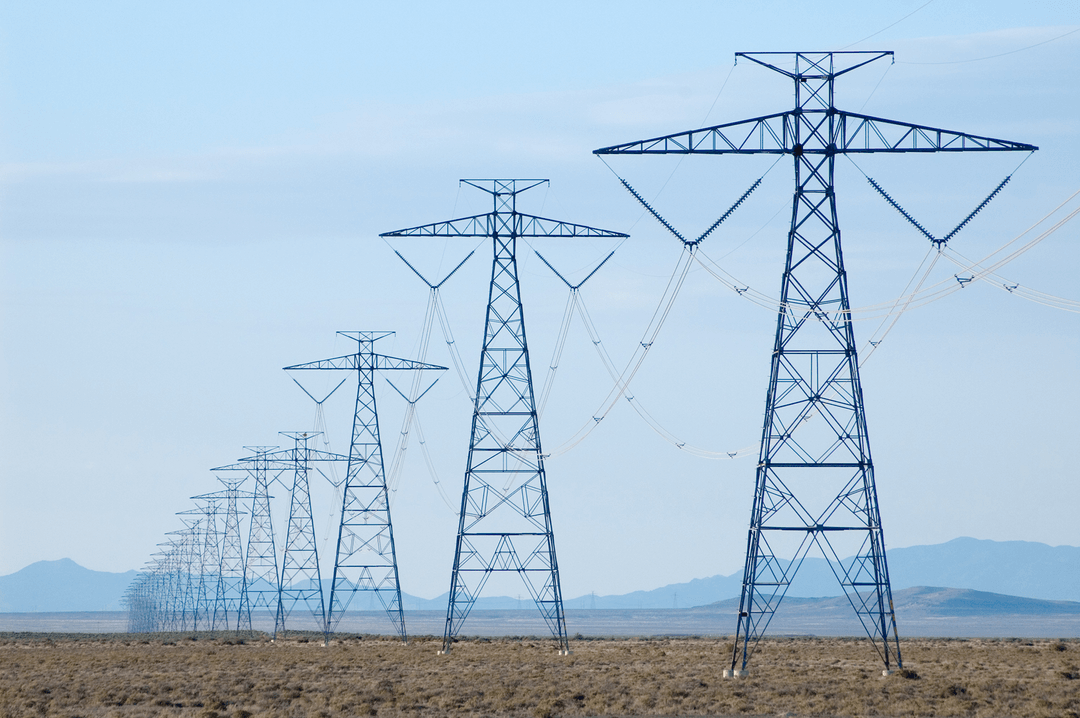
For many years, Utah has enjoyed relatively low energy costs, for both electricity and natural gas, compared to many other states in the U.S. This is true for residential, commercial, and industrial consumers. EDCUtah routinely provides energy cost data to businesses and site selectors considering Utah for expansion, and lower energy costs have been a significant driver for corporate relocation projects to Utah from high-cost states such as California and New York.
According to the U.S. Energy Information Administration, Utah has the fourth lowest electricity costs in the nation for all sectors at 9.03 cents per kilowatt hour—behind North Dakota, Wyoming, and Louisiana. In states with higher costs, residents and businesses may pay double or even triple this amount. Hawaii’s cost per kilowatt hour is 38.7, and California is at 24.73 cents per kilowatt hour. For high energy users, these costs can be more than prohibitive; they could mean the difference between success and failure as a business. In 2023, Utah also ranked fourth in the nation for cheapest natural gas costs in all sectors, behind Idaho, North Dakota, and South Dakota. However, natural gas rates have fluctuated in Utah and other states in recent months.
High inflation in the energy sector continues to be a major hurdle for residents and businesses. Energy prices rose 4.4% from January to February in 2024, registering the highest monthly increase since August 2023, according to the U.S. Bureau of Labor Statistics compiled Producer Price Index in February.
While Utah is not immune to this inflation, residents and businesses continue to enjoy relatively low energy costs in all sectors. New data shows that Utah may become the cheapest state in the nation for energy in 2024. According to an analysis of federal data, Utah is projected to have the lowest electricity rates in the nation in 2024, with the annual costs estimated to be $1,047.27 per resident. This is significantly lower than high-cost states, like Hawaii at $3,450.55, as well as the national average of $1,730.55 per resident.
Utah’s cost-effective energy can be attributed to a mixed portfolio approach to energy that includes wind, hydroelectric, and solar, according to representatives of Rocky Mountain Power. Rocky Mountain Power and Dominion Energy are the two primary electricity and natural gas providers in Utah and are committed to keeping energy affordable. Diversity and redundancy help keep Utah energy costs low. Coal and natural gas continue to be the highest producers of electricity in Utah, but renewable generation, including hydro, wind, solar, and other sources account for 359,000 MWh, increasing every year.
_____
For more information, including a breakdown of rates by category, email us at connect@edcutah.org or explore the benefits of investing with EDCUtah
For additional information or to schedule an interview, please contact us..
25 jobs
5,000 sq ft.
$2 million capex
Project Recycle
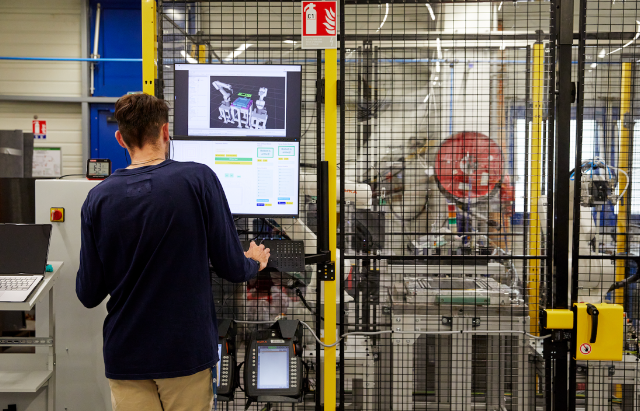
The Economic Development Corporation of Utah (EDCUtah) and the Utah Governor’s Office of Economic Opportunity (GOEO) are pleased to announce that Fairmat, the leading French deeptech company specializing in carbon fiber recycling, selected Utah for their first U.S. facility (Q2 2024). This expansion will leverage Fairmat’s tech-enabled manufacturing processes to address carbon fiber waste in the United States.
“We’re thrilled to have Fairmat establish its U.S. presence in Utah,” said Ryan Starks, executive director of the Utah Governor’s Office of Economic Opportunity. “Carbon fiber recycling is crucial, particularly with Utah’s strong presence of aerospace and manufacturing companies. Our state values environmental stewardship, and we hope Fairmat’s move to Utah will lead the way in attracting like-minded businesses and promoting a circular economy.”
“This partnership demonstrates how strategic economic development can support existing Utah companies and target industries,” said Scott Cuthbertson, president and CEO of EDCUtah. “Company leaders in Utah’s advanced manufacturing industry saw an opportunity to improve the carbon fiber supply chain locally. After years of collaboration to find the right solution, Utah will welcome the first carbon fiber recycling facility of its kind in the U.S.”
Fairmat’s breakthrough recycling process transforms carbon fiber composites, working with clients across industries. Their R&D investments in robotics, artificial intelligence, and data-driven manufacturing allows them to produce 100 percent recycled, high-performance repurposed materials, strengthened yet lightweight.
This new manufacturing facility and office in the U.S. will bring Fairmat closer to the region’s carbon fiber material hub and its U.S. clients. Building on its success in Europe, Fairmat will establish a high-tech closed-loop ecosystem, diverting carbon fiber materials from landfills by recycling these composites and incorporating them into product design in the U.S.
“At Fairmat, we are reinventing the recycled carbon fiber chain. Our ecosystem is a fully-integrated infrastructure that spans the entire value chain, from research and development to design and manufacturing. Today, I am excited that our highly skilled workforce will soon provide our solutions and engineering know-how for our U.S. customers,” said Antoine de Turckheim, Fairmat U.S. country manager.
Fairmat will also provide the local Utah workforce with a unique opportunity to join a deeptech startup while at the same time an industrial company.
Alice Balagué, Fairmat chief impact officer, highlighted the company’s unique appeal: “Fairmat presents two compelling facets for our current talent and these future roles: first, our impact-driven approach appeals to professionals passionate about making a difference within a startup environment. Second, our focus on deep tech and industrial engineering attracts those enthusiastic about contributing to innovative solutions.”
“With the growing innovation sectors here in Salt Lake City, we’re perfectly situated and excited to welcome Fairmat to our city,” said Lorena-Riffo Jenson, director of the Salt Lake City Department of Economic Department. “The environmentally-conscious work of recycling materials that would otherwise find their way into a landfill is an appreciated addition to the business ecosystem along the Wasatch Front.”
Utah Advanced Materials Manufacturing Initiative (UAMMI) organized industry support to attract a carbon fiber recycling company to Utah and brought the opportunity to EDCUtah. UAMMI’s report, Potential for Carbon Fiber Recycling, provided foundational research to support Fairmat’s decision to open in Utah.
Erin Farr, vice president of business development, led Project Recycle for EDCUtah.
_____
Investors: If you were involved in this project and would like to add your organization to this announcement, please email connect@edcutah.org.
For additional information or to schedule an interview, please contact us.
About Fairmat
Established in 2020 by Benjamin Saada, Fairmat specializes in recycling carbon fiber, manufacturing second-gen composites, and designing circular industrial solutions. Fairmat works with clients across industries, from electronics and mobility to sports and lifestyle. Headquartered in France with a manufacturing facility, an office in Spain and over 150 dedicated employees, Fairmat is actively expanding internationally. For more information, visit Fairmat.