A1 Lithium Announces Plans to Advance Green River Lithium Project in Utah
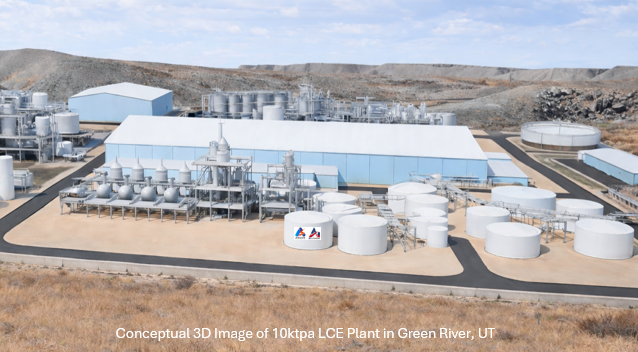
138 jobs
$546 million capex
Project A1
Congratulations to A1 Lithium, the City of Green River, and Emery County! A1 Lithium, a company focused on developing critical mineral resources, announced plans to advance the Green River Lithium Project in Utah’s Paradox Basin. The project is expected to create 138 new jobs and bring $546 million in capital investment to Utah, strengthening domestic lithium production and supporting the growing U.S. EV and energy storage industries.
The company’s announcement came as the result of collaboration among the City of Green River, EDCUtah, the Utah Inland Port Authority (UIPA), and the Utah Governor’s Office of Economic Development (GOED).
“This is a major step forward, not only for A1 Lithium but also for Green River and rural Utah,” said David Wilson, director of planning and enforcement with the City of Green River. “This project brings real investment, good-paying jobs, and long-term economic opportunities to our community while putting Green River at the center of strengthening America’s domestic supply of critical minerals. We’re excited to see how this investment moves forward and what it can mean for Green River for years to come.”
“A1 Lithium’s investment in south-eastern Utah will be transformational for the City of Green River, Utah’s production of critical minerals, and our nation’s broader reindustrialization efforts,” said Ryan Starks, executive director of EDCUtah. “EDCUtah is proud to support A1 Lithium as they grow and expand, and our network looks forward to continuing to support the company as they invest in the region and create long-term opportunities.”
A1 Lithium Inc. explores and develops critical minerals, operating as a wholly owned subsidiary of Australian-listed Anson Resources. Based in Utah, it aims to supply high-purity lithium carbonate for EVs and energy storage, employing environmentally friendly extraction methods. The Green River Lithium Project, situated in Utah’s Paradox Basin, is an advanced-stage lithium extraction site strategically positioned to become a key domestic supplier of battery-grade lithium carbonate for the growing U.S. EV and energy storage sectors.
The first phase of the project is designed to produce approximately 10,000 metric tons of battery-grade lithium carbonate annually. Lithium is a critical mineral used in electric vehicles, energy storage systems, electronics, defense applications and other advanced technologies.
“Apart from the advantageous geological conditions of the Green River Lithium Project, A1 Lithium decided to invest in Utah due to the high-level support for the development of critical mineral projects to meet the strategic objective of re-establishing supply chains in the USA,” said Bruce Richardson, president of Anson Resources. “Utah’s transparent mining policies and aim of making quick application determinations were also a factor in this decision. We have received an unprecedented level of support from GOED and UIPA as well as other Government of Utah agencies for which we express our appreciation. We are excited to proceed with this project that we expect will bring about a generational change in the economy and livelihood of the people of Green River and south-eastern Utah.”
To support the project, the Utah Inland Port Authority recently offered A1 Lithium a property tax incentive. These incentives are designed to promote economic growth, including significant investments in public infrastructure.
“This project has the potential to create generational economic opportunity in Green River while strengthening a supply chain that is increasingly important to our national economy and security,” said Ben Hart, UIPA executive director. “It builds on the region’s history, infrastructure and skilled workforce while opening the door to an entirely new industry for eastern Utah.”
The Utah Governor’s Office of Economic Development (GOED) assisted the project by approving A1 Lithium for a Rural Economic Development Tax Increment Financing (REDTIF) incentive.
“Developing domestic supply chains for critical minerals is a key focus of both state and national energy infrastructure strategies,” said GOED Commissioner Jefferson Moss. “The Green River Lithium project in Emery County marks a significant advancement for rural economic growth in Utah. It establishes a sustainable and long-term industrial base, creating well-paying jobs in rural areas and strengthening Utah’s role in producing energy materials domestically.”
Jared Stewart, senior business development manager, assisted Project A1 for EDCUtah.
_____
If you were involved with this project and would like your organization mentioned, please email connect@edcutah.org and we’ll update this article.
For additional information or to schedule an interview, please contact us.
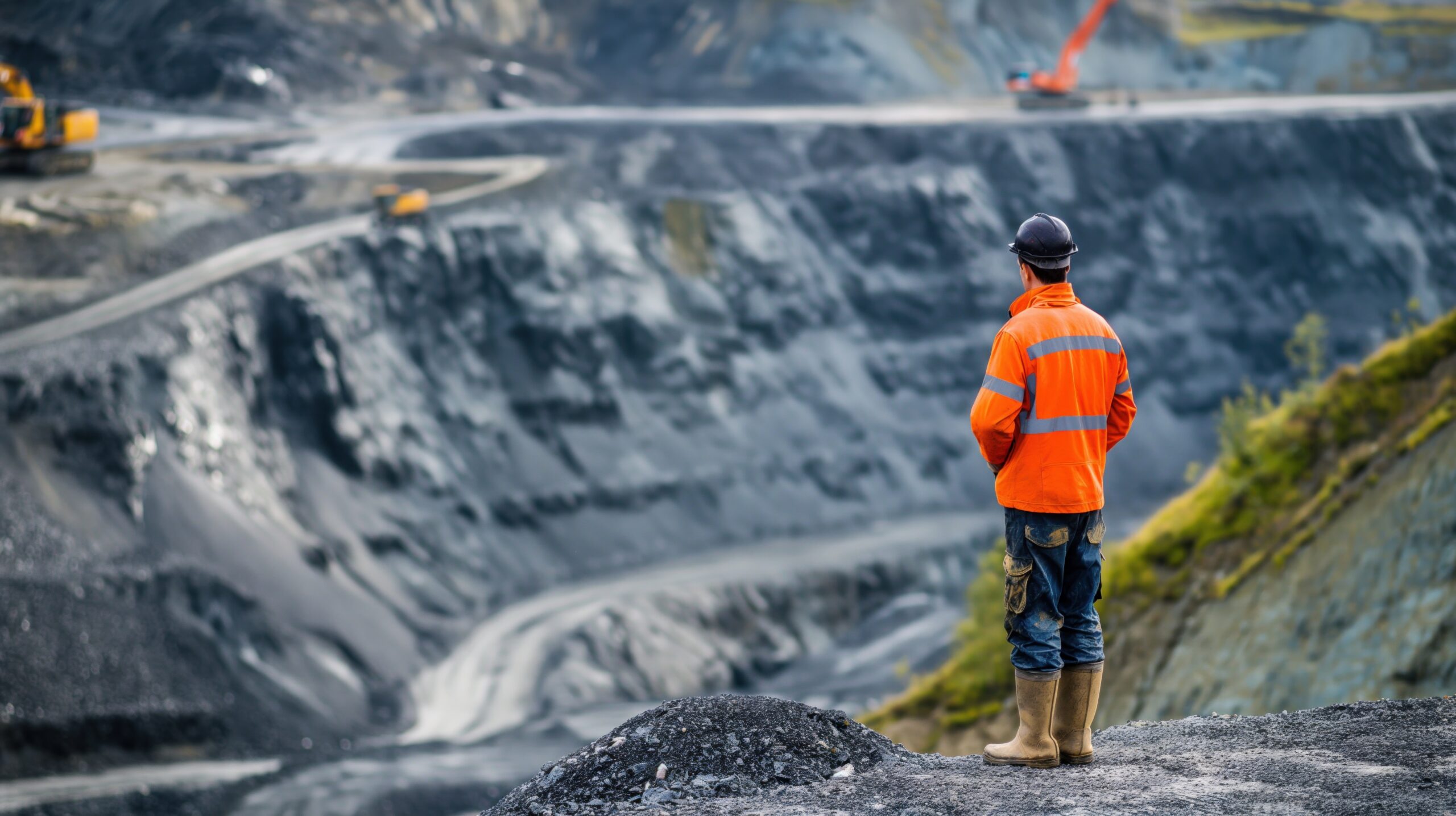
400 jobs
$287 million capex
Project Lucy
Congratulations to Garfield County and Iron County! Trigg Minerals, LLC (DBA American Tungsten and Antimony Ltd, or “ATAA”), a next-generation critical minerals company, has announced plans for new mining operations in Antimony Canyon, Garfield County, alongside a high-tech, clean refining facility planned in Iron County. The project marks a major milestone as Trigg Minerals moves to become the first U.S. producer and supplier of antimony, a critical mineral used in fire retardants, lead-based batteries, and ammunition. Trigg Minerals plans to add 400 new jobs and invest $287 million in Utah, supporting long-term economic growth across rural communities.
“This project represents a significant opportunity for Garfield County and rural Utah as a whole,” said Kaden Figgins, Garfield County director of planning & economic development. “The development of domestic antimony production in Antimony Canyon highlights the strategic importance of our region’s natural resources while creating meaningful economic opportunities for local residents. We appreciate ATAA’s commitment to investing in rural communities and advancing responsible resource development that supports long-term economic resilience, job creation, and national supply chain security.”
“This is a game-changer for our local economy and the future of our residents,” said David Johnson, economic development director of Cedar City and Iron County. “The arrival of Trigg Minerals represents a generational shift for our workforce that will provide hundreds of families with stable, high-paying jobs. We are grateful for this opportunity that ensures a more prosperous and resilient future for all of rural Utah.”
Trigg Minerals is advancing a vertically integrated critical minerals initiative in southern Utah, opening Antimony Canyon in Garfield County to new mining operations while developing a high-tech, clean refining facility in Iron County. This dual-site approach enables in-state extraction and processing, positioning ATAA to become the first domestic producer and supplier of antimony—a material essential to applications such as fire retardants, lead-based batteries, and ammunition.
“EDCUtah is honored to support ATAA as it addresses a critical gap in the U.S. domestic supply chain,” said Ryan Starks, executive director of EDCUtah. “Utah is uniquely positioned to play a meaningful role in the production of critical minerals, and ATAA is helping lead the responsible development of antimony resources. We commend ATAA’s efforts to create high-quality jobs in rural Utah and to advance materials refining through clean, resource-conscious practices.”
“This recognition from the State of Utah represents a major milestone for American Tungsten and Antimony and reinforces the strategic importance of establishing a secure, domestic supply chain for critical minerals in the United States,” said Andre Booyzen, CEO of American Tungsten & Antimony Ltd. “Our planned antimony tertiary refining facility and integrated mining and processing strategy are designed to support America’s growing demand for materials essential to defence, energy, and advanced manufacturing. We are proud to be investing in rural Utah, creating high-quality jobs, and contributing to the long-term economic strength of Iron and Garfield Counties and the wider region. This project reflects our commitment to responsible development, industrial innovation, and helping position the United States as a leader in critical minerals independence at a time when supply chain security has never been more important.”
The Utah Governor’s Office of Economic Opportunity (GOED) assisted the project by approving Trigg Minerals for a Rural Economic Development Tax Increment Financing (REDTIF) incentive.
“Trigg Minerals’ expansion into Garfield and Iron Counties is a monumental win for Utah that perfectly captures the essence of our strategic economic vision,” said Jefferson Moss, commissioner of GOED. “By establishing the nation’s first modern antimony tertiary refining facility right here in our state, we are doing more than just creating 400 jobs in a rural Utah community; we are securing Utah’s position as a critical hub in the global supply chain for defense, renewable energy, and technology. This project exemplifies our commitment to diversifying rural economies and ensuring that Utah leads the way in domestic mineral security and industrial innovation.”
This project was supported by key partners across the state, including the GOED, the Utah Inland Port Authority (UIPA), Iron County, the Southern Utah Economic Alliance (So.Utah), BZI, and ARCO Design/Build.
Jared Stewart of EDCUtah and Jen Wakeland of GOED supported Project Lucy for the State of Utah.
_____
EDCUtah Investors: If you were involved with this project and would like your organization mentioned, please email connect@edcutah.org and we’ll update this article.
For additional information or to schedule an interview, please contact us.
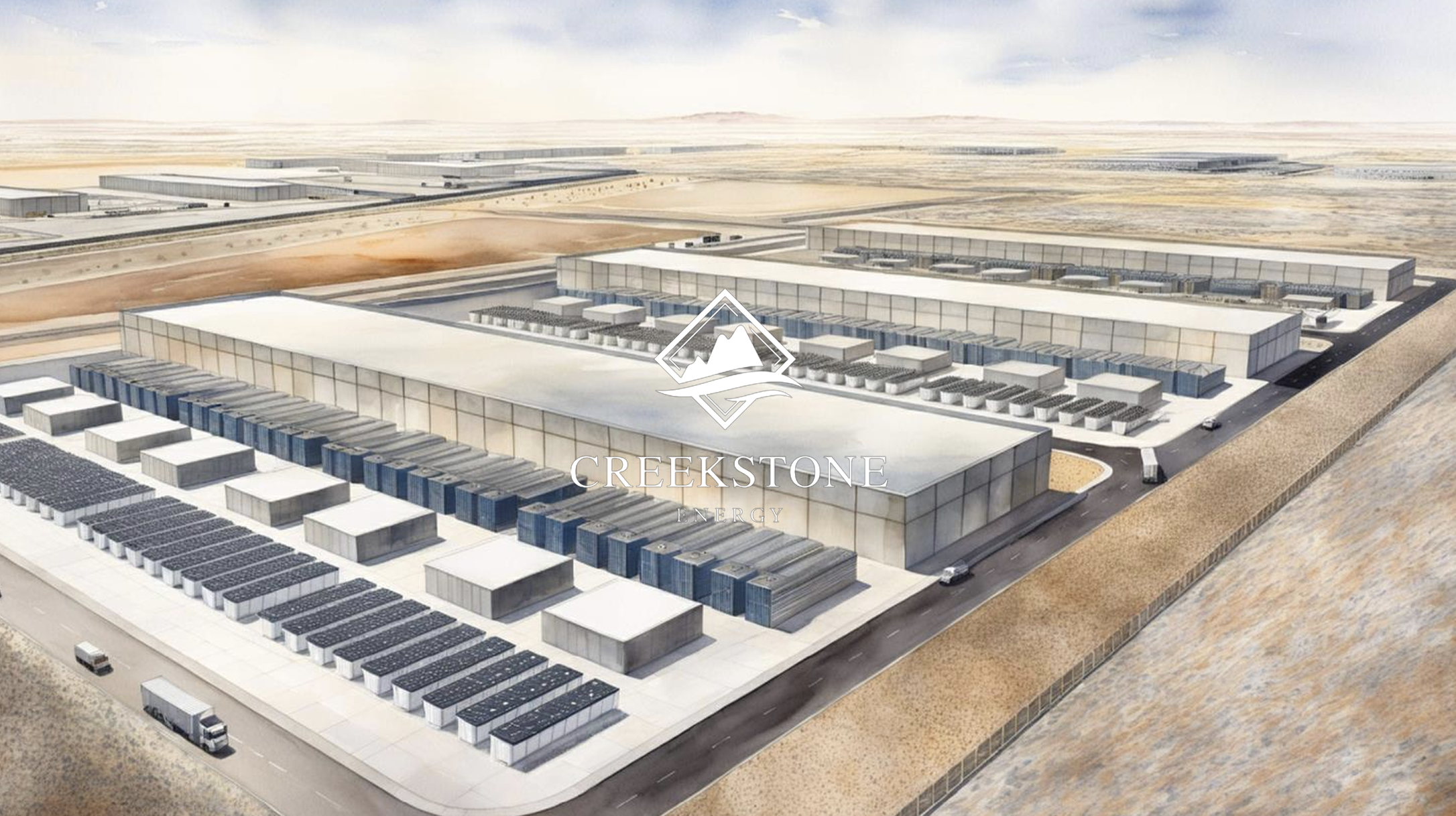
106 jobs
$17 billion capex
Project Flute
Congratulations to Millard County! Creekstone Energy, a large-scale, next-generation power and AI data center company, has announced plans to develop a major campus in Millard County focused on energy generation and data center facilities. Creekstone Energy plans to add 106 new, high-paying jobs and invest $17 billion in Utah over the next 20 years, supporting new opportunities and continued economic growth in the region.
“This project represents a defining moment for Millard County,” said Trevor Johnson, Millard County commissioner. “Our community has deep roots in agriculture and a long tradition of hard work, stewardship, and self-reliance, and this investment builds on that foundation while expanding our increasingly diverse economy. Millard County is excited to have the Creekstone Gigasite in our county and look forward to embracing new opportunities with quality jobs, strengthening local infrastructure, and ensuring long-term prosperity for the families and industries that call Millard County home.”
The “Creekstone Gigasite” project, which began construction late last year in Millard County, will be a large-scale, next-generation power and AI data center. Located near Delta, Utah, this campus will feature an integrated on-site natural gas power generation system, utility-scale solar energy, and purpose-built data processing facilities, all situated on a single contiguous site that operates independently of the constrained utility grid. This “behind-the-meter” design serves as the foundation for what the company aims to establish as the world’s largest AI-optimized data center, with a capacity of 10 gigawatts.
“EDCUtah is proud to support companies that are bringing new value and long-term opportunity to rural communities,” said Ryan Starks, executive director of EDCUtah. “Creekstone Energy is part of a generational buildout of critical infrastructure, and they are doing so with a forward-thinking approach, including no evaporative water use for cooling. Their plan includes a diverse, resilient mix of power generation that aligns well with Utah’s ‘all of the above’ energy strategy. We anticipate Creekstone will be a strong partner in supporting local economic growth and creating opportunity for many years to come.”
“Delta and Millard County have long been central to Utah’s energy economy, and that history is a big part of why this location is right for a project of this scale,” said Ray Conley, president and CEO of Creekstone Energy. “The energy generation capacity and distribution infrastructure, combined with world-class fiber connectivity that serves this region, create a convergence that is unmatched. We are grateful to local and state leadership for recognizing that opportunity and for their confidence in what Creekstone is building. This incentive reflects a genuine partnership, and Creekstone is committed to being a long-term contributor to this community and this state. Utah is positioning itself to play a central role in America’s AI future.”
The Utah Governor’s Office of Economic Opportunity (GOEO) assisted the project by approving Creekstone Energy for a Rural Economic Development Tax Increment Financing (REDTIF) incentive.
“This project highlights Utah’s innovative economy and our commitment to shared growth across the state,” said Jefferson Moss, Executive Director of the Governor’s Office of Economic Opportunity. “Creekstone Energy will bring significant investment and high-paying jobs to Millard County, strengthening the economic foundation for rural Utah and supporting the infrastructure needs of the energy and technology sectors.”
This project was supported through close collaboration with key partners across the state. Special thanks to Steve Styler of Foxley & Pignanelli, GOEO, Millard County, and the School and Institutional Trust Lands Administration (SITLA) for their engagement and support throughout the process. Other investors and businesses across the State will support Creekstone as service providers.
Jared Stewart, senior business development manager, assisted Project Flute for EDCUtah.
_____
EDCUtah Investors: If you were involved with this project and would like your organization mentioned, please email connect@edcutah.org and we’ll update this article.
For additional information or to schedule an interview, please contact us.
10 jobs
$5 million capex
Project Seven Up
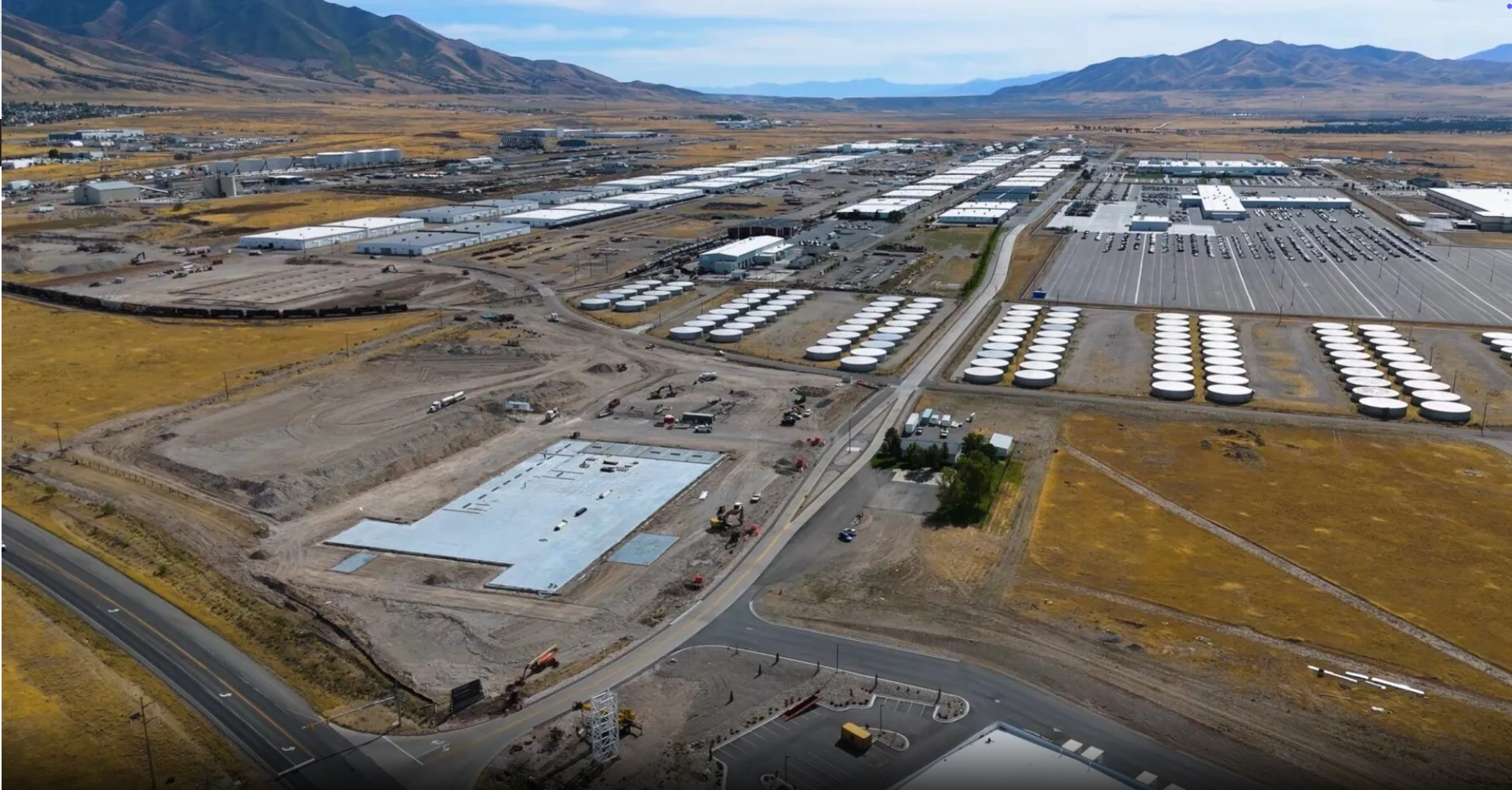
Congratulations to Tooele City! Electroflow and TMRCo (Texas Membrane Restoration Co.) are partnering to construct a first-of-its-kind lithium extraction facility in Tooele City, creating 10 new jobs in Utah over the coming years. This collaboration represents a major step forward in advancing innovative lithium extraction technologies and strengthening the region’s energy and materials economy.
“Tooele City is proud to welcome Project Seven Up and the partnership between Electroflow and TMRCo,” said Tooele City Mayor Maresa Manzione. “This innovative lithium extraction facility brings new jobs, strengthens our local economy, and supports the long-term sustainability of the Bonneville Salt Flats.”
The many partners involved in this project helped demonstrate to the company that Utah is a business-friendly and collaborative place to locate. These partners included Tooele City; the University of Utah; Terracon; Union Pacific; and the Utah Division of Forestry, Fire and State Lands – all of which met with Project Seven Up during the decision-making process. Through EDCUtah’s request for information process, the companies found a rail-served site in Tooele City to meet their immediate growth needs.
“Our investment in Tooele City is about more than lithium,” said Eric McShane, CEO of Electroflow. “It’s about building advanced manufacturing capacity in Utah. Over the coming years, we expect to invest more than $5 million in capital equipment as we scale towards commercial production, creating high-quality technical jobs and positioning Utah at the forefront of next-generation mineral processing.”
EDCUtah assisted Electroflow and TMRCo by issuing a call for sites and facilitating a site visit in July 2025. The project had highly specific requirements, including multiple rail spurs, and EDCUtah worked with its statewide network to identify an ideal location in Tooele City. The companies share the goal of producing lithium without introducing new impacts to the Great Salt Lake or the Bonneville Salt Flats, and EDCUtah facilitated meetings with scientists, researchers, and representatives from the U.S. Bureau of Land Management, the University of Utah, and the State of Utah. These early collaborations help position the project to support Utah’s economy while preserving the state’s unique ecosystems.
“EDCUtah is thrilled to support this project expansion,” said Ryan Starks, executive director of EDCUtah. “Electroflow and TMRCo represent the kind of innovation Utah strives to attract and reflect an approach of collaboration and corporate responsibility. Their facility in Tooele City will produce a critical mineral essential to powering our economy into the future while demonstrating how innovation and environmental stewardship can advance together to create lasting benefits for communities across the state.”
Electroflow and TMRCo are advancing a new lithium extraction operation in Tooele City that applies an innovative electrochemical process to recover lithium from minerals already being processed from the Great Salt Lake and the surrounding region. By focusing on existing mineral streams, the project supports the production of a critical resource while avoiding new environmental impacts and contributing to Utah’s growing role in advanced materials and energy-related technologies. A ribbon-cutting is planned for late May 2026.
Fun Fact: This project was named “Seven Up” because the original 7-Up soda contained lithium citrate, which was known to give consumers an “up” or elevated mood. The atomic weight of lithium is just under 7 on the periodic table, leading to the name “7-Up”.
Jared Stewart, senior business development manager, led Project Seven Up for EDCUtah.
_____
EDCUtah Investors: If you were involved with this project and would like to have your organization mentioned, please email connect@edcutah.org and we’ll update this article.
For additional information or to schedule an interview, please contact us.
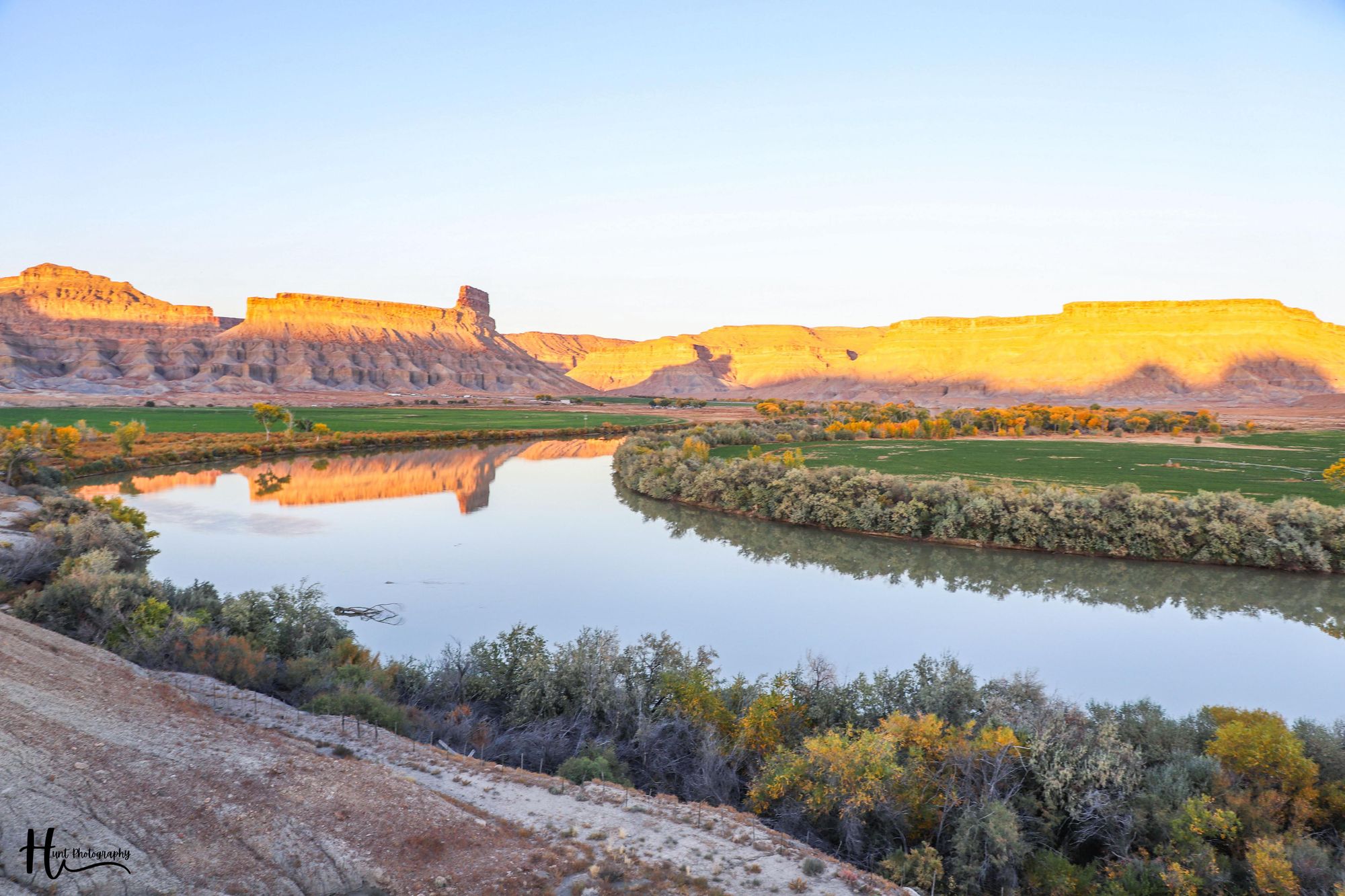
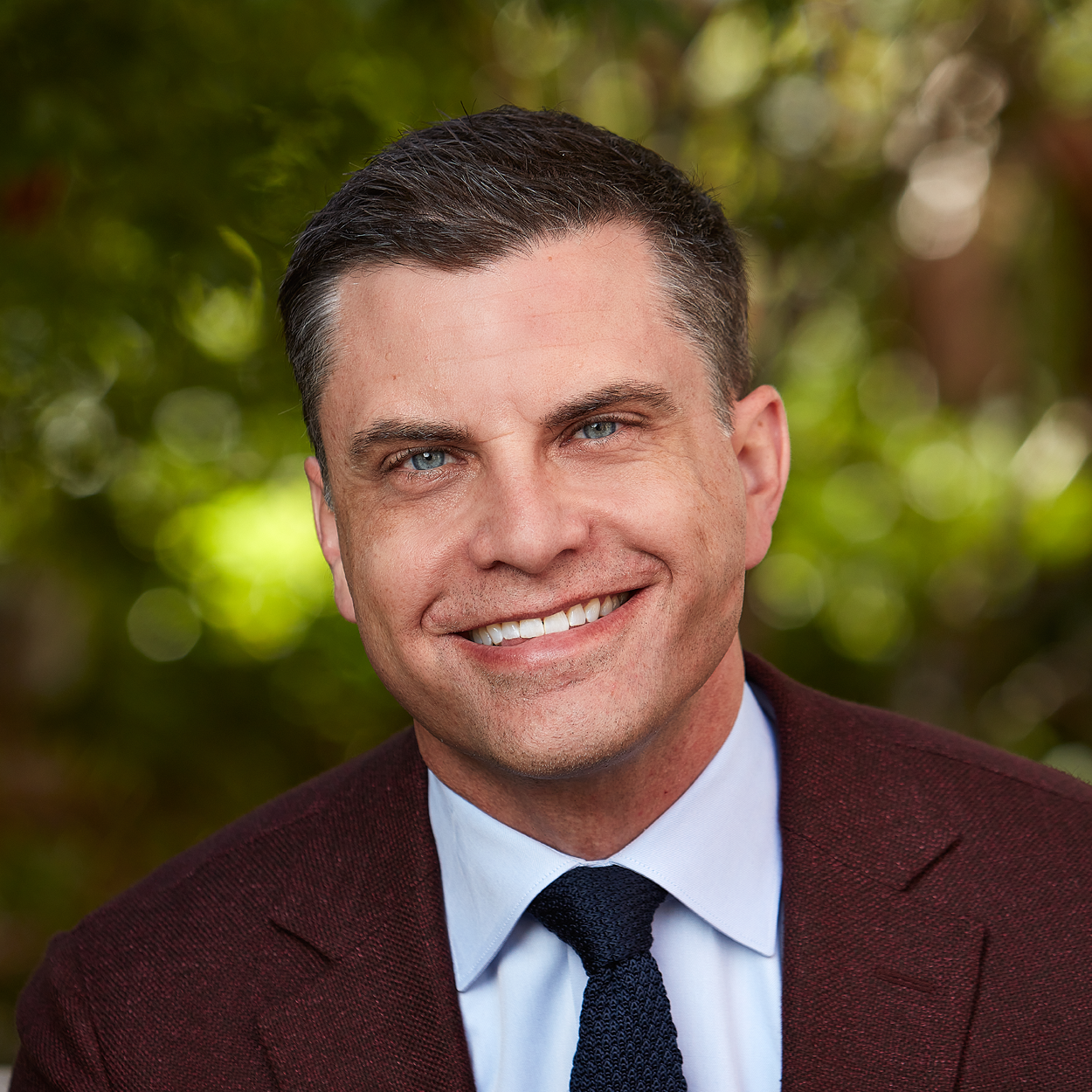
EDCUtah’s Community Spotlights seek to elevate Utah communities and connect them with business leaders to help shape future growth. In this Q&A, Green River City Manager Edward Castro Bennett shares how the community is leveraging regional partnerships, infrastructure planning, and clean energy innovation to support projects that are feasible and built to last.
Green River is a small, resilient, western desert community on the edge of some of the most remarkable landscapes in the country. We sit in Utah’s Gunnison Valley, surrounded by the Book Cliffs, canyon country, major highways, rail lines, and vast stretches of public land. People tend to pass through us on their way elsewhere, and what often gets missed is that Green River is much more than just a stop along the way.
We are a service town in the truest sense. We provide food, lodging, fuel, emergency services, and infrastructure support for travelers, recreationists, truckers, energy workers, researchers, and neighboring rural communities. That service role extends well beyond our city limits and into a region that depends on us far more than the size of our population suggests.
We are also a river town. The Green River has shaped our history, our economy, and our relationship with the land. Water here is not abstract or taken for granted. It’s something we manage carefully, respect deeply, and plan around with intention because so much depends on getting it right.
At the same time, Green River is a connector. We connect people to the outdoors, to energy development, to rail and freight movement, and to remote parts of the state that rely on a stable hub. With that comes responsibility. Our decisions affect visitors, workers, and communities spread across a wide area.
Green River offers steady progress, serious partners, and a community that is prepared to do this work the right way.
What sets us apart is not just where we are on the map, but the role we play. We carry regional weight with a small team, limited resources, and a strong sense of stewardship. That has shaped how we think, how we plan, and how seriously we take our obligation to do things right, not just for today, but for the long haul.
I am most proud of the foundational work we are doing. When I arrived, my mandate was to bring the city into a modern economic development ecosystem.
This past year, we launched a rebrand that gave Green River a fresh identity with a .gov web domain, a new executive seal, and our guiding North Star: “Waypoint to Wild.” It’s more than a slogan – it’s a direct call to action. It reflects who we are as a community, rooted in grit and history, while opening doors to new opportunities for growth, pride, and belonging.
We also made history with Airbuild Inc, the first EDCUtah-supported corporate expansion project in Emery County’s history. When their proof of concept succeeds, it will be a revolutionary step for sustainability. We’ve also continued to support A-1 Lithium as it expands operations here, proving Green River is playing a real role in the future of energy in Utah and the intermountain West.
Airbuild matters because it reflects the direction Green River is heading. The company brings clean energy innovation, job creation, and environmental stewardship together in a way that is practical and grounded. We expect our partners to uphold our ideals of experiencing the west and being active members of the community. Airbuild is doing that in real time.
The project also demonstrates that Green River can support complex, forward-looking investments. It shows that a small rural community can be a serious partner in projects that matter at a regional and national level.
We strive to be transparent and consistent. We focus on clear rules, early and open communication, and mutual respect. Developers and property owners deserve to know what is expected of them, how timelines look, and where flexibility can (or does not) exist.
I have a four-pronged approach to everything we do in town. I ask three questions (the third has two parts):
That’s it. That’s the criteria for every decision we make.
We work to partner without compromising the long-term interests of the community. That means asking as many questions as possible early-on in the conversation. There is an incentive to avoid surprises later-on, and focusing on projects that are feasible, responsible, and aligned with our planning goals makes all these things easier.
The City of Green River supports development through coordination and partnerships rather than one-off local incentives. We work closely with the Governor’s Office of Economic Opportunity (GOEO), EDCUtah, and most importantly the Utah Inland Port Authority to connect projects to state level tax incentives, financing tools, and funding programs that a city our size simply does not have the capacity to administer in house.
The Inland Port partnership, in particular, allows Green River to leverage tools that would otherwise be out of reach. Instead of trying to recreate complex incentive programs locally, we focus on being a strong, reliable on the ground partner while the state brings resources, expertise, and scale. We currently have nearly 10,000 acres of Inland Port project zones within our city limits.
Our role is to do the best we can for our citizens and all the residents in our little corner of the world. When we can align with the right partners and keep city processes clear and predictable, then good projects move faster, risks are better managed, and investors can move forward with confidence knowing commitments are real and coordination is already in place.
Right now, we have five major economic development and downtown revitalization efforts underway at the same time. That includes the Thriving Communities Program through the U.S. Department of Transportation, our Brownfields work with the U.S. Environmental Protection Agency (EPA), the Broadway and Main engineering and redesign project and a Green River Economic Development Blueprint, both sponsored by GOEO, and our participation in Utah Main Street through the State Historic Preservation Office. That’s a lot for a small city, but it’s intentional. These projects are complimentary and we are engaging in them so we can do all the background, technical groundwork all at once.
As these efforts wrap up, we will have clear plans, the ability to prioritize projects, and tools to allow for real implementation of future development. Instead of reacting to opportunities as they appear, we will be ready with engineered designs, cleaned and usable sites, aligned incentives, and a shared downtown vision through which developers, property owners, and the community can move forward.
A big part of our work right now is not just physical projects, but cultural as well. We are intentionally shaping how the city functions, how people are treated, and what kind of community we want to be. That means setting clear expectations for residents, staff, and council; follow through; communication; and mutual respect – both within city government and across the broader community.
On the development side, we are being deliberate about the kind of growth we support. Forward-thinking development for us means projects that recognize there are real people living here, not just parcels of land or investment opportunities. We are working to create places where people can gather, walk, work, and live in ways that strengthen connection instead of fragmenting it.
Quality of life is built through consistency and care. When a city like ours operates predictably and plans with humans in mind, I truly believe we can create a culture where people feel invited, supported, and willing to build their future here.
If we build it, they will come. If we focus on planning ahead, then we can mitigate the risks instead of waiting for systems to fail. On infrastructure, that means assessing capacity, prioritizing maintenance, and sequencing projects so investments make long-term sense. Water and wastewater planning is especially critical given our desert environment. We are consistently working on upgrades and working with interested parties to reduce angst and allow for the leveraging of resources.
We coordinate closely with our local utility providers and regional partners to ensure reliability and future capacity. Road improvements are prioritized based on safety, condition, and long-term use rather than short-term fixes. This is automated at this point, utilizing an AI program to evaluate our roads and give us clear direction on maintenance and upkeep.
On growth, workforce, and housing, we recognize that these challenges are regional, not isolated. We work with intrastate agencies and potential employers to find solutions that reflect the scale and realities of rural Utah rather than importing models that do not fit.
I wish more people understood how much responsibility we carry. Green River does far more than its size suggests. We keep things moving for travelers, industries, public lands, and nearby rural communities across a huge stretch of the state, often with a very small team and limited resources. When something works, we are probably serving people well beyond our city limits.
That reality shapes how we think, act, and feel. We have to be careful and we have to think long term. There is not much room for trial and error in a rural place like this. Decisions around water, roads, infrastructure, public safety, and land use carry real consequences, and fixing mistakes later is hard and expensive. And money is not something we have in spades to use willy-nilly. We value our taxpayers and recognize every penny we spend is because of them.
Because of this, we tend to move deliberately. We focus on doing things right the first time, even if it takes longer. The responsibility we carry has made this community aware that what we do here matters to a lot more people than most realize.
People should invest in Green River because a lot of unglamorous work has happened behind the scenes to make sure systems function, expectations are clear, and long-term decisions are not being made in isolation. We’re not chasing trends or trying to sell a version of Green River that doesn’t exist. We’re focused on building the basics first. That means infrastructure, land use, utilities, downtown reinvestment, and regional coordination that can actually support growth rather than strain it. When projects move forward here, they will do so on a foundation that is thought through and durable.
Green River knows who it is and what role it plays in the region. We respect the limits of a small rural city, and we plan within them instead of pretending they are not there. At the same time, we are clear about where we are going and the kinds of projects that make sense here. For investors who think long term, this is the moment. The plans are coming together, the groundwork is nearly complete, and the city is positioned to move from planning to implementation. Green River offers steady progress, serious partners, and a community that is prepared to do this work the right way.
_____
“Building Together” highlights examples of the impact of your investment and EDCUtah’s work in communities across the state.
For additional information or to schedule an interview, please contact us.
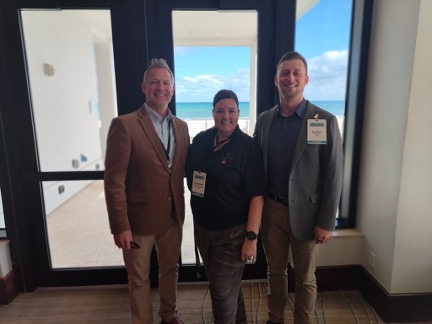

EDCUtah’s Rex Buys attended the Area Development Consultants Forum in Fort Lauderdale, Florida, in December. He took extensive notes of the site selectors’ presentations and panel discussions, and we’ve culled some of the most interesting insights.
If you have specific questions or would like more information from this conference, contact us at connect@edcutah.org.
_____
For additional information or to schedule an interview, please contact us.
15 jobs
$9.5 million capex
Project Photosynthesis
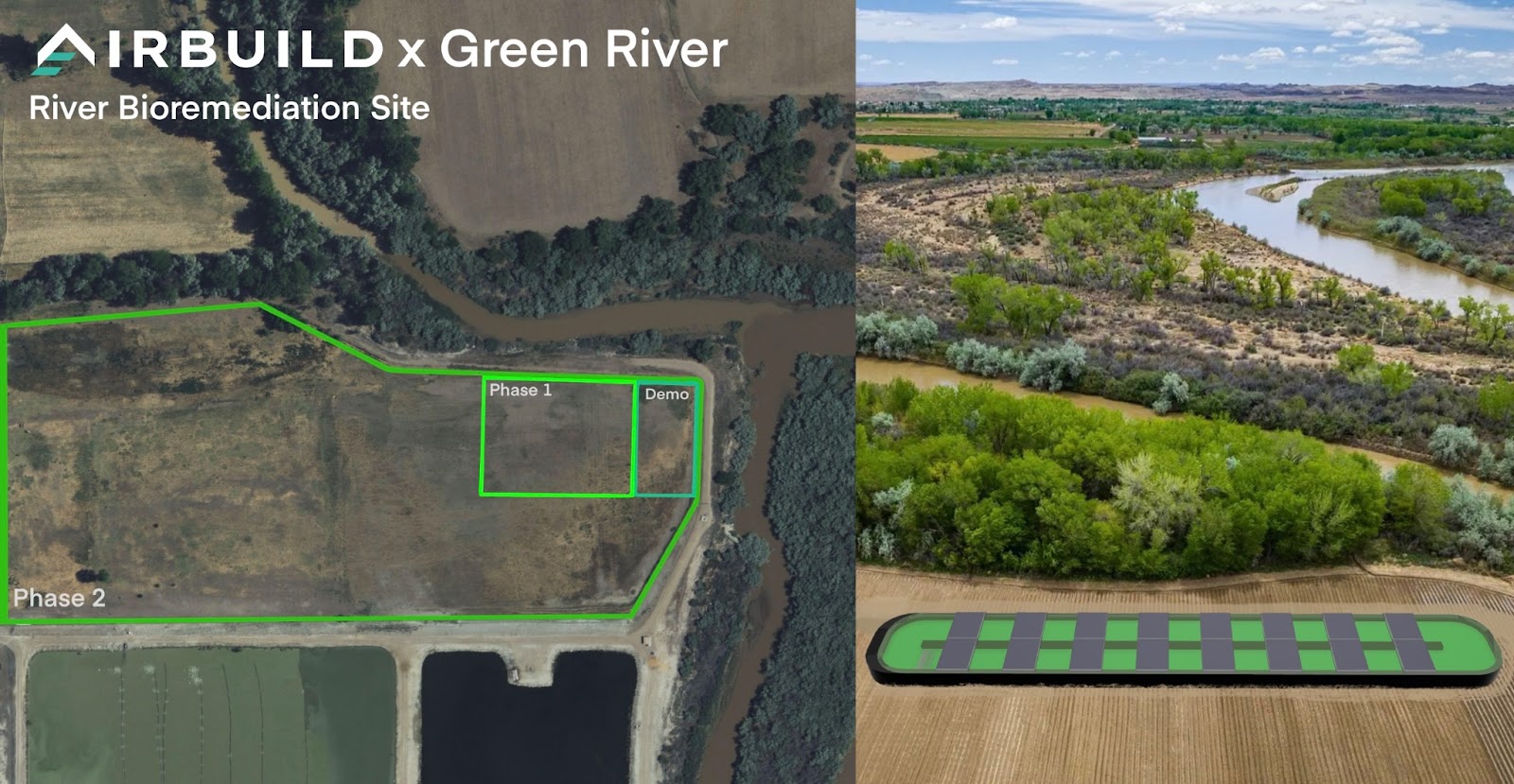
Congratulations to the City of Green River! Airbuild, a clean energy startup focused on carbon capture, water remediation, and biochar, announced plans to develop its first microalgae facility on property leased from the city. The company plans to create 15 new jobs in the City of Green River and invest $9.5 million in Green River alone over the next 3 years.
The company’s announcement came as the result of collaboration among City of Green River, EDCUtah, USU Eastern, Better City, Utah Inland Port Authority, and the University of Utah PEAK water sustainability engine.
EDCUtah connected with Airbuild during a Global Strategy & Outreach (GS&O) trip to San Diego in May 2024. Following the meeting, EDCUtah issued a statewide Request for Information (RFI) to identify partner communities and potential locations. The City of Green River responded with strong interest, and a site visit was held in November 2024. EDCUtah supported Airbuild with connections to state permitting agencies, facilitated networking opportunities to bolster their grant writing efforts, and provided research to help the company identify key supporting businesses and contractors.
“We are honored to welcome Airbuild to Green River and proud to stand alongside partners who believe in the power of rural innovation. This project brings more than jobs and investment – it brings purpose. By turning organic waste into biochar, Airbuild is helping us lay the foundation for a more sustainable approach to fertilizer production across our region. It’s a win for our environment, our economy, and our farmers,” said Edward Castro Bennett, city manager for the City of Green River. “This partnership reflects Green River’s commitment to a vibrant, resilient future rooted in stewardship, creativity, and bold collaboration. We’re especially grateful to EDCUtah for introducing Project Photosynthesis to our state and for championing this opportunity from the very beginning.
“Airbuild is an exciting example of what can be accomplished when we listen to community needs and pair private-sector goals with community champions,” said Ryan Starks, executive director of EDCUtah. “By addressing environmental challenges through collaboration with local partners, Airbuild is helping to drive sustainable economic growth in rural Utah. We’re thrilled to see companies like Airbuild helping to shape a more resilient future for Utah.”
Airbuild is a science and energy startup specializing in river bioremediation and sustainable resource recovery. Through partnerships with local governments and canal companies, the company implements systems that extract excess nutrients from waterways to improve water quality and downstream ecosystems. Airbuild transforms harvested algae and local organic waste into biochar, which is then used as fertilizer and sold for carbon credit initiatives delivering both environmental and economic benefits to the communities it serves.
“We’re incredibly grateful to the City of Green River and the EDCUtah team for their vision and leadership in making this project possible,” said David Gory, co-founder and CEO of Airbuild. “This collaboration shows what’s possible when innovation meets community. This deployment will not only remove thousands of tons of carbon and filter millions of gallons of water, it will also transform local organic waste into valuable biochar and create local jobs. This partnership proves that small cities can lead the way in environmental innovation and resilience.”
Jared Stewart, senior business development manager, led Project Photosynthesis for EDCUtah.
_____
EDCUtah Investors: If you were involved with this project and would like to have your organization mentioned, please email connect@edcutah.org and we’ll update this article.
For additional information or to schedule an interview, please contact us.