Trigg Minerals LLC Announces Plans to Develop Mining and Refining Operations in Utah’s Garfield and Iron Counties

400 jobs
$287 million capex
Project Lucy
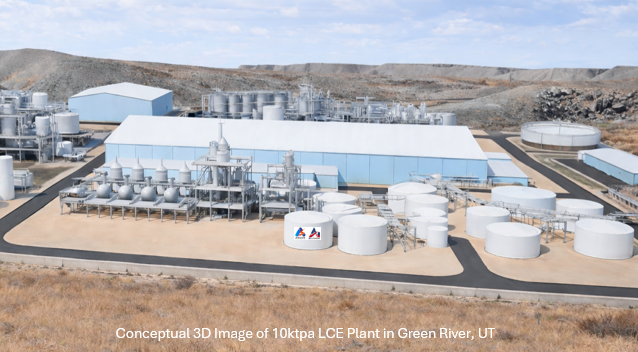
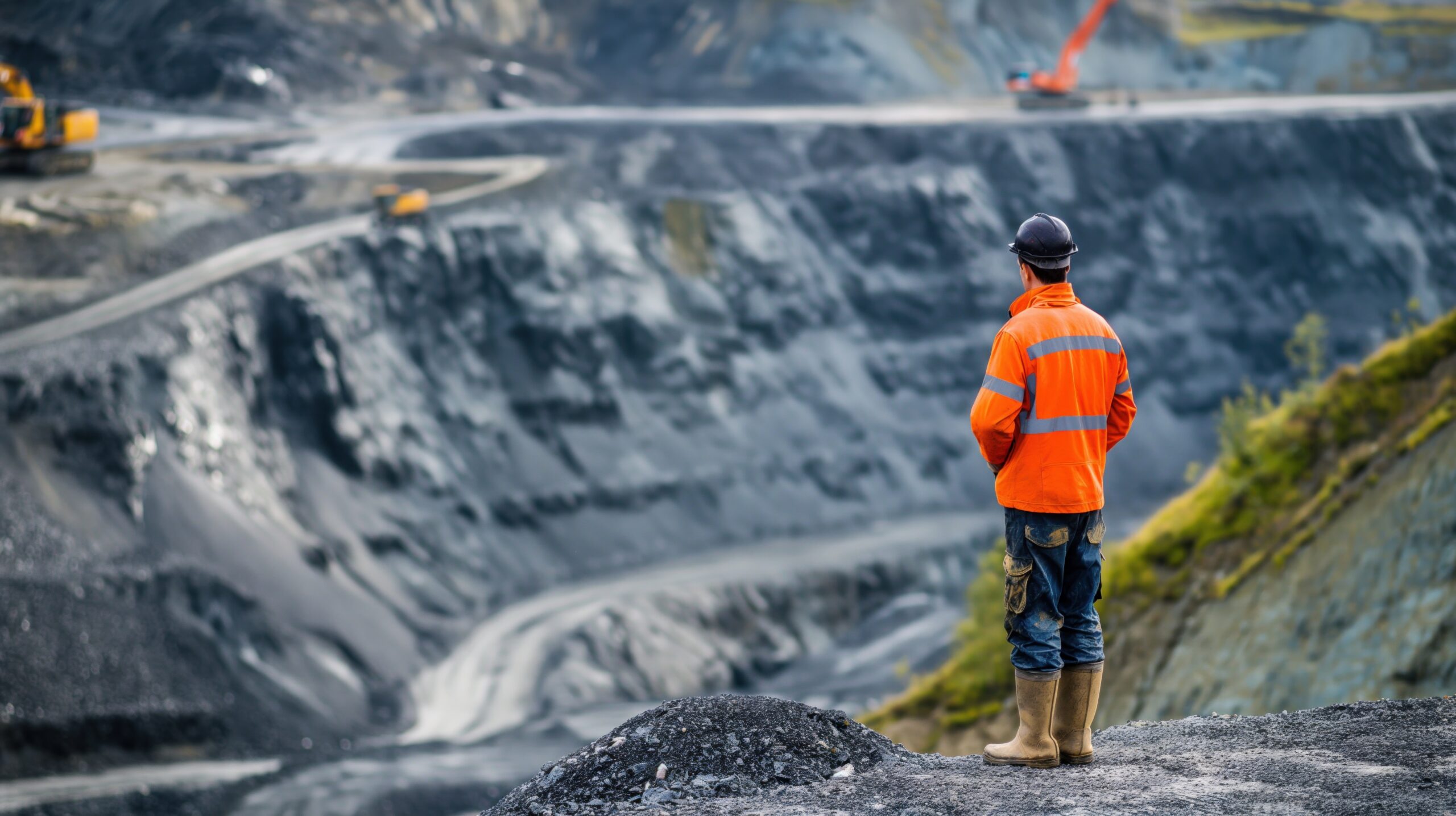
Congratulations to Garfield County and Iron County! Trigg Minerals, LLC (DBA American Tungsten and Antimony Ltd, or “ATAA”), a next-generation critical minerals company, has announced plans for new mining operations in Antimony Canyon, Garfield County, alongside a high-tech, clean refining facility planned in Iron County. The project marks a major milestone as Trigg Minerals moves to become the first U.S. producer and supplier of antimony, a critical mineral used in fire retardants, lead-based batteries, and ammunition. Trigg Minerals plans to add 400 new jobs and invest $287 million in Utah, supporting long-term economic growth across rural communities.
“This project represents a significant opportunity for Garfield County and rural Utah as a whole,” said Kaden Figgins, Garfield County director of planning & economic development. “The development of domestic antimony production in Antimony Canyon highlights the strategic importance of our region’s natural resources while creating meaningful economic opportunities for local residents. We appreciate ATAA’s commitment to investing in rural communities and advancing responsible resource development that supports long-term economic resilience, job creation, and national supply chain security.”
“This is a game-changer for our local economy and the future of our residents,” said David Johnson, economic development director of Cedar City and Iron County. “The arrival of Trigg Minerals represents a generational shift for our workforce that will provide hundreds of families with stable, high-paying jobs. We are grateful for this opportunity that ensures a more prosperous and resilient future for all of rural Utah.”
Trigg Minerals is advancing a vertically integrated critical minerals initiative in southern Utah, opening Antimony Canyon in Garfield County to new mining operations while developing a high-tech, clean refining facility in Iron County. This dual-site approach enables in-state extraction and processing, positioning ATAA to become the first domestic producer and supplier of antimony—a material essential to applications such as fire retardants, lead-based batteries, and ammunition.
“EDCUtah is honored to support ATAA as it addresses a critical gap in the U.S. domestic supply chain,” said Ryan Starks, executive director of EDCUtah. “Utah is uniquely positioned to play a meaningful role in the production of critical minerals, and ATAA is helping lead the responsible development of antimony resources. We commend ATAA’s efforts to create high-quality jobs in rural Utah and to advance materials refining through clean, resource-conscious practices.”
“This recognition from the State of Utah represents a major milestone for American Tungsten and Antimony and reinforces the strategic importance of establishing a secure, domestic supply chain for critical minerals in the United States,” said Andre Booyzen, CEO of American Tungsten & Antimony Ltd. “Our planned antimony tertiary refining facility and integrated mining and processing strategy are designed to support America’s growing demand for materials essential to defence, energy, and advanced manufacturing. We are proud to be investing in rural Utah, creating high-quality jobs, and contributing to the long-term economic strength of Iron and Garfield Counties and the wider region. This project reflects our commitment to responsible development, industrial innovation, and helping position the United States as a leader in critical minerals independence at a time when supply chain security has never been more important.”
The Utah Governor’s Office of Economic Opportunity (GOED) assisted the project by approving Trigg Minerals for a Rural Economic Development Tax Increment Financing (REDTIF) incentive.
“Trigg Minerals’ expansion into Garfield and Iron Counties is a monumental win for Utah that perfectly captures the essence of our strategic economic vision,” said Jefferson Moss, commissioner of GOED. “By establishing the nation’s first modern antimony tertiary refining facility right here in our state, we are doing more than just creating 400 jobs in a rural Utah community; we are securing Utah’s position as a critical hub in the global supply chain for defense, renewable energy, and technology. This project exemplifies our commitment to diversifying rural economies and ensuring that Utah leads the way in domestic mineral security and industrial innovation.”
This project was supported by key partners across the state, including the GOED, the Utah Inland Port Authority (UIPA), Iron County, the Southern Utah Economic Alliance (So.Utah), BZI, and ARCO Design/Build.
Jared Stewart of EDCUtah and Jen Wakeland of GOED supported Project Lucy for the State of Utah.
_____
EDCUtah Investors: If you were involved with this project and would like your organization mentioned, please email connect@edcutah.org and we’ll update this article.
For additional information or to schedule an interview, please contact us.

For years, Utahns have received information from the news media and others regarding the water situation in Utah in terms of drought, limited supply, and the need to conserve water. Measurable progress has been made in water conservation, but incremental gains are no longer sufficient. The question facing Utah’s business and civic leaders is not whether conservation matters, but whether we are prepared to make the level of change required to sustain long-term economic and environmental resilience.
The current water situation is historic. This past winter was Utah’s warmest on record. It also brought the lowest peak snowpack on record, peaking three weeks earlier than normal. Utah’s largest reservoir, Lake Powell, is at its lowest level since initial filling in the early 1960s. In addition, the Great Salt Lake (GSL) continues to face decline driven by drought conditions that are further exacerbated by a trend of increasing temperatures.
To understand where meaningful change must occur, it’s critical to focus on how water is used. Statewide, approximately 60 percent of Utah’s municipal water is used outdoors. Most outdoor water is being applied to grass lawns. Unlike most indoor water use, which is treated and returned to the system, new research shows the 91 percent of outdoor water is depleted or fully consumed. Water depleted outdoors is lost through evaporation and plant uptake. That distinction is important because water that is depleted cannot be returned to the natural system to fill lakes and reservoirs or to benefit important ecosystems like the Great Salt Lake.
This is where the greatest opportunity lies. Reducing outdoor water consumption through efficient landscape design offers the most immediate and scalable way for individuals to conserve and reduce their water footprint. For businesses, developers, and communities, this is less about restrictions and more about aligning landscapes with Utah’s climate while maintaining functionality.
The opportunity is real and significant. A 2024 study showed that residential lawn watering alone depleted approximately 408,000 acre-feet of water in the GSL watershed in a single year, nearly three times the capacity of Deer Creek Reservoir. Cutting that depletion in half is an achievable goal, and the benefits that would accrue to Utahns in terms of water supply needs and GSL recovery would be tremendous.
Organizations like Utah Water Ways (UWW) are working to accelerate this transition. Through the Slow the Flow, Save H2O campaign, UWW is shifting the conversation from awareness to action, providing practical tools, incentives, and real-world examples to help homeowners, businesses, and municipalities make water-wise decisions easier to implement.
This year’s campaign is: “Water Runs Utah.” The purpose of this campaign is to remind Utahns of the importance of water in their daily lives and in maintaining a high quality of life. Water runs recreation, it runs food, it runs the economy, and it runs our future. But, what happens if water runs out? Even without drought conditions, parts of the state have water deficiencies. The GSL watershed and the Colorado River Basin are indicators of broader supply challenges that will shape business decisions and long term planning.
Tools are already in place. Incentive programs offset the cost of turf conversion and smart controllers. Planning tools like the Utah Plant Finder can help simplify water-wise design. Demonstration projects across the state show how landscapes “designed for Utah” can be implemented. The barrier is no longer information; it’s adoption at scale.
For Utah’s business community, water is not just a resource issue, it is a competitiveness issue. Proactive investment in water-efficient practices, whether in development standards, corporate campuses, or community partnership, will position organizations to mitigate risk, align with emerging policy, and contribute to a more resilient statewide economy.
_____
Bart Forsyth is a policy advisor for Utah Water Ways. To learn more about these programs and initiatives, visit slowtheflow.org or email info@utahwaterways.org.
For additional information or to schedule an interview, please contact us.

10 jobs
$5 million capex
Project Seven Up
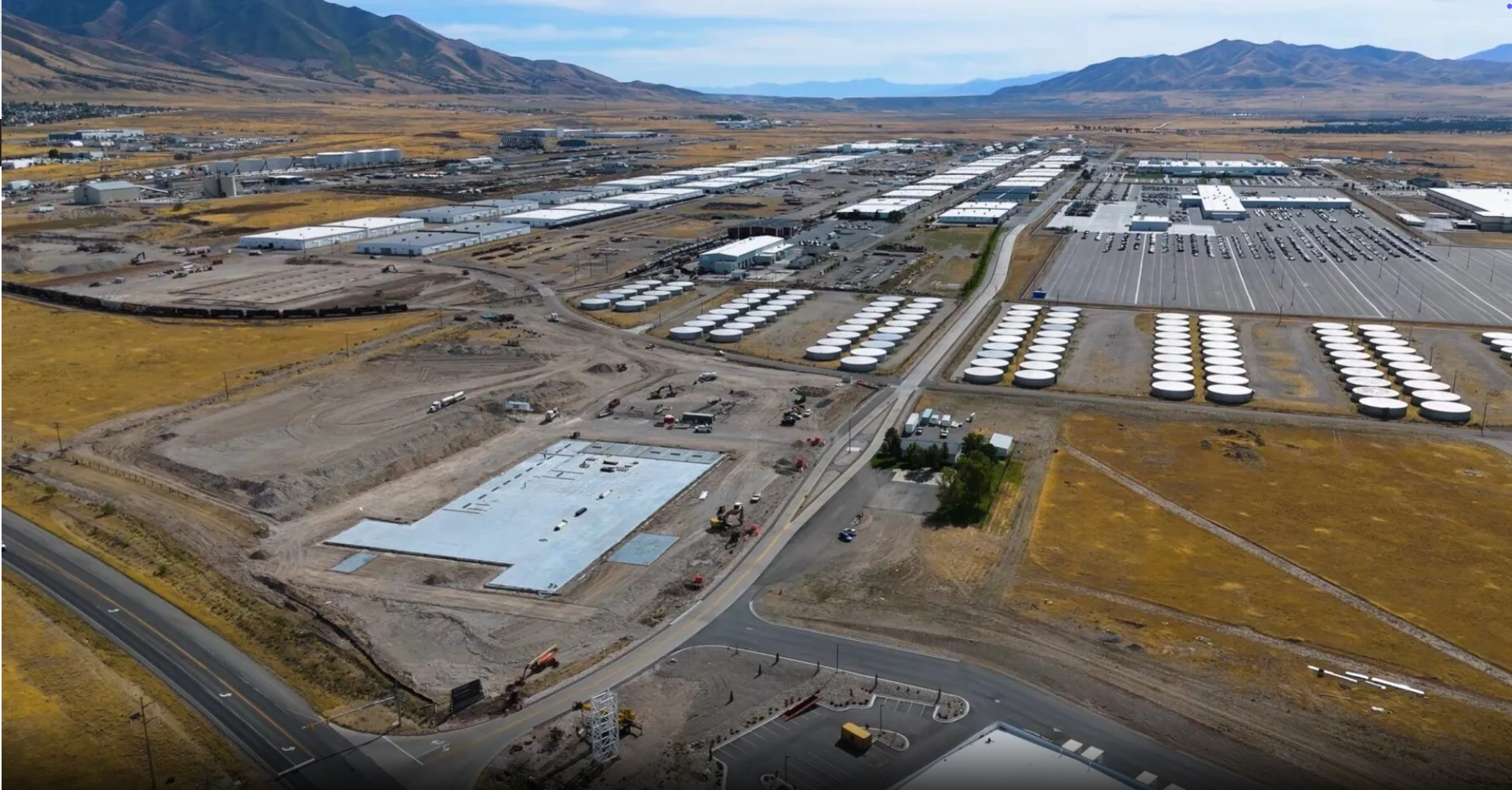
Congratulations to Tooele City! Electroflow and TMRCo (Texas Membrane Restoration Co.) are partnering to construct a first-of-its-kind lithium extraction facility in Tooele City, creating 10 new jobs in Utah over the coming years. This collaboration represents a major step forward in advancing innovative lithium extraction technologies and strengthening the region’s energy and materials economy.
“Tooele City is proud to welcome Project Seven Up and the partnership between Electroflow and TMRCo,” said Tooele City Mayor Maresa Manzione. “This innovative lithium extraction facility brings new jobs, strengthens our local economy, and supports the long-term sustainability of the Bonneville Salt Flats.”
The many partners involved in this project helped demonstrate to the company that Utah is a business-friendly and collaborative place to locate. These partners included Tooele City; the University of Utah; Terracon; Union Pacific; and the Utah Division of Forestry, Fire and State Lands – all of which met with Project Seven Up during the decision-making process. Through EDCUtah’s request for information process, the companies found a rail-served site in Tooele City to meet their immediate growth needs.
“Our investment in Tooele City is about more than lithium,” said Eric McShane, CEO of Electroflow. “It’s about building advanced manufacturing capacity in Utah. Over the coming years, we expect to invest more than $5 million in capital equipment as we scale towards commercial production, creating high-quality technical jobs and positioning Utah at the forefront of next-generation mineral processing.”
EDCUtah assisted Electroflow and TMRCo by issuing a call for sites and facilitating a site visit in July 2025. The project had highly specific requirements, including multiple rail spurs, and EDCUtah worked with its statewide network to identify an ideal location in Tooele City. The companies share the goal of producing lithium without introducing new impacts to the Great Salt Lake or the Bonneville Salt Flats, and EDCUtah facilitated meetings with scientists, researchers, and representatives from the U.S. Bureau of Land Management, the University of Utah, and the State of Utah. These early collaborations help position the project to support Utah’s economy while preserving the state’s unique ecosystems.
“EDCUtah is thrilled to support this project expansion,” said Ryan Starks, executive director of EDCUtah. “Electroflow and TMRCo represent the kind of innovation Utah strives to attract and reflect an approach of collaboration and corporate responsibility. Their facility in Tooele City will produce a critical mineral essential to powering our economy into the future while demonstrating how innovation and environmental stewardship can advance together to create lasting benefits for communities across the state.”
Electroflow and TMRCo are advancing a new lithium extraction operation in Tooele City that applies an innovative electrochemical process to recover lithium from minerals already being processed from the Great Salt Lake and the surrounding region. By focusing on existing mineral streams, the project supports the production of a critical resource while avoiding new environmental impacts and contributing to Utah’s growing role in advanced materials and energy-related technologies. A ribbon-cutting is planned for late May 2026.
Fun Fact: This project was named “Seven Up” because the original 7-Up soda contained lithium citrate, which was known to give consumers an “up” or elevated mood. The atomic weight of lithium is just under 7 on the periodic table, leading to the name “7-Up”.
Jared Stewart, senior business development manager, led Project Seven Up for EDCUtah.
_____
EDCUtah Investors: If you were involved with this project and would like to have your organization mentioned, please email connect@edcutah.org and we’ll update this article.
For additional information or to schedule an interview, please contact us.
10 jobs
$40 million capex
Project Rod
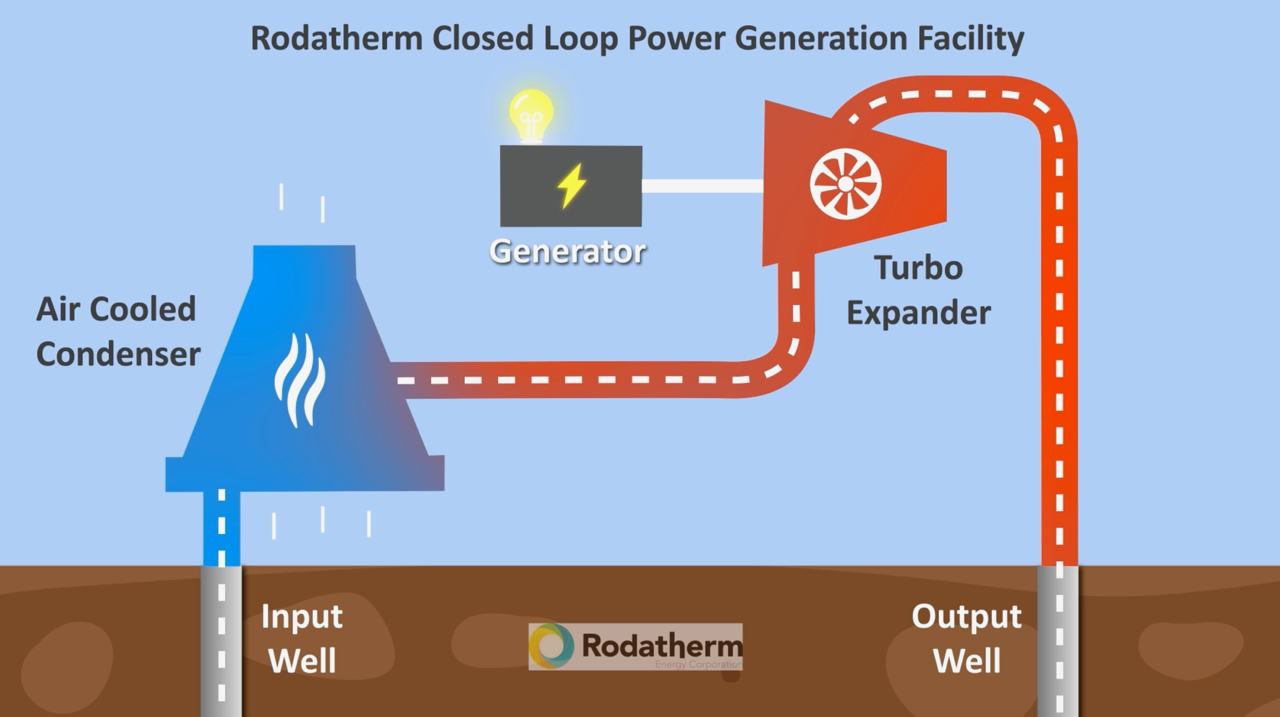
Congratulations to Beaver County! Rodatherm Energy Corporation has announced plans to expand its operations in Beaver County, Utah — creating 10 new jobs, generating 100 megawatts of electricity, and investing $40 million in Utah over the coming years. Rodatherm is a geothermal energy company that combines horizontal drilling with heat pump technology to deliver low-cost, water-free electricity.
“Beaver County is excited about the progress Rodatherm has made over the last 18 months and their recent announcement,” said the Beaver County Commission. “We are particularly supportive of their closed-loop technology, as we remain conscious of our limited water availability. Additionally, we welcome the potential for ten new full-time jobs. This investment will allow ten families to join our rural community, supporting our local economy and schools. We look forward to the future as Rodatherm advances and completes this geothermal project.”
Utah Associated Municipal Power Systems (UAMPS), its member communities, and the Southern Utah Economic Alliance were instrumental in welcoming Rodatherm and supporting the company’s decision to locate and grow in Utah, positioning it as a future power producer for the state. Rodatherm’s expansion is partially located in Millard County, where some taxes will be paid. Millard County’s collaboration and permitting made this initial expansion possible.
“Rodatherm Energy embodies the innovative and collaborative approach that defines Utah’s energy economy,” said Ryan Starks, executive director of EDCUtah. “Their company culture reflects Utah’s ethos of working and building together, and everywhere they engage, they bring value to the community with openness and curiosity. We are proud to have Rodatherm on its way to generating low-impact, high-value electricity and making a positive impact across Utah.”
Rodatherm is set to begin drilling its first project on January 18 near Milford in Beaver County, which is projected to generate over 100 megawatts of electricity. Rodatherm is actively engaged in additional developments across the state and is confident in its ability to scale and expand a successful model. Recently, Rodatherm was highlighted in Utah Business after raising $38 million in funding—the largest-ever Series A raise for a geothermal startup.
“Rodatherm is developing secure, water-free geothermal power in Utah,” said Curtis Cook, president of Rodatherm Energy Corporation. “Its advanced heat recovery technology makes clean energy efficient, scalable and cost-competitive. We are excited to build resilient power generation for Utah.”
Jared Stewart, senior business development manager, led Project Rod for EDCUtah.
_____
EDCUtah Investors: If you were involved with this project and would like to have your organization mentioned, please email connect@edcutah.org and we’ll update this article.
For additional information or to schedule an interview, please contact us.


Each month, EDCUtah’s Research Minute highlights timely research insights and economic development data. This month, Michael Stachitus analyzes Utah’s potential occupational gaps over the next five years.
As Utah’s population and economy continue to grow rapidly, the demand for specific skills and experience in the workforce only continues to increase. As this demand for labor grows, Utah must be nimble and forward-thinking in its workforce development approach.
EDCUtah analyzed potential workforce demands over the next five years, and we identified three occupations that may become increasingly difficult to fill if current demand and market trends remain the same:
1. Healthcare Diagnosing or Treating Practitioners
2. Computer Occupations
3. Business Operations Specialists
The graph below provides a snapshot of the expected annual supply and deficit in occupations over the next five years. These are broad occupational groupings, with more specific occupations nested within each occupational category.

Healthcare remains a critical industry in Utah and continues to face challenges in meeting hiring demands. This challenge is not unique to Utah. The high demand for healthcare workers is a nationwide and potentially even global issue. As the median age in Utah and across the nation increases, healthcare needs are also expected to rise.

The gap leaves Utah with over 300 fewer registered nurses and nurse practitioners than the industry requires each year – which also means that existing nurses and hospital staff will have to shoulder the burden of increasing demand. Furthermore, there’s not a single surplus occupation in this healthcare category, meaning every occupation in the group faces a hiring deficit.
As technology innovation and artificial intelligence (AI) continue to drive economic growth in the U.S., computer occupations remain in high demand. The demand for software developers in Utah has remained high for over a decade and is expected to continue over the next five years.

Utah can address these occupational gaps by fostering strong alignment among workforce development initiatives, educational institutions, and industry needs. This includes investing in targeted training programs, apprenticeships, and certifications that align with high-demand sectors, while encouraging businesses to partner with schools and community colleges to shape curricula around in-demand skills. Utah is addressing these demands through key programs and initiatives, including Talent Ready Utah, Custom Fit, and Return Utah, three programs that connect companies to the workforce they need.
Data Sources: JobsEQ. For more information about occupational gaps, email us at connect@edcutah.org or explore the benefits of investing with EDCUtah.
_____
For additional information or to schedule an interview, please contact us.
Each month, EDCUtah’s Research Minute highlights interesting economic development data and timely research insights. This month, we discuss Utah’s infrastructure grades given by the American Society of Civil Engineers.
Utah’s infrastructure received a C+ grade from the American Society of Civil Engineers (ASCE) in their recent update of the state’s infrastructure report card. The professional society has been grading the nation’s infrastructure since 1988 but only began grading Utah separately in 2015., Since 2017, the state of the nation’s infrastructure has improved; moving from a D+ to a C in those eight years. Meanwhile, Utah has improved one grade: from a C to a C+ in the past 10 years. C+ is the highest infrastructure grade given to any state so far, with only two other states receiving a C+ (Georgia and Wisconsin in 2024).
The Utah Section of the ASCE graded 12 of Utah’s infrastructure categories, based on eight criteria. The best grade, A, represents infrastructure labeled as “exceptional, fit for the future”, while the worst grade, F, is labeled as “failing/critical, unfit for purpose.”
Most of Utah’s infrastructure grades have remained the same over the past 5 and 10 years. The Utah Section of the ASCE credits Utah leaders and infrastructure agencies with working “diligently to plan for and address all of Utah’s infrastructure needs, both rural and urban.” And while the state has done a good job at maintaining infrastructure over longer time-horizons, the steady C+ grade may also be an indicator that more investment is needed to ensure Utah’s long-term stability.
There are a few areas where the state has improved and others where it has declined. Looking at Utah’s infrastructure grades from 2015, 2020, and now 2025, here are five trends worth highlighting that demonstrate Utah’s trajectory in providing the necessary amenities to support its residents and economic stability now and in the future.
“Utah benefits from a developing Wasatch Front, but rural communities are key to the state’s continued success. Those communities need access to reliable clean water, functional roads, transit, flood control, and other necessities of life.”
– Utah Chapter of the American Society of Civil Engineers
Utah dropped two grades from a B+ to a B- on transit in the last five years after not changing in the five years prior. A rising population and higher-density population centers make multi-modal and public transportation more necessary than ever as space for traditional car travel becomes scarcer. The ASCE highlights several positives: the many funding initiatives for transit, Salt Lake City’s transit ranking as the tenth best among the nation’s largest cities, and the proximity of 95% of Utah’s population to transit options. However, they also suggest that making these modes of transportation more cost competitive, increasing access in rural Utah, and updating outdated infrastructure are necessary steps to improving the state’s transit grade.
Utah has maintained the same grade of D- for levees and D+ for canals over the last 10 years, emphasizing the critical needs of the state’s poorest graded infrastructure categories. According to ASCE, “Utah has nearly 100 miles of levees that have an average age of 63 years,” and many of them fail to meet the standards of the Army Corps of Engineers. Without increasing funding and updating levees, much of Utah’s population centers could be classified as flood plains and will affect how they are assessed and insured.
Similarly, canals are at risk of damage and contamination in their current state. Utah’s canals—many of which are earth embankments and ditches, historically used for private irrigation—are increasingly being used for stormwater and flood management. Updates could reduce the risk of significant damage while also decreasing natural water loss.
While Utah’s Bridges maintain a high grade of B, the grade dropped from a B+ in the last five years. The ASCE recommends more funding to maintain and operate the state’s bridges as they age. Initiatives such as UDOT’s Bridgefest showed positive momentum in the improvement of this critical infrastructure, but additional funding will be required to maintain the high standard that Utah has maintained in the past.
The grade for aviation increased from C to a C+ in the last five years, largely due to the increased capacity of the Salt Lake City International Airport. With a budget of $3.6 billion to invest in the new airport, phases 1 and 2 of its construction have been completed with the next phase currently underway. The ASCE suggests investing in rural Utah airports to maintain and improve connectivity statewide to further improve its grade.
Between 2015 and 2020, Utah’s grade for drinking water infrastructure improved from a C to a B-. The grade did not change in 2025, but the progress made in those first five years has been maintained. Utah has successfully reduced water use by 20 percent over the last 20 years, and additional reductions will be necessary as the population continues to grow. Fortunately, legislation has been put in place to require water planning to strategize conservation and resilience for the future.
With Utah’s population expected to increase by 66% by 2060, maintaining and improving infrastructure will be critical to support that growth. Additionally, businesses require reliable infrastructure to operate efficiently and sustain employment for future generations. Ongoing infrastructure investment, especially in key risk areas, will be critical to ensuring statewide “access to clean water, reliable transportation, flood control, and responsible waste management.”
_____
Want more data? Explore the benefits of investing with EDCUtah.
For additional information or to schedule an interview, please contact us.
View Utah’s 2025 Infrastructure report card.

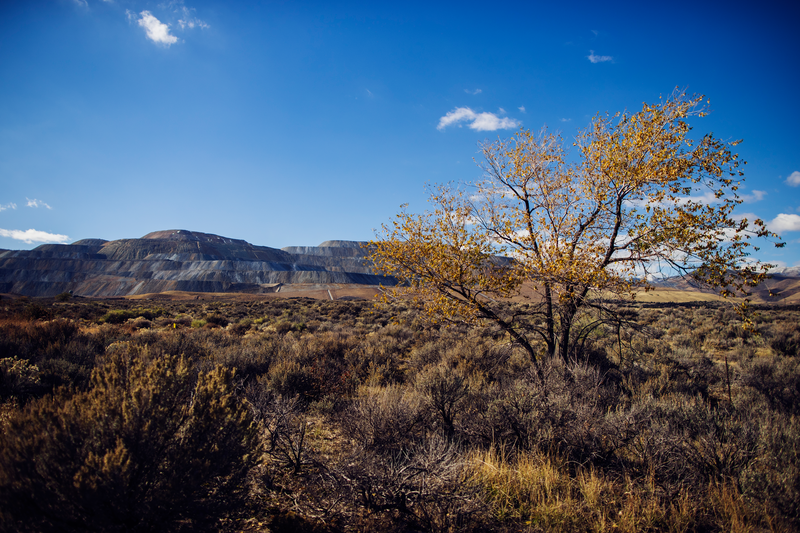

Anyone who has looked down into Rio Tinto Kennecott’s Bingham Canyon copper mine — located on the west side of the Salt Lake Valley and the largest human-made excavation in the world — can see that things are happening on a massive scale. In a sense, that’s also true about Kennecott’s other Utah land assets.
Kennecott owns approximately 95,000 acres of land (more than six times the size of Manhattan) in the Salt Lake and Tooele Valleys. The company’s land ownership is the result of over 100 years of copper mining in Utah’s Oquirrh Mountains. Today, this land is poised to become one of largest real estate opportunities in the western United States.
We spoke with Alan Matheson, Kennecott’s former general manager of land and water development, about the significance of these landholdings for Utah’s current and future real estate development and economic opportunities.
“Rio Tinto Kennecott owns most of the remaining undeveloped land in the Salt Lake Valley, and significant parcels in Tooele County,” explained Matheson. “Of course, not all 95,000 acres will be developed. Much of the land is in current mining operations, much provides a key safety buffer between communities and those operations, and other areas will be preserved for ecosystem conservation. Nevertheless, significant land along the foothills of the Oquirrh Mountains is developable and will help meet the needs of our growing community.”
Many of these areas are:
For developers, this means access to strong job markets, schools, and transportation, making the land ideal for residential, commercial, industrial, and mixed-use projects.
Because of Kennecott’s mining operations, large tracts of its land already have nearby infrastructure assets like roads, rail, and utilities. Many parcels are zoned for urban uses and have conceptual plans. Kennecott prioritizes ongoing collaboration with municipalities, public utilities, and transportation agencies to lower initial development costs, accelerate project timelines, and align with community goals. Taking a proactive approach, Kennecott is also addressing key challenges with water, remediation, and needed infrastructure upgrades. The result of these efforts is a series of highly attractive parcels that will contribute significantly to Utah’s future.
Kennecott’s landholdings tend to be large and contiguous, making them ideal for business centers, large-scale commercial hubs, and master-planned communities. Utah, like many other states, is experiencing a housing shortage, and this land can play a role in meeting Utah’s housing supply needs over the next few decades.
Matheson emphasized the value of partnerships: “We recognize that accommodating Utah’s growing population will require a team effort. To that end, we’re actively exploring partnerships with outstanding developers and public entities to provide the expertise, resources, and infrastructure needed to achieve our state’s vision.”
When it comes to master-planned communities, Utah has a proven model for success. “Most people are familiar with the Daybreak community,” said Matheson. “One of the most successful developments in the country, it’s a cutting-edge example of transforming land used for mining operations into a beautiful, livable, vibrant neighborhood.”
Plans for the Daybreak community – located in South Jordan, Utah, a suburb of Salt Lake City — began in 2001. At more than 4,000 acres, Daybreak is the largest master-planned community in the state’s history. Today, the community has an estimated 44,000 residents and just under 10,000 homes. Daybreak was developed to include key quality-of-life amenities such as housing, schools, retail, offices, transit, parks and trails, and entertainment.
In 2021, Larry H. Miller Real Estate purchased the remaining 1,300 acres of undeveloped land in Daybreak. They’re working together with the City of South Jordan on plans to build out a downtown center that includes the new baseball stadium for the Salt Lake Bees.
Kennecott prioritizes collaboration with local governments regarding the future use of its surplus land, and the company seeks development partners with a long-term vision for sustainability and economic opportunity. “What happens on our land will impact the future of not just the Greater Salt Lake region, but also the entire state,” Matheson said. “We are approaching the development of these lands strategically, with a focus on creating a brighter future for Utah.”
Corporate expansion and site selection trends can help inform Kennecott’s land-development strategy. And as the sites are developed, Utah’s public-private partnership for economic development can support companies and site selectors as they evaluate potential sites for corporate expansion.
“EDCUtah is a key player in Utah’s economic development ecosystem and a valuable partner for Rio Tinto,” said Matheson. “EDCUtah helps us network and build partnerships that allow us to achieve our goals. But more to the point, EDCUtah can help identify the companies that would relocate to this area, bringing jobs and economic opportunity. As we develop these lands, EDCUtah will play a critical role in attracting key tenants.”
“Most people don’t fully realize the history and impact of Kennecott and the Bingham Canyon Mine in Utah,” said Matheson. “Over the course of its 121-year history, the mine has produced more copper than any other mine in the world. But it’s also had significant local impact as one of the biggest taxpayers in the Salt Lake Valley—funding roads, schools, and other public infrastructure.”
In the early 1900s, the Utah Copper Company began developing the Bingham Canyon Mine in the Oquirrh Mountains. The company acquired tens of thousands of acres of land to support mining operations—everything from ore processing and waste storage to railroad infrastructure and company towns.
In 1936, the Utah Copper Company was acquired by the Kennecott Copper Corporation. Over the next several decades, mine production boomed. During World War II, for example, the mine produced about 30 percent of the copper used by the Allies.
Matheson explained: “The Kennecott mine is a vertically integrated operation. In addition to the mine itself, there is a concentrator, one of only two operating copper smelters in the United States, and a refinery. It’s unusual to have an operation that mines ore and then produces 99.99% pure copper in the same location. As we think about our nation’s energy future and economic interests, being able to produce copper and critical minerals domestically is essential.”
As Kennecott expanded the mine, the company continued acquiring land in western Salt Lake County and eastern Tooele County. This included not just mine sites, but also surrounding land for potential expansion and long-term residential buffer zones.
Then, in 1989, the global mining company Rio Tinto acquired Kennecott Corporation. Around the same time, Salt Lake Valley’s population growth started to take off—putting Rio Tinto’s land holdings on the periphery of rapidly growing suburbs. And as mining operations modernized and consolidated, less land was needed for industrial use. In response to these shifting trends, Rio Tinto formed the Kennecott Land Company in 2001 to plan and develop its surplus land in Utah.
“We know that our company has a social license to operate, and we need to make sure that we’re contributing to Utah’s quality of life, to the tax base, and to opportunities that benefit the residents of Utah,” said Matheson. “We have a resource that can be used to advance not just the interests of the company, but the people in the communities where we operate. We have been a big part of Utah’s history, and we want to be a constructive part of its future.”
For more information about Kennecott’s landholdings, contact Scott Baird, Kennecott’s current general manager of land & water development: Scott.Baird@riotinto.com.
_____
“Building Together” highlights examples of the collective impact of your investment and EDCUtah’s work in communities across the state. Do you have a story you’d like us to share? Email connect@edcutah.org.
For additional information or to schedule an interview, please contact us.