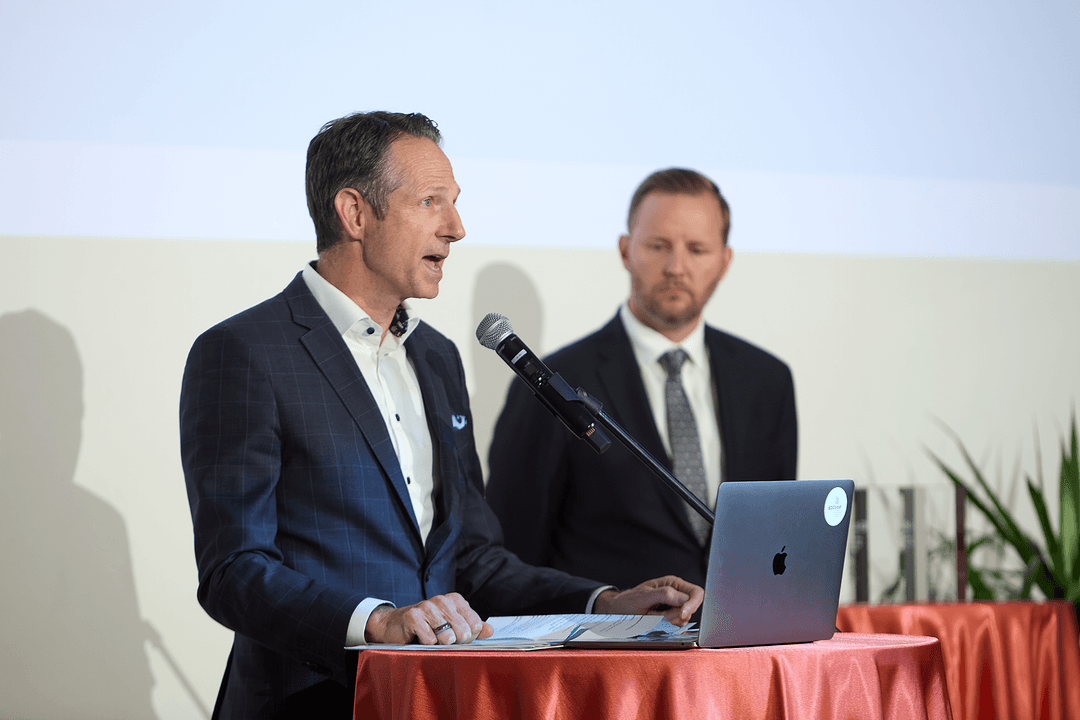
FAQs: EDCUtah, the Salt Lake Chamber, and 22 New Projects


A lot has changed at EDCUtah in the last few months—and a lot has stayed the same! In this article, we answer frequently asked questions about the latest news and initiatives at EDCUtah, including our combination with the Salt Lake Chamber, our continued partnership with GOEO, and the Business Development team’s record-breaking month for new projects.
EDCUtah and the Salt Lake Chamber will remain distinct organizations with defined missions, unique services, and separate accounts. Your investment in EDCUtah will not be commingled with Salt Lake Chamber funds and vice versa. EDCUtah is still a mission-driven nonprofit that supports economic development in communities across Utah, and connecting corporate expansion projects to Utah communities and industry experts is what we do best.
Investment at every level provides invaluable support to our team and mission—and there’s a tangible benefit to investing in EDCUtah. Every $1 you invested in EDCUtah in the 2024 fiscal year will generate an estimated $3844 in Utah’s economy. This number includes the direct, indirect, and induced financial impact of project wins announced in the 2024 fiscal year. EDCUtah investors are the engine behind Utah’s economic success, and your support has a direct impact on the project wins Utah has seen statewide.

Send them to us! EDCUtah serves a broad array of corporate expansion and relocation projects—across all industry sectors and on behalf of all Utah communities. EDCUtah will maintain primary responsibility for site selector engagement, and we’ll continue to offer:
Not much has changed in our day-to-day work. We have a process in place to ensure we don’t duplicate efforts with our partners at the Governor’s Office of Economic Opportunity, and to help us know which team is managing a new project when it comes in.
We haven’t missed a beat, and our project pipeline is still strong. In fact, August was a record-breaking month for us. We added 22 new corporate expansion and relocation projects to our pipeline. For context, the Business Development team typically takes in an average of 9-11 new projects each month. This busy pipeline speaks to the confidence that site selection consultants and investors have in EDCUtah as the destination for white glove service and corporate recruitment expertise.
We’re introducing a new service model for communities that will enhance our client experiences, and we’re creating more opportunities for investor collaboration with EDCUtah’s business development, research and marketing teams. Examples of this include:
We use a variety of methods to get the word out. Our website is a great way to learn about EDCUtah’s team, upcoming events, and program offerings. EDCUtah staff have been reaching out directly to offer meetings and phone calls, and we’re available to answer questions and learn from your feedback.
EDCUtah investors receive exclusive email announcements, and we follow up on those email announcements with live updates at investor-only events like EDCUtah’s Quarterly Business Development Breakfast. We regularly celebrate joint wins and investor activity on social media.
_____
If you’re an partner and you haven’t been hearing from EDCUtah, let’s get you connected! Send an email to connect@edcutah.org.
For additional information or to schedule an interview, please contact us.


Interest in Utah’s business environment is high! In August, the EDCUtah Business Development (BD) team took in 22 new corporate expansion and relocation projects. For context, the BD team’s monthly average typically falls between nine and 11 new projects.
When it comes to corporate expansion and relocation services, expanding businesses have an asset in EDCUtah’s BD team. Our experienced team works with companies that want to hire Utahns and invest in Utah communities, and we can support site selection projects from beginning to end.
Read on to learn more about EDCUtah’s Business Development team.
With more than 10 years of experience in economic development, Erin oversees all business recruitment projects and manages a team dedicated to catalyzing capital investment and creating quality jobs in Utah. She drives strategic initiatives, secures new business opportunities, and maintains strong client relationships. Erin has been instrumental in helping companies expand within or to Utah, supporting projects that have added more than 18,000 jobs to the economy. Prior to EDCUtah, she worked as a management consultant in Washington, D.C., where she also earned her Master of Public Administration from the George Washington University. In her free time, Erin enjoys wakesurfing, pickleball, hiking, painting, and playing with her five-pound maltipoo, Franky.
Contact Erin at efarr@edcutah.org or 801-323-4243.
Jared oversees recruitment and expansion efforts across the energy, data center, and manufacturing sectors. Before joining EDCUtah, Jared worked as Tooele City’s economic development director and as an urban planner for Salt Lake County. He has a bachelor’s degree from the University of Utah and a master’s from the University of Southern California, both in urban planning. Outside of work, Jared enjoys cycling, skiing, rock climbing, and reading. He volunteers on the Salt Lake City Historic Landmark Commission and admires architecture.
Contact Jared at jstewart@edcutah.org or 801-834-3858.
Rex oversees life science and healthcare projects for EDCUtah. Prior to EDCUtah, he successfully created and exited his own business and worked in commercial real estate development. While at Brigham Young University, Rex was part of the Marriott School Student Council, Real Estate Association, and Ballard Center Social Venture Academy. He is currently pursuing the Master of Real Estate Development (MRED) degree at the University of Utah. Rex loves classic rock and exploring Utah’s natural scenery through rock climbing, canyoneering, and camping.
Contact Rex at rbuys@edcutah.org or 916-778-9232.
Spencer manages corporate recruitment and expansion projects in the aerospace and defense and manufacturing industries. Prior to joining the business development team, Spencer worked in the financial services industry. Spencer graduated from Ensign College with a bachelor’s degree in finance with certificates in accounting, business analytics, and business management. Spencer enjoys spending time with his wife, playing sports, watching Utah football, being outdoors, and being with friends.
Contact Spencer at slayton@edcutah.org or 385-522-3085.
_____
Not sure who to contact first? Reach out to Erin Farr or email connect@edcutah.org, and we’ll connect you to the right person for the job.
For additional information or to schedule an interview, please contact us.
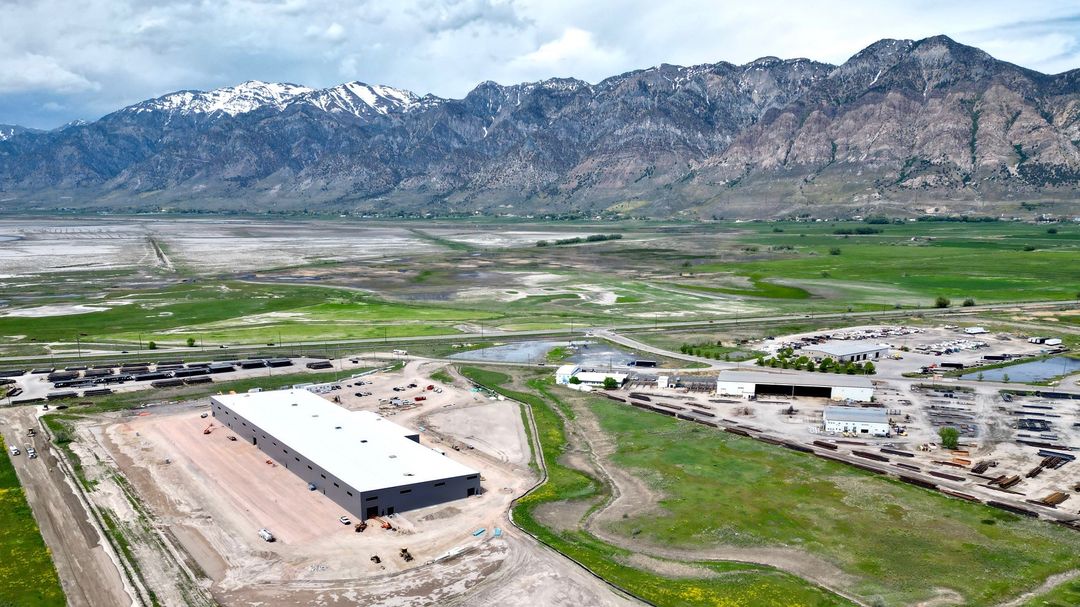
EDCUtah’s Development Ready Communities (DRC) training program includes a primer on economic development for Utah elected officials at the city and county levels. Greg Bisping, EDCUtah vice president of community strategy, moderated a recent session. He was joined by a diverse group of presenters from EDCUtah’s investor community:
The training covers many topics in detail—but here are four things elected officials should know about economic development in Utah.
One key concept discussed in the training is the balance between the goals and methods of economic development at the state and local levels. Understanding that relationship allows all community leaders to better leverage their own roles and the roles of other stakeholders.
Paul Larsen, community and economic development director of Brigham City, explained that relationship this way: “We all have the goal to grow, diversify, and improve economic and social conditions in our state and communities. How we get there can differ. The State prioritizes corporate growth and high-paying jobs that contribute to income tax. That drives the focus of their efforts and how they structure their incentive programs.”
When it comes to local government, the tools and targets change, Larsen said. “Sales and property taxes are the main sources of revenue for municipal governments. High-paying jobs are great for a community’s quality of life, but those jobs are not necessarily a boost for city budgets.”
Local governments often need support recruiting and retaining local retail and other small businesses. Jen Wakeland, strategic development director for Beaver County, emphasized the value of collaborating across jurisdictions.
“I take a holistic approach. A win for Milford City is going to have a positive impact on Beaver City and vice-versa,” Wakeland said. “The County’s role is to make connections with all of our stakeholders, to work out ahead of time what our economic development priorities are. Economic development is best served by partnership and collaboration between cities and counties. It’s not a competition.”
Marcia White, the regional economic development planner for the Wasatch Front Regional Council (WFRC), emphasized the critical need for a comprehensive economic development plan. As one of the seven associations of governments (AOGs) in Utah, WFRC plays a pivotal role in shaping the state’s economic future by crafting a regional Comprehensive Economic Development Strategy (CEDS) every five years.
This strategy is a key component of Utah’s broader economic opportunity ecosystem, designed to support local cities and counties in their economic development initiatives. White highlighted that WFRC, along with other AOGs across the state, serves as a valuable resource for communities as they develop or update their economic plans.
White also underscored the importance of coordination among regions and communities to maximize the effectiveness of economic development efforts. With Utah’s continued growth, aligning infrastructure investments, development patterns, economic development site selection, and job opportunities is essential for creating vibrant, economically thriving communities where quality of life remains high.
Other speakers stressed that community-level plans should align and support a given city or county’s general plan. Brigham City’s Paul Larsen stated that general plans should include an economic development component, and that economic development efforts should be considered an implementation strategy for the general plan.
Jason Burningham, principal and owner of LRB Public Finance Advisors, and Ben Hart, executive director of the Utah Inland Port Authority, spoke about the use of tax increment financing (TIFs), Community Reinvestment Agencies (CRAs), Redevelopment Agencies (RDAs), and associated Public Infrastructure Districts (PIDs).
The general discussion focused on managing the pros and cons of TIFs. Burningham and Hart both noted that TIFs are useful for improving public infrastructure, something that companies find attractive when considering an expansion in Utah.
While TIFs can attract new businesses, they can also cut into city revenue. “There’s only so much property tax to go around,” one speaker noted. TIFs often require a considerable amount of discussion and negotiations with all stakeholders, such as schools and other districts. The Port Authority offers communities a distinct advantage in that it negotiates with all stakeholders in developing a TIF. “This is more efficient, and it can take local officials off the hot seat,” Hart said.
Hart also noted that the Port Authority, which has 11 project areas currently around the state, doesn’t dictate strategy. “We try to support the long-term goals of local communities. We look for communities that are ready and willing to focus on logistics projects.”
Burningham stressed that all incentives should be performance-based. Echoing the discussion about planning, he said that a good plan puts in place policies that can help communities make incentive decisions in a consistent, transparent, and effective manner.
Rounding out the session were Brad Simons, gas development services consultant for Enbridge (formerly Dominion Energy), and Ginger Chinn, executive vice president of public policy & government affairs for the Salt Lake Chamber.
Simons highlighted the valuable resources available to municipal leaders through infrastructure partners. “Infrastructure – whether it be gas, electrical, water, internet, and more – can be complicated,” Simons said. “Your partners are ready to answer questions and discuss project timelines, so please reach out.”
Chinn introduced some of the statewide initiatives and organizations available through the Salt Lake Chamber, including legislative policy efforts and the Women’s Business Center of Utah. “The Chamber is a statewide organization, and we have members from all 29 counties in Utah. Please let us know what issues you face, so we can better represent the needs of your business communities to Utah’s Legislature and executive branch,” she said.
A recording of the elected officials training is available by request for EDCUtah investor communities. We encourage you to share this article, or the recorded training, with the elected officials in your community. Want to learn more about these and other EDCUtah community investor resources? Contact us at connect@edcutah.org.
_____
“Building Together” highlights examples of the collective impact of your investment and EDCUtah’s work in communities across the state.
For additional information or to schedule an interview, please contact us.

Infrastructure, branding, greater awareness nationally and internationally – the benefits Salt Lake City and Utah gained from hosting the 2002 Winter Olympic Games were significant. What’s in store for 2034? Even more!
The selection of Salt Lake City and Utah as the host of the 2034 Olympic and Paralympic Games is the result of decades of hard work, visionary leadership, and strategic investments. Many organizations represented on the Salt Lake City-Utah Committee for the Games are also EDCUtah investors – including Salt Lake City. We caught up with Salt Lake City Mayor Erin Mendenhall for her perspective on how the 2034 Games will contribute to the continued economic prosperity of Utah and its capital city.
Salt Lake City is at the heart of the Games, from the medals plaza to several of the events. Also, we hope to be hosting the International Houses from across the globe.
We haven’t parsed out how much of the $6.6 billion impact in the report is directly attributed to Salt Lake City. Those are some questions we’re in the process of examining. I do believe we’ll see the majority of the economic impact cited in the report centered on the Capital City.
Both the City and Smith Entertainment Group have expressed keen interest in the potential of locating the medals plaza in the sports, entertainment, culture, and convention district.
Since we started this work in earnest in 2020, I’ve been beating the drum that we shouldn’t have another temporary medals plaza. The City owns Gallivan Plaza, where the 2002 medals ceremonies took place, but I’m afraid Gallivan is just not big enough. We are an Olympic city, and I would like to see a permanent legacy site for the celebration of the Games.
We stand out the world over for maintaining and using our Olympic sports facilities, and we should also have the permanent legacy of a medals plaza. I hope to see that in the district.
Yes. I think we should set our sights as Utahns to becoming an ongoing host of the Winter Games.
We know that the Salt Lake City-Utah Committee for the Games has budgeted just over $31 million in future capital investments. Since 2019, the State Legislature has invested a total of $94.6 million, some of it ongoing and some of it one-time, for the maintenance of the sports facilities.
Of the $31 million, I hope we’ll see funds centered around the heart of the Games here, between the Olympic Village at the University of Utah and the medals plaza and sporting events that will happen downtown. Again, the investments should happen with the idea of permanence in mind. That could include, on a tertiary level, the opportunity to expedite some of our transit plans.
As a city, we finished our Transit Master Plan update last year. We know that we’re the fastest-growing state in the nation by population percentage. We know our downtown residential population is doubling to 10,000 in a four-year period. Transit investments are one of the biggest-impact investments that cities can make for quality of life and affordability. Transit investments also make a lot of sense as we saw in 2002 for the hosting of major global events.
I hope there’s potential to attract federal investment on the implementation of our expanded transit network as we build toward 2034. This includes multiple modalities such as bus and light rail.
The intangible benefits that include our identity nationally and globally are profound. As Utahns, we know the impact that the 2002 Games had on our identity, because of our lived experience. We witnessed the economic impacts, population trends, and community asset investment that were spurred by the Games.
I don’t think we can underestimate the breadth of intangible benefits that we will get from becoming a multi-Games host. Similarly, we’re only beginning to contemplate the economic and identity impacts of being a two-team capital city, with our basketball and hockey franchises. It would be an interesting case study in the coming years to measure the impact of these cumulative sports “anchors” making their home here in Salt Lake City. It is powerful that the International Olympic Committee is looking at us as a reliable and consistent host of the world.
Our greatest asset is the growing diversity of our people. The more diverse our city becomes, the stronger and more welcoming we become. The Games are not only going to showcase how different we are from 2002, it will also help us to continue to grow.
The endorsement of our city and state as represented by future Olympic Games is a shot in the arm for continued economic stability, and it will help attract the key industries that we want and need to grow here. And the Games are fun!
In the divided world that we find ourselves in, I know the Games can unify us. I’ve seen this in Paris when we all marveled at Celine Dion’s performance to spectacular displays of athleticism in women’s rugby. It’s not just the experience of sport, but particularly Olympic and Paralympic sport, that brings us together as a global community in a way that nothing else does.
Working over the next decade toward hosting the 2034 Games does something for our community. To be planning on welcoming the world, literally building toward that goal, talking to our kids about how they can be a part of that welcoming or perhaps even representing our nation in these sports – that does something to a community. It’s like when a family focuses on volunteerism. Showing up for those opportunities to give back to the community affects the character of that family.
It’s not a reach to say that the way that we prepare is going to build our community. My biggest hope is to lift our youth up. We have the youngest demographic in the nation, and there is a tremendous amount of potential in our young people.
These Games should be a major catalyst for our youth to go for their dreams. And I don’t just mean that they should have sporting dreams. I mean that their reach to the globe could include anything from STEM to arts to anything they want to do. The Games should connect them to more opportunity on a global scale if we do this right.
_____
“Building Together” highlights examples of the collective impact of your investment and EDCUtah’s work in communities across the state.
For additional information or to schedule an interview, please contact us.


EDCUtah’s Research Minute highlights interesting economic development data and timely research insights. This month, we explore productivity by industry in Utah.
An analysis of Utah’s most productive industries reveals interesting insight into what cities, counties, and the state might consider when planning for the future and targeting expansion and development opportunities.
What qualifies as a productive industry, you ask? Productivity is the total industry output (gross domestic product, plus the value of products and services used as inputs to produce other products and services) divided by industry employment. The measure is used to estimate the dollar amount per employee, per year for an industry. The higher the dollar amount, the more productive a hypothetical employee would be in that industry.
Any increase in productivity leads to economic growth as measured by GDP, and improved economic growth diversifies industry and raises wages thus improving the standard of living. Higher productivity also often means greater impact to communities in tax revenue, higher quality jobs, and a greater multiplier effect for economic growth.
EDCUtah’s research team analyzed all 96 3-digit NAICS (North Atlantic Industry Classification System) codes in the state to determine which industries contribute most to economic growth and prosperity. To do this, EDCUtah considered metrics like productivity, employment, labor density, GDP per employee, gross surplus, and the cost of labor.
In the analysis, the most productive industries tended to be the industries with the highest GDP per employee and the highest gross surplus. This makes sense because GDP is used in the calculation for those metrics. Some of the most productive industries in Utah have high employment, and some don’t. Utah has a competitive labor density for some of these industries, but not for others. The cost of labor for the most productive industries tended to be higher than those of less productive industries, since those industries generally required higher skilled labor.
Petroleum and Coal Product Manufacturing is based on the transformation of crude petroleum and coal into usable products. The process for petroleum refining involves the separation of crude petroleum into component products using complex methods. Utah has a relatively low employment in this industry, with only about 1,800 employees statewide, but a high labor density, since this industry does not have high employment nationwide. Nevertheless, this industry has grown rapidly over the last five years (+108.9% growth) and produces an astounding $1.7 million in GDP per employee.
Contrast this industry with Food Services and Drinking Places, with 119,000 employees and only $37,000 GDP per employee, and it’s clear that some industries are far more productive than others. These two industries produce roughly similar GDP, despite one having less than 2% of the employment compared to the other.
It makes sense that some industries are not highly productive. Social assistance and residential and nursing care services do not exist to produce a product output, but to provide necessary community care. The same can be said for other institutions, like museums and historical sites, which exist to serve the public and offer cultural enrichment.
Additionally, many municipal leaders prioritize attracting retailers as part of their economic development efforts. While retail industries typically rank low in productivity, GDP per employee, and gross surplus, they can provide a significant source of local sales tax revenue. Retail and service industries also contribute to a community’s livability and workforce diversification.
Productivity data can provide community leaders with an alternative lens for assessing developable areas and evaluating their economic development plans. Some communities might choose to increase their investment in real estate and infrastructure to attract non-retail commercial businesses. Other communities may not be interested in new industry development. Prosperity and “good growth” look different for every community – that’s why EDCUtah collaborates with community leaders to understand their unique needs and help them achieve their economic development goals.
_____
For more information about how industries performed in this analysis, email us at connect@edcutah.org or explore the benefits of investing with EDCUtah.
For additional information or to schedule an interview, please contact us.
Data Sources: JobsEQ, US Bureau of Economic Analysis, US Bureau of Labor Statistics.
560 jobs
$34.8 million capex
Project Ticker
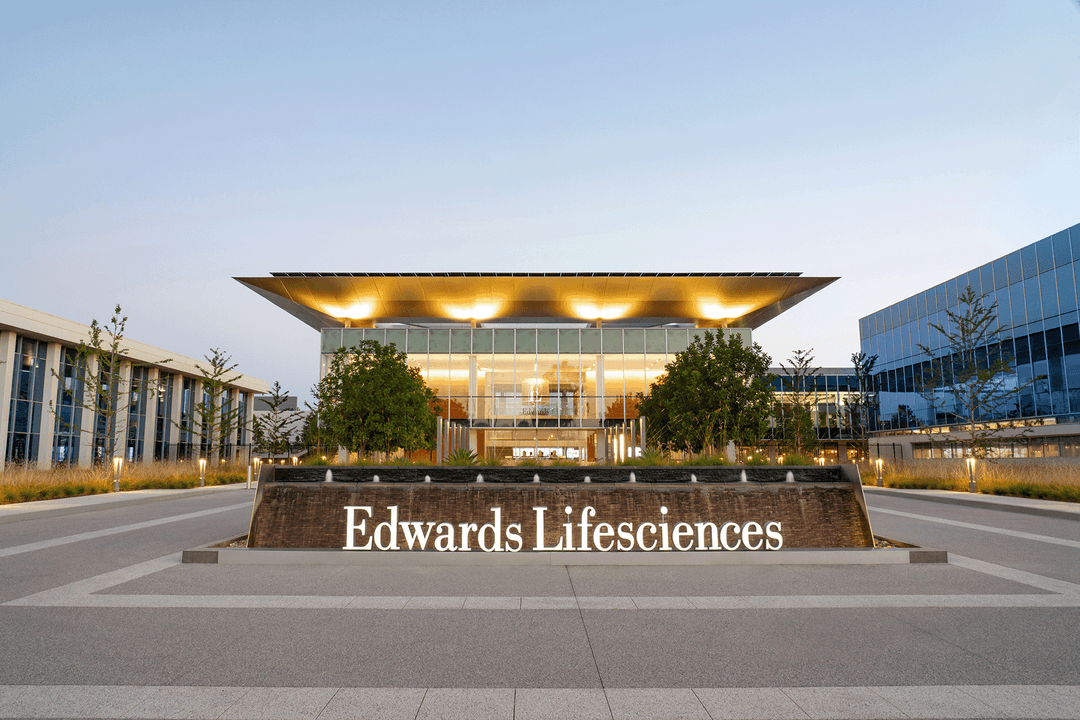
Today, the Utah Governor’s Office of Economic Opportunity (GOEO) and the Economic Development Corporation of Utah (EDCUtah) are pleased to announce that Edwards Lifesciences plans to bring 560 new, high-paying jobs and invest nearly $34.8 million in Utah over the next 15 years.
“We’re thrilled to announce that Edwards Lifesciences, a leader in medical technologies, has selected Utah to expand its operations,” said Gov. Cox of Utah. “Utah is home to a robust healthcare sector with renowned hospitals and research institutions, a highly skilled and educated workforce, and a supportive business environment. Edwards Lifesciences is a natural fit in Utah, and we look forward to seeing the medical advancements made possible through this expansion.”
Ryan Starks, executive director of the Utah Governor’s Office of Economic Opportunity, added, “Utah’s life science sector is thriving, boasting the nation’s leading job growth in the industry. The expansion of Edwards Lifesciences within the state will further enhance this trajectory, and we extend our best wishes to its success.”
Edwards Lifesciences is the global leader in patient-focused medical innovations for structural heart disease and critical care monitoring. Driven by a passion for helping patients, the company partners with the world’s leading clinicians and researchers and invests in research and development to transform care for those impacted by structural heart disease or who require hemodynamic monitoring during surgery or in intensive care.
“Edwards has operated in Draper since 2010 and currently employs more than 1,500 people in the area,” said Joe Nuzzolese, Edwards corporate vice president for global supply chain and quality. “Utah’s dynamic and supportive business environment has fueled the facility‘s growth into a critical piece of our global supply chain network and makes it a natural choice for the expansion of our advanced components manufacturing network to enable Edwards to serve more patients around the globe.”
Scott Cuthbertson, president and CEO of EDCUtah, added, “Thanks to companies like Edwards Lifesciences, Utah’s workforce is primed with science and engineering expertise that drives innovation. For many years, Edwards Lifesciences has played a pivotal role in advancing Utah’s life science industry, and we welcome its continued growth in our state.”
“Draper City is excited for the expansion of the Edwards Lifesciences campus in our community,” said David Dobbins, city manager at Draper City. “It has been a pillar of medical innovation while providing high-paying jobs for our residents. This expansion will allow the company to grow in a way that will benefit the lives of many people.”
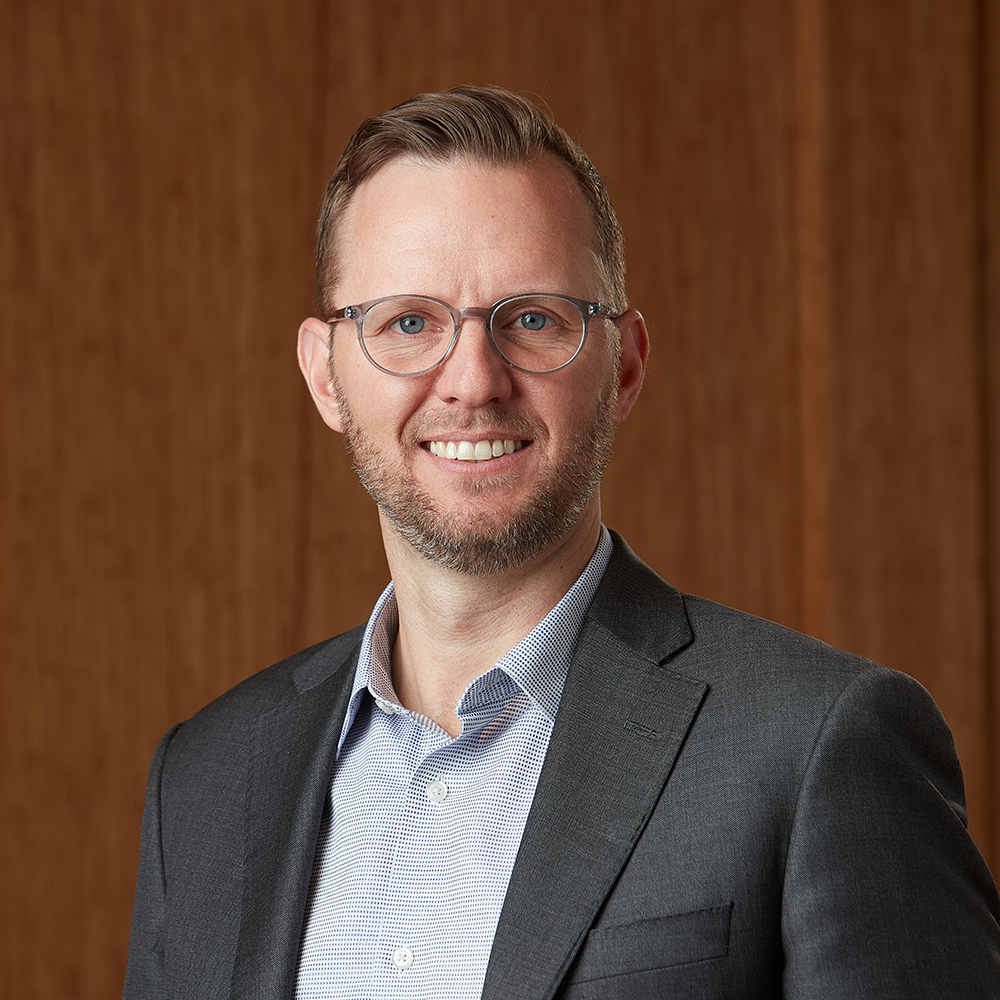
Erin Farr, vice president of business development, led Project Ticker for EDCUtah.
_____
EDCUtah Investors: If you were involved with this project and would like to have your organization mentioned, please email connect@edcutah.org and we’ll update this article.
For additional information or to schedule an interview, please contact us.


210 jobs
Project Tomcat
Today, the Utah Governor’s Office of Economic Opportunity (GOEO) and the Economic Development Corporation of Utah (EDCUtah) are pleased to announce that Precision Hermetic Technology plans to bring 210 new, high-paying jobs in Utah over the next 10 years.
“We are thrilled to welcome Precision Hermetic Technology’s expansion to Utah,” said Ryan Starks, executive director of the Utah Governor’s Office of Economic Opportunity. “Utah is home to thriving aerospace, defense, and manufacturing industries that demand high-quality, reliable components for advanced systems. Our state will benefit greatly from the company contributing to these industries, job creation, and the state’s economy.”
Precision Hermetic Technology (PHT) specializes in manufacturing high-reliability interconnect products for extreme environments and conditions. Founded in 1989 by Daniel Schachtel, PHT has become a recognized leader in the aerospace and defense sectors, known for its exceptional performance in mission-critical applications. Precision Hermetic Technology proudly holds certifications such as ISO-9000, AS-9100, ITAR, JCP, and NIST-800, enabling it to serve many prime defense contractors.
The company noted, “Precision Hermetic Technology is excited to announce its strategic relocation from Redlands, California, to Ogden, Utah. This move positions PHT for significant growth, with a larger manufacturing space enabling new product lines and added capabilities. Utah’s business-friendly environment and Ogden’s skilled workforce in aerospace and defense perfectly align with PHT’s expansion plans within these industries.”
More than just business, the move brings PHT closer to the owners, who have fostered a personal connection to the state over 20 years of family visits. PHT remains dedicated to its customers and employees, and this relocation promises a bright future.
“Utah’s business-friendly environment and robust aerospace and defense industry continue to attract new companies at all points in the manufacturing supply chain,” said Scott Cuthbertson, president & CEO of EDCUtah. “Precision Hermetics Technology plans to convert vacant office space into a manufacturing facility, and we look forward to seeing the improvements and innovation they’ll bring to Utah’s business community.”
“On behalf of Ogden City, I’m excited to welcome Precision Hermetic Technology to our community. PHT will create high-quality jobs for Ogden residents and further strengthen Northern Utah’s aerospace and defense industry,” said Ben Nadolski, mayor of Ogden City. “We are grateful to the 47G UAMMI Institute for introducing PHT to Ogden, and to EDCUtah and GOEO for supporting this important project.”
Spencer Layton, business development analyst, led Project Tomcat for EDCUtah. Cameron Cook from Boyer, an EDCUtah Builder’s Circle investor, worked on the project.
_____
EDCUtah Investors: If you were involved with this project and would like to have your organization mentioned, please email connect@edcutah.org and we’ll update this article.
For additional information or to schedule an interview, please contact us.
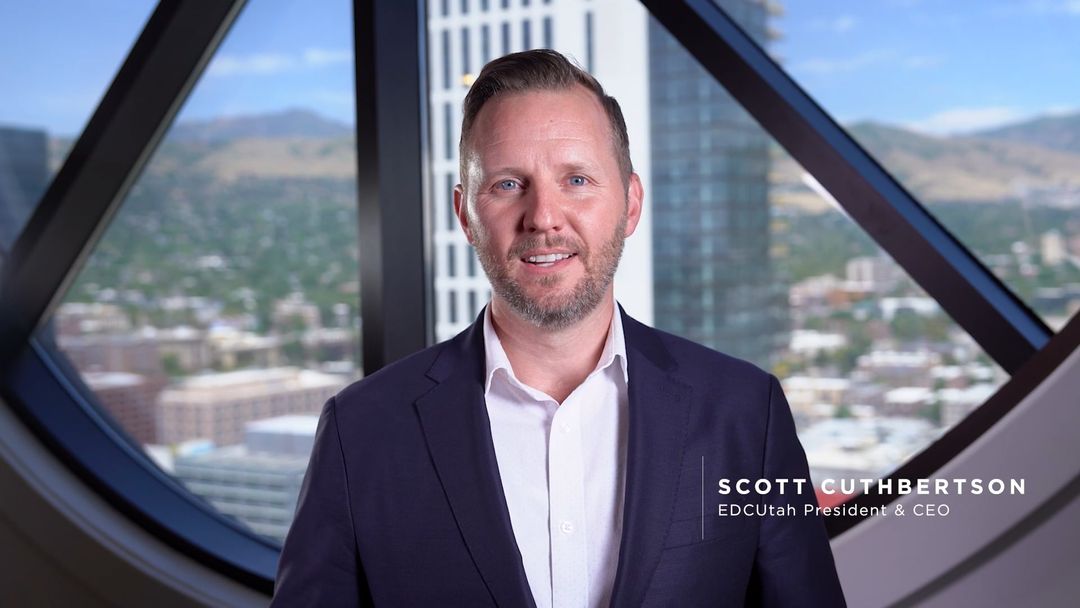

The Salt Lake Chamber is excited to announce that the Economic Development Corporation of Utah (EDCUtah) will be joining the Salt Lake Chamber organization. After careful consideration, the boards of both organizations have agreed to move forward with a framework and process for EDCUtah to join the “family of teams” within the Chamber.
“This change isn’t just about better coordination,” says Derek Miller, president and CEO of the Salt Lake Chamber. “It will increase the collaboration and effectiveness of both our organizations, especially in the areas of statewide economic development strategy, planning and execution.”
This combination will be led by Derek Miller, Salt Lake Chamber president and CEO, and Scott Cuthbertson, EDCUtah president and CEO, with governance by the Chamber Board of Directors and EDCUtah Board of Trustees. Representatives from the EDCUtah Board of Trustees, including those from the public sector, will now be included on the Salt Lake Chamber Board of Directors.
“At EDCUtah, we couldn’t be happier to unite with the Salt Lake Chamber,” says Scott Cuthbertson, president and CEO of EDCUtah. “It’s an incredible opportunity to enhance the brand and mission of EDCUtah, as our organization will both add to and benefit from the Salt Lake Chamber’s large, statewide business base and community support.”
Moving forward, Cuthbertson will continue to oversee EDCUtah’s organization and staff as EDCUtah President. He will also be a director on the executive team of the Salt Lake Chamber and will report to the Chamber president and CEO.
EDCUtah will maintain its name and brand and continue to perform as Utah’s premier statewide economic development organization. They remain Utah’s primary point of contact for site selectors and corporate decision-makers. EDCUtah will continue to offer quality business expansion and relocation services, best-in-class economic research and data, and partnerships with public and private sector organizations across Utah.
“We look forward to becoming stronger together, leveraging our combined statewide mission, resources, capabilities and expertise,” Miller said. “This unified and powerful approach to economic development will improve outcomes and increase Utah’s prosperity.”
_____
For additional information or to schedule an interview, please contact us.

Law firm Ogletree Deakins – an EDCUtah Builder’s Circle investor – recently held an employment law briefing and invited EDCUtah to attend. We sat down with Kathleen D. Weron, who has an extensive employment law practice with a focus on occupational safety and health, labor law and litigation, to get the latest updates.
An important note: Ms. Weron stresses that the conversation that follows is not confidential legal advice and that you should seek guidance from your own counsel.
We covered a broad range of Federal and State laws and regulations in the seminar, which I can cover briefly. For me, topics that stand out are the Federal Trade Commission’s (FTC) ban on Non-Compete Agreements, the Equal Employment Opportunity Commission’s (EEOC) guidance on sexual harassment, and changes to the National Labor Relations Board’s (NLRB) approach to “concerted activities” as defined in the Unfair Labor Practice Act.
Not yet. The first thing I’ll tell you is that there’s a lot of misinformation out there. I caution companies not to get their legal advice from headlines.
For one thing, the rule doesn’t take effect until September 4, and it’s the target of two lawsuits, so in all likelihood it’ll be subject to a stay in the federal courts and may eventually get overturned.
But for prudence’s sake, companies should evaluate at their non-compete agreements, their non-solicitation agreements, and their confidentiality agreements, because this is an opportunity to narrow and tighten the language to better withstand challenges in the future. One takeaway here is to separate these agreements into different documents and narrowly tailor them to protect legitimate business interests.
The FTC’s rule effectively bans all non-competes, retroactively and going forward. The rule’s language requires employers to refrain from enforcing most existing non-compete agreements. It also states an employer cannot prohibit, penalize, or prevent a worker from seeking or accepting work in the U.S. or from operating a business. A “worker” is defined as anyone from an executive to frontline employees to independent contractors.
If it goes into effect, employers will be required to send notices to employees who have non-competes, advising the employees that the non-competes are no longer enforceable. Should the rule navigate past the lawsuits, this notice would need to be sent in September 2024.
Yes, there are three. One involves existing agreements with senior executives entered into before the effective date of the rule. A second involves sale-of-business non-competes, and the third involves any causes of action that accrue before the September 4th effective date.
Senior executives are defined as employees in policymaking positions who have annualized compensation over $151,164. Remember to factor in those last $64 dollars—I love how the Feds come up with these very specific dollar criteria!
“Policymaking” is narrowly defined, requiring “final” policymaking authority over more than just a segment of a business. So, it’s only going to cover pre-existing agreements with your most senior leaders.
The FTC’s expanded definition of non-competes may extend to clauses that restrain the solicitation of customers, if those provisions are broad enough to be seen as functionally preventing a worker from seeking or accepting employment. Specifically, a well-drafted customer non-solicitation provision could “prohibit” an employee to reject competitive employment. This is going to be a focus of intense litigation in the near term.
As for trade secret agreements, state and federal trade secret laws remain in place and employers will retain the same rights to protect trade secrets under those laws. If the rule goes into effect, you’ll want to make sure your confidential information and trade secrets are protected outside the context of a non-compete or non-solicitation agreement. In other words, split these things up into separate documents.
Well, there’s something to be said for doing nothing, given the likelihood of a judicial stay.
You can also embrace the future and rewrite your template contracts to remove non-competes.
Lastly, there’s a middle ground, where you retain non-competes for senior leadership and other highly compensated employees. A lot of states are moving in this direction, and I expect Utah will eventually as well.
Currently Utah allows non-competes to have an effective duration of 12 months from the date an employee leaves the company’s employ. If the FTC rule comes into effect, it would supersede the state’s provisions.
The other thing to bear in mind – and a good reason to revisit your template agreements – is that most other states are moving in the direction of limiting use of non-competes. If your business has operations in multiple jurisdictions, keep an eye on each state’s actions in this arena.
First of all, this is the EEOC’s first update to workplace harassment guidelines since 1999, and the language took effect at the end of April. I can give a couple of high points, but I would encourage your human resource experts to dive into the details if they haven’t already done so.
For one thing, the guidance recognizes unlawful harassment against LGBTQ+ individuals, including sexual orientation and gender identification. Second, it addresses working protections for pregnancy, childbirth, or related medical conditions, including lactation. And third, it provides more than 70 hypothetical examples of potential unlawful harassment.
There’s language focused on color—that is, skin tone—versus race or national origin that bears consideration, as well as discussion of “repeated and intentional” misgendering. There’s also language on intraclass and intersectional harassment. For example, a 56-year-old harassing a 65 year old is still harassment, even though the individuals are in the same protected class.
The new guidance also discusses pregnancy-related harassment, which is relevant as the Pregnant Workers Fairness Act became effective in June 2023.
You need to know what’s going on here, even if you don’t have union employees. Section 7 of the National Labor Relations Act (NLRA) grants employees the right to form or join unions; engage in protected, concerted activities to address or improve working conditions; or refrain from engaging in these activities, if they so choose.
Section 8 makes its an unfair labor practice for an employer “to interfere with, restrain, or coerce employees in the exercise of their rights guaranteed in Section 7.”
One emerging area you need to pay attention to involves social media. One employee complaining online about their work or their boss is a personal gripe, and is not “concerted activity.” If other employees engage with that post, such as discussing terms of employment, wages, etc, in the comments, that has been construed as a concerted activity. The NLRB has been ruling in favor of employees in these cases. So, the takeaway here is to make sure you’ve crafted your social media policies so that they don’t interfere with concerted activities.
Two things come to mind. First, the Department of Labor (DOL) has increased the salary threshold for white collar exemptions. It is happening in two stages. In July, the threshold reaches $43,888 per year, and in January 2025, it rises to $58,656 per year. This may significantly increase the number of employees entitled to overtime compensation in Utah and other states you operate in. It calls for auditing your current payroll and has implications for timekeeping and recordkeeping.
Second, with the advent of artificial intelligence (AI) in all aspects of our lives, the DOL has issued guidance about the use of AI. “Responsible human oversight” is key. For example, as more and more companies use AI to screen resumes and to even conduct initial interviews, the company can’t abrogate all responsibility and decision-making to a bot, which may have inherent bias. And the company is on the hook, even though the AI tool may have been developed and administered by a third party. Again, lots to think about!
_____
EDCUtah is Utah’s only statewide economic development organization with a public-private partnership model. When you partner with EDCUtah, you gain access more than 200 local experts in law, real estate, construction, finance, talent recruitment, utilities, and more. Explore our investor network or email connect@edcutah.org to learn more.
For additional information or to schedule an interview, please contact us.

The manufacturing industry has long played an important role in Utah’s economy, and the share of manufacturing companies in EDCUtah’s corporate expansion pipeline has dramatically increased since 2020.
However, the scale of the projects, their challenges in terms of utilities and talent availability, and the locations considered are all shifting in interesting ways.
In this Q&A, EDCUtah’s business development team discusses trends in the projects bringing manufacturing jobs to Utah.
For the current fiscal year (July 2023 – June 2024), we’ve seen 57 manufacturing facility projects. Of 28 total project wins in that timeframe, 18 have been manufacturing. That’s consistent with patterns we’ve seen since the beginning of the Covid-19 pandemic, when office projects slowed, and manufacturing and distribution came to the fore in our pipeline.
The wins have come from companies in a variety of manufacturing sectors, such as advanced materials, aerospace & defense, energy & natural resources, and life sciences. The rest fall into the “other” category, which includes consumer goods, food manufacturing, and other companies. It’s a good balance.
Utah’s business environment is primarily attractive for our comparatively lower operating costs. That includes a combination of lower utility costs and talent costs. Costs may not feel low for those of us living here, and the cost gap has been closing over time, but it’s still a factor—especially when we’re recruiting manufacturing companies from coastal U.S. cities. When these companies see Utah average hourly rates for assembly positions, they are blown away. If the company is coming from the Midwest, they are seeing comparable prices or maybe prices that are even lower than Utah’s. However, in the context of our surrounding western states, we’re still doing well on cost.
Utah is also pro-business. Both at the state and local levels, companies can secure permits efficiently, especially for large manufacturing projects.
In terms of locations, manufacturing companies are choosing less urban sites more often. A significant amount of manufacturing facilities is landing on the Wasatch Front “shoulder counties,” in places like Juab County, Tooele County, and Box Elder County. These are places where manufacturing companies can access a large labor pool and lower costs for land or building leases. Five years ago, we didn’t receive many inquiries about some of these places. Now there is a lot of interest. Places like Tooele, Saratoga Springs, Eagle Mountain, Payson, and Box Elder County have growing populations who prefer to work locally rather than commute. This means access to a large labor pool eager to work for new, local employers.
New, non-residential construction supports local property tax revenue, which helps keep costs lower for cities, offsetting some of the tax burden for residents.
New manufacturing jobs allow residents to live, work, and play in the same community – without having to endure long commutes to other cities.
Back in the 1980s, Utah’s economy mostly consisted of agriculture, manufacturing, and mining. Leaders at the state, local, and business levels realized that if we wanted to better weather economic downturns, we needed a more diverse economy. That realization led to the creation of a public-private partnership focused on corporate recruitment: EDCUtah.
As we worked to diversify our economy, the manufacturing industry retained its importance as the backbone of Utah’s economy. Nowadays, it lends an overall steadiness. Utah manufacturing companies have helped our economy to grow in related sectors like life sciences, aerospace and defense, and advanced materials.
Utah manufacturing companies are growing in or near their current facilities, rather than sinking significant capital into new locations. Some examples are Proctor & Gamble and Nucor expanding their existing operations in Box Elder County. Ionic Mineral Technologies in Provo City, instead of relocating to a new facility elsewhere, is expanding into the building right next door.
Companies are more cautious about their real estate commitments than they were a couple of years ago. It was common for companies to build or lease space that they would eventually grow into, and we saw square footage between 250,000-500,000 for the average project. Now we see companies committing to only what they need and then reevaluating if they grow.
Nowadays, power capacity is top of mind. Nationwide utility infrastructure constraints are one reason why companies are pursuing smaller expansions. In some cases, it makes more sense to upgrade the power supply to an existing building – whether owned or leased – than to build a brand-new building with the hope of getting power quickly.
It’s been surprising to see how quickly the issue has snowballed nationwide. Two years ago, consultants and companies were saying power constraints could be a thing on the horizon. At a more recent site selector conference, power was the number one topic. Site selectors expect to see power capacity challenges at most sites across the U.S.
The international manufacturing companies coming into the market are hard to categorize. Some, like Fairmat, have established a robust presence here, while other projects have brought in much smaller operations. In the latter cases, the small presence again denotes a cautious approach of testing the market.
A good number are in the clean-tech space. These companies still have a lot of research and development they need to do. And, coming from an emerging industry, their bankability is not as strong as companies in other industries. Investors are more reticent to fund them in a big way. This all leads to starting small.
When the project seeks federal funds, timelines are like a slinky toy, expanding and contracting. That’s due to funding stipulations, where the company must identify a potential site and community support as part of the application process. The company is not guaranteed to receive federal funding, so it’s a rush to put the application package together followed by a wait to find out whether they receive the funding.
This is another nationwide issue, with mixed results for Utah. Unless you’re already an established manufacturer like Texas Instruments, some of the newer companies are coming in hot with site selection requests, then easing off because they have to wait six to eight months for the federal funding decision. Federal funding has created a lot of interest in Utah sites, but not many projects have landed here yet.
Site selectors travel to different markets in the country, and they notice how well Utahns collaborate to solve problems for companies interested in establishing a presence in the state. The consultants often remark on the quality of service they receive in Utah. Whether it’s state government, local government, city engineers, private sector engineering firms, you name it—Utahns work together.
Without our utility providers, manufacturing projects would be impossible to manage. They’ve done a great job supporting the state and getting those projects running.
As talent availability has become a much larger question in the last two years, talent recruitment firms have played a bigger role in the site selection process.
Our general contractors and civil engineering firms are also answering a lot of infrastructure questions upfront—whether it’s around cost data they are seeing in the market, or timelines needed to get a tilt-up concrete building out of the ground. The willingness of EDCUtah investors to share their expertise with potential projects is a huge plus.
When it comes to manufacturing, Utah performs exceptionally well. So, the first bit of advice is: come take a look. If the company needs utilities, ask about them immediately to determine if it’s possible to set up here. If they have any logistical questions, get those addressed early in the process as well.
Next, partner with EDCUtah! EDCUtah, along with our network of 200 public and private sector investors, helps businesses set up in Utah with ease. It is surprising to some companies, especially those doing their own site selection, how smooth the process can be when they work with a skilled organization like EDCUtah that facilitates every aspect of their potential development.
_____
“Building Together” highlights examples of the collective impact of EDCUtah and our investors in communities across the state. Do you have a story you’d like us to share? Email connect@edcutah.org.
For additional information or to schedule an interview, please contact us.