Research Minute: 3 Industries Where Utah May Face Talent Shortages


Each month, EDCUtah’s Research Minute highlights timely research insights and economic development data. This month, Michael Stachitus analyzes Utah’s potential occupational gaps over the next five years.
As Utah’s population and economy continue to grow rapidly, the demand for specific skills and experience in the workforce only continues to increase. As this demand for labor grows, Utah must be nimble and forward-thinking in its workforce development approach.
EDCUtah analyzed potential workforce demands over the next five years, and we identified three occupations that may become increasingly difficult to fill if current demand and market trends remain the same:
1. Healthcare Diagnosing or Treating Practitioners
2. Computer Occupations
3. Business Operations Specialists
The graph below provides a snapshot of the expected annual supply and deficit in occupations over the next five years. These are broad occupational groupings, with more specific occupations nested within each occupational category.

Healthcare remains a critical industry in Utah and continues to face challenges in meeting hiring demands. This challenge is not unique to Utah. The high demand for healthcare workers is a nationwide and potentially even global issue. As the median age in Utah and across the nation increases, healthcare needs are also expected to rise.

The gap leaves Utah with over 300 fewer registered nurses and nurse practitioners than the industry requires each year – which also means that existing nurses and hospital staff will have to shoulder the burden of increasing demand. Furthermore, there’s not a single surplus occupation in this healthcare category, meaning every occupation in the group faces a hiring deficit.
As technology innovation and artificial intelligence (AI) continue to drive economic growth in the U.S., computer occupations remain in high demand. The demand for software developers in Utah has remained high for over a decade and is expected to continue over the next five years.

Utah can address these occupational gaps by fostering strong alignment among workforce development initiatives, educational institutions, and industry needs. This includes investing in targeted training programs, apprenticeships, and certifications that align with high-demand sectors, while encouraging businesses to partner with schools and community colleges to shape curricula around in-demand skills. Utah is addressing these demands through key programs and initiatives, including Talent Ready Utah, Custom Fit, and Return Utah, three programs that connect companies to the workforce they need.
Data Sources: JobsEQ. For more information about occupational gaps, email us at connect@edcutah.org or explore the benefits of investing with EDCUtah.
_____
For additional information or to schedule an interview, please contact us.
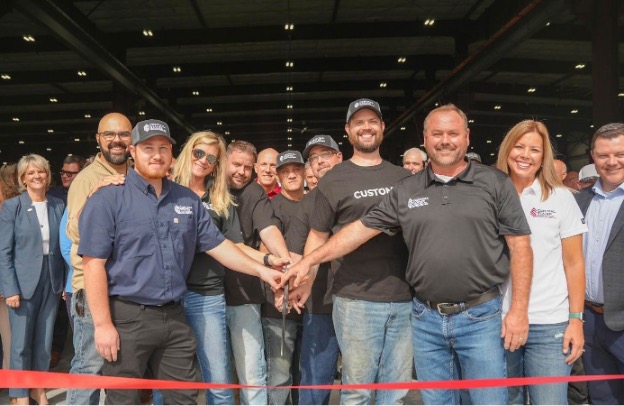
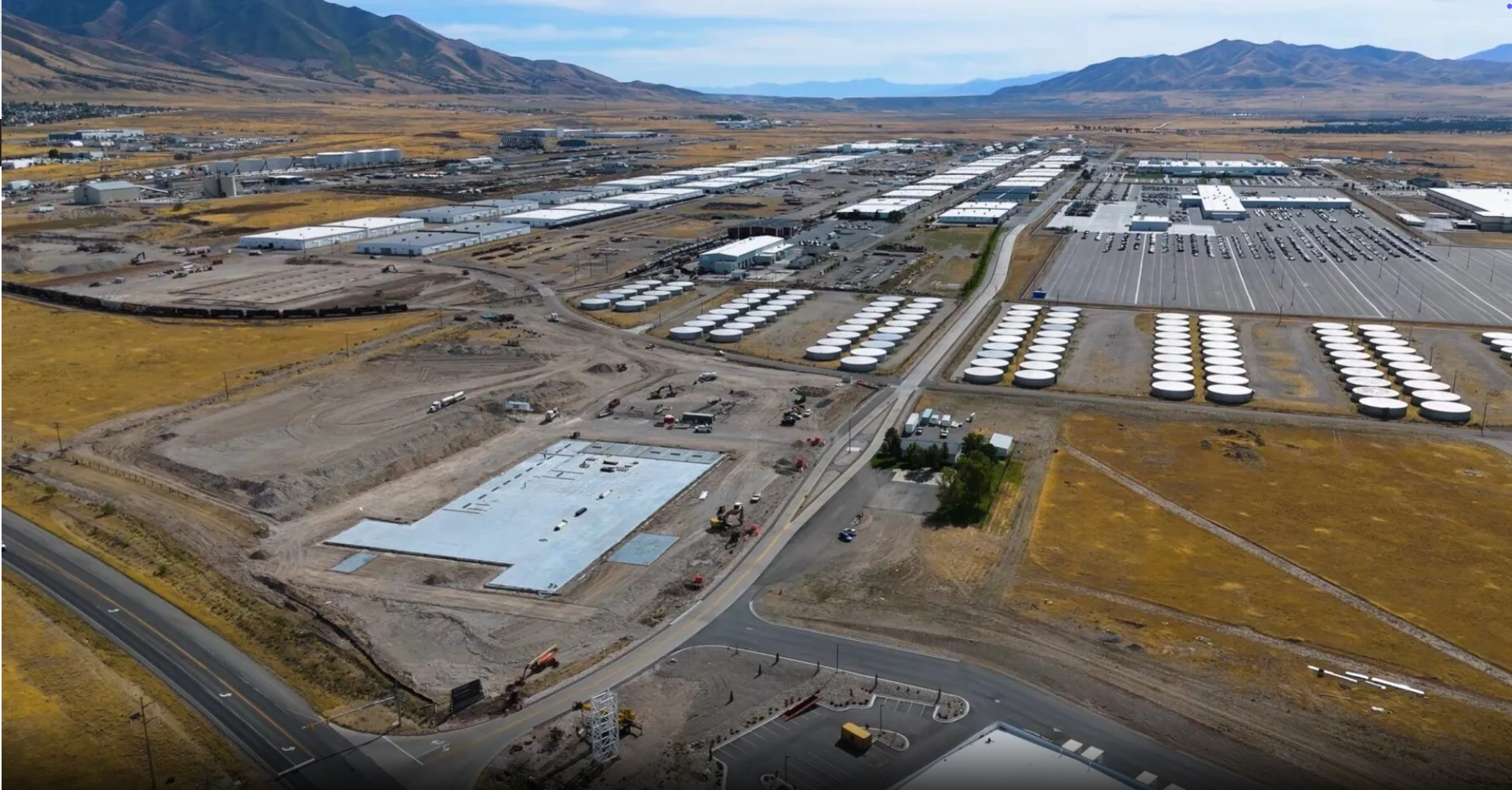
Central States, Inc., an employee-owned metal manufacturing company, recently held a ribbon cutting for its new facility in Tooele, Utah. Central States produces metal building components for residential, commercial, and agricultural projects.
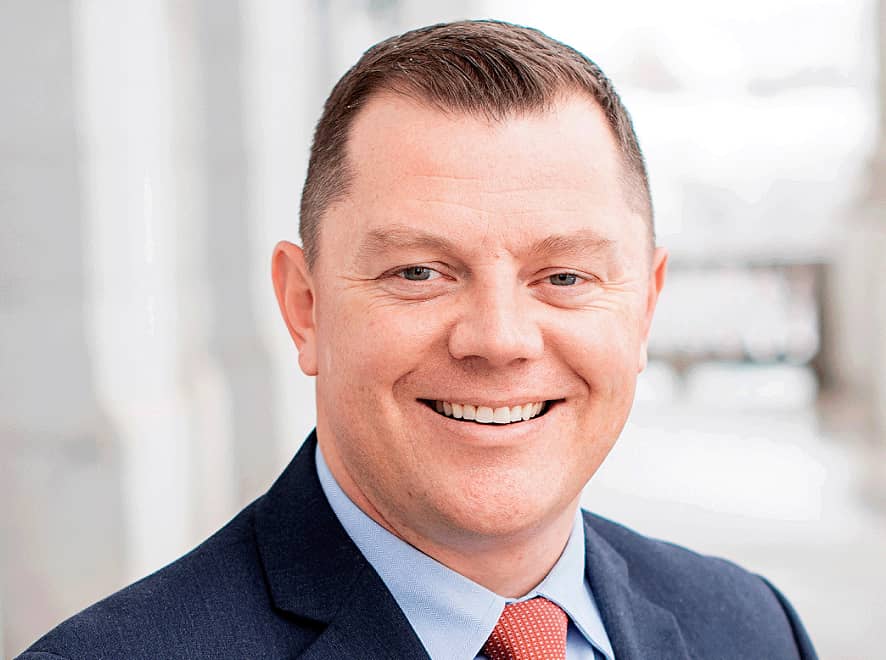
The company first announced its expansion to Tooele City in June 2023, after working with EDCUtah, the Utah Governor’s Office of Economic Opportunity, and several Utah partners to evaluate locations for their next manufacturing facility. One year after discussing the project’s early plans, we caught up with CEO Jim Sliker to discuss this major milestone and what’s next for the company’s Utah operations.
Sliker: Like any large construction project, there were the typical steps—breaking ground, closing the building, installing and validating equipment. But this plant is unique for us because it’s our first facility west of the Rocky Mountains. That brought new challenges in supply chain, logistics, and business processes.
One big milestone was hiring a plant manager. Jered Chandler relocated his family to Utah to take on that role, and he’s been the boots on the ground, leading the project.
Another milestone was resolving power supply issues. We worked closely with Rocky Mountain Power, and once we knew that was no longer a pacing item, it was a huge relief.
We also built a new supply chain strategy, including rail service directly into the back of the facility—another first for us. Validating that logistics model was key. And finally, beginning to hire and train our first group of employees was critical to preparing for production.
Sliker: We currently have a small team of eight, with a mix of relocations and local hires, but we’re ramping up quickly. Our immediate need is production technicians, the frontline people making our products. Getting them hired and trained is essential so that when the plant is ready, we can serve customers right away.
We’re working with Tooele Mayor Debbie Winn, local partners, and others to make sure our total rewards package—pay, profit sharing, stock ownership, and benefits—is competitive in this market.
Sliker: Employee ownership is central to everything we do. Our purpose is to provide well-being and financial freedom for employee-owners and their families. That drives decisions like this expansion.
We also want to integrate new employee-owners into our culture right away—helping them understand our DNA, our promise to customers, and how the business works. Just as importantly, we want to connect with the community. Even before having people on the ground in Tooele, we supported the Tooele Chamber of Commerce, food drives, and local causes. That’s part of who we are: we live here, work here, and serve here.
Sliker: Rail access wasn’t a requirement for us at the start, but once we realized that it was an option for this new plant, it became a differentiator. Having direct rail service into the facility reduces logistics costs and improves efficiency. It definitely influenced our final decision.
Sliker: This is the first time in our 36-year history that we’ve opened two plants in the same calendar year, which speaks to the strength of our team and the confidence our employee-owners have in this company. Tooele will be our 13th and westernmost plant, giving us a gateway to serve U.S. customers all the way to the Pacific.
For anyone considering joining our team, we’re an employee-owned company where you can be an owner from day one. If you value serving customers, taking ownership, and working in a culture defined by accountability and care for one another, this is a place you can thrive.
Tooele is our kind of town. The people here, the civic responsibility, and the cooperative spirit align perfectly with who we strive to be as a company. We’re proud to call Utah home.
_____
“Building Together” highlights examples of the impact of your investment and EDCUtah’s work in communities across the state.
For additional information or to schedule an interview, please contact us.
250 jobs
$189 million capex
Project Interlocken
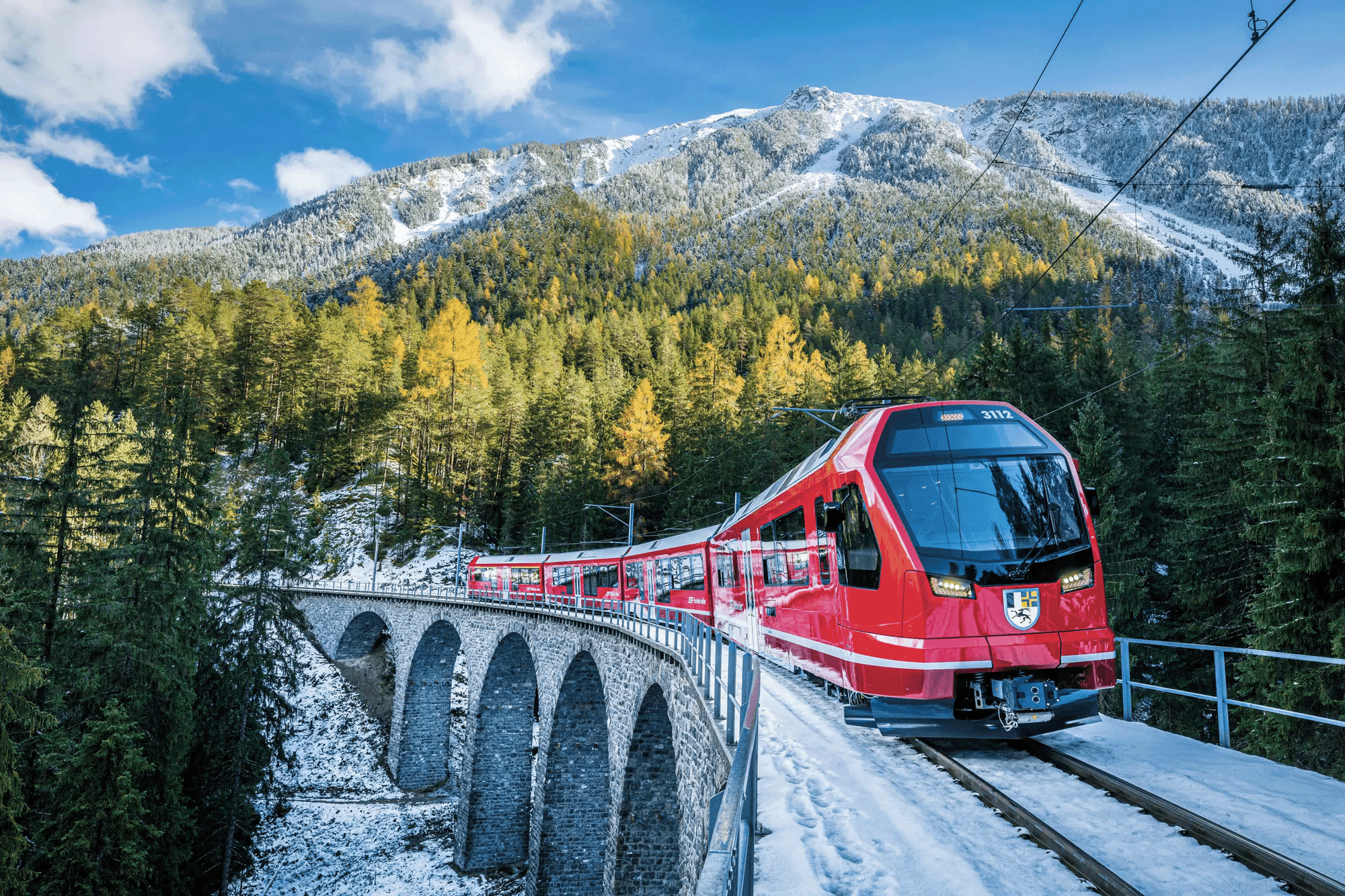
Congratulations to Salt Lake City! Stadler, a global leader in designing and building rail vehicles—ranging from modular regional and commuter trains to trams, intercity, high-speed, and specialty rolling stock, as well as advanced signalling and full-life-cycle services—has announced plans to expand its existing operations in Salt Lake City, Utah. The company intends to create 250 jobs and invest $189 million in Utah over the next 15 years.
“Stadler Rail’s expansion is a clear example of human-centered economic development in action—innovation that leads to good jobs and sustainable growth for Salt Lakers,” said Lorena Riffo Jenson, director of Salt Lake City’s Department of Economic Development. “With a $70 million investment, 250 new jobs, and room to grow even more in the future, this project strengthens our local workforce and ensures that opportunity is created here at home. Salt Lake City is proud to support investments that double down on our people while fueling the next chapter of economic growth.
The company’s announcement was the result of collaboration among Salt Lake City, EDCUtah, the Utah Inland Port Authority, and the Governor’s Office of Economic Opportunity (GOEO). EDCUtah reintroduced Stadler Rail to GOEO’s EDTIF incentive program and encouraged the company to apply. EDCUtah has supported Stadler Rail since 2016, when the company first began exploring an expansion into the United States. During that process, Stadler chose Utah for its central location in the West and strong workforce.
“Stadler Rail is laying tracks for innovation right here in Salt Lake City, where they are building electric and hydrogen rail systems that ship across the country,” said Ryan Starks, executive director of EDCUtah. Their products and commitment to workforce training are moving the rail industry full steam ahead, and Utah’s advanced manufacturing industry continues to be a catalyst for innovation and growth.”
Stadler Rail, a Swiss-based global leader in railway manufacturing, operates 16 production and component plants, six engineering centers, and more than 80 service locations worldwide, employing over 15,000 people from 75 countries. Its U.S. headquarters and primary manufacturing facility are in Salt Lake City, where the company builds a wide range of rail vehicles for the North American market, including light rail, metro, diesel-electric, and hydrogen-powered trains. Stadler US has delivered on high-profile projects including metro trains for Atlanta’s MARTA and America’s first hydrogen-powered trains for California. Recently announced, Stalder will build the Utah Transit Authority’s next-generation TRAX light-rail system.
“Since we opened our Salt Lake City facility in 2019, we’ve secured critical contracts, created hundreds of high-skilled jobs and firmly established Utah as a center of excellence in rail manufacturing,” said Martin Ritter, CEO of Stadler North America. “Thanks to the support of the Utah Governor’s Office of Economic Opportunity we are expanding our plant to boost production capacity and further invest in the training and expertise of our local workforce—strengthening both Stadler’s U.S. operations and the economic future of Utah.”
The Utah Governor’s Office of Economic Opportunity (GOEO) – an EDCUtah founding investor – assisted the project by approving Stadler for Economic Development Tax Increment Financing (EDTIF).
“Railway manufacturing drives high-quality job creation, strengthens Utah’s advanced manufacturing sector, and positions the state as a hub for innovation and next-generation transportation,” said Jefferson Moss, executive director of the Governor’s Office of Economic Opportunity. “Stadler’s growth highlights how global companies are drawn to Utah’s pro-business environment and innovative spirit. Investments like this create lasting value — for our economy and for Utahns through skilled careers and stronger communities.”
Stadler was also approved for an incentive by the Utah Inland Port Authority Board on March 24, 2025. The incentive allows a maximum of 10 percent of Stadler’s property tax liability to be rebated over 25 years. This post-performance rebate is part of UIPA’s efforts to support targeted industries within project areas. By incentivizing investments like these, UIPA aims to promote economic growth while fostering significant investments in public infrastructure.
“This investment solidifies Utah as a premier hub for cutting-edge passenger rail manufacturing,” Ben Hart, executive director of UIPA, said in March. “Stadler’s expansion will bring high-quality jobs, strengthen local supply chains, and drive innovation in zero-emission passenger rail technology—exactly the kind of growth we aim to support.”
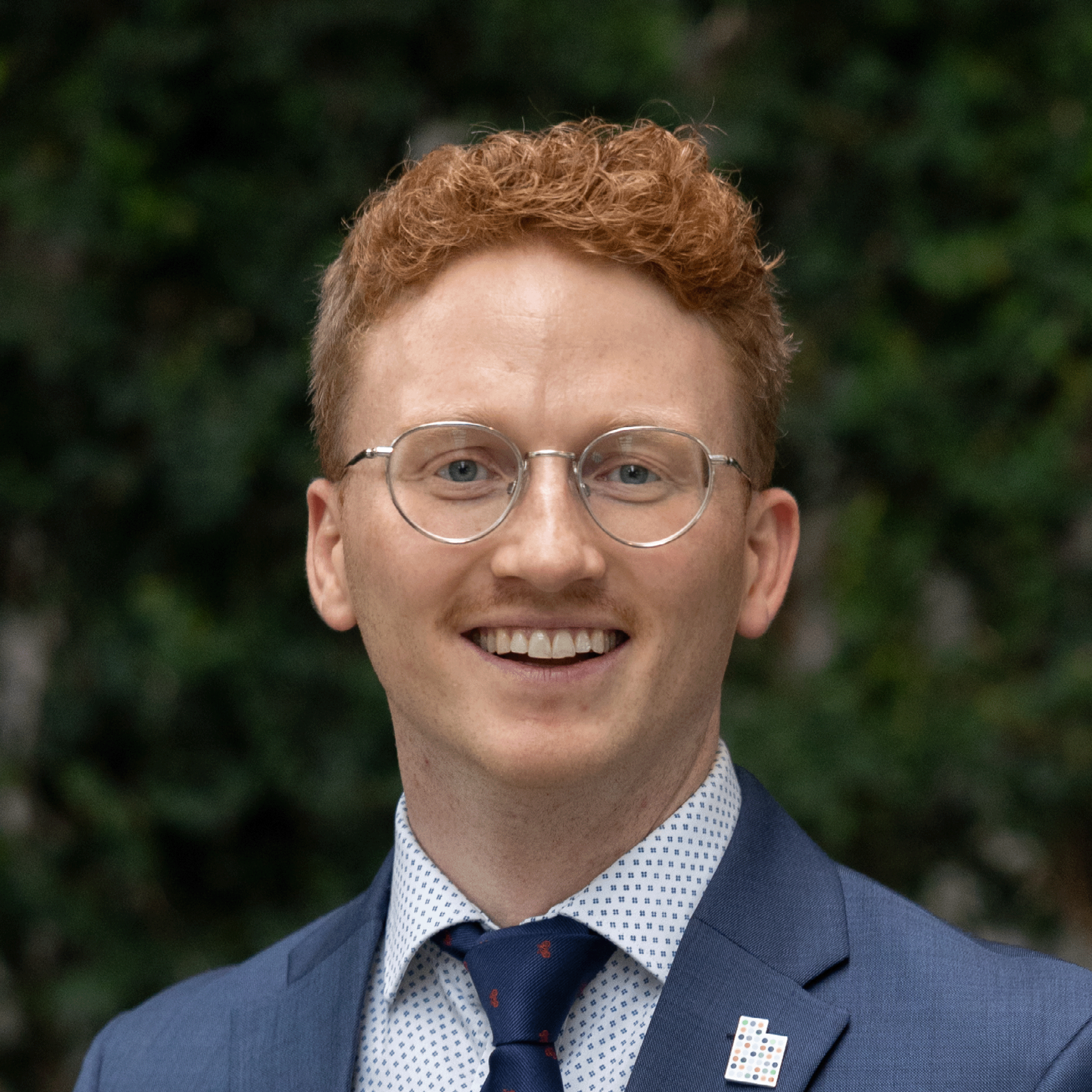
Jared Stewart, senior business development manager, led Project Interlocken for EDCUtah.
_____
EDCUtah Investors: If you were involved with this project and would like to have your organization mentioned, please email connect@edcutah.org and we’ll update this article.
For additional information or to schedule an interview, please contact us.
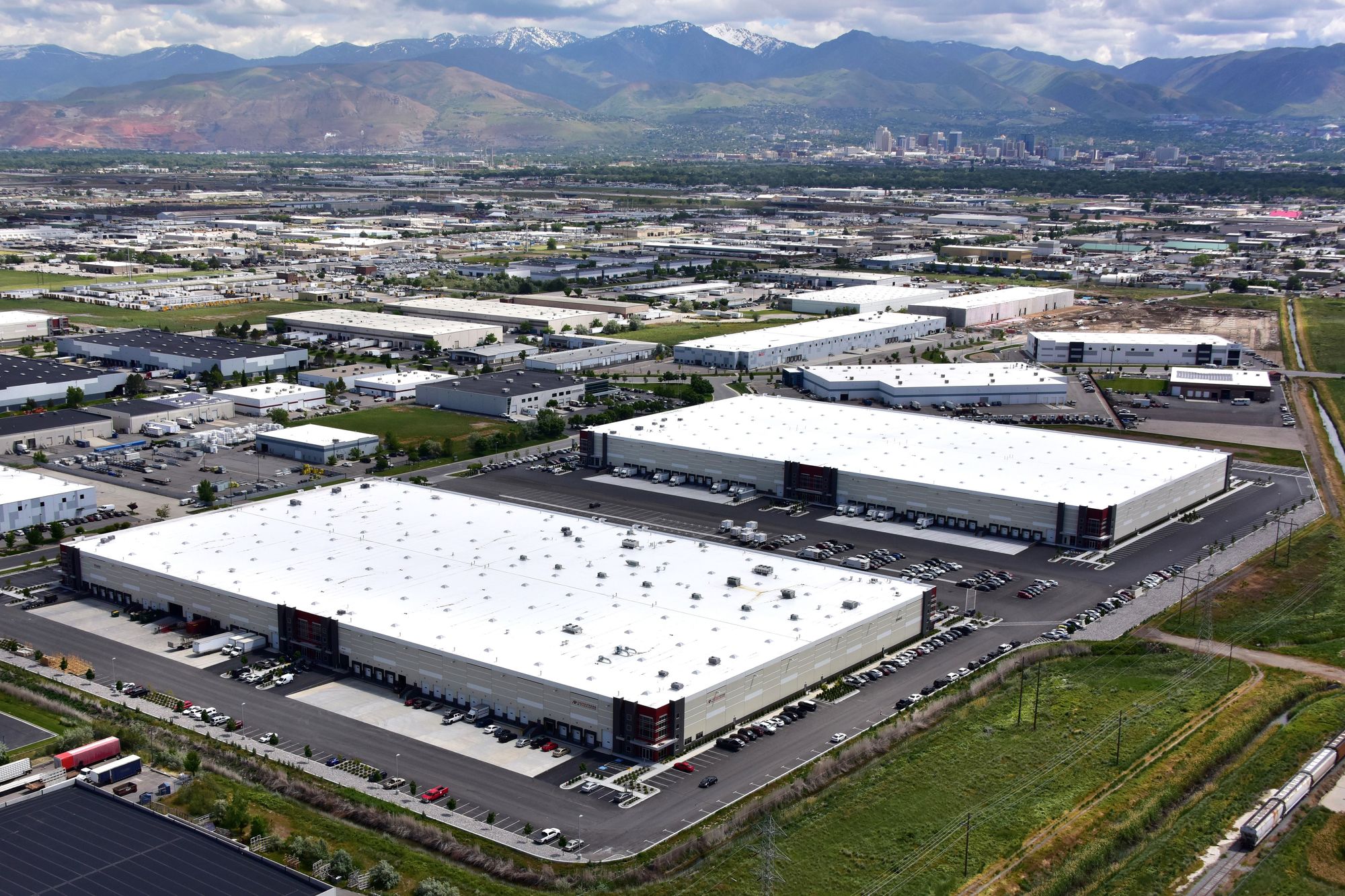
When we at EDCUtah seek an independent opinion about Utah’s economy, we often ask Steven Price of Price Real Estate. As a developer, landlord, and creative thinker, he has wide-ranging experience and insights to share. We caught up with Steven recently to hear his thoughts on education, transportation, artificial intelligence, and more.
The Salt Lake City market has grown and matured over the last 10 years. We have national and international tenants in sectors such as aerospace and defense, supply chain logistics, e-commerce, medical device manufacturing, advanced and AI manufacturing, and life sciences. We’re seeing the growth of new companies, as well as existing businesses that have much larger footprints now.
On the development and leasing side in Utah, we have a General Partner-Limited Partner (GPLP) structure that didn’t exist 10 years ago, with many of them in multifamily/lodging and industrial development. As the industrial markets grow, we often had outside developers or investors. But now we have the general partners, limited partners, and investor groups that have come to develop in Salt Lake City, the Northwest Quadrant, and spreading north and south on I-15.
We also have capital looking at this market that never looked here before. Part of that is probably due to Covid-19 and the work-from-home economy that brought more people to Utah. Part of it is the Epic and IKON passes that allow people to ski throughout the world. Those passes bring people to Utah. Accelerating the growth has been the expansion of the Salt Lake City International Airport and the Delta hub – not just the commercial side, but also on the fixed-base operator (FBO) side.
When Price Real Estate staff attend national conferences, we consistently hear Salt Lake City mentioned by keynote speakers and economists in breakout sessions. That just didn’t happen ten years ago. Utah is on the national radar screen for sure. And the question is—if you’re not in Utah, why not?
Price Real Estate is a little over 23 years old. In the beginning, we focused one hundred percent on industrial—anything from traditional rack-and-stack storage to manufacturing. And we paid attention to the industry clusters targeted by the Governor’s Office of Economic Opportunity and EDCUtah. By 2004 or 2005, we started targeting aerospace and defense, life sciences, e-commerce, and outdoor recreation.
By 2010, we were also buying urban core buildings in Salt Lake City. I had a personal commitment. I did not want these historic industrial buildings torn down for another kind of project, another kind of building. The question is, what makes a city livable? It’s what you do when you’re not working. So, these buildings are now adaptive reuse buildings with dozens of local businesses in the urban core, giving residents and visitors more options and more livability.
We found that both local, national, and international tenants wanted a landlord that they could grow with. We have a strategy of growing local businesses. If you sign a lease with us, you’re going to renew. Approximately 97% of our tenants renew their leases. Sometimes you don’t know how fast you’re growing, and sometimes you’re giving back space. Sometimes you need additional space to accommodate growth. We’ll give our tenants another space until we can get them into another building.
Tariffs impact three different issues for landlords: 1) How do we manage our buildings? 2) What are the costs to operate? Property taxes, insurance rates, and all other costs are significantly increasing. And 3) what are the impacts of tariffs if we want to build a new building?
And then there’s the impact of tariffs on our tenants. Tenants throughout the U.S. have done a few things. They’ve either sold down their inventory, in some cases lower than what the levels were in June 2020. Or they’ve surged inventory, getting product in faster than before. I use an I-15 analogy. Sometimes I-15 is moving at speed, in all lanes in both directions. Other times, you’re starting to see red lights in front of you. You’re slowing down. Is it the weather? Is there an accident? Is it just rush hour? What’s slowing us down?
Right now, we’re seeing tenants, developers, and capital markets pump their brakes. We’re starting to see red lights, but there are no airbags going off.
The cause for the slowdown is different than 36 to 48 months ago. It’s uncertainty about tariffs, trade policy, employment, and interest rates. All of those factors are working their way through commercial real estate. It’s the reason you see so few cranes working on multifamily projects in downtown Salt Lake City. It’s part of the reason we haven’t seen a new office building since 95 State in downtown Salt Lake City. It’s the reason we’re not tilting up as many industrial buildings. There’s been a traffic pause, but no accident yet. Red lights but no airbags yet.
We have an extremely well-run state. State leaders run a balanced budget here, and government stays out of your way. The State invests in the right things, like transportation infrastructure and education.
The next thing that gives me confidence is Utah’s gross domestic product. It’s very similar to the U.S. GDP. If you look at each of the different sectors of the economy, we’re well-balanced. In fact, Utah has what Natalie Gochnour calls an “elite economy.”
Another thing is that the Wasatch Front is growing. The four-county region of Salt Lake, Weber, Davis, and Utah Counties are on a steady growth trajectory.
Salt Lake City International airport is another point of confidence. We often underestimate the importance of a well-run international airport. To have a Delta Air Lines hub here, and the presence of United and American Airlines, are key fertilizers in the Utah economy. About 60% of people around the U.S. fly those three big airlines. The number of non-stop direct domestic flights to and from Salt Lake City International Airport accelerates Utah’s businesses and visitor economy. And you look at the growing international coverage with new direct nonstop flights to Incheon, to South America, and a second daily flight to Amsterdam. All of this together really builds the Utah economy.
Finally, the University of Utah – with its medical school and their engineering school and business school and so much more – is training some of the best talent in the Mountain West.
These factors combined give us, as a real estate investor, tremendous confidence in how the Utah economy is growing and how it will grow in the future.
Utah talks about a secret sauce, and one of those is that we can work together, on small things or big things. We worked together to help bring the Winter Olympics here, not just once but twice.
We know that Utah has housing affordability issues. One way to attract businesses is to focus on housing. Things will not be less expensive in the future; they’ll be more expensive. We can counter that with jobs that offer upward mobility. We need to make sure we attract the right kinds of jobs that allow Utahns to enter the workforce, remain in the workforce, and achieve upward mobility.
The state also faces issues with transportation infrastructure as the Wasatch Front grows. How do we more efficiently get people to their jobs and back home so they can have live, work, play, worship balance, and quality of life? Transportation infrastructure will be vitaly important.
If we can get those things right, Utah will continue to grow.
_____
“Building Together” highlights examples of the impact of your investment and EDCUtah’s work in communities across the state. Do you have a story you’d like us to share? Email connect@edcutah.org.
For additional information or to schedule an interview, please contact us.


17 jobs
Project Falcons
Congratulations to Weber County! Auria – a mission-driven enterprise advancing space, missile defense, and cybersecurity through cutting-edge software and engineering solutions – has established operations in Weber County. The company has already created 17 new jobs since arriving in Utah in 2021.
Auria’s expansion to Utah from Colorado was supported by collaboration from EDCUtah and the Northern Utah Economic Alliance (NUEA).
During a Utah site visit in 2021, Auria met with Chris Roybal of NUEA, who was key to providing introductions and support that advanced the expansion project by connecting Auria with essential state and local partners.
“Auria’s decision to expand in northern Utah is a tremendous win for our region,” said Chris Roybal, president of Northern Utah Economic Alliance (NUEA). “High-paying aerospace and defense jobs like these not only strengthen our economy, but also affirm that northern Utah continues to be a prime destination for innovation, advanced manufacturing, and national defense leadership.”
“Utah’s aerospace and defense industry is one of the state’s strongest economic drivers,” said Ryan Starks, executive director of EDCUtah. “The established companies that already call Utah home serve as anchors that attract new businesses, creating a thriving ecosystem that reinforces the industry as a whole. Auria’s expansion to Utah is a testament to the continued innovation and quality job creation happening across the sector and throughout our state.”
Auria is a mission-driven technology company that designs, engineers, and delivers advanced software solutions for space, satellite, and national security applications. It focuses on space operations, missile defense, cyber protection, and strategic deterrence systems, serving government, commercial, and international partners. Formed on January 1, 2024, through the merger of four leading space and defense firms—Boecore, Orbit Logic, Ascension Engineering Group, and La Jolla Logic—Auria was established to unify expertise and innovation in support of complex missions that ensure global security and advance space capabilities.
“There are so many factors that make Utah an enjoyable place to do business. The workforce in Utah is phenomenal, thanks to the number and quality of higher education institutions, along with the strong State support for education. Additionally, we found that Utah is a very attractive place to live for many aspiring engineers,” said Todd Young, Auria’s vice president of strategic & defense solutions. “With our headquarters in Colorado Springs, it felt like a natural progression to expand work into friendly and neighboring Utah. We look forward to continuing our work and expanding our presence here.”
Erin Farr, deputy director and VP business development, led Project Falcons for EDCUtah.
_____
EDCUtah Investors: If you were involved with this project and would like to have your organization mentioned, please email connect@edcutah.org and we’ll update this article.
For additional information or to schedule an interview, please contact us.
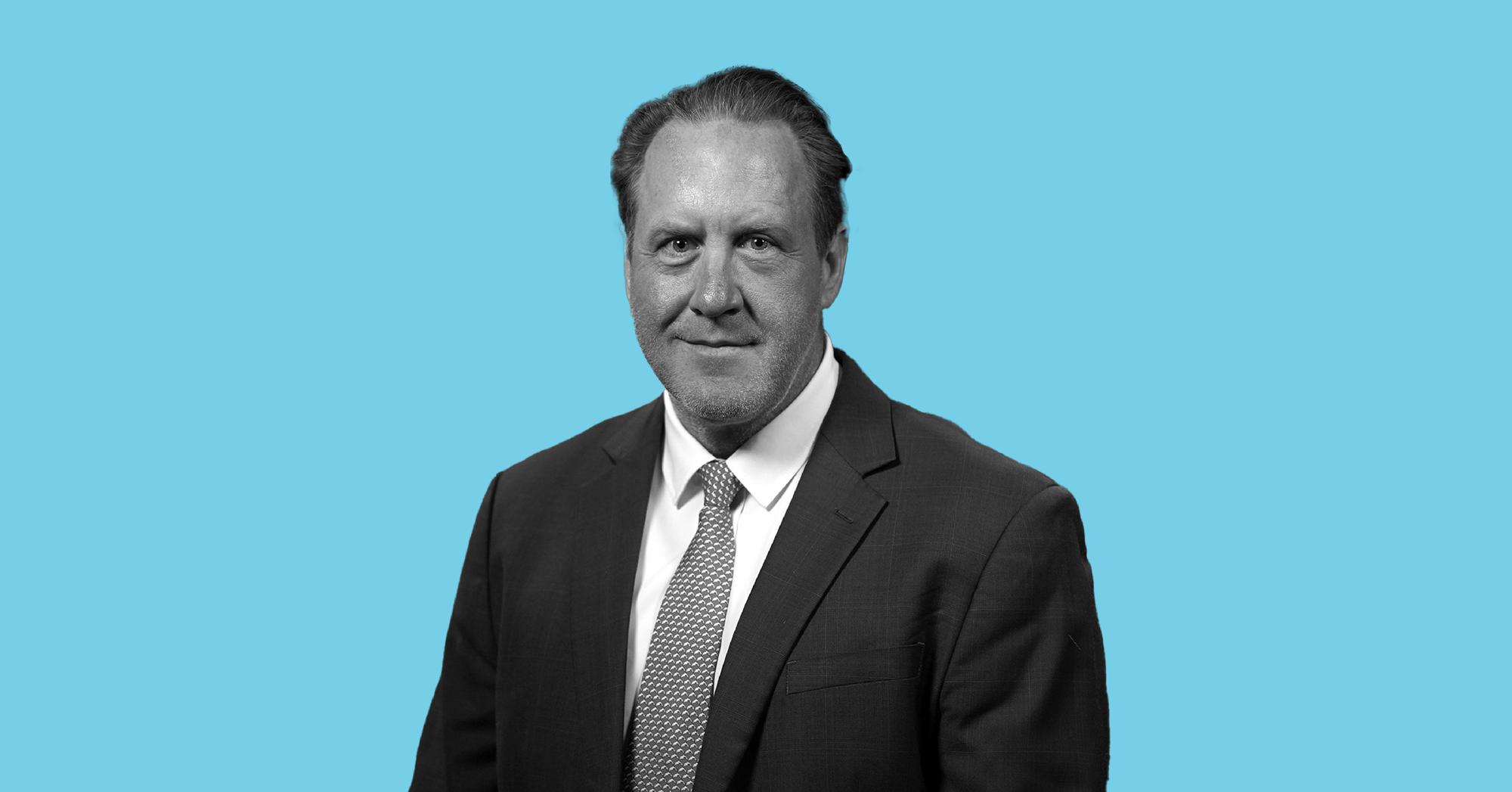
In early June, Jefferson Moss became the new executive director of the Utah Governor’s Office of Economic Opportunity (GOEO). We caught up with him recently to learn of his first impressions and priorities.
Prior to GOEO, Moss served as majority leader in the Utah House of Representatives; the associate commissioner of innovation, commercialization and economic development for the Utah System of Higher Education (USHE); and as managing director of the Utah Innovation Fund. He will continue in a leadership role with USHE in addition to leading GOEO.
As a legislator, I had a good perspective, but getting a chance to know the team and understand all the things we are working on has been really useful. There’s a lot of things that we’re doing, and we’ve got great people here — a great team of folks that are really working hard. My hope is that we continue the great trajectory of the state and continue to drive GOEO forward.
I’ve had a chance to practice my elevator speech several times since starting at GOEO. One was at the BIO International Convention, a big life sciences conference in Boston. I really appreciated the number of Utah companies that were out there, making great relationships and connections. I also appreciated just how well-known Utah is among people from all over the world. Specifically, a woman from Australia reached out to us proactively and said, “I’m just hearing all these great things about Utah, and why we need to consider it.”
It’s very cool that Utah is becoming that well known, that people see us as an up-and-coming business destination.
I also attended Utah’s trade mission to the United Kingdom. Again, the “aha” moment came in a meeting with people in economic development, venture capital, and academia. One of their leading scholars on artificial intelligence (AI) talked about the “Utah model” in AI. He’s an international expert and spoke of how Utah is the leader when it comes to AI legislation and creating the right framework. Around the world, people are watching what Utah’s doing.
My pitch is that Utah is special because 1) we have the best economy in the country; 2) we work well together; and 3) we are very business friendly. The simplest answer is that we’re one of the most stable states in the country. In the world we live in, that’s a huge deal. Businesses are looking for stability.
Thankfully, I have a lot of good friends there, so it’s always fun to catch up. As a legislator, you get the opportunity to run policy or fund things. I love to tell my peers that I’m anxious and excited to be on this side of it — implementing and executing the legislature’s priorities. Having that perspective from my time in the legislature, I think, is very helpful. Building on those relationships, we can do a lot of good things together.
Part of my message is that we represent the Governor, and we’re excited to partner and play a more active role. Not just in terms of recruiting and retention of companies — we want to play a more active role in supporting Utah’s business ecosystem.
The other part of my message is about coordination. I’m going to focus on bringing all the different efforts and initiatives together, so that GOEO is playing a quarterback role.
Our state has incredible opportunities spanning aerospace and defense, life sciences, AI, and quantum energy. Given my background at USHE, I’ve seen a lot of the efforts to get these technologies commercialized. I’ve seen businesses that are leveraging our higher education assets, and I understand how critical the workforce is in terms of propelling new innovations.
When I took that job at USHE, the first thing I did was visit some of the top innovation hubs in the world. I wanted to learn from the hubs that have taken economically blighted regions and turned them into amazing economic engines — places like Kendall Square in Boston. I wanted to understand the secret sauce that got them to be where they are.
What I found is that it’s the intersection between government, education, and industry that fueled their economic engine. We’re doing a good job in Utah, but I think we can do even better. Utah’s secret sauce is that we work well together, so how do we get everybody more united and rowing in the same direction? We’re doing great things in different areas, but we don’t fully understand or appreciate how the different areas fit into the bigger picture.
AI is an example. There’s a policy perspective in terms of creating the right regulatory environment. There’s a workforce effort, a critical need. There’s the venture capital startup ecosystem, also critical. Having sat in all of those seats, I know we can tighten alignment to be more successful. I see the same with these other areas.
Something that I’m excited and passionate about is bridging that gap between Utah’s universities, venture capital, and the entrepreneurial community. GOEO can play an important role in bringing those constituencies together and driving innovation. It’s not about a big idea. It’s creating the right environment to spur innovation. It’s that intersection of innovation —getting the right groups of people together that will drive new ideas.
At GOEO, we love all of the industries that contribute to Utah’s economy. But I do think there are unique opportunities in AI and healthcare, deploying genomics to alleviate people’s health issues. Look at the University of Utah. At the Scientific and Computing Institute, they’re doing some really cool cutting-edge AI. Additionally, we’ve got Huntsman Cancer Institute and Intermountain Health doing incredible things.
How can we leverage those efforts and create the right regulatory environment? Utah has unique advantages in genomics so it’s a matter of leveraging genomic technology the right way within a safe environment, making sure that we’re following all the right processes regarding data, privacy and other critical areas. That kind of coordination is not happening in a lot of areas around the country. Utah could be a leader in that space.
There are other opportunities in aerospace and defense, with what’s happening at Hill Air Force Base. We’re getting a lot of businesses following the lead of Northrop Grumman in and around Falcon Hill Aerospace Research Park, and we’re seeing a huge influx of startups or new businesses coming into Utah to capitalize on the great ecosystem we have there.
A third opportunity that excites me is energy. Utah has a rich abundance of energy, and forty of the top fifty critical minerals are in Utah. We’ve created the right regulatory environment so we can move quickly. We’re going to be one of the first states to move into small modular nuclear reactors. Utah can move faster than most states can — and in the era of AI, where energy demands are high, that agility positions us to lead.
Obviously, there are quantifiable measurements that we can look at in terms of outcomes. But stepping back, we’re the beneficiaries of things people did 20 years ago. Those actions are why we’re in the economy we’re in today.
I want to make sure that with the next 10 to 20 years in mind, we’re making the right decisions and investments, whether it be regarding innovation, workforce initiatives, or infrastructure. If we focus only on the economy in the near term, we’re somewhat backward looking. If we’re looking forward, we’ll continue to support the great economy that we have.
It’s great that we have our former GOEO executive director Ryan Starks at EDCUtah. That partnership is critical. EDCUtah plays an important role in helping us on the front end by talking to companies interested in Utah. He and I are meeting regularly to coordinate closely.
The collective effort is even broader. One of the things that I’m very passionate about is making sure that we’re collaborative across multiple areas. We’re located next to the World Trade Center Utah, and we have some incredible partnerships on the public side with the Inland Port, the Point, and the Military Installation Development Authority (MIDA). The more we can bring those efforts together and break down silos, the better.
We are also tightly coordinating with other state agencies. We work closely with the Department of Commerce on the AI side, as an example. We want to actively support the Office of Energy Development’s work as part of Gov. Cox’s vision to strengthen Utah through Operation Gigawatt and other key energy initiatives.
On the private side, we’re going to put a big emphasis on industry clusters, particularly in the matter of workforce development. Every single company we talk to has expressed the workforce as one of the biggest things they care about. As industries and education become more innovative, we need to be nimble in how we support initiatives like Talent Ready Utah and Utah’s universities.
And statewide, we have so many different economic development groups. I’ve been on a city council in the past and there’s a risk that economic development becomes a zero-sum game of who can give the best incentives. It can become a race to the bottom that benefits no one. There’s a way that we can coordinate and be more strategic. One of my top priorities is collaborating with our cities, counties, economic developers, and EDCUtah to attract high-quality investments to Utah.
It’s a matter of stepping back over the next four to six months to take stock. I’m going to be convening a group of stakeholders and partners like EDCUtah, businesses that we’ve worked with, and state agencies. We’ll reassess: What is GOEO’s core mission? Why do we exist? What are we trying to do? And then we’ll ask, “Where are the gaps? What are we not doing right?”
It’s important that we have a very targeted plan, a good five-to10-year plan. We’re doing a lot of great things, but I want it to be more targeted and deliberative in why we’re doing the things we’re doing.
We are putting together working groups to redefine GOEO’s purpose and role. It’s not a major shift —we are simply ensuring we’re stay on course and align our resources effectively.
_____
“Building Together” highlights examples of the collective impact of your investment and EDCUtah’s work in communities across the state.
For additional information or to schedule an interview, please contact us.

Each month, EDCUtah’s Research Minute highlights interesting economic development data and timely research insights. This month, we discuss Utah’s infrastructure grades given by the American Society of Civil Engineers.
Utah’s infrastructure received a C+ grade from the American Society of Civil Engineers (ASCE) in their recent update of the state’s infrastructure report card. The professional society has been grading the nation’s infrastructure since 1988 but only began grading Utah separately in 2015., Since 2017, the state of the nation’s infrastructure has improved; moving from a D+ to a C in those eight years. Meanwhile, Utah has improved one grade: from a C to a C+ in the past 10 years. C+ is the highest infrastructure grade given to any state so far, with only two other states receiving a C+ (Georgia and Wisconsin in 2024).
The Utah Section of the ASCE graded 12 of Utah’s infrastructure categories, based on eight criteria. The best grade, A, represents infrastructure labeled as “exceptional, fit for the future”, while the worst grade, F, is labeled as “failing/critical, unfit for purpose.”
Most of Utah’s infrastructure grades have remained the same over the past 5 and 10 years. The Utah Section of the ASCE credits Utah leaders and infrastructure agencies with working “diligently to plan for and address all of Utah’s infrastructure needs, both rural and urban.” And while the state has done a good job at maintaining infrastructure over longer time-horizons, the steady C+ grade may also be an indicator that more investment is needed to ensure Utah’s long-term stability.
There are a few areas where the state has improved and others where it has declined. Looking at Utah’s infrastructure grades from 2015, 2020, and now 2025, here are five trends worth highlighting that demonstrate Utah’s trajectory in providing the necessary amenities to support its residents and economic stability now and in the future.
“Utah benefits from a developing Wasatch Front, but rural communities are key to the state’s continued success. Those communities need access to reliable clean water, functional roads, transit, flood control, and other necessities of life.”
– Utah Chapter of the American Society of Civil Engineers
Utah dropped two grades from a B+ to a B- on transit in the last five years after not changing in the five years prior. A rising population and higher-density population centers make multi-modal and public transportation more necessary than ever as space for traditional car travel becomes scarcer. The ASCE highlights several positives: the many funding initiatives for transit, Salt Lake City’s transit ranking as the tenth best among the nation’s largest cities, and the proximity of 95% of Utah’s population to transit options. However, they also suggest that making these modes of transportation more cost competitive, increasing access in rural Utah, and updating outdated infrastructure are necessary steps to improving the state’s transit grade.
Utah has maintained the same grade of D- for levees and D+ for canals over the last 10 years, emphasizing the critical needs of the state’s poorest graded infrastructure categories. According to ASCE, “Utah has nearly 100 miles of levees that have an average age of 63 years,” and many of them fail to meet the standards of the Army Corps of Engineers. Without increasing funding and updating levees, much of Utah’s population centers could be classified as flood plains and will affect how they are assessed and insured.
Similarly, canals are at risk of damage and contamination in their current state. Utah’s canals—many of which are earth embankments and ditches, historically used for private irrigation—are increasingly being used for stormwater and flood management. Updates could reduce the risk of significant damage while also decreasing natural water loss.
While Utah’s Bridges maintain a high grade of B, the grade dropped from a B+ in the last five years. The ASCE recommends more funding to maintain and operate the state’s bridges as they age. Initiatives such as UDOT’s Bridgefest showed positive momentum in the improvement of this critical infrastructure, but additional funding will be required to maintain the high standard that Utah has maintained in the past.
The grade for aviation increased from C to a C+ in the last five years, largely due to the increased capacity of the Salt Lake City International Airport. With a budget of $3.6 billion to invest in the new airport, phases 1 and 2 of its construction have been completed with the next phase currently underway. The ASCE suggests investing in rural Utah airports to maintain and improve connectivity statewide to further improve its grade.
Between 2015 and 2020, Utah’s grade for drinking water infrastructure improved from a C to a B-. The grade did not change in 2025, but the progress made in those first five years has been maintained. Utah has successfully reduced water use by 20 percent over the last 20 years, and additional reductions will be necessary as the population continues to grow. Fortunately, legislation has been put in place to require water planning to strategize conservation and resilience for the future.
With Utah’s population expected to increase by 66% by 2060, maintaining and improving infrastructure will be critical to support that growth. Additionally, businesses require reliable infrastructure to operate efficiently and sustain employment for future generations. Ongoing infrastructure investment, especially in key risk areas, will be critical to ensuring statewide “access to clean water, reliable transportation, flood control, and responsible waste management.”
_____
Want more data? Explore the benefits of investing with EDCUtah.
For additional information or to schedule an interview, please contact us.
View Utah’s 2025 Infrastructure report card.


In a virtual Q&A last week, EDCUtah executive director Ryan Starks shared his “Vision Forward” with investors statewide. Ryan kicked off the discussion with a parable about American professional football coach and National Football League (NFL) executive Vince Lombardi and “getting back to basics.” He offered a high-level overview of EDCUtah operations and then took a series of questions.
We’ve recapped the Q&A session below. This discussion has been edited for more concise reading, but you can access the full recording here.
EDCUtah is a division of the Salt Lake Chamber, but we have a unique mission. We have our own budget, financing, and marketing team. The strength of our relationship with the Chamber is that now we’re an economic development organization with a built-in policy arm.
We met with some companies in the past couple of weeks that have said, “We’re interested in relocating to Utah or expanding. There’s this one issue, though, from a policy perspective that’s really challenging.” The nice thing about our partnership with the Chamber is now we can say, “Well, you’re in luck, because we have this inherent relationship where we can tackle the policy issue.”
We’re grateful to be part of the Chamber. We also have the independence and the autonomy to act as an independent economic development organization. So, the synergy between EDCUtah and the Chamber is strong and palpable.
The Salt Lake Chamber’s mission is to stand as the voice of Utah business, support their members’ success, and champion community prosperity. EDCUtah’s mission is to catalyze capital investment and strategic economic opportunities to create quality jobs in Utah.
The GOEO relationship with EDCUtah is one of the most important relationships we have. It sets the tone. GOEO’s tools are powerful, from the Economic Development Tax Increment Financing (EDTIF) incentives to various grants. GOEO has the backing of the state seal and can open doors in a way nobody else can.
I loved every day of my job at GOEO. Now that I’m here, I see opportunities to collaborate even more. If there ever were gaps or misunderstandings, I’m excited to address those.
I think [new GOEO executive director] Jefferson Moss is a tremendous leader. I think their management team, rural team, and business development team are tremendous. The opportunity for us to work hand-in-hand is going to create synergy.
There have been some questions to the effect of: “Should we work with EDCUtah, or should we work with GOEO?” My response is to work with both of us. We’re synced with trade shows. We’re synced with corporate recruitment activities, and with messaging. The relationship is just going to get stronger and stronger.
Utah’s industry associations are powerhouses. Look at what’s happening in the life sciences, aerospace and defense, tech, or manufacturing—just to name a few. Each of these groups is elevating Utah’s profile in a big way.
A recent project win – an aerospace and defense project – said that not only is the State incentive program and EDCUtah’s project management process robust, but they have also never been to a state with such a robust ecosystem for aerospace and defense. This partnership between the State, EDCUtah, and industry made all the difference for this company.
EDCUtah team members are not experts in all things. We can lean heavily on our industry partners for support, data, insight, and connections – whether it be 47G, BioUtah, BioHive the Bankers Association, or Silicon Slopes, and so on. The associations are additive to what we offer and help make Utah competitive.
I’ve had the opportunity to serve on the Port Authority Board for the past few years, and I’ve seen the great work they’re doing. They have port areas across the state from San Juan all the way up north. They’re filling an economic development need for communities.
As they establish those project sites, that’s fuel for Team Utah to recruit the right companies—manufacturers, logistics companies, energy companies, and retail. UIPA offers public financing tools, including a property tax differential, to incentivize companies to locate within a port area. Companies can use those alongside GOEO’s EDTIF and REDTIF incentive programs. And then they can access the project management and partner support coming from EDCUtah. When you put GOEO and UIPA and EDCUtah together, it becomes clear that Utah offers clear competitive advantages to expanding companies.
[WTCU president] Jonathan Freedman is a dear friend, and I think of EDCUtah and WTCU as being Yin and Yang. WTCU can take a company in Utah that’s seeking to expand globally, and take them onto the world stage, through trade shows and trade missions. There are so many good examples of companies that have grown internationally because of WTCU.
If you ask who’s bringing capital, infrastructure, and high-quality jobs to the state, that’s where EDCUtah plays a role. We recruit those companies, some of which are international.
When WTCU goes on a trade mission, they may interact with a company that’s interested in Utah. They can hand that lead off to us. We then can walk that company through the process, in partnership with GOEO, just as we would do with a domestic company, to help that company get established within the state. Likewise, as EDCUtah works with our members and our projects, if we learn there’s an opportunity for them to expand internationally, we’ll direct them to WTCU. We have a two-way relationship that is mutually beneficial.
Our bread-and-butter is corporate recruitment. Moving forward, you can expect EDCUtah to have a clear focus on visiting key cities and key companies to recruit new businesses. We call the program Global Strategy & Outreach (GS&O), and it has yielded many project wins over the years. We’re excited to get back in the saddle.
We’re also planning inbound activities. EDCUtah has a database of site selection consultants whom we keep in touch with frequently through email marketing campaigns. Next year, we’ll host a group of site selectors for a summer event in Utah. We’ll provide information to our investors on how to get involved when details are firmed up.
Utah has a fantastic story to tell. From being a scrappy, startup state in the mid-1800s to having the world’s best economy today, there’s certainly something there that’s worth sharing.
When you factor in the 2002, and now the 2034, Olympics … When you factor in the continued growth in key industry sectors, and Utah having the largest middle class, there’s something compelling happening here. EDCUtah’s opportunity is to partner with the State to share that good news. As my friend Brad Mortensen, president of Weber State University, likes to say, “We need to be louder and prouder about Utah and about who we are.”
The term that comes to mind is “momentum”. The buzz is palpable. People are asking, “What can we do to get ready for the Olympics? How can we support?”
Just this past week, I had the opportunity to visit with the CEO of the Olympic Committee, Brad Wilson. We talked about what role EDCUtah could play in terms of community readiness. We’re not at liberty to announce it yet, but we have put in motion plans for a partnership to help cities stand up their best messages for the Olympics. That could be through planning and zoning, business attraction, workforce development, wayfinding, community development, or other aspects. We’ll make some big announcements at our fall annual meeting, so buckle up. There are good things in the works.
We’re going to focus on recruiting corporate headquarters, especially among Fortune 500 companies. We’re going to get back into high-level, high-execution corporate recruitment.
We also want to grow our membership base. In May, we saw a significant increase in new and renewed investment. We’d love to grow that incrementally, strategically. One of our aspirational goals is to secure up to 300 investors by the year 2030. And then, we’d love to grow to 340 investors by the 2034 Olympics.
Who does EDCUtah partner with to ensure the growth coming to Utah is balanced with the available natural resources, specifically water and utility needs?
Ryan: It’s a great question, Ari. When I was at GOEO, we required every EDTIF-eligible project to go through a rigorous analysis of water consumption, power usage, and other aspects of sustainability.
The beauty of EDCUtah’s model is our collaboration with cities and counties. Mayors and city managers and economic development professionals are best equipped to understand how a project impacts their community. We certainly want balanced growth. That’s why we’re not just focused on the Wasatch Front – we conduct site visits statewide.
Given last year’s funding changes from GOEO, how is EDCUtah’s financial situation different? How secure is that situation?
Ryan: We’ve had a rough go for the past year. I was part of the GOEO team that limited the contract funding to EDCUtah. I take full responsibility for that. There were a lot of factors that went into that decision. Part of it was an experiment. Part of it was a political decision, and part of it was a hope that we would see a greater focus on some of the core competencies that EDCUtah offers.
Since that time – I’ll compliment the EDCUtah team here – they have been scrappy and hungry and willing to work hard and innovate. The EDCUtah team is committed to elevating the organization. We had a successful fundraising golf tournament just last week, and we have seen more investment coming in from both public and private sector organizations. We’re seeing membership dollars come in at a greater rate than we’ve seen in a long time.
Let me clarify that GOEO has always been an investor. Even when EDCUtah lost the state contract, GOEO still committed a sizable annual grant. With that, I think EDCUtah is in a good place, but we are not satisfied with just being in a good place. We want to be in a great place, so we’re continuing to look for opportunities to monetize some of our services, to generate revenue which ultimately benefits the investor community and the greater Utah economy.
I’m thrilled to see corporate headquarters as a new focus. I know that we’ve had a lot of success with target industries, but I’d like to suggest that regional headquarters is probably our largest opportunity. Utah is the best location to cover the western half of the United States. Salt Lake City’s economic development is part of that, and the success of the state is a strong downtown. We’ve got an education base, a transportation base, a quality of life base second to none in the West. So go for it, Ryan, and make that one of your hallmarks of success.
Ryan: Awesome, Jim. Thanks. You’re spot on that Utah is the place, and we think that we can capitalize on that. I’ll just give our friends at Salt Lake City a big shout out. Salt Lake City Economic Development Director Lorena Riffo Jenson and her team are tremendous partners, and we think that a healthy capital city translates to a healthy state of Utah.
Please consider county elected officials as well. It’s not enough just to coordinate with economic development directors or others.
Ryan: Kelly, you’re always full of good advice, and this is another gem. Thank you. We’ll definitely keep that in mind, and we love our friends down in Kane County.
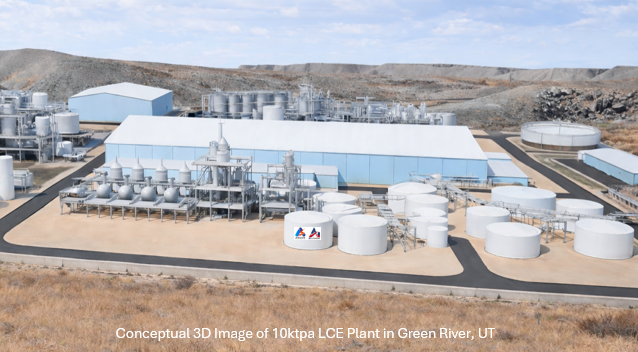
I wanted to second the comment about the team being scrappy and ready to rock and roll. We in Green River secured our first EDCUtah project win this year, and we’re working hard with the team to bring more projects to the middle of the state and our rural communities.
Ryan: I would love to just emphasize one key thing. Everything that we do at EDCUtah isn’t just us. It’s the culmination of so many people working together. Every single project includes multiple touch points. “We build together” – this is the theme we want to emphasize. The Airbuild project in Green River, for example, came as the result of collaboration among the City of Green River, EDCUtah, Utah State University Eastern, Better City, Utah Inland Port Authority, and the University of Utah PEAK water sustainability engine.
Ratio Therapeutics in West Valley City is another example. This project was the result of contributions from Jonathan Springmeyer of West Valley City, Doug Cole of NAI Premier, EDCUtah, Wasatch Group, the Governor’s Office of Economic Opportunity, and Kelvyn Cullimore of BioUtah. We’re grateful for those partnerships.
In short, what can you expect from ECDUtah moving forward? Deeper partnerships than ever.
_____
“Building Together” highlights examples of the collective impact of your investment and EDCUtah’s work in communities across the state.
For additional information or to schedule an interview, please contact us.

The Economic Development Corporation of Utah (EDCUtah) is pleased to close out the month with three new corporate expansion and relocation wins!
“Utah’s diverse and growing economy is strengthened by innovative companies across multiple sectors—from life sciences to clean technology and health and wellness,” said Ryan Starks, executive director of EDCUtah. “Companies like Microvascular Therapeutics, Reencle, and Maxtec, not only bring innovation and global investment to our state, but also create high-quality jobs and foster sustainable economic growth. Supporting these projects allows us to build on Utah’s reputation as a hub for innovation, attract international partnerships, and enhance the prosperity and quality of life for communities throughout Utah.”
Here are the latest companies to choose Utah.
Life sciences startup Microvascular Therapeutics (MVT) is collaborating with the University of Utah to advance a breakthrough device and procedure designed to stop brain tumors. Founder and CEO Evan Unger, currently operating out of his home through Utah’s ALTA program, plans to grow operations into an incubator space at the University of Utah. Over time, MVT anticipates creating up to 50 high-quality jobs in business development, clinical operations, finance, and medical specialties—building on the founder’s proven track record of company growth.
EDCUtah supported Project Kimble by hosting a site visit, conducting a market cost comparison through its research team, and outlining available state incentive programs. EDCUtah also facilitated an introduction to Kelvyn Cullimore of BioUtah. As MVT grows, the company plans to apply for Utah’s Economic Development Tax Increment Financing (EDTIF) program.
The company is gaining visibility and traction in the industry: MVT recently joined BioUtah and presented at the BIO International Convention in Boston.
MVT’s continued development reflects the strength of Utah’s life sciences sector and the value of collaboration among startups, research institutions, economic development partners, and social programs.
Reencle, a Korea-based producer of sustainable composting technology, is expanding its operations to the United States with a new presence in Springville, Utah. The company is leasing a 6,000-square-foot facility, creating six new jobs and investing $2 million in capital expenditures. Reencle delivers innovative, clean tech solutions that align with the growing U.S. demand for circular economy practices and environmentally responsible waste management. The Springville location represents Reencle’s first operational footprint in North America.
EDCUtah supported Project Worm by providing customized market data and cost comparison analysis to guide the company’s location strategy. EDCUtah also hosted Reencle’s North America General Manager and Korean CEO for a comprehensive “Why Utah” presentation.
The company is also collaborating with Brigham Young University on ongoing research and a commercial pilot project that demonstrates its technology’s ability to convert food waste into valuable compost, reducing landfill dependence and promoting sustainable waste management.
Maxtec – a healthcare technology company that produces respiratory and patient monitoring technologies – has reaffirmed its commitment to Utah by choosing to retain operations in West Valley City. Closely connected to its sister company Permapure in New Jersey, Maxtec evaluated several consolidation options and ultimately decided to maintain its 70-employee workforce in Utah.
EDCUtah supported Project Maxwell by conducting a comprehensive market cost comparison between Utah, New Jersey, and other potential locations. The findings helped demonstrate Utah’s competitive advantages and contributed to the decision to keep Maxtec’s operations in West Valley City.
Rex Buys, business development manager, led Projects Kimble, Worm, and Maxwell for EDCUtah.
_____
EDCUtah Investors: If you were involved with these projects and would like to have your organization mentioned, please email connect@edcutah.org and we’ll update this article.
For additional information or to schedule an interview, please contact us.
223 jobs
$34.1 million capex
Project Case 2025
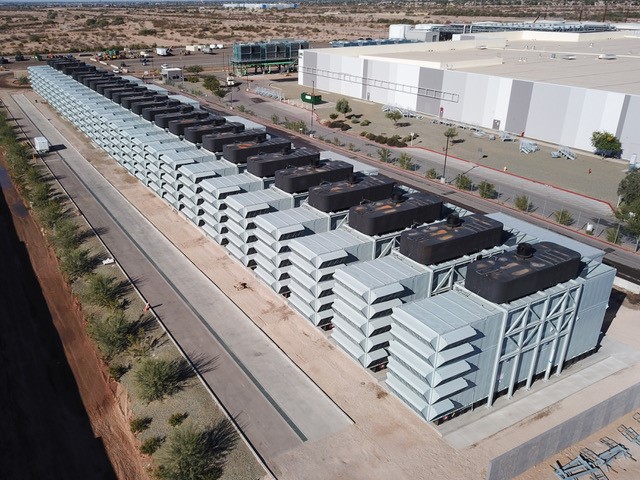
Congratulations to Clearfield City and Davis County! ACS Manufacturing, a manufacturer that designs and builds acoustical equipment enclosures—specifically for backup generators used in data centers, hospitals, and other critical industries—has announced plans to expand operations in Clearfield City. The company plans to create 223 new jobs and invest $34.1 million in Utah over the next 10 years.
The company’s announcement was the result of a collaboration among Spencer Brimley of Clearfield City, Davis County, EDCUtah, the Governor’s Office of Economic Opportunity, and the Northern Utah Economic Alliance.
Jeff Richards of CBRE Salt Lake City, who represented ACS Manufacturing during the project, brought the project lead to EDCUtah. EDCUtah worked closely with the project team to support the decision-making process and connected the company with key state and local partners.
“Clearfield City is thrilled to welcome ACS Manufacturing’s expansion,” said Mark Shepherd, mayor of Clearfield City. “This expansion will bring over 200 new jobs to our city and is a testament to our shared vision to strengthen Clearfield. We’re honored to be the home of the expansion and look forward to their continued success.”
“ACS Manufacturing will play a key role in supporting important industries across the state by manufacturing critical support systems right here in Utah,” said Ryan Starks, executive director of EDCUtah. “We appreciate our strong partnerships in northern Utah and the support from GOEO in providing an incentive to help bring this project to life. ACS Manufacturing has an important role in providing redundant and reliable systems. Additionally, they are creating high-wage jobs and delivering significant value to the community of Clearfield in Davis County.”
ACS Manufacturing is a specialty manufacturer that designs, engineers, and fabricates equipment for power generation, data centers, and other industries. It focuses on acoustical enclosures, fuel tanks, turbine systems, and skids, often serving as a single-source provider for complex projects. Incorporated in 1994 and founded on the principle that elegant solutions emanate from applying fundamental engineering principles, ACS was formed to meet the expressed need for single source, turnkey delivery of complex projects.
“As demand for our products continues to accelerate at a rapid pace, expanding our manufacturing operations in Utah is a strategic step forward,” said Dan Knox, CEO of ACS. “Utah offers a unique and compelling business environment, including its proximity to key customers and a deep pool of highly skilled labor. But what truly sets Utah apart is the exceptional work ethic of its people. We’re excited to invest in a region that shares our commitment to quality, innovation, and excellence in everything we do.”
The Utah Governor’s Office of Economic Opportunity (GOEO) – an EDCUtah founding investor – assisted the project by approving ACS Manufacturing Inc. for Economic Development Tax Increment Financing (EDTIF).
“Utah’s manufacturing sector is a key driver of our state’s economic resilience and prosperity,” said Jefferson Moss, executive director of the Governor’s Office of Economic Opportunity. “Companies like ACS Manufacturing are at the forefront of positioning Utah as a hub for technological advancement and innovation. Their growth creates high-quality jobs, strengthens our communities, and bolsters the state’s economy.”
Jared Stewart, senior business development manager, led Project Case 2025 for EDCUtah.
_____
EDCUtah Investors: If you were involved with this project and would like to have your organization mentioned, please email connect@edcutah.org and we’ll update this article.
For additional information or to schedule an interview, please contact us.