Route 92 Medical Relocates Headquarters to West Jordan, Utah

116 jobs
$5 million capex
Project Stronghold
Congratulations to West Jordan! Route 92 Medical, an innovative medical technology company developing advanced neurovascular solutions for stroke treatment, has announced plans to expand its Utah presence by relocating its headquarters to West Jordan. This investment further strengthens Utah’s growing life sciences and medical technology sector. The company intends to create 116 jobs and invest more than $5 million in Utah over the next 5 years, creating new opportunities while supporting the continued growth of the state’s medical device industry.
“We welcome the expansion of Route 92 Medical in West Jordan and look forward to the positive impact this new investment will have on our community,” said Paul Coates, economic development manager of West Jordan. “Beyond job growth in a key industry, this project will enhance our ability to invest in the high-quality services and infrastructure our residents deserve. We are proud that West Jordan will play a direct role in forwarding technology that will save lives across the globe.”
This was a collaborative project, and EDCUtah worked closely with several critical partners throughout the process. Special thanks to the Utah System of Higher Education, the Utah Governor’s Office of Economic Opportunity, City of West Jordan, Salt Lake Community College, BioHive, BioUtah, and the University of Utah.
“We’re proud to welcome Route 92 Medical’s headquarters to Utah,” said Ryan Starks, executive director of EDCUtah. “Their decision to expand here underscores our state’s reputation as a premier destination for medical device manufacturing. This move will bring high-quality jobs to our residents and further strengthen Utah’s position as a leader in the life sciences sector. We’re excited to support their expansion and the impact they will have on our business community.”
Route 92 Medical specializes in developing innovative neurovascular solutions to improve outcomes for patients with acute ischemic stroke. The company’s proprietary Monopoint platform and advanced catheter systems streamline complex procedures, enabling physicians to reach and remove blood clots with greater speed and efficiency.
“We’re so grateful to Utah’s statewide partners for their support,” said Tony Chou, CEO of Route 92 Medical. “Choosing West Jordan was a strategic decision driven by Utah’s exceptional talent pool and its reputation as a leader in innovation. This expansion will allow us to scale our operations rapidly and ensure our life-saving neurovascular technologies reach patients more efficiently than ever before.”
The Utah Governor’s Office of Economic Opportunity (GOEO) assisted the project by approving Route 92 Medical for Economic Development Tax Increment Financing (EDTIF).
“Route 92 relocating its headquarters into Salt Lake County is a win for Utah’s economy and our thriving life sciences industry,” said Jefferson Moss, GOEO executive director. “This move will continue to bring life-saving technology to the market and create high-paying, high-skill jobs for Utahns. We are thrilled to see such a significant investment that will further diversify our economic base and ensure Utah remains a global leader in the healthcare industry.”
Rex Buys, business development manager, led Project Stronghold for EDCUtah.
_____
EDCUtah Investors: If you were involved with this project and would like to have your organization mentioned, please email connect@edcutah.org and we’ll update this article.
For additional information or to schedule an interview, please contact us.
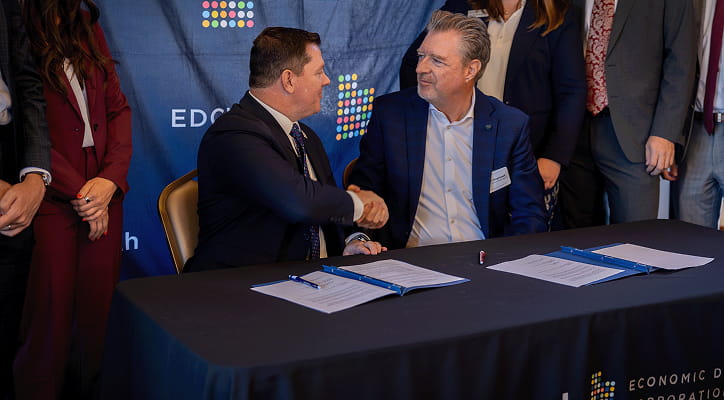
The Economic Development Corporation of Utah (EDCUtah) and the Governor’s Office of Economic Opportunity (GOEO) today announced the signing of a new memorandum of understanding to enhance and clarify their collaboration on economic development throughout the state.
“This new agreement plays well to the strengths of both organizations, and to feedback we’ve received from industry leaders and communities,” said Ryan Starks, EDCUtah executive director. “By leaning into those strengths and unifying our efforts, we’re opening a new, more efficient and effective chapter of economic development in Utah.”
This collaboration represents a proactive shift that enhances teamwork, specifies how the two organizations will collaborate, and reduces redundant effort. By pooling resources and expertise, EDCUtah and GOEO are better equipped to offer exceptional support to communities and growing businesses throughout Utah.
“This new agreement represents a forward-facing evolution for Utah and our aim to help people choose to stay, build, and grow here,” said Jefferson Moss, executive director of GOEO. “Our aim is to work together to provide a seamless, welcoming experience for any business looking to call Utah home, while also providing the best possible support to our local communities.”
The new agreement outlines shared responsibilities between the two organizations, including:
With the agreement signed, EDCUtah and GOEO will now work to operationalize their efforts with the ultimate goal of creating a stronger, more connected economic landscape for Utah to bring more economic development opportunities to Utah’s communities.
_____
For additional information or to schedule an interview, please contact us.
10 jobs
$5 million capex
Project Seven Up
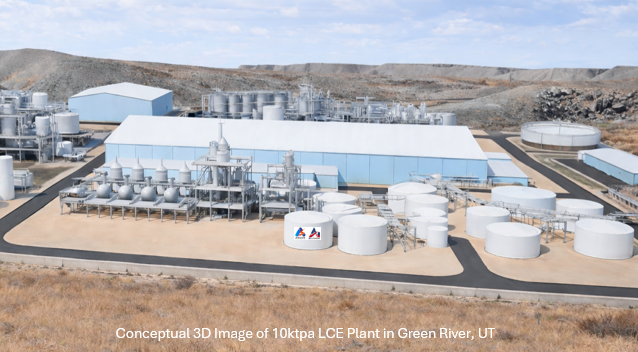
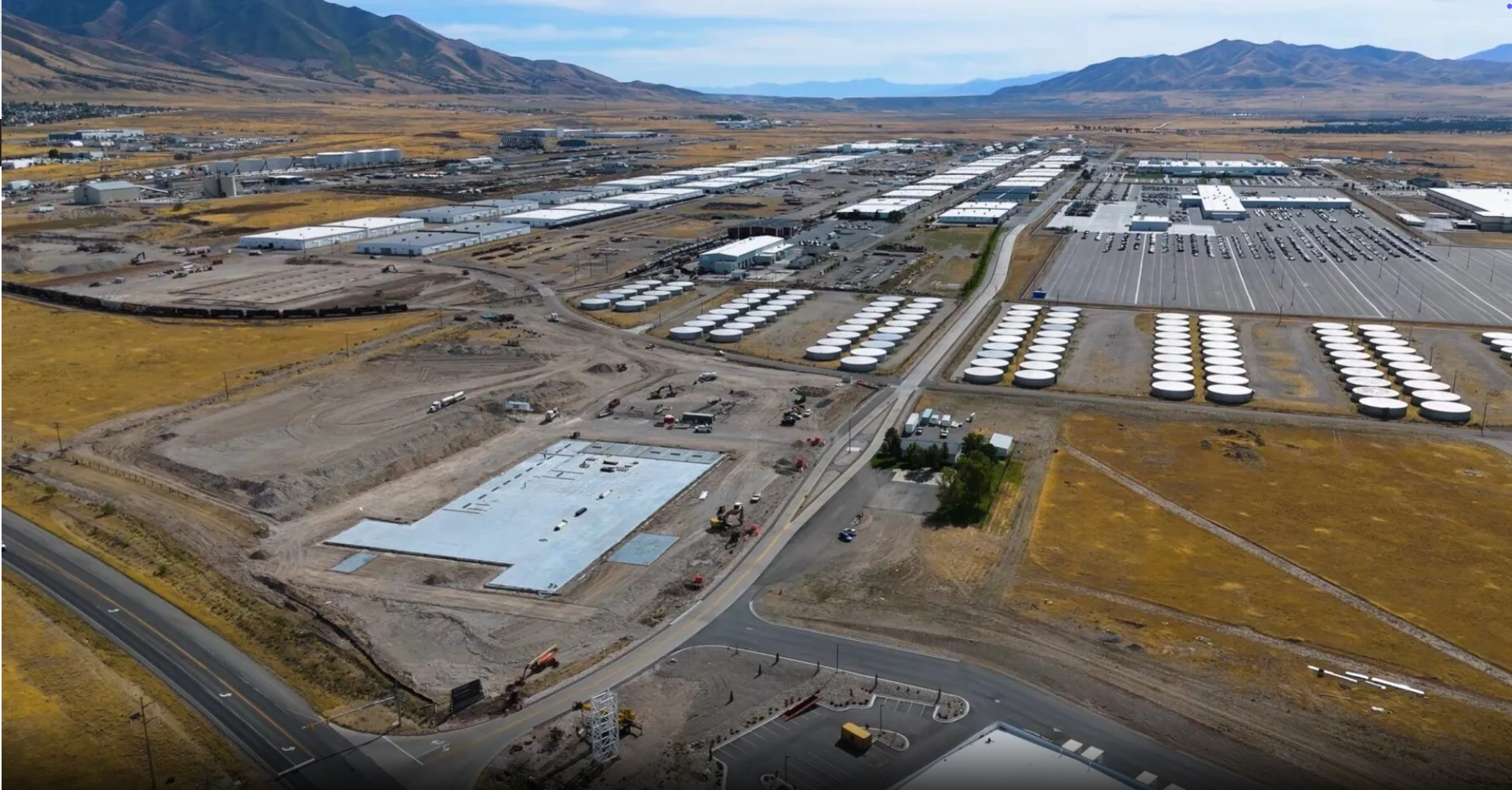
Congratulations to Tooele City! Electroflow and TMRCo (Texas Membrane Restoration Co.) are partnering to construct a first-of-its-kind lithium extraction facility in Tooele City, creating 10 new jobs in Utah over the coming years. This collaboration represents a major step forward in advancing innovative lithium extraction technologies and strengthening the region’s energy and materials economy.
“Tooele City is proud to welcome Project Seven Up and the partnership between Electroflow and TMRCo,” said Tooele City Mayor Maresa Manzione. “This innovative lithium extraction facility brings new jobs, strengthens our local economy, and supports the long-term sustainability of the Bonneville Salt Flats.”
The many partners involved in this project helped demonstrate to the company that Utah is a business-friendly and collaborative place to locate. These partners included Tooele City; the University of Utah; Terracon; Union Pacific; and the Utah Division of Forestry, Fire and State Lands – all of which met with Project Seven Up during the decision-making process. Through EDCUtah’s request for information process, the companies found a rail-served site in Tooele City to meet their immediate growth needs.
“Our investment in Tooele City is about more than lithium,” said Eric McShane, CEO of Electroflow. “It’s about building advanced manufacturing capacity in Utah. Over the coming years, we expect to invest more than $5 million in capital equipment as we scale towards commercial production, creating high-quality technical jobs and positioning Utah at the forefront of next-generation mineral processing.”
EDCUtah assisted Electroflow and TMRCo by issuing a call for sites and facilitating a site visit in July 2025. The project had highly specific requirements, including multiple rail spurs, and EDCUtah worked with its statewide network to identify an ideal location in Tooele City. The companies share the goal of producing lithium without introducing new impacts to the Great Salt Lake or the Bonneville Salt Flats, and EDCUtah facilitated meetings with scientists, researchers, and representatives from the U.S. Bureau of Land Management, the University of Utah, and the State of Utah. These early collaborations help position the project to support Utah’s economy while preserving the state’s unique ecosystems.
“EDCUtah is thrilled to support this project expansion,” said Ryan Starks, executive director of EDCUtah. “Electroflow and TMRCo represent the kind of innovation Utah strives to attract and reflect an approach of collaboration and corporate responsibility. Their facility in Tooele City will produce a critical mineral essential to powering our economy into the future while demonstrating how innovation and environmental stewardship can advance together to create lasting benefits for communities across the state.”
Electroflow and TMRCo are advancing a new lithium extraction operation in Tooele City that applies an innovative electrochemical process to recover lithium from minerals already being processed from the Great Salt Lake and the surrounding region. By focusing on existing mineral streams, the project supports the production of a critical resource while avoiding new environmental impacts and contributing to Utah’s growing role in advanced materials and energy-related technologies. A ribbon-cutting is planned for late May 2026.
Fun Fact: This project was named “Seven Up” because the original 7-Up soda contained lithium citrate, which was known to give consumers an “up” or elevated mood. The atomic weight of lithium is just under 7 on the periodic table, leading to the name “7-Up”.
Jared Stewart, senior business development manager, led Project Seven Up for EDCUtah.
_____
EDCUtah Investors: If you were involved with this project and would like to have your organization mentioned, please email connect@edcutah.org and we’ll update this article.
For additional information or to schedule an interview, please contact us.
EDCUtah’s Community Spotlights seek to elevate Utah communities and connect them with business leaders to help shape future growth. In this Q&A, Green River City Manager Edward Castro Bennett shares how the community is leveraging regional partnerships, infrastructure planning, and clean energy innovation to support projects that are feasible and built to last.
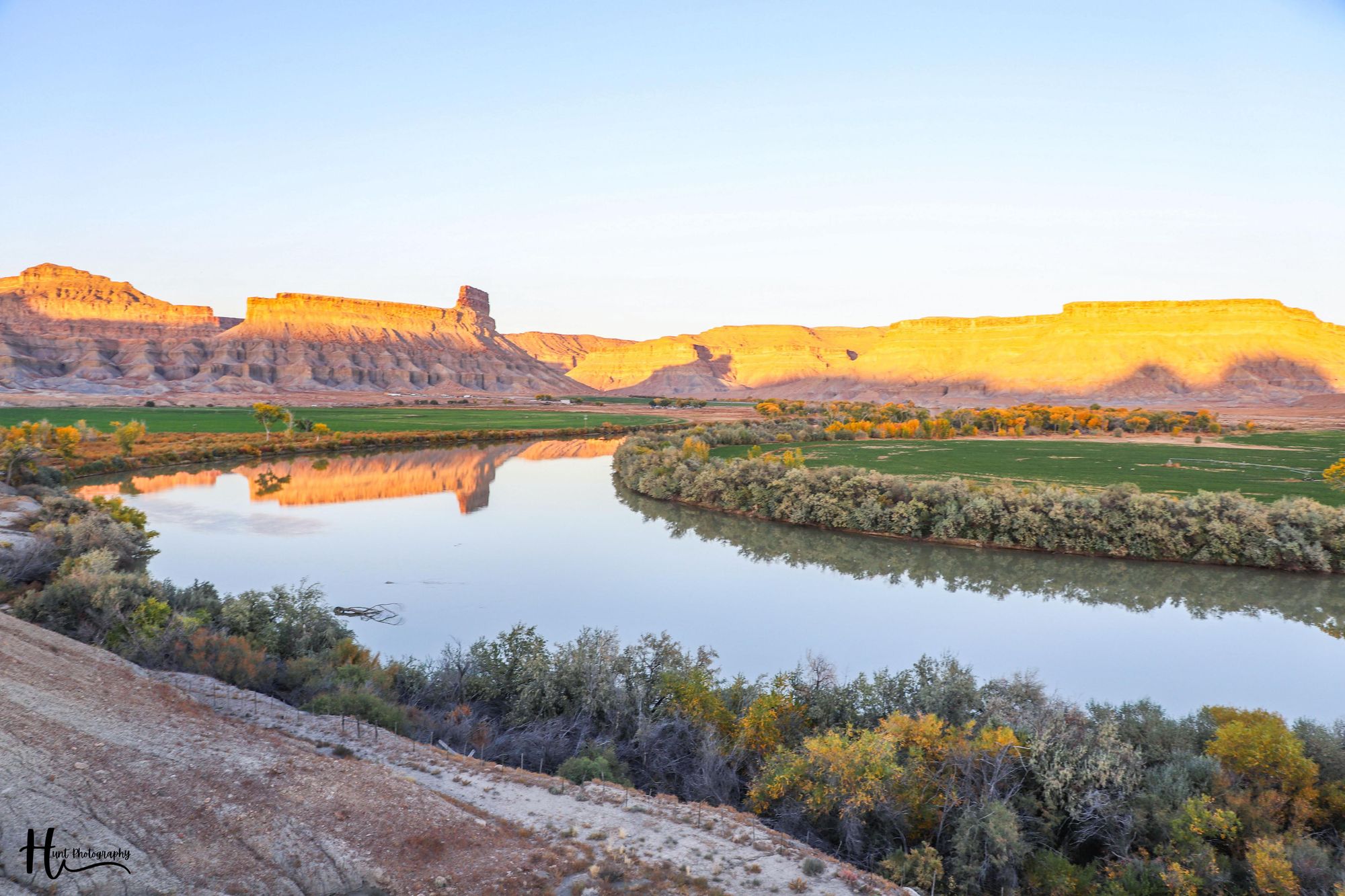
Green River is a small, resilient, western desert community on the edge of some of the most remarkable landscapes in the country. We sit in Utah’s Gunnison Valley, surrounded by the Book Cliffs, canyon country, major highways, rail lines, and vast stretches of public land. People tend to pass through us on their way elsewhere, and what often gets missed is that Green River is much more than just a stop along the way.
We are a service town in the truest sense. We provide food, lodging, fuel, emergency services, and infrastructure support for travelers, recreationists, truckers, energy workers, researchers, and neighboring rural communities. That service role extends well beyond our city limits and into a region that depends on us far more than the size of our population suggests.
We are also a river town. The Green River has shaped our history, our economy, and our relationship with the land. Water here is not abstract or taken for granted. It’s something we manage carefully, respect deeply, and plan around with intention because so much depends on getting it right.
At the same time, Green River is a connector. We connect people to the outdoors, to energy development, to rail and freight movement, and to remote parts of the state that rely on a stable hub. With that comes responsibility. Our decisions affect visitors, workers, and communities spread across a wide area.
Green River offers steady progress, serious partners, and a community that is prepared to do this work the right way.
What sets us apart is not just where we are on the map, but the role we play. We carry regional weight with a small team, limited resources, and a strong sense of stewardship. That has shaped how we think, how we plan, and how seriously we take our obligation to do things right, not just for today, but for the long haul.
I am most proud of the foundational work we are doing. When I arrived, my mandate was to bring the city into a modern economic development ecosystem.
This past year, we launched a rebrand that gave Green River a fresh identity with a .gov web domain, a new executive seal, and our guiding North Star: “Waypoint to Wild.” It’s more than a slogan – it’s a direct call to action. It reflects who we are as a community, rooted in grit and history, while opening doors to new opportunities for growth, pride, and belonging.
We also made history with Airbuild Inc, the first EDCUtah-supported corporate expansion project in Emery County’s history. When their proof of concept succeeds, it will be a revolutionary step for sustainability. We’ve also continued to support A-1 Lithium as it expands operations here, proving Green River is playing a real role in the future of energy in Utah and the intermountain West.
Airbuild matters because it reflects the direction Green River is heading. The company brings clean energy innovation, job creation, and environmental stewardship together in a way that is practical and grounded. We expect our partners to uphold our ideals of experiencing the west and being active members of the community. Airbuild is doing that in real time.
The project also demonstrates that Green River can support complex, forward-looking investments. It shows that a small rural community can be a serious partner in projects that matter at a regional and national level.
We strive to be transparent and consistent. We focus on clear rules, early and open communication, and mutual respect. Developers and property owners deserve to know what is expected of them, how timelines look, and where flexibility can (or does not) exist.
I have a four-pronged approach to everything we do in town. I ask three questions (the third has two parts):
That’s it. That’s the criteria for every decision we make.
We work to partner without compromising the long-term interests of the community. That means asking as many questions as possible early-on in the conversation. There is an incentive to avoid surprises later-on, and focusing on projects that are feasible, responsible, and aligned with our planning goals makes all these things easier.
The City of Green River supports development through coordination and partnerships rather than one-off local incentives. We work closely with the Governor’s Office of Economic Opportunity (GOEO), EDCUtah, and most importantly the Utah Inland Port Authority to connect projects to state level tax incentives, financing tools, and funding programs that a city our size simply does not have the capacity to administer in house.
The Inland Port partnership, in particular, allows Green River to leverage tools that would otherwise be out of reach. Instead of trying to recreate complex incentive programs locally, we focus on being a strong, reliable on the ground partner while the state brings resources, expertise, and scale. We currently have nearly 10,000 acres of Inland Port project zones within our city limits.
Our role is to do the best we can for our citizens and all the residents in our little corner of the world. When we can align with the right partners and keep city processes clear and predictable, then good projects move faster, risks are better managed, and investors can move forward with confidence knowing commitments are real and coordination is already in place.
Right now, we have five major economic development and downtown revitalization efforts underway at the same time. That includes the Thriving Communities Program through the U.S. Department of Transportation, our Brownfields work with the U.S. Environmental Protection Agency (EPA), the Broadway and Main engineering and redesign project and a Green River Economic Development Blueprint, both sponsored by GOEO, and our participation in Utah Main Street through the State Historic Preservation Office. That’s a lot for a small city, but it’s intentional. These projects are complimentary and we are engaging in them so we can do all the background, technical groundwork all at once.
As these efforts wrap up, we will have clear plans, the ability to prioritize projects, and tools to allow for real implementation of future development. Instead of reacting to opportunities as they appear, we will be ready with engineered designs, cleaned and usable sites, aligned incentives, and a shared downtown vision through which developers, property owners, and the community can move forward.
A big part of our work right now is not just physical projects, but cultural as well. We are intentionally shaping how the city functions, how people are treated, and what kind of community we want to be. That means setting clear expectations for residents, staff, and council; follow through; communication; and mutual respect – both within city government and across the broader community.
On the development side, we are being deliberate about the kind of growth we support. Forward-thinking development for us means projects that recognize there are real people living here, not just parcels of land or investment opportunities. We are working to create places where people can gather, walk, work, and live in ways that strengthen connection instead of fragmenting it.
Quality of life is built through consistency and care. When a city like ours operates predictably and plans with humans in mind, I truly believe we can create a culture where people feel invited, supported, and willing to build their future here.
If we build it, they will come. If we focus on planning ahead, then we can mitigate the risks instead of waiting for systems to fail. On infrastructure, that means assessing capacity, prioritizing maintenance, and sequencing projects so investments make long-term sense. Water and wastewater planning is especially critical given our desert environment. We are consistently working on upgrades and working with interested parties to reduce angst and allow for the leveraging of resources.
We coordinate closely with our local utility providers and regional partners to ensure reliability and future capacity. Road improvements are prioritized based on safety, condition, and long-term use rather than short-term fixes. This is automated at this point, utilizing an AI program to evaluate our roads and give us clear direction on maintenance and upkeep.
On growth, workforce, and housing, we recognize that these challenges are regional, not isolated. We work with intrastate agencies and potential employers to find solutions that reflect the scale and realities of rural Utah rather than importing models that do not fit.
I wish more people understood how much responsibility we carry. Green River does far more than its size suggests. We keep things moving for travelers, industries, public lands, and nearby rural communities across a huge stretch of the state, often with a very small team and limited resources. When something works, we are probably serving people well beyond our city limits.
That reality shapes how we think, act, and feel. We have to be careful and we have to think long term. There is not much room for trial and error in a rural place like this. Decisions around water, roads, infrastructure, public safety, and land use carry real consequences, and fixing mistakes later is hard and expensive. And money is not something we have in spades to use willy-nilly. We value our taxpayers and recognize every penny we spend is because of them.
Because of this, we tend to move deliberately. We focus on doing things right the first time, even if it takes longer. The responsibility we carry has made this community aware that what we do here matters to a lot more people than most realize.
People should invest in Green River because a lot of unglamorous work has happened behind the scenes to make sure systems function, expectations are clear, and long-term decisions are not being made in isolation. We’re not chasing trends or trying to sell a version of Green River that doesn’t exist. We’re focused on building the basics first. That means infrastructure, land use, utilities, downtown reinvestment, and regional coordination that can actually support growth rather than strain it. When projects move forward here, they will do so on a foundation that is thought through and durable.
Green River knows who it is and what role it plays in the region. We respect the limits of a small rural city, and we plan within them instead of pretending they are not there. At the same time, we are clear about where we are going and the kinds of projects that make sense here. For investors who think long term, this is the moment. The plans are coming together, the groundwork is nearly complete, and the city is positioned to move from planning to implementation. Green River offers steady progress, serious partners, and a community that is prepared to do this work the right way.
_____
“Building Together” highlights examples of the impact of your investment and EDCUtah’s work in communities across the state.
For additional information or to schedule an interview, please contact us.
25 jobs
55,000 sq. ft.
Project Smokejumper
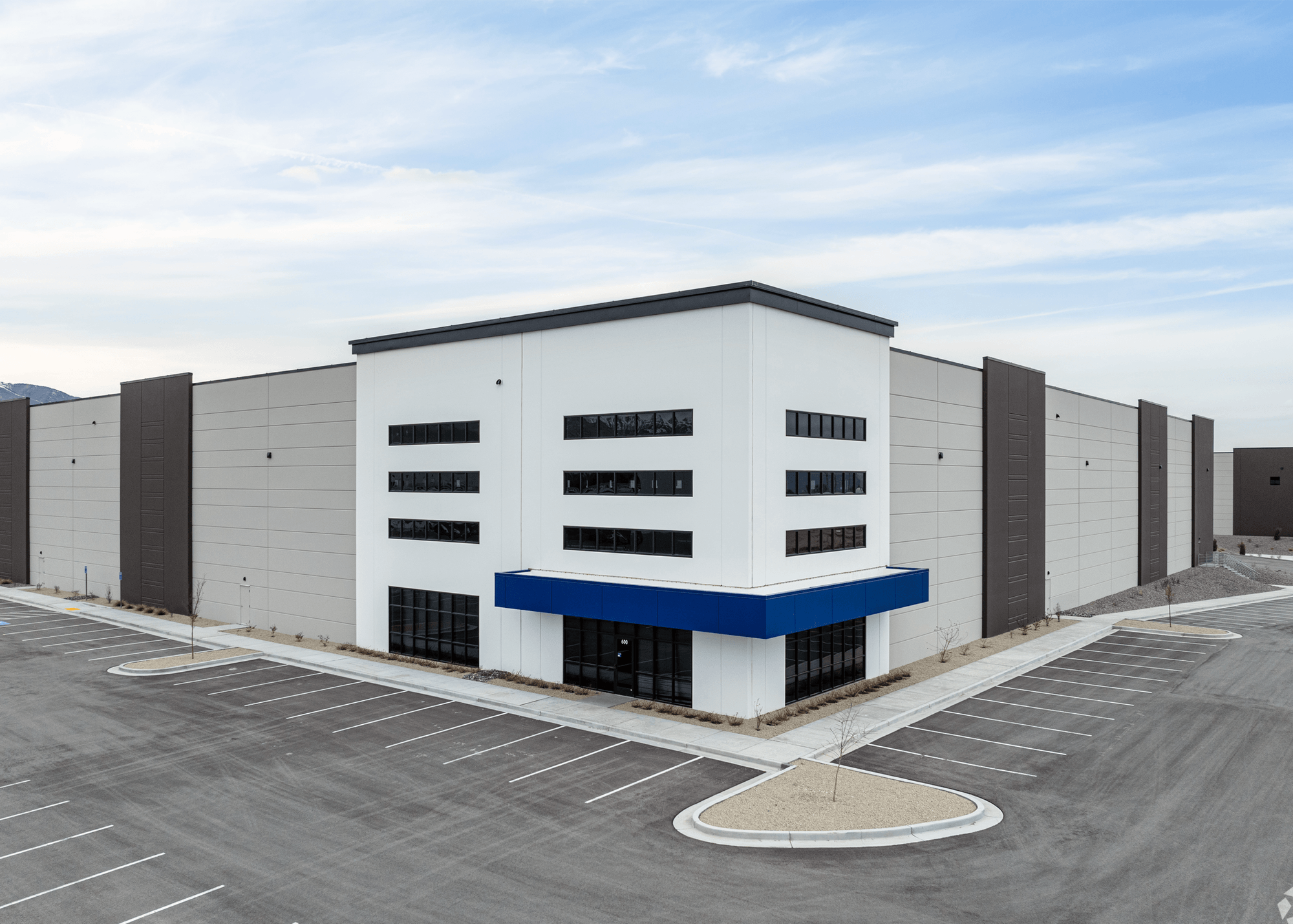
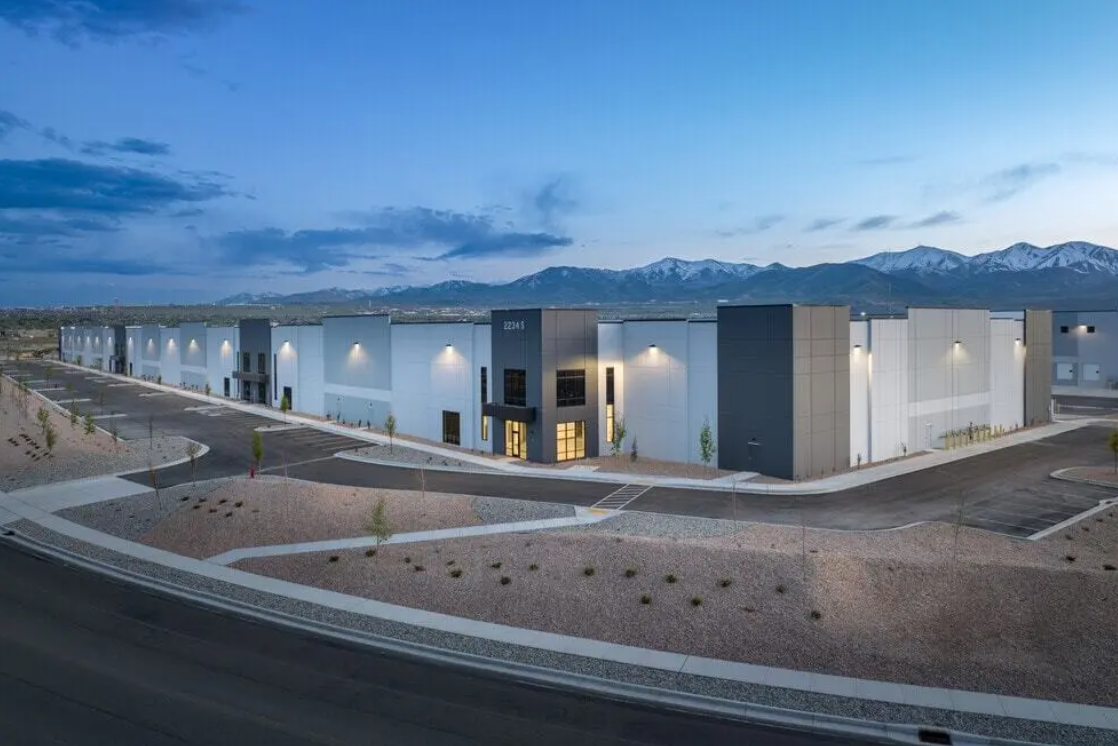
Congratulations to West Valley City! U.S.-based manufacturer KFH Industries is expanding its operations to Utah with the lease of a 55,000-square-foot facility, where it will assemble and distribute its firefighting and industrial hose products. The company plans to create up to 25 new jobs within the next five years, bringing KFH Industries closer to its customers and supporting its rapid growth in the western U.S.
EDCUtah supported Project Smoke Jumper by providing economic research on Utah’s workforce and making introductions to partners who could assist the company in establishing its operations in the state.
Jon Schreck and Phillip Eilers of Cushman & Wakefield assisted with site selection, Ogletree Deakins provided guidance on employment law, and PrincePerelson & Associates offered staffing support. The company’s Utah facility was built by Mortenson, supporting the project’s development and long-term growth objectives. Together, these partners helped the company evaluate Utah as a strategic location for growth and will continue to support KFH Industries’ transition to the state.
“KFH Industries’ expansion reinforces Utah’s position as a hub for general manufacturing and industrial products,” said Ryan Starks, executive director of EDCUtah. “Their growth brings quality jobs, strengthens our industrial ecosystem, and demonstrates why companies choose Utah for strategic manufacturing and distribution operations.”
KFH Industries’ move to Utah highlights the state’s strategic advantages for manufacturing and distribution. Utah’s geographic location and robust logistics infrastructure will allow the company to serve its western U.S. customers more efficiently.
Spencer Layton, business development manager, led Project Smoke Jumper for EDCUtah.
_____
EDCUtah Investors: If you were involved with these projects and would like to have your organization mentioned, please email connect@edcutah.org and we’ll update this article.
For additional information or to schedule an interview, please contact us.
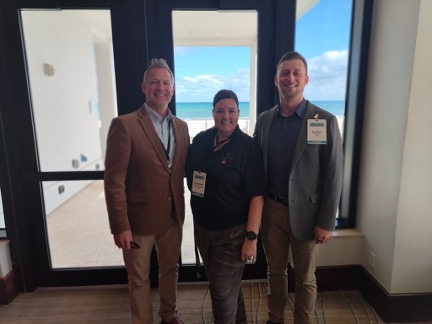
EDCUtah’s Rex Buys attended the Area Development Consultants Forum in Fort Lauderdale, Florida, in December. He took extensive notes of the site selectors’ presentations and panel discussions, and we’ve culled some of the most interesting insights.
If you have specific questions or would like more information from this conference, contact us at connect@edcutah.org.
_____
For additional information or to schedule an interview, please contact us.
10 jobs
$40 million capex
Project Rod
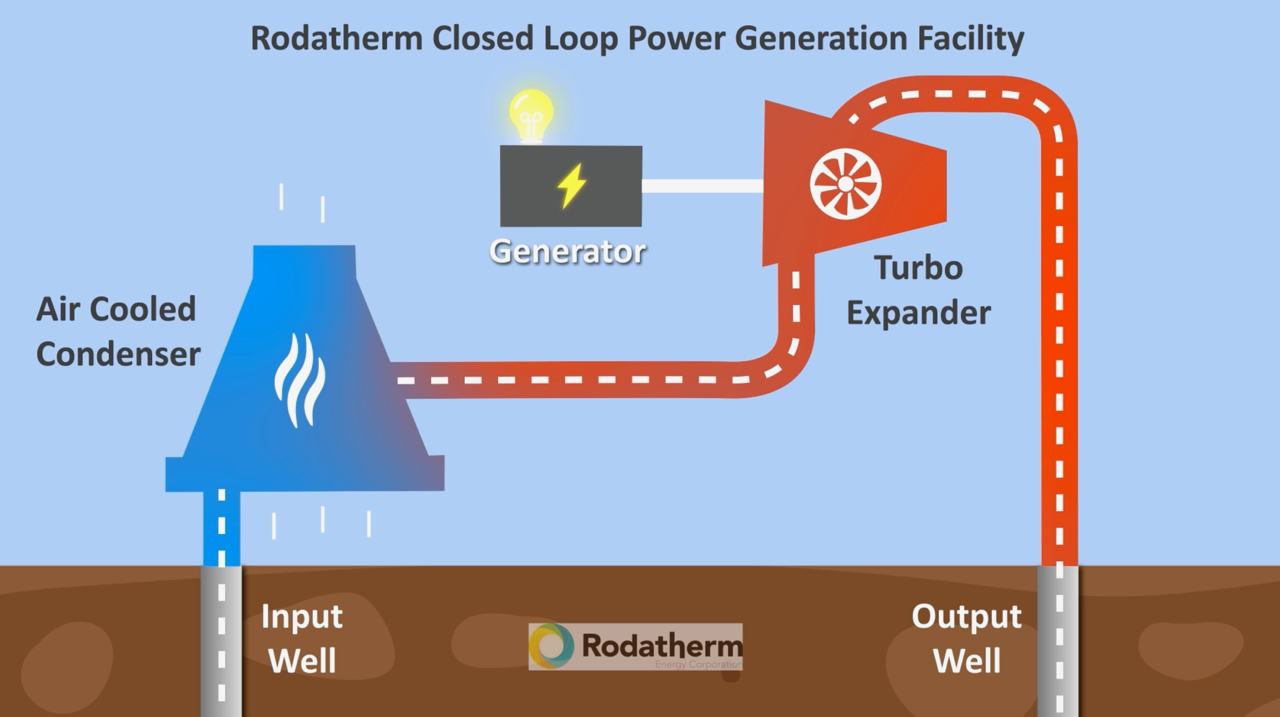
Congratulations to Beaver County! Rodatherm Energy Corporation has announced plans to expand its operations in Beaver County, Utah — creating 10 new jobs, generating 100 megawatts of electricity, and investing $40 million in Utah over the coming years. Rodatherm is a geothermal energy company that combines horizontal drilling with heat pump technology to deliver low-cost, water-free electricity.
“Beaver County is excited about the progress Rodatherm has made over the last 18 months and their recent announcement,” said the Beaver County Commission. “We are particularly supportive of their closed-loop technology, as we remain conscious of our limited water availability. Additionally, we welcome the potential for ten new full-time jobs. This investment will allow ten families to join our rural community, supporting our local economy and schools. We look forward to the future as Rodatherm advances and completes this geothermal project.”
Utah Associated Municipal Power Systems (UAMPS), its member communities, and the Southern Utah Economic Alliance were instrumental in welcoming Rodatherm and supporting the company’s decision to locate and grow in Utah, positioning it as a future power producer for the state. Rodatherm’s expansion is partially located in Millard County, where some taxes will be paid. Millard County’s collaboration and permitting made this initial expansion possible.
“Rodatherm Energy embodies the innovative and collaborative approach that defines Utah’s energy economy,” said Ryan Starks, executive director of EDCUtah. “Their company culture reflects Utah’s ethos of working and building together, and everywhere they engage, they bring value to the community with openness and curiosity. We are proud to have Rodatherm on its way to generating low-impact, high-value electricity and making a positive impact across Utah.”
Rodatherm is set to begin drilling its first project on January 18 near Milford in Beaver County, which is projected to generate over 100 megawatts of electricity. Rodatherm is actively engaged in additional developments across the state and is confident in its ability to scale and expand a successful model. Recently, Rodatherm was highlighted in Utah Business after raising $38 million in funding—the largest-ever Series A raise for a geothermal startup.
“Rodatherm is developing secure, water-free geothermal power in Utah,” said Curtis Cook, president of Rodatherm Energy Corporation. “Its advanced heat recovery technology makes clean energy efficient, scalable and cost-competitive. We are excited to build resilient power generation for Utah.”
Jared Stewart, senior business development manager, led Project Rod for EDCUtah.
_____
EDCUtah Investors: If you were involved with this project and would like to have your organization mentioned, please email connect@edcutah.org and we’ll update this article.
For additional information or to schedule an interview, please contact us.
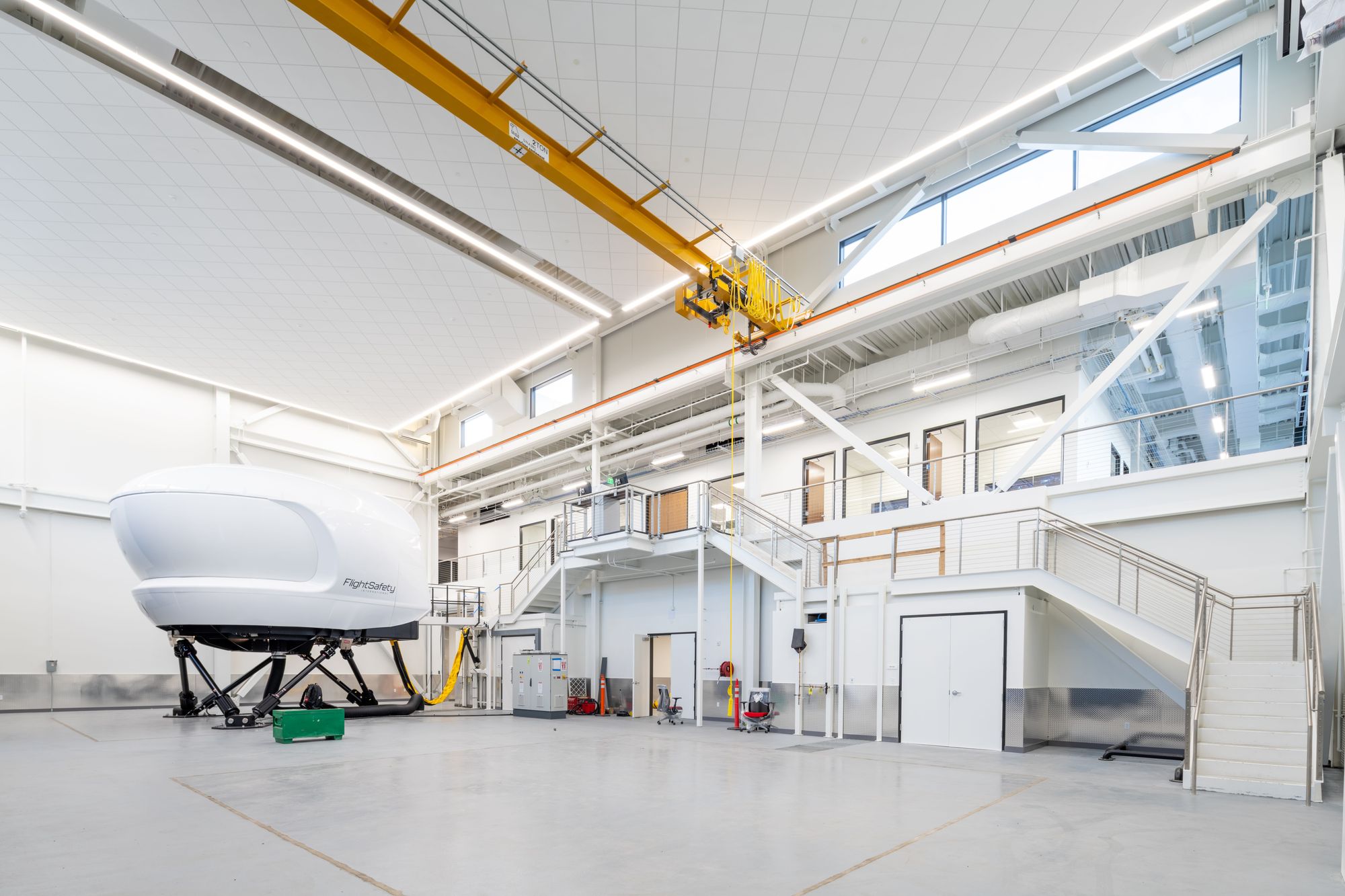
Delta Air Lines has operated in Utah since 1986, when it acquired Western Airlines. Growing its Salt Lake City schedule from 115 daily flights to 255 today, Delta’s investment in Utah has had a profound impact on our state’s business climate. We caught up with Brie Davis, regional sales manager of Delta Air Lines global sales, to learn how Delta supports Utah’s business community and infrastructure.
Primarily, it’s our network out of Salt Lake International Airport. Salt Lake City is a critical Delta hub and a strategic location for us. Delta’s four core hubs are Atlanta, Minneapolis, Detroit, and then Salt Lake City. We have 255 peak day flights to 96 destinations across the globe out of Salt Lake, and that includes Amsterdam, London, Paris, and now Incheon and Lima.
Also, this investment reflects Delta’s commitment to quality training and quality of life for our pilots. Our training center, now a year old, makes training for pilots more accessible, especially for those based in the western hubs, including Seattle and Los Angeles. Prior to this, they had to go from the West Coast all the way to Atlanta to train. Now they don’t go have to go as far.
Utah’s pro-business climate and robust infrastructure also offer a natural fit for Delta’s long-term growth strategy. Delta sees Salt Lake City, not just as it is today, but as a means for growth in the future. So, how we plan is very forward-thinking, and we do that in partnership locally.
Delta works closely with state and city leaders to advance infrastructure projects, like the Concourse A expansion at Salt Lake City International Airport; our new pilot training facility, which we just discussed; and Delta’s future 48,000 square-foot cargo facility. Delta’s planned cargo facility represents an $18 million investment and strengthens Utah’s role in global trade while supporting local businesses with faster, more efficient shipping.
Our partnerships extend to education and workforce development organizations, creating aviation career pathways for Utah residents. This includes our partnerships with Utah State University, Salt Lake Community College, Junior Achievement of Utah, and more.
Delta is Salt Lake City’s largest global premium carrier, operating more flights than any of the other airlines combined. We provide Utah businesses with global connectivity, enabling access to markets in Europe, Asia, Latin America, and beyond.
Investments in world-class facilities—like the Delta Sky Club on Concourse B, which is the second-largest in the entire Sky Club network, and our expanded Concourse A—enhance the travel and trade experience for Utah’s business community.
In addition, we provide an expanded suite of benefits for corporate travelers and corporate travel buyers.
One notable program is our SkyMiles for Business program. This is a free-to-join program that helps companies enhance their corporate travel savings. It allows the company to earn SkyMiles in addition to the traveler, so it’s a double-dipping, no-cost program. Companies of any size can take advantage of this program.
Utah combines a highly skilled workforce with a collaborative, business-friendly environment. Its strategic location as a crossroads of the western U.S. makes Utah ideal for aviation and infrastructure investment. And strong public-private partnerships foster innovation and long-term economic resilience.
From a workforce training perspective, we opened the state-of-the-art pilot training facility in Salt Lake, reinforcing our commitment to Utah.
The facility supports long-term operational growth and creates high-quality jobs for this area. The 50,000-square-foot pilot training center hosts over 1,000 training events monthly. It includes four simulator bays, classrooms and emergency training spaces, and room for future expansion. It’s designed with sustainability in mind, and this facility complements our existing flight attendant training center in Salt Lake City.
Delta also partners with local organizations, including Junior Achievement of Utah and the YMCA of Northern Utah to enhance education, sustainability, and workforce development. This includes STEM-related programs and volunteer initiatives.
We’ve learned is that it’s extremely important to align expansion with local strengths and strategic geography. It’s important to build strong private-public partnerships to ensure shared benefits, and to invest in people and infrastructure. Growth is sustainable when employees and communities thrive together.
_____
“Building Together”highlights examples of the impact of your investment and EDCUtah’s work in communities across the state.
For additional information or to schedule an interview, please contact us.
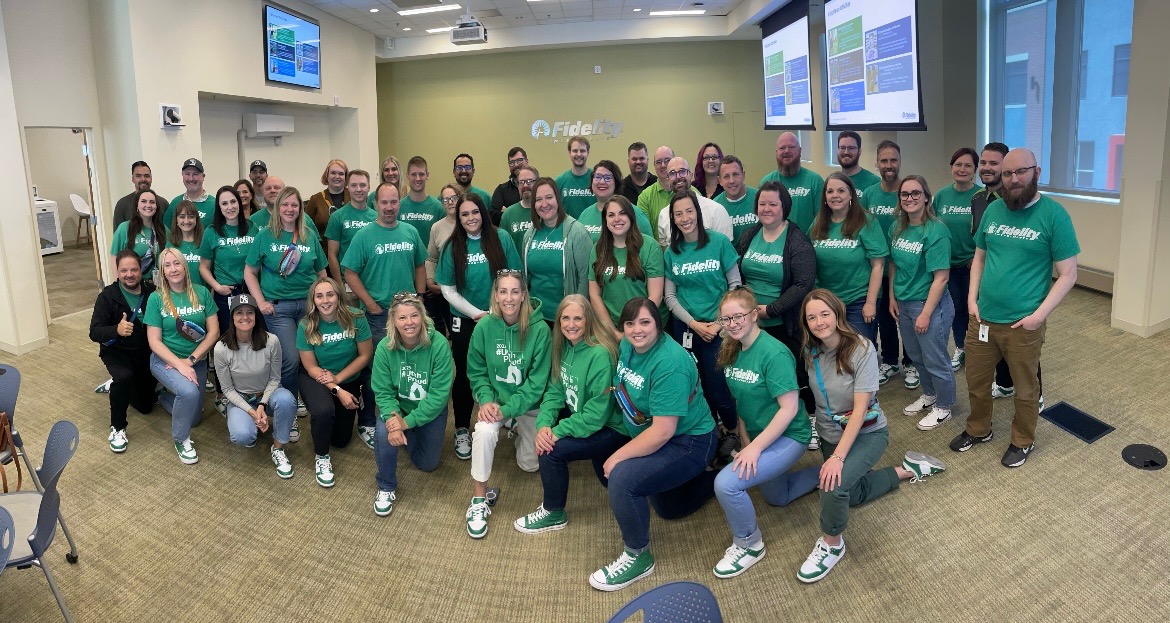
Fidelity Investments first established its presence in Utah in 1986, when it began operations with 100 brokerage associates. Fidelity’s regional presence has grown significantly since then, with the company now employing more than 3,400 associates across major business units such as brokerage, wealth, enterprise technology, and workplace investing. Fidelity is the largest private employer in downtown Salt Lake City and also has two investor centers in Salt Lake City and Orem. And, in November 2025, the company expanded its Invest in My Education initiative to Utah.
We spoke with Alex Janak, director of government relations and public affairs at Fidelity Investments, about Fidelity’s commitment to community engagement, education, and financial literacy programs.
I am originally from Idaho but moved to Salt Lake City over 20 years ago to attend the University of Utah for my undergraduate and graduate degrees. I began my career at the Utah Educational Savings Plan as a research analyst and then a financial analyst. I then spent nearly 10 years working for the Utah Legislature at the Office of Legislative Research and General Counsel, where I managed a team of policy analysts specializing in topics spanning transportation, taxation, public and higher education, public sector retirement and more. I had the opportunity to work on some really interesting projects, including the state’s efforts to host the 2034 Winter Olympic and Paralympic Games, collaborating with both the bid committee and then the organizing committee. I also worked on creating the public-private coordination for the Capital City Revitalization Zone project to revitalize the Delta Center, convention center, and surrounding area.
After more than a dozen years in the public sector, I wanted the opportunity to approach similar work from a new perspective. I joined Fidelity in August 2025 as director of government relations and public affairs. In this role, I represent Fidelity in several external facets, including through our community relations and philanthropic efforts; state and local legislative work; and building our relationships with local chambers of commerce and across the state’s business community.
While I have only been here a few short months, I have been blown away by the amount of goodwill at Fidelity and its emphasis on good corporate citizenship. I am looking forward to supporting and extending this work in partnership with my internal partners at Fidelity and external collaborators across Utah.
To extend our longstanding support of financial education and empowerment to the next generation, we launched Invest in My Education(ME)SM in 2023 to enrich the lives of under-resourced students and help them achieve better post-secondary outcomes, increased graduation rates, greater financial literacy, and access to stronger professional networks. Through its Fidelity Scholars Program, Invest in My Education combines student scholarships with comprehensive ongoing support, including college success coaches, mental health and wellness resources, Fidelity mentors, financial education, and career readiness resources and support. This fall, we expanded the program to Utah students, who can apply for our next application cycle now through January 29, 2026.
Unlike many other grant programs, Invest in My Education focuses on the “mighty middle” student – that is, students with GPAs of 2.5-3.59. Of our current student participants, 63% are the first in their families to attend college and 94% report the program is increasing or maintaining their motivation to earn a degree. By combining higher education accessibility and affordability with wraparound support, Invest in My Education is helping empower students to achieve greater economic mobility and pursue pathways to generational wealth, which can in turn can support better long-term outcomes for students and their communities.
Beyond student support, the initiative will also bring its Ecosystem-Building Grants and Completion Grants to Utah. Ecosystem-Building Grants improve pathways for thousands of under-resourced students, and Retention and Completion Grants help local higher education institutions keep at-risk students in school.
Increasing interest in and access to higher education to grow the regional workforce is one of Utah’s top priorities. A 2024 study commissioned by the Utah System of Higher Education found Utah employers crave increased communication skills and work ethic among recent graduates, deeper technical skills, stronger industry collaboration, and expanded work-based learning opportunities.
The state has taken steps to overhaul its higher education system, with greater emphasis on “career-ready” fields and enabling reinvestment in new programs and offerings, but financial barriers still hold too many people back from their dreams of attending college and completing their degrees. Invest in My Education and the Fidelity Scholars Program help bridge that gap, providing not only financial support but also mentorship and career development to help bolster students’ futures and, in turn, support industries and economies. The initiative is a great example of how K-12 education, higher education, nonprofit community partners, and the private sector can work together to ensure more students have the resources they need to succeed.
>> Read: Fidelity Chooses to Invest in Salt Lake City
Since our founding, Fidelity’s goal has been to strengthen the financial well-being of our customers. Our community relations work supports this mission by collaborating with organizations that address a broad spectrum of community needs, investing in under-resourced individuals and families, and harnessing our associates’ broad talents to help drive change.
We value deep, long-term relationships with nonprofit organizations across Utah. Utah is the top-ranked U.S. state for financial literacy education, which we proudly support through our work with Junior Achievement and the Utah Council for Economic Education. Our associates visit classrooms to reinforce curriculum and help students build essential money management skills; we host Family Savings Events that create welcoming spaces for parents and students to discuss budgeting and savings strategies together; and our work with Junior Achievement includes job shadowing experiences for high school students and participation in JA Finance Park. These programs empower students to understand how decisions today impact tomorrow, equipping them to navigate an increasingly complex economic environment with confidence.
We have also been an important partner of the Utah Food Bank for more than 30 years, conducting food and fund drives that have provided the equivalent of over 30 million meals to Utahns facing hunger and volunteering thousands of hours at the Utah Food Bank’s warehouse. In 2025, our Utah associates donated 1,412,840 meals – enough to feed 323 families of four for a year. Separately, we’ve also sponsored a school through the Mobile School Pantry program for a decade.
We also work with organizations like the Boys & Girls Clubs and the Salt Lake Education Foundation to provide meaningful support for youth and their families. We invest in academic success by supporting after-school tutoring and homework help programs and, beyond academics, we host events that bring families together, creating a welcoming space where they can enjoy activities and build connections with our Fidelity associates.
I am thrilled to be part of the Fidelity team and look forward to working more closely with our regional partners in this role. Please do not hesitate to reach me directly at alex.janak@fmr.com.
_____
“Building Together” highlights examples of the impact of your investment and EDCUtah’s work in communities across the state.
For additional information or to schedule an interview, please contact us.
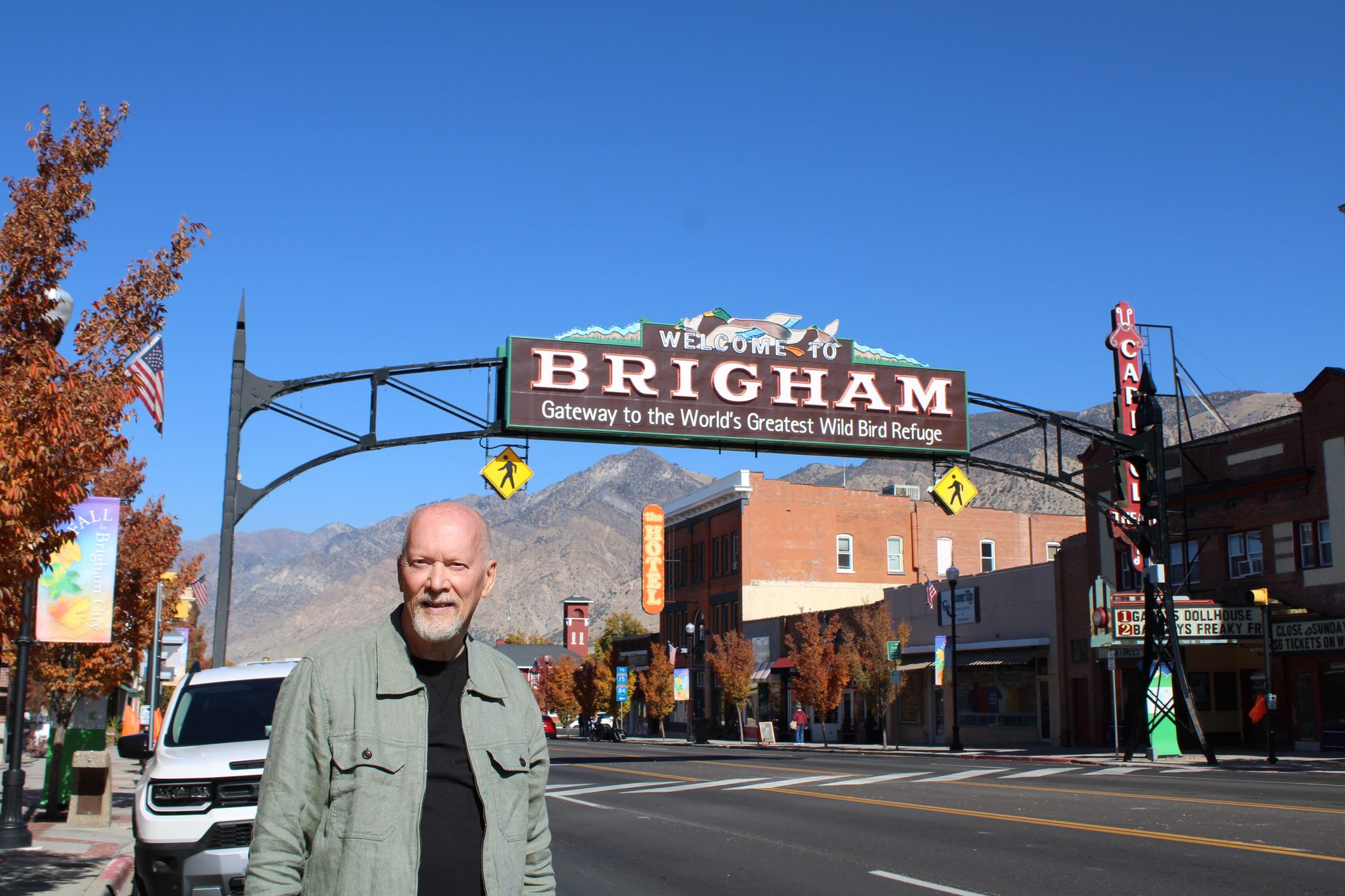
Brigham City Economic Development Director Paul Larsen has worn many hats during his nearly three decades of service — planner, problem-solver, and community builder. This year, he received EDCUtah’s Public Sector Leadership in Economic Development Award honoring his long-time efforts in Box Elder County. As he prepares to retire at year’s end, Larsen shares lessons from a career dedicated to helping his community thrive.
I’ve always approached the job as someone who lives here. It’s important to experience the consequences of your decisions. My first bit of advice is to live in the community you serve.
Second, see every project through residents’ eyes. Development always has impacts, and your responsibility is to minimize those where you can. If you can defend your work to the average resident, you’ll sleep well at night.
When I came here nearly 30 years ago, I didn’t know much about Brigham City. Growing up in Montpelier, Idaho, my only connection was driving over for peaches and pears during harvest season. My mother canned fruit. We would drive over here every year during harvest time, fill the car with peaches and pears, and drive home. Then she would spend two weeks bottling fruit.
Before my job interview, I arrived early and was struck by how much I liked the place — the Main Street, the parks, the mountains. It felt like home. Over the years, I’ve learned its history and what makes it special – from the co-op, the Academy building, and the bird refuge to the Fruitway, Spiral Jetty and Golden Spike National Historic Park. That deep appreciation helps me understand what matters to residents.
Have a broad background. My career has spanned natural resources, planning, land use, and economic development, and that mix has been invaluable. You don’t need to know everything, but you should know who to call when you don’t.
Get involved with EDCUtah, the Utah Alliance for Economic Development, and professional groups like the Urban Land Institute or American Planning Association or Main Street America. Keep learning.
Also, recognize that everything a city does contributes to economic development — from public safety and utilities to libraries and parks. Our city budget is about $100 million, and I like to say that’s our economic development budget. Because quality services make businesses want to be here.
Economic development is full of highs and lows. Recently, we worked for over a year on a food manufacturing project only to have it fall through. The reasons were out of the control of either the company or Brigham City, and it happened quickly. We went from having a press release, to suddenly…they’re not coming.
My advice is to focus on what you can control. Do your best on your end and accept that sometimes external factors will change the outcome.
On the bright side, persistence often pays off. Niagara Bottling is a great example — their first site fell through, but we worked with them to find a better option on Forest Street, and they’ve grown steadily since.
Nucor is another success story. They’re now on their third expansion here, but our first interaction almost went off the rails. During a site visit in 2005, after heavy rains, one of their reps called me from a flooded property asking, “What are you trying to sell me? I’m standing in 18 inches of water!” Fortunately, we worked through it, and the company has become a fantastic partner. The lesson: be flexible, understand company needs, and play to your community’s strengths.
In economic development, sometimes you just think to yourself, “I want this project so badly.” And you’re tempted to sugarcoat things. But in reality, you need to tell companies the hard truths. If a company needs more water or new power infrastructure, be upfront about costs and timelines.
Good projects appreciate transparency. It’s not their first rodeo, either. They know that development requires investment. When you’re honest, you can work together to solve challenges.
Main Street is the heart of the community, you know? A healthy downtown reflects a healthy city. I once read about a CEO who visited a town with boarded-up storefronts and decided not to locate there. The reverse is also true.
When we were working with Procter & Gamble on its Box Elder County site, their visiting team loved eating at the Idle Isle Café on Main Street. It was a beloved café with hometown cooking. They’d step outside after lunch, look around, and say how great our downtown looked. That impression mattered.
Although Idle Isle has since closed, downtown Brigham City looks better than ever thanks to grant funding and revitalization efforts combined with the hard work of merchants and business owners. You can’t replicate that atmosphere in new developments. It shows pride, and that resonates with both residents and prospective businesses.
I couldn’t have done my job without EDCUtah. When I was talking about my career path, EDCUtah was critical in bringing me along and helping me understand economic development.
Their business development team worked with us on major projects like Procter & Gamble, Niagara, and Nucor. Their research team provides the kind of demographic and market data a city our size could never compile alone.
And the events…the quarterly breakfasts, the opportunity to network and meet people. That’s just priceless. I tell people that of all our memberships, EDCUtah is the last one I’d ever want to lose.
I grew up wanting to be an astronomer, until my first semester of physics and calculus convinced me otherwise. My other love was the outdoors, so I earned a degree in fisheries and wildlife at Utah State University. I planned to become a bear biologist, but the job market didn’t cooperate.
There were two openings on the Interagency Grizzly Study Team up in Yellowstone National Park, a five-year project. I was one of five finalists, but I didn’t get picked. If I’d have got that job, I’d be a bear biologist today. Professor Barry Gilbert suggested I look into landscape architecture. I really liked what I saw, so I went back and got my master’s degree. That degree landed me in West Valley City as a planner.
Six years later, I applied to be Brigham City’s city planner. The job description never mentioned economic development, but when I started, they said, “Oh, by the way, you’re also our Economic Development Director.” I had no idea what that meant, so I attended classes at the Economic Development Institute for three years, joined the Utah Alliance and EDCUtah, and leaned on great mentors like EDCUtah’s Alan Rindlisbacher (now retired).
Economic development is a deeply gratifying field. Seeing how your work improves people’s lives — through jobs, infrastructure, and community vitality — makes it all worthwhile.
_____
“Building Together” highlights examples of the collective impact of your investment and EDCUtah’s work in communities across the state.
For additional information or to schedule an interview, please contact us.