Building Together: Select Health’s Approach to Growth and Partnership

Select Health is a nonprofit health plan in Utah, Idaho, Nevada, and Colorado, with more than one million members across the United States. A long-time EDCUtah investor, Select Health offers commercial and government medical plans, as well as dental, wellness products, and pharmacy benefit management. Its integration with key clinical partners and hospital systems helps ensure high-quality healthcare at the lowest possible cost for members and the community.
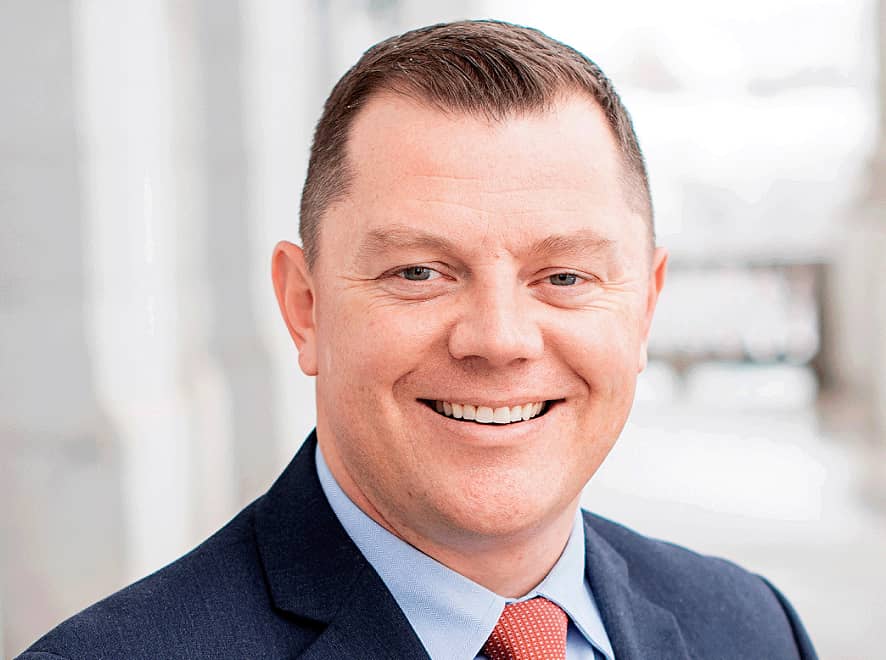
We caught up with Dan Richards, head of commercial sales, to learn more about the organization’s strategies and experiences in the Utah marketplace.
Utah offers a combination that’s hard to find: economic strength, talent availability, and an exceptional quality of life.
From a healthcare perspective, companies coming here can expect a strong, integrated health system with Intermountain Health and a partner in Select Health that understands employer needs. We focus on delivering value — not just coverage, but solutions that help control costs, improve employee health, and support long-term workforce sustainability.
For companies considering Utah, I’d say this: You’re not just choosing a location, you’re choosing a community and a set of partners. Companies can expect a healthcare partner invested not just in benefits administration, but in the long-term health and success of their people and the communities where they live and work.
Utah consistently stands out for its strong quality-of-life fundamentals: things like economic opportunity, access to the outdoors, education, and overall community well-being. What’s especially important to us is how health fits into that picture.
As part of a nonprofit, integrated health system with Intermountain Health, Select Health can take a long-term, community-focused approach to health. By aligning coverage with care delivery, we focus on prevention, access, and affordability — not just treating illness, but supporting healthier lives over time. That model helps individuals stay well, employers maintain a productive workforce, and communities remain strong.
We also pay close attention to rankings related to access to care, community health outcomes, and affordability, because they directly affect employers’ ability to attract and retain talent. From our perspective, Utah’s strength is how these factors come together to support both business success and quality of life.
Across our markets, including Utah, we work with hundreds of community partners and reach well over a million individuals each year through outreach and engagement efforts. Our goal is simple: help people live the healthiest lives possible, and in doing so, contribute to the overall vitality and livability that Utah is known for. That’s why we invest in addressing broader social factors like transportation, food security, and community support systems.
The Utah market is foundational for Select Health. It’s where our roots are, and it continues to be one of the most dynamic and attractive places to do business in the country. Being part of an integrated health system also allows us to collaborate closely across care and coverage, which supports both employers and the broader economy.
We see Utah as a growth market, but also as a partnership market. There’s a strong alignment here between employers, healthcare systems, and organizations like EDCUtah that are focused on long-term economic and community development.
For us, success in Utah isn’t just about market share—it’s about being deeply embedded in the ecosystem, supporting employers, and helping build a healthier workforce that can sustain the state’s continued growth.
Utah is home to our largest operational footprint. With nearly 2,000 employees who consider our Green Street Campus in Murray their home office, we have a significant employee base in the state. Our parent company, Intermountain Health, is also deeply rooted in Utah, with caregivers from Salt Lake to St. George.
Beyond physical presence, our teams are deeply engaged across the state, working with employers, providers, brokers, and community organizations to support business growth and population health.
Our investments in Utah span both healthcare delivery and broader community development. Because we’re part of a nonprofit health system, our investments are designed to stay local and support long-term community health. That includes technology and care management capabilities, prevention and mental well-being initiatives, and programs that help employers manage healthcare costs while supporting their employees’ health.
From a community perspective, we’ve significantly expanded our collaboration with local organizations focused on social determinants of health—things like housing stability, food access, and education. That work alone has reached over a million individuals through hundreds of touchpoints and partnerships.
We also invest in employer-facing capabilities, such as tools, programs, and services that help Utah companies manage healthcare costs while improving employee health outcomes.
And just as important, we continue to invest in our people and operations here, ensuring we have the infrastructure and talent in place to support the growing employer base in Utah.
Looking ahead, our focus is on expanding access, improving affordability, and strengthening employer partnerships.
That includes continued investment in digital tools, care navigation, and programs that support whole-person health—especially as employers look for more holistic solutions for their workforce. These advancements are designed to make healthcare easier to navigate and improve health outcomes.
We’re also continuing to deepen our work in the community—working with organizations that are addressing upstream factors that impact health, because we know that’s essential to long-term sustainability for both individuals and businesses.
EDCUtah is an important partner for us because they sit at the center of business attraction and expansion in the state.
Your work connecting businesses, policymakers, and community leaders complements our focus on creating environments where people and organizations can thrive. Collaboration like this strengthens Utah’s ability to attract employers while supporting sustainable growth.
As companies evaluate Utah, healthcare and health insurance are critical to that decision, both in terms of cost and the ability to attract and retain talent. Through our partnership, we’re able to help ensure those companies understand the strength of the healthcare ecosystem here and what Select Health can offer.
It’s really about alignment—we’re both working toward the same outcome: a strong, growing, and sustainable business environment in Utah.
_____
For more information, visit www.Select Health.org. “Building Together” highlights examples of the impact of your investment and EDCUtah’s work in communities across the state.
For additional information or to schedule an interview, please contact us.


400 jobs
$287 million capex
Project Lucy
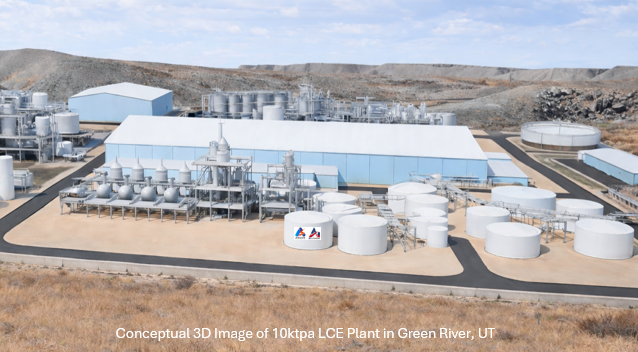
Congratulations to Garfield County and Iron County! Trigg Minerals, LLC (DBA American Tungsten and Antimony Ltd, or “ATAA”), a next-generation critical minerals company, has announced plans for new mining operations in Antimony Canyon, Garfield County, alongside a high-tech, clean refining facility planned in Iron County. The project marks a major milestone as Trigg Minerals moves to become the first U.S. producer and supplier of antimony, a critical mineral used in fire retardants, lead-based batteries, and ammunition. Trigg Minerals plans to add 400 new jobs and invest $287 million in Utah, supporting long-term economic growth across rural communities.
“This project represents a significant opportunity for Garfield County and rural Utah as a whole,” said Kaden Figgins, Garfield County director of planning & economic development. “The development of domestic antimony production in Antimony Canyon highlights the strategic importance of our region’s natural resources while creating meaningful economic opportunities for local residents. We appreciate ATAA’s commitment to investing in rural communities and advancing responsible resource development that supports long-term economic resilience, job creation, and national supply chain security.”
“This is a game-changer for our local economy and the future of our residents,” said David Johnson, economic development director of Cedar City and Iron County. “The arrival of Trigg Minerals represents a generational shift for our workforce that will provide hundreds of families with stable, high-paying jobs. We are grateful for this opportunity that ensures a more prosperous and resilient future for all of rural Utah.”
Trigg Minerals is advancing a vertically integrated critical minerals initiative in southern Utah, opening Antimony Canyon in Garfield County to new mining operations while developing a high-tech, clean refining facility in Iron County. This dual-site approach enables in-state extraction and processing, positioning ATAA to become the first domestic producer and supplier of antimony—a material essential to applications such as fire retardants, lead-based batteries, and ammunition.
“EDCUtah is honored to support ATAA as it addresses a critical gap in the U.S. domestic supply chain,” said Ryan Starks, executive director of EDCUtah. “Utah is uniquely positioned to play a meaningful role in the production of critical minerals, and ATAA is helping lead the responsible development of antimony resources. We commend ATAA’s efforts to create high-quality jobs in rural Utah and to advance materials refining through clean, resource-conscious practices.”
“This recognition from the State of Utah represents a major milestone for American Tungsten and Antimony and reinforces the strategic importance of establishing a secure, domestic supply chain for critical minerals in the United States,” said Andre Booyzen, CEO of American Tungsten & Antimony Ltd. “Our planned antimony tertiary refining facility and integrated mining and processing strategy are designed to support America’s growing demand for materials essential to defence, energy, and advanced manufacturing. We are proud to be investing in rural Utah, creating high-quality jobs, and contributing to the long-term economic strength of Iron and Garfield Counties and the wider region. This project reflects our commitment to responsible development, industrial innovation, and helping position the United States as a leader in critical minerals independence at a time when supply chain security has never been more important.”
The Utah Governor’s Office of Economic Opportunity (GOED) assisted the project by approving Trigg Minerals for a Rural Economic Development Tax Increment Financing (REDTIF) incentive.
“Trigg Minerals’ expansion into Garfield and Iron Counties is a monumental win for Utah that perfectly captures the essence of our strategic economic vision,” said Jefferson Moss, commissioner of GOED. “By establishing the nation’s first modern antimony tertiary refining facility right here in our state, we are doing more than just creating 400 jobs in a rural Utah community; we are securing Utah’s position as a critical hub in the global supply chain for defense, renewable energy, and technology. This project exemplifies our commitment to diversifying rural economies and ensuring that Utah leads the way in domestic mineral security and industrial innovation.”
This project was supported by key partners across the state, including the GOED, the Utah Inland Port Authority (UIPA), Iron County, the Southern Utah Economic Alliance (So.Utah), BZI, and ARCO Design/Build.
Jared Stewart of EDCUtah and Jen Wakeland of GOED supported Project Lucy for the State of Utah.
_____
EDCUtah Investors: If you were involved with this project and would like your organization mentioned, please email connect@edcutah.org and we’ll update this article.
For additional information or to schedule an interview, please contact us.

Ogden City is one of 15 Utah communities taking advantage of EDCUtah’s Community Match Grant program in 2024.
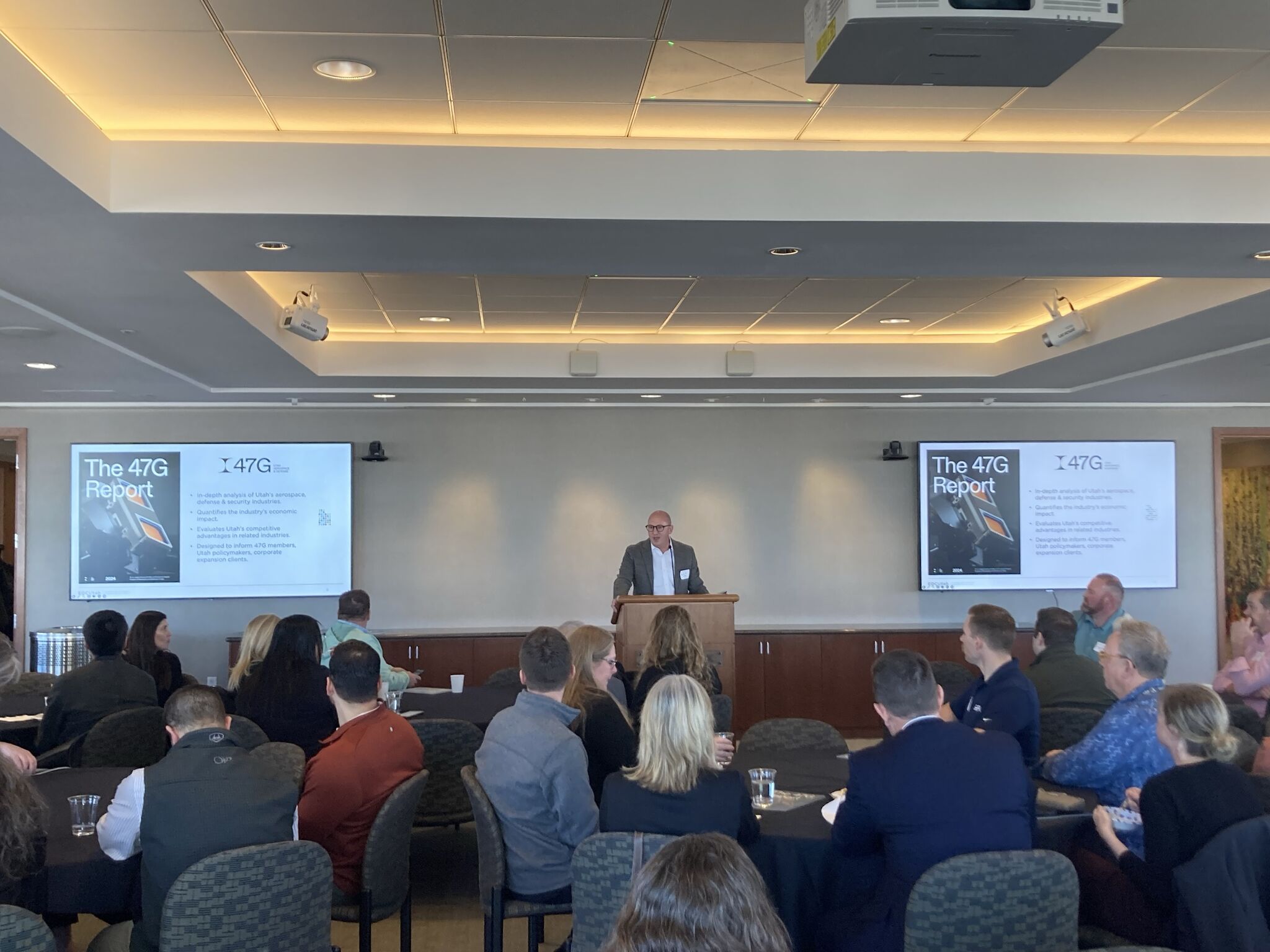
On May 13-18, 2024, Ogden City Business Development is hosting a week-long celebration of the aerospace & defense and advanced materials manufacturing industries. Acceler8 Wasatch Week was organized in partnership with Acceler8 Wasatch, 47G, Utah Advanced Materials Manufacturing Initiative, Weber State University, APEX Accelerator, Catalyst Accelerator Ogden, and Hill Air Force Base.
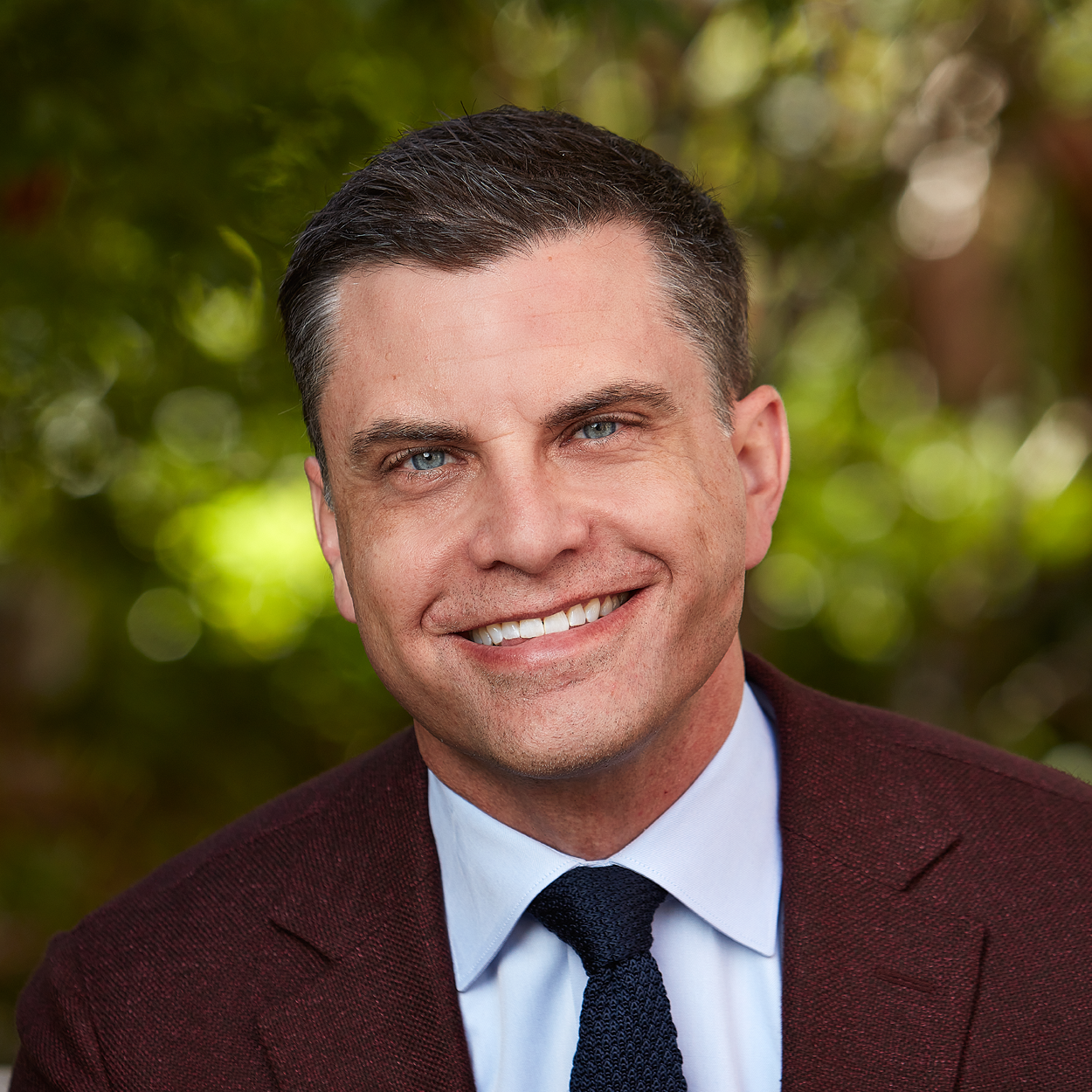
“Ogden is a community of makers – both of things and relationships that are crucial to the success of the aerospace and defense industry,” said Liesl Limburg, Ogden City business recruitment manager. “Ogden City boasts an environment that emboldens technology and innovation, supporting the current needs of industry while also looking ahead to the future.”
The goal of Acceler8 Wasatch Week is to inspire collaboration, innovation, and business growth to further the trajectory of Northern Utah’s growing role in national defense. Ogden City is using EDCUtah Community Match Grant funds to host one of the business networking opportunities available throughout the week.
EDCUtah Community Match Grants provide funding to cities and counties in support of specific economic development projects, professional development opportunities, and welcoming and belonging initiatives. Funding for the grant program comes from EDCUtah’s annual Golf for Grants fundraising tournament, which brings together EDCUtah investors for a day of networking on the links while supporting local communities.
Other 2024 EDCUtah match grant recipients include:
Application deadlines for the 2024-2025 fiscal year will be announced in the coming months. Community Match Grants are available exclusively to EDCUtah public sector investors. Explore the benefits of investing with EDCUtah.
_____
For additional information or to schedule an interview, please contact us.

For years, Utahns have received information from the news media and others regarding the water situation in Utah in terms of drought, limited supply, and the need to conserve water. Measurable progress has been made in water conservation, but incremental gains are no longer sufficient. The question facing Utah’s business and civic leaders is not whether conservation matters, but whether we are prepared to make the level of change required to sustain long-term economic and environmental resilience.
The current water situation is historic. This past winter was Utah’s warmest on record. It also brought the lowest peak snowpack on record, peaking three weeks earlier than normal. Utah’s largest reservoir, Lake Powell, is at its lowest level since initial filling in the early 1960s. In addition, the Great Salt Lake (GSL) continues to face decline driven by drought conditions that are further exacerbated by a trend of increasing temperatures.
To understand where meaningful change must occur, it’s critical to focus on how water is used. Statewide, approximately 60 percent of Utah’s municipal water is used outdoors. Most outdoor water is being applied to grass lawns. Unlike most indoor water use, which is treated and returned to the system, new research shows the 91 percent of outdoor water is depleted or fully consumed. Water depleted outdoors is lost through evaporation and plant uptake. That distinction is important because water that is depleted cannot be returned to the natural system to fill lakes and reservoirs or to benefit important ecosystems like the Great Salt Lake.
This is where the greatest opportunity lies. Reducing outdoor water consumption through efficient landscape design offers the most immediate and scalable way for individuals to conserve and reduce their water footprint. For businesses, developers, and communities, this is less about restrictions and more about aligning landscapes with Utah’s climate while maintaining functionality.
The opportunity is real and significant. A 2024 study showed that residential lawn watering alone depleted approximately 408,000 acre-feet of water in the GSL watershed in a single year, nearly three times the capacity of Deer Creek Reservoir. Cutting that depletion in half is an achievable goal, and the benefits that would accrue to Utahns in terms of water supply needs and GSL recovery would be tremendous.
Organizations like Utah Water Ways (UWW) are working to accelerate this transition. Through the Slow the Flow, Save H2O campaign, UWW is shifting the conversation from awareness to action, providing practical tools, incentives, and real-world examples to help homeowners, businesses, and municipalities make water-wise decisions easier to implement.
This year’s campaign is: “Water Runs Utah.” The purpose of this campaign is to remind Utahns of the importance of water in their daily lives and in maintaining a high quality of life. Water runs recreation, it runs food, it runs the economy, and it runs our future. But, what happens if water runs out? Even without drought conditions, parts of the state have water deficiencies. The GSL watershed and the Colorado River Basin are indicators of broader supply challenges that will shape business decisions and long term planning.
Tools are already in place. Incentive programs offset the cost of turf conversion and smart controllers. Planning tools like the Utah Plant Finder can help simplify water-wise design. Demonstration projects across the state show how landscapes “designed for Utah” can be implemented. The barrier is no longer information; it’s adoption at scale.
For Utah’s business community, water is not just a resource issue, it is a competitiveness issue. Proactive investment in water-efficient practices, whether in development standards, corporate campuses, or community partnership, will position organizations to mitigate risk, align with emerging policy, and contribute to a more resilient statewide economy.
_____
Bart Forsyth is a policy advisor for Utah Water Ways. To learn more about these programs and initiatives, visit slowtheflow.org or email info@utahwaterways.org.
For additional information or to schedule an interview, please contact us.

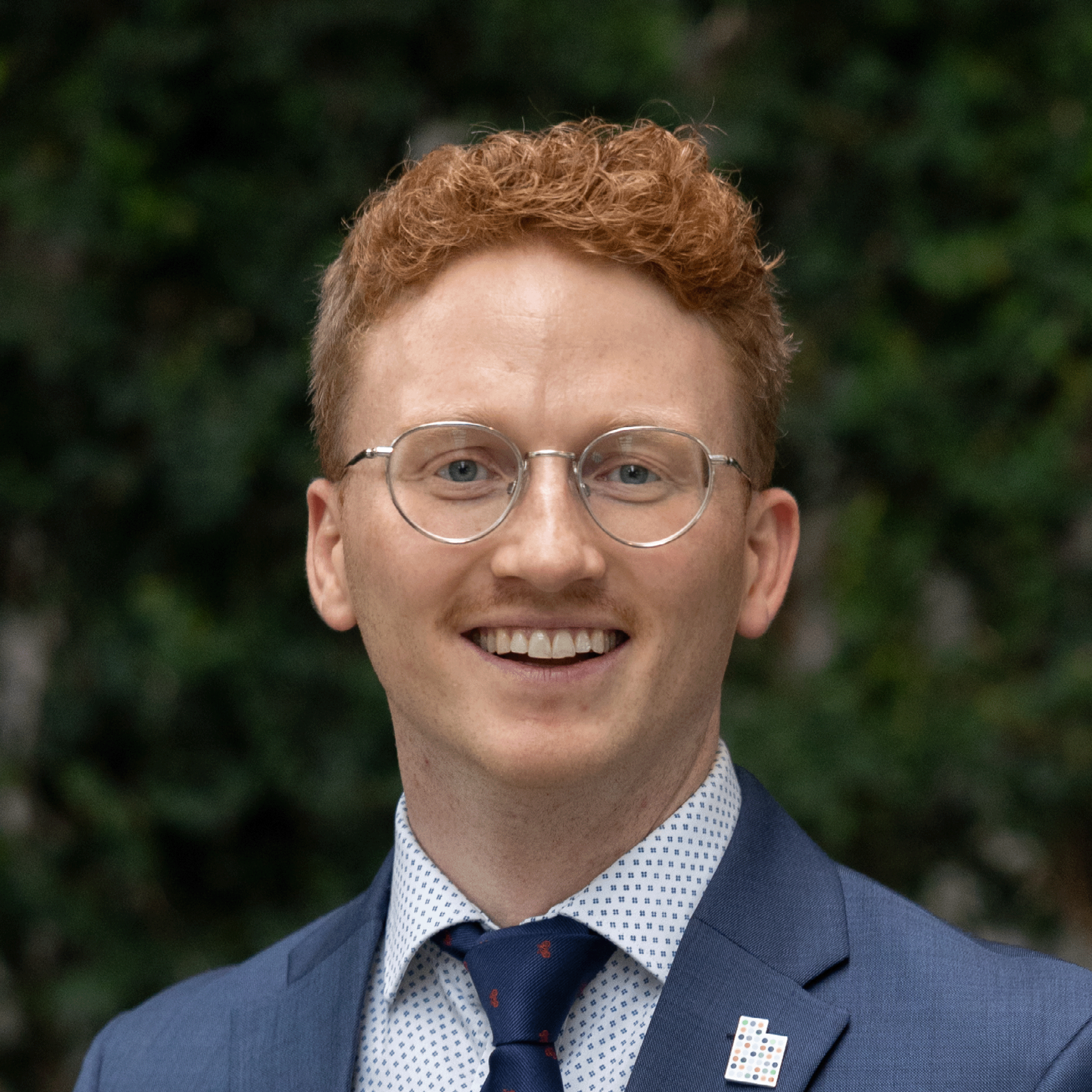
EDCUtah’s Jared Stewart attended the 2026 Site Selectors Guild Spring Conference in March – along with representatives from BZI, Eagle Mountain, the Utah Governor’s Office of Economic Development, the Utah Inland Port Authority, and the Northern Utah Economic Alliance. They met with several consultants and took copious notes, and we’ve culled the most interesting insights for you here.
Expected challenges in the next five years include (in order of most concerning to least concerning):
Projects have slowed down and become more complex. They require more due diligence. Some site selectors feel that in the short term, fewer shovels will go into the ground this year. They are pessimistic in the one-year timeframe, but optimistic in the five-year timeframe.
The conference included sessions on several pressing economic trends. For example, extreme weather and the increasing stress on electrical grids are leading to a major energy crisis.
Debt held by companies and by the government may pose real challenges for further lending and corporate expansion. In other words, refinancing will be more expensive and could dampen project activity.
Trade wars have benefits and downsides. Foreign direct investment will grow, we will trade, and things will improve.
AI may promote a productivity boost through factory automation and other areas, but on the other side, AI may devalue education and cause mass youth unemployment and white-collar job loss. Many site selectors emphasized the importance of exposing the next generation to blue-collar career pathways.
When it comes to the life science sector, site selectors emphasized that economic developers should build a deeper understanding of specific market strengths. Utah has a strong life science sector, but pitching that strength is not enough. Marketing to life science companies requires specialized and informed messaging by sub-sector (e.g. medical devices, drug discovery, gene therapy, and so on).
For example, the pharmaceutical sub-sector has a different product life cycle than biotech companies. Medical device and diagnostics sub-sectors follow yet other cycles.
The discussions also highlighted some market and demographic shifts:
Lastly, companies are evaluating communities on multiple factors, not just incentives. Companies are analyzing the local tax structure, utilities, and overall community fit. “Sustainable operations matter more than incentives. Incentives go away eventually,” said one consultant.
U.S. Department of Defense spending is driving demand for relocation projects. Companies are focused on artificial intelligence (AI) and modernizing manufacturing. The markets for drones and satellites are also attracting investment.
Key site selection criteria for these projects include utility reliability, certified talent, logistics, zoning and permitting for heavy manufacturing, and highway, rail, and air cargo routes.
A&D companies are seeking supply chain diversification, particularly in rare earths. China is dominant in that segment, and Mexico is showing some growth despite mining technology constraints. EDCUtah has seen growth in mining and mineral projects, with five new projects in the last year.
When asked to cite regional best practices in A&D, the site selector panelists called out, in general, the states that promote advanced training programs and workforce development. The Space Beach Initiative in Long Beach, California features strong labor concentrations and takes advantage of the Port of Long Beach’s proximity. Closer to home, the area around Hill Air Force Base and Salt Lake City were brought up twice in the panel discussion as places that are “doing it right” and “have created a successful ecosystem.”
A few factors can help improve your community’s odds of closing a deal. The first is utility rate negotiation. Can the utility adjust the rate to help get projects across the line?
Another is building strong local relationships with key employers ahead of time, to provide the best choices for data and interviews. It’s helpful to know both the top employers and the employers that are struggling – and understand the reasons behind their successes and struggles.
On a related front, it’s important to represent public policy accurately. Sync up with local leaders ahead of time and know your community’s talking points.
Don’t break confidentiality and NDAs. This is a serious point with consultants and with companies. And if you are clever enough to track private jets that land nearby, and have identified the company by doing so, don’t be cute and disclose that to anyone. It can chill the deal.
“Time kills all deals” was a key message from another consultant. Timeline changes and delays on your end bring significant project risk. On the flip side, sometimes company priorities and goals change, and that too can lead to a deal flatlining.
Lastly, remember: site selectors are on the same side as the communities. They want a deal done, too.
_____
For additional information or to schedule an interview, please contact us.
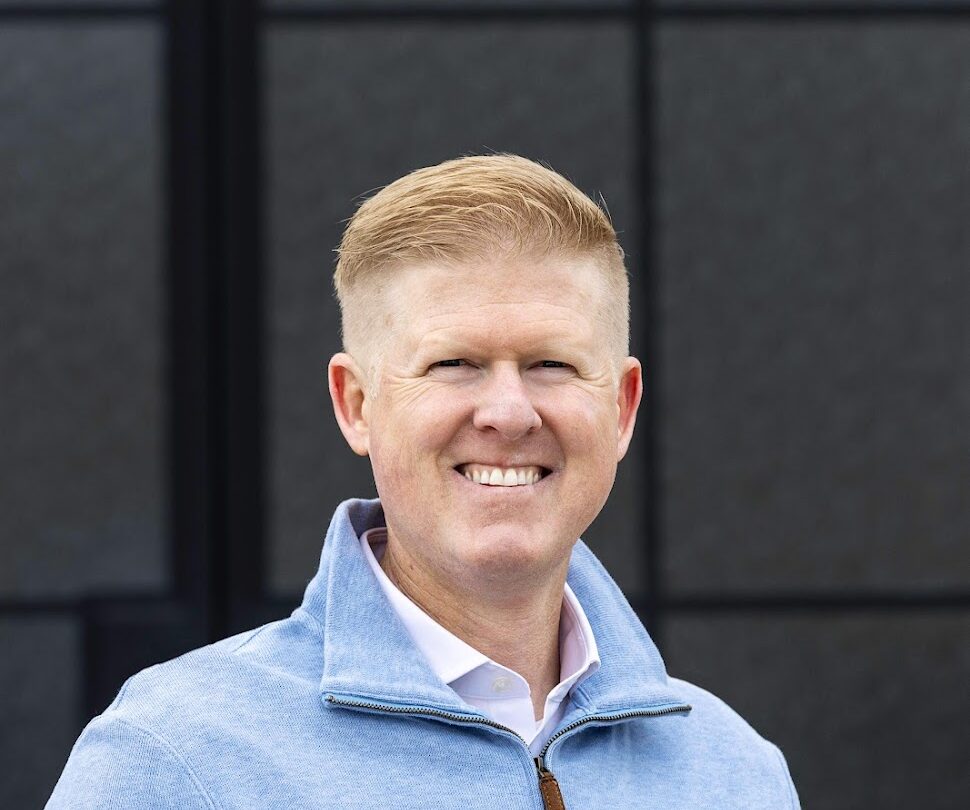
The Economic Development Corporation of Utah (EDCUtah) announced the appointment of Jon Hawkins as a strategic advisor, effective May 1, 2026. In this role, Jon will help support community development, advise cities on Olympic readiness initiatives, and foster economic development opportunities throughout Utah.
“We are thrilled to welcome Jon to the EDCUtah family,” said Ryan Starks, executive director of EDCUtah. “His leadership in the community, coupled with his strong business acumen, makes him a natural fit to support EDCUtah’s mission of creating a prosperous and resilient economy.”
Jon’s experience in Olympic readiness includes consulting, governance, and advocacy. He serves on the boards of the Utah Sports Commission, the Olympic Legacy Foundation, and the USA Climbing Foundation, and he also chairs the legislative Olympic Coordinating Committee. In each of these roles, Hawkins has helped shape projects, policy, and conversations around major events, stakeholder priorities, and the broader impact of sport.
“I’m honored to join EDCUtah as a strategic advisor for Olympic readiness,” said Hawkins. “Utah has an extraordinary opportunity to build on its legacy in sport and global engagement, and I look forward to leveraging my experience to help advance Utah’s vision, strengthen partnerships, support strategic growth, and shape what comes next.”
_____
For additional information or to schedule an interview, please contact us.

500 jobs
200,000 sq. ft.
$28 million capex
Project Raider
Congratulations to West Valley City! Karman Space & Defense, a leading manufacturer of energetic components, structures, and integrated systems, has announced plans to invest $28 million in a new advanced manufacturing facility in West Valley City. The project is expected to create 500 new jobs over the next 20 years, supporting long-term economic growth and strengthening Utah’s advanced aerospace and defense manufacturing ecosystem.
“We are excited to have Karman Space & Defense bring their groundbreaking technology to West Valley City,” said Karen Lang, mayor of West Valley City. “Companies continue to come to West Valley City because of our strong business community and our easy access location along the Wasatch Front. Karman will add to the growing list of integral West Valley City companies in the Aerospace and Defense sector. We appreciate this investment in our city by Karman Space & Defense and how it will strengthen our local economy and create new job opportunities for our residents.”
“EDCUtah is proud to support companies that strengthen Utah’s aerospace and defense ecosystem,” said Ryan Starks, executive director of EDCUtah. “Karman’s systems play an important role in a wide range of space and defense applications, and their presence reinforces the strength of this industry in our state. Many of Karman’s suppliers and customers are already located in the Salt Lake area, and this expansion will further connect and bolster our regional ecosystem. We commend the continued growth of Utah’s aerospace and defense sector and the strong collaboration that makes it possible.”
Karman Space and Defense specializes in providing critical, next-generation systems for the space and defense industries, with a focus on propulsion, payload protection, and hydro/aerodynamic interstage systems. This economic incentive makes Utah a preferred location for the Company’s UAS launcher and nozzle production operation as the company scales its capacity.
“We are expanding our presence in Utah to increase production for key programs that protect the U.S. and its allies,” said Jonathan Beaudoin, chief operating officer of Karman Space & Defense. “Our new manufacturing hub in the Salt Lake area will place us closer to customers, provide access to a skilled talent pool, and position us for continued growth. We are grateful for the support we have received from Governor Cox, GOEO, EDCUtah, and Mayor Lang as our presence in Utah grows.”
The Utah Governor’s Office of Economic Opportunity (GOEO) assisted the project by approving Karman Aerospace & Defense for Economic Development Tax Increment Financing (EDTIF).
“Strategic incentives like these give Utah an advantage in attracting high-impact projects that establish essential infrastructure and advanced manufacturing in our state,” said Jefferson Moss, executive director of GOEO. “By supporting long-term investments in sectors like aerospace and defense, we cultivate a resilient economy that offers high-paying job opportunities in fields that are well-positioned for the future.”
This project was supported through close collaboration with key economic development partners across Utah. Special thanks to 47G, GOEO, and West Valley City for their engagement and support throughout the expansion process, including coordination related to potential EDTIF consideration and site location efforts.
Spencer Layton, business development manager, led Project Raider for EDCUtah.
_____
EDCUtah Investors: If you were involved with this project and would like to have your organization mentioned, please email connect@edcutah.org and we’ll update this article.
For additional information or to schedule an interview, please contact us.
106 jobs
$17 billion capex
Project Flute
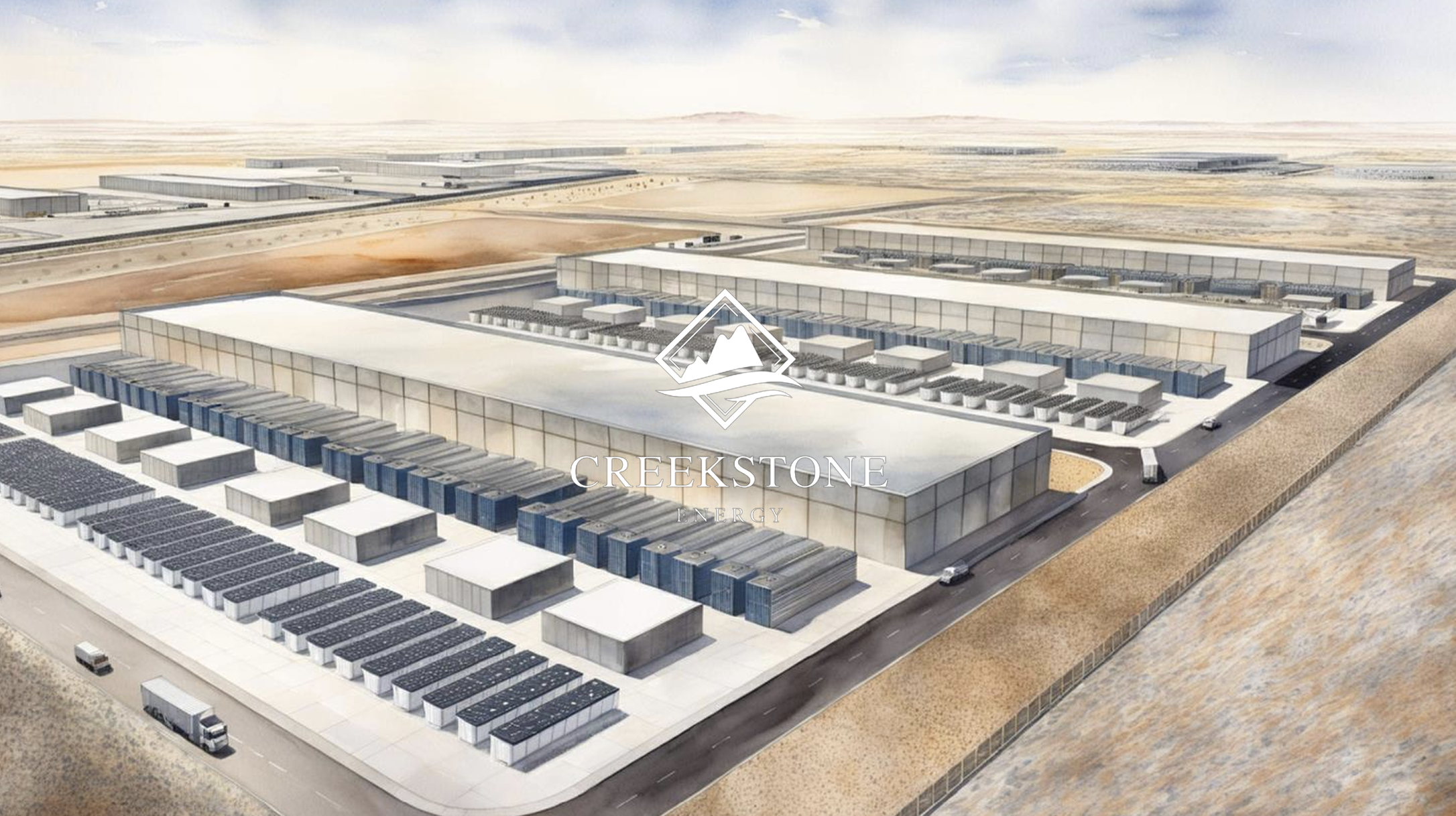
Congratulations to Millard County! Creekstone Energy, a large-scale, next-generation power and AI data center company, has announced plans to develop a major campus in Millard County focused on energy generation and data center facilities. Creekstone Energy plans to add 106 new, high-paying jobs and invest $17 billion in Utah over the next 20 years, supporting new opportunities and continued economic growth in the region.
“This project represents a defining moment for Millard County,” said Trevor Johnson, Millard County commissioner. “Our community has deep roots in agriculture and a long tradition of hard work, stewardship, and self-reliance, and this investment builds on that foundation while expanding our increasingly diverse economy. Millard County is excited to have the Creekstone Gigasite in our county and look forward to embracing new opportunities with quality jobs, strengthening local infrastructure, and ensuring long-term prosperity for the families and industries that call Millard County home.”
The “Creekstone Gigasite” project, which began construction late last year in Millard County, will be a large-scale, next-generation power and AI data center. Located near Delta, Utah, this campus will feature an integrated on-site natural gas power generation system, utility-scale solar energy, and purpose-built data processing facilities, all situated on a single contiguous site that operates independently of the constrained utility grid. This “behind-the-meter” design serves as the foundation for what the company aims to establish as the world’s largest AI-optimized data center, with a capacity of 10 gigawatts.
“EDCUtah is proud to support companies that are bringing new value and long-term opportunity to rural communities,” said Ryan Starks, executive director of EDCUtah. “Creekstone Energy is part of a generational buildout of critical infrastructure, and they are doing so with a forward-thinking approach, including no evaporative water use for cooling. Their plan includes a diverse, resilient mix of power generation that aligns well with Utah’s ‘all of the above’ energy strategy. We anticipate Creekstone will be a strong partner in supporting local economic growth and creating opportunity for many years to come.”
“Delta and Millard County have long been central to Utah’s energy economy, and that history is a big part of why this location is right for a project of this scale,” said Ray Conley, president and CEO of Creekstone Energy. “The energy generation capacity and distribution infrastructure, combined with world-class fiber connectivity that serves this region, create a convergence that is unmatched. We are grateful to local and state leadership for recognizing that opportunity and for their confidence in what Creekstone is building. This incentive reflects a genuine partnership, and Creekstone is committed to being a long-term contributor to this community and this state. Utah is positioning itself to play a central role in America’s AI future.”
The Utah Governor’s Office of Economic Opportunity (GOEO) assisted the project by approving Creekstone Energy for a Rural Economic Development Tax Increment Financing (REDTIF) incentive.
“This project highlights Utah’s innovative economy and our commitment to shared growth across the state,” said Jefferson Moss, Executive Director of the Governor’s Office of Economic Opportunity. “Creekstone Energy will bring significant investment and high-paying jobs to Millard County, strengthening the economic foundation for rural Utah and supporting the infrastructure needs of the energy and technology sectors.”
This project was supported through close collaboration with key partners across the state. Special thanks to Steve Styler of Foxley & Pignanelli, GOEO, Millard County, and the School and Institutional Trust Lands Administration (SITLA) for their engagement and support throughout the process. Other investors and businesses across the State will support Creekstone as service providers.
Jared Stewart, senior business development manager, assisted Project Flute for EDCUtah.
_____
EDCUtah Investors: If you were involved with this project and would like your organization mentioned, please email connect@edcutah.org and we’ll update this article.
For additional information or to schedule an interview, please contact us.

Project Ruby
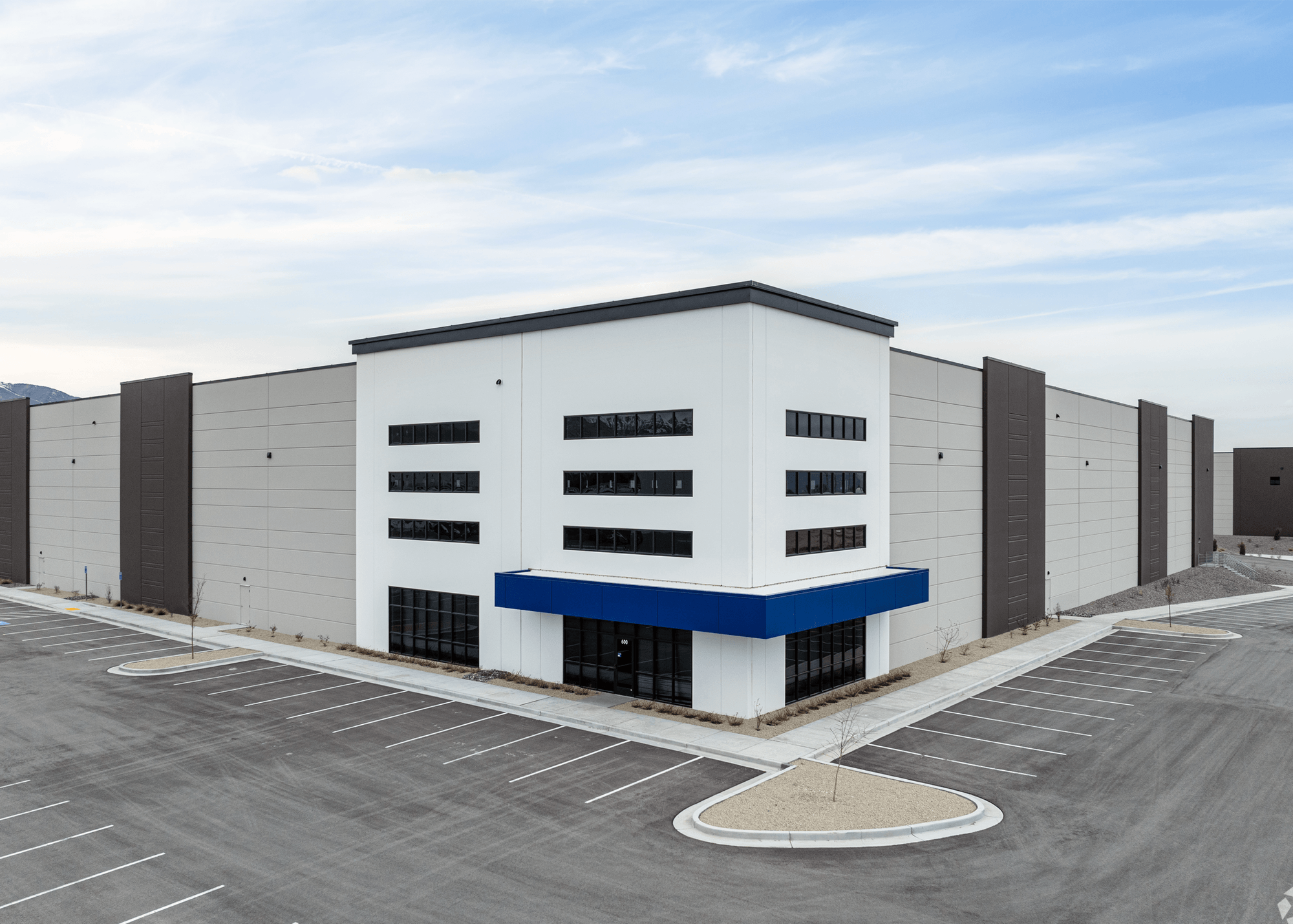
Congratulations to West Jordan! GEMCO Medical, a leading national wholesale distributor of medical supplies, announced today that it will open a new distribution center in West Jordan, Utah, in the summer of 2026. The facility will expand capacity, accelerate delivery times, and enhance service levels for customers across the western United States.
“West Jordan is thrilled to welcome GEMCO Medical to our city. This move showcases the strength of our workforce and the momentum building in our city,” said Dirk Burton, mayor of West Jordan. “We’re excited for the innovation and opportunity GEMCO brings, and we appreciate the partnership with EDCU and Newmark who helped make this happen. Welcome to West Jordan!”
The West Jordan distribution center will operate as a fully licensed, NABP ADD-accredited fulfillment facility and support GEMCO Medical’s growing healthcare-compliant third-party logistics (3PL) services. Designed with advanced fulfillment capabilities, the site will receive, store, and distribute a broad range of medical supplies, helping meet increasing customer demand while maintaining high standards for accuracy, reliability, and compliance.
“We’re excited to welcome GEMCO’s expansion to Utah,” said Ryan Starks, executive director of EDCUtah. “Utah continues to be a place where innovation, talent, and opportunity intersect. As a strong addition to the state’s thriving medical device sector, GEMCO is well-positioned for long-term growth. This expansion is a win for Utah and reflects the collaborative spirit that defines our economic landscape.”
GEMCO Medical is a leading wholesale distributor and third-party logistics provider of medical and diabetes supplies. The company offers a broad portfolio of products, including continuous glucose monitors (CGMs) and insulin pumps. Guided by its mission of Helping You Help Your Customers®, GEMCO Medical delivers exceptional value through drop-ship programs, fast shipping, competitive pricing, and deep industry expertise. GEMCO Medical is accredited by the National Association of Boards of Pharmacy (NABP) and certified by HITRUST. For more information, visit www.gemcomedical.com.
“Expanding into Utah allows us to better serve our customers with faster deliveries, enhanced service levels, and a more resilient distribution network,” said Matt Edwards, GEMCO Medical chief executive officer. “West Jordan’s strategic location and strong logistics infrastructure make it an ideal hub for our next phase of growth.”
This site visit in Salt Lake City brought together a wide range of partners, and EDCUtah worked closely with many organizations throughout the process. Special thanks to NUEA, Kelsie Akiyama (Newmark MW), Rand Sargent (Mountain West), Stokes Stevenson, Hunt Electric, Berkshire Hathaway HomeServices, Horrocks, VCBO, Okland Construction, and Your Employment Solutions for their engagement and support.
Additional groups that contributed to and supported the site visit process include Jon Schreck (Cushman & Wakefield) and West Jordan City.
Rex Buys, business development manager, led Project Ruby for EDCUtah.
_____
EDCUtah Investors: If you were involved with this project and would like to have your organization mentioned, please email connect@edcutah.org and we’ll update this article.
For additional information or to schedule an interview, please contact us.

5,000 jobs
1 million sq. ft.
$2.5 billion capex
Project Talon
Congratulations to Salt Lake City! Western Governors University (WGU), the nation’s leading nonprofit university, has announced plans to develop a new headquarters in downtown Salt Lake City. This investment further positions Utah as a center for higher education innovation that prepares learners from all backgrounds for a rapidly evolving economy and workforce. The university intends to create more than 5,000 jobs and invest approximately $2.5 billion in Utah over the next 20 years, creating new opportunities to help individuals and families improve their lives.
“We’re thrilled to welcome Western Governors University’s national headquarters to downtown Salt Lake City—an investment that represents a generational win for our economy and a defining moment for our city’s innovation future,” said Salt Lake City Mayor Erin Mendenhall. “With more than 10,000 employees nationwide, an operating budget nearing $2 billion annually, and the scale of a Fortune-level headquarters, WGU will be a strong anchor in our urban core.”
The announcement came at a public board meeting of the Utah Governor’s Office of Economic Opportunity (GOEO). Gov. Spencer Cox said of the institution’s decision: “Expanding access to education that prepares people for career growth is essential to Utah’s economic success. By establishing its headquarters in Salt Lake City, WGU strengthens Utah’s role as a center for innovation, bringing education and workforce needs closer together and helping advance higher education for learners across the country.”
The headquarters will serve as the primary office location for WGU’s people and will largely span a 10-acre block in downtown Salt Lake City. The project will be developed in phases as a mixed-use community of innovation.
“We’re excited to welcome the expansion of Western Governors University to downtown Salt Lake City,” said Ryan Starks, executive director of EDCUtah. “Utah is a place where innovation, education, and economic growth come together. As a major institution already deeply rooted in the state, WGU will help strengthen Salt Lake City’s thriving urban core, attract and retain talent, and create thousands of new jobs.”
At full buildout, the project is expected to include approximately 1 million square feet of office space, supporting up to 5,000 employees, alongside other mixed-use elements that will be part of the master plan to redevelop the city block. Some of the possible amenities include a collaboration space for shared R&D, an auditorium, simulation centers, showcase hubs for convening WGU and cross-sector innovation, a WGU welcome center, dining and refreshment options for employees and the surrounding community, an employee cafeteria, an on-site childcare center, and ample open space for connection. The campus will be accessible via public transportation and designed with sustainability and well-being in mind, with the goal of achieving both LEED and WELL certifications.
“For WGU, Salt Lake City and Utah are not only part of our origin story but also offer a unique foundation for advancing our mission,” said WGU President Scott Pulsipher. “Being headquartered here allows us to support our employees, deepen partnerships, and expand how we build pathways to opportunity for learners. Together, WGU, Salt Lake City, and Utah will continue to elevate the belief in the inherent worth of every individual and advance a shared mission to change lives for the better.”
This was a competitive site-location process for WGU, and EDCUtah worked with many critical partners throughout the project. Special thanks to the Salt Lake City Department of Economic Development, the Salt Lake City Community Reinvestment Agency, the Utah Governor’s Office of Economic Opportunity (GOEO), Endeavor Real Estate Group, and CBRE.
“WGU’s major expansion represents a significant investment in Utah’s future workforce,” said Jefferson Moss, executive director of GOEO. “By creating thousands of high-paying jobs in the information technology sector, WGU enhances Salt Lake County’s reputation as a center for innovation and economic growth — and the students it serves will help power and build Utah’s thriving innovation economy.”
Other groups that championed Utah during this site selection process include Goldman Sachs, Fidelity Investments, ARUP Laboratories, University of Utah, Brigham Young University, Delta Air Lines, Select Health, Northrop Grumman, Spherion, Blaser Ventures, Larry H. Miller Real Estate, The Point, the Utah Inland Port Authority, the Northern Utah Economic Alliance, and Layton Construction.
Rex Buys, business development manager, led Project Talon for EDCUtah.
_____
EDCUtah Investors: If you were involved with this project and would like to have your organization mentioned, please email connect@edcutah.org and we’ll update this article.
For additional information or to schedule an interview, please contact us.