Building Together: A Conversation with Central States’ Jim Sliker
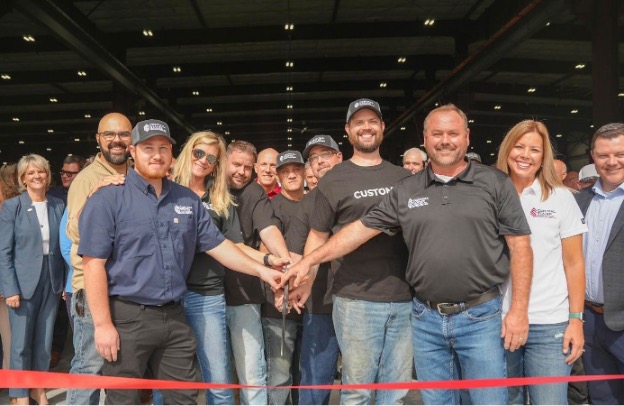
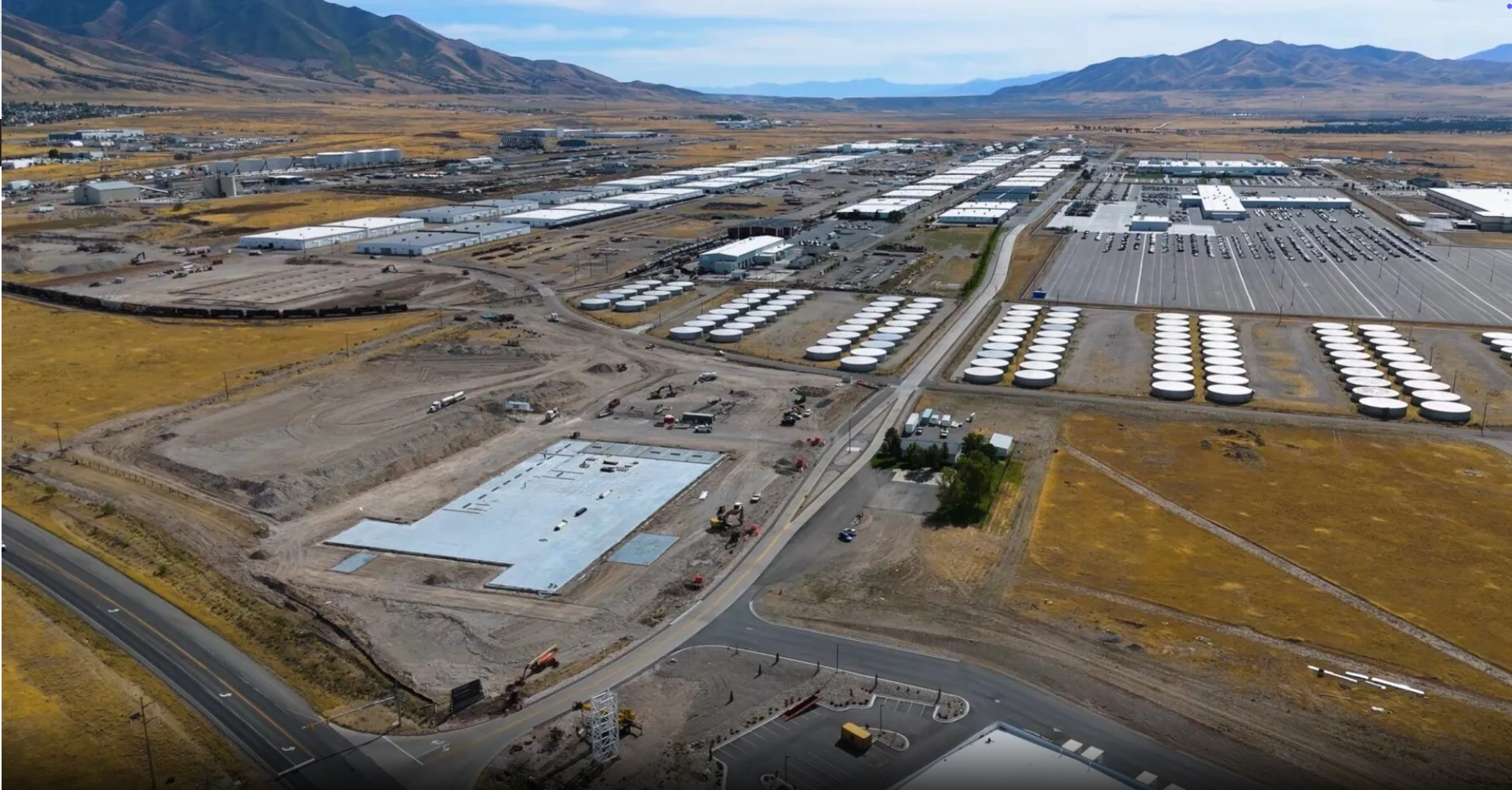
Central States, Inc., an employee-owned metal manufacturing company, recently held a ribbon cutting for its new facility in Tooele, Utah. Central States produces metal building components for residential, commercial, and agricultural projects.
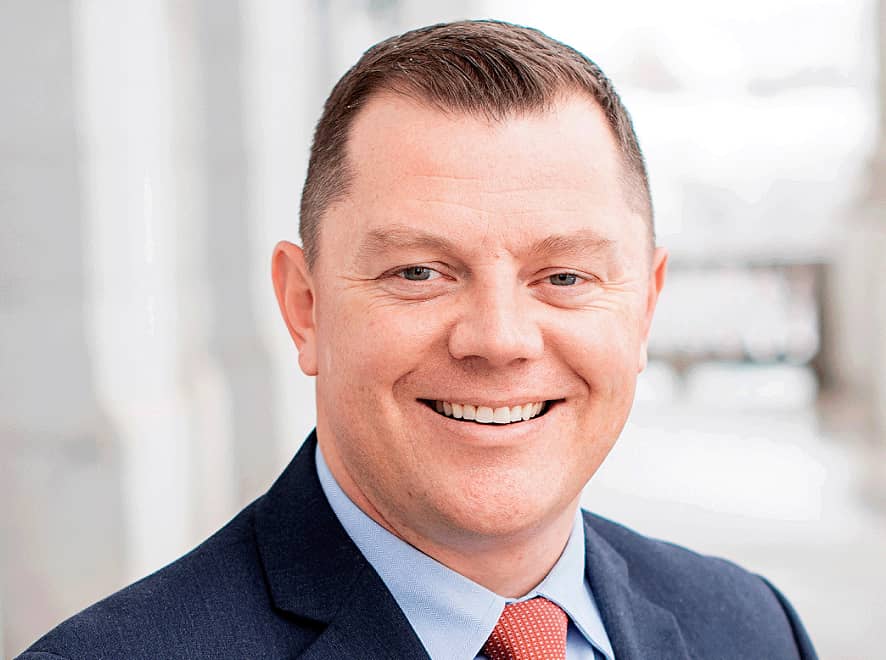
The company first announced its expansion to Tooele City in June 2023, after working with EDCUtah, the Utah Governor’s Office of Economic Opportunity, and several Utah partners to evaluate locations for their next manufacturing facility. One year after discussing the project’s early plans, we caught up with CEO Jim Sliker to discuss this major milestone and what’s next for the company’s Utah operations.
Sliker: Like any large construction project, there were the typical steps—breaking ground, closing the building, installing and validating equipment. But this plant is unique for us because it’s our first facility west of the Rocky Mountains. That brought new challenges in supply chain, logistics, and business processes.
One big milestone was hiring a plant manager. Jered Chandler relocated his family to Utah to take on that role, and he’s been the boots on the ground, leading the project.
Another milestone was resolving power supply issues. We worked closely with Rocky Mountain Power, and once we knew that was no longer a pacing item, it was a huge relief.
We also built a new supply chain strategy, including rail service directly into the back of the facility—another first for us. Validating that logistics model was key. And finally, beginning to hire and train our first group of employees was critical to preparing for production.
Sliker: We currently have a small team of eight, with a mix of relocations and local hires, but we’re ramping up quickly. Our immediate need is production technicians, the frontline people making our products. Getting them hired and trained is essential so that when the plant is ready, we can serve customers right away.
We’re working with Tooele Mayor Debbie Winn, local partners, and others to make sure our total rewards package—pay, profit sharing, stock ownership, and benefits—is competitive in this market.
Sliker: Employee ownership is central to everything we do. Our purpose is to provide well-being and financial freedom for employee-owners and their families. That drives decisions like this expansion.
We also want to integrate new employee-owners into our culture right away—helping them understand our DNA, our promise to customers, and how the business works. Just as importantly, we want to connect with the community. Even before having people on the ground in Tooele, we supported the Tooele Chamber of Commerce, food drives, and local causes. That’s part of who we are: we live here, work here, and serve here.
Sliker: Rail access wasn’t a requirement for us at the start, but once we realized that it was an option for this new plant, it became a differentiator. Having direct rail service into the facility reduces logistics costs and improves efficiency. It definitely influenced our final decision.
Sliker: This is the first time in our 36-year history that we’ve opened two plants in the same calendar year, which speaks to the strength of our team and the confidence our employee-owners have in this company. Tooele will be our 13th and westernmost plant, giving us a gateway to serve U.S. customers all the way to the Pacific.
For anyone considering joining our team, we’re an employee-owned company where you can be an owner from day one. If you value serving customers, taking ownership, and working in a culture defined by accountability and care for one another, this is a place you can thrive.
Tooele is our kind of town. The people here, the civic responsibility, and the cooperative spirit align perfectly with who we strive to be as a company. We’re proud to call Utah home.
_____
“Building Together” highlights examples of the impact of your investment and EDCUtah’s work in communities across the state.
For additional information or to schedule an interview, please contact us.
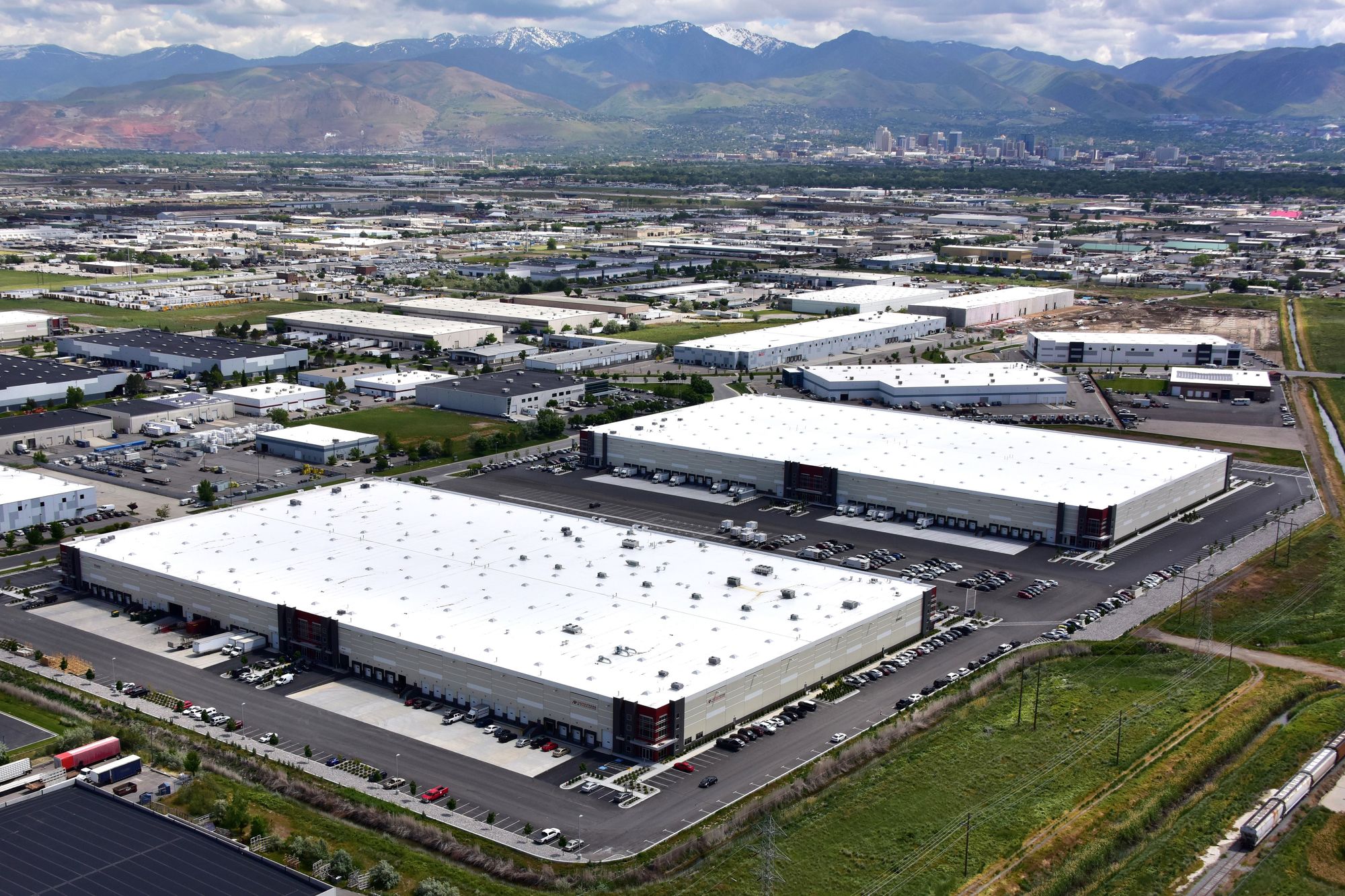
When we at EDCUtah seek an independent opinion about Utah’s economy, we often ask Steven Price of Price Real Estate. As a developer, landlord, and creative thinker, he has wide-ranging experience and insights to share. We caught up with Steven recently to hear his thoughts on education, transportation, artificial intelligence, and more.
The Salt Lake City market has grown and matured over the last 10 years. We have national and international tenants in sectors such as aerospace and defense, supply chain logistics, e-commerce, medical device manufacturing, advanced and AI manufacturing, and life sciences. We’re seeing the growth of new companies, as well as existing businesses that have much larger footprints now.
On the development and leasing side in Utah, we have a General Partner-Limited Partner (GPLP) structure that didn’t exist 10 years ago, with many of them in multifamily/lodging and industrial development. As the industrial markets grow, we often had outside developers or investors. But now we have the general partners, limited partners, and investor groups that have come to develop in Salt Lake City, the Northwest Quadrant, and spreading north and south on I-15.
We also have capital looking at this market that never looked here before. Part of that is probably due to Covid-19 and the work-from-home economy that brought more people to Utah. Part of it is the Epic and IKON passes that allow people to ski throughout the world. Those passes bring people to Utah. Accelerating the growth has been the expansion of the Salt Lake City International Airport and the Delta hub – not just the commercial side, but also on the fixed-base operator (FBO) side.
When Price Real Estate staff attend national conferences, we consistently hear Salt Lake City mentioned by keynote speakers and economists in breakout sessions. That just didn’t happen ten years ago. Utah is on the national radar screen for sure. And the question is—if you’re not in Utah, why not?
Price Real Estate is a little over 23 years old. In the beginning, we focused one hundred percent on industrial—anything from traditional rack-and-stack storage to manufacturing. And we paid attention to the industry clusters targeted by the Governor’s Office of Economic Opportunity and EDCUtah. By 2004 or 2005, we started targeting aerospace and defense, life sciences, e-commerce, and outdoor recreation.
By 2010, we were also buying urban core buildings in Salt Lake City. I had a personal commitment. I did not want these historic industrial buildings torn down for another kind of project, another kind of building. The question is, what makes a city livable? It’s what you do when you’re not working. So, these buildings are now adaptive reuse buildings with dozens of local businesses in the urban core, giving residents and visitors more options and more livability.
We found that both local, national, and international tenants wanted a landlord that they could grow with. We have a strategy of growing local businesses. If you sign a lease with us, you’re going to renew. Approximately 97% of our tenants renew their leases. Sometimes you don’t know how fast you’re growing, and sometimes you’re giving back space. Sometimes you need additional space to accommodate growth. We’ll give our tenants another space until we can get them into another building.
Tariffs impact three different issues for landlords: 1) How do we manage our buildings? 2) What are the costs to operate? Property taxes, insurance rates, and all other costs are significantly increasing. And 3) what are the impacts of tariffs if we want to build a new building?
And then there’s the impact of tariffs on our tenants. Tenants throughout the U.S. have done a few things. They’ve either sold down their inventory, in some cases lower than what the levels were in June 2020. Or they’ve surged inventory, getting product in faster than before. I use an I-15 analogy. Sometimes I-15 is moving at speed, in all lanes in both directions. Other times, you’re starting to see red lights in front of you. You’re slowing down. Is it the weather? Is there an accident? Is it just rush hour? What’s slowing us down?
Right now, we’re seeing tenants, developers, and capital markets pump their brakes. We’re starting to see red lights, but there are no airbags going off.
The cause for the slowdown is different than 36 to 48 months ago. It’s uncertainty about tariffs, trade policy, employment, and interest rates. All of those factors are working their way through commercial real estate. It’s the reason you see so few cranes working on multifamily projects in downtown Salt Lake City. It’s part of the reason we haven’t seen a new office building since 95 State in downtown Salt Lake City. It’s the reason we’re not tilting up as many industrial buildings. There’s been a traffic pause, but no accident yet. Red lights but no airbags yet.
We have an extremely well-run state. State leaders run a balanced budget here, and government stays out of your way. The State invests in the right things, like transportation infrastructure and education.
The next thing that gives me confidence is Utah’s gross domestic product. It’s very similar to the U.S. GDP. If you look at each of the different sectors of the economy, we’re well-balanced. In fact, Utah has what Natalie Gochnour calls an “elite economy.”
Another thing is that the Wasatch Front is growing. The four-county region of Salt Lake, Weber, Davis, and Utah Counties are on a steady growth trajectory.
Salt Lake City International airport is another point of confidence. We often underestimate the importance of a well-run international airport. To have a Delta Air Lines hub here, and the presence of United and American Airlines, are key fertilizers in the Utah economy. About 60% of people around the U.S. fly those three big airlines. The number of non-stop direct domestic flights to and from Salt Lake City International Airport accelerates Utah’s businesses and visitor economy. And you look at the growing international coverage with new direct nonstop flights to Incheon, to South America, and a second daily flight to Amsterdam. All of this together really builds the Utah economy.
Finally, the University of Utah – with its medical school and their engineering school and business school and so much more – is training some of the best talent in the Mountain West.
These factors combined give us, as a real estate investor, tremendous confidence in how the Utah economy is growing and how it will grow in the future.
Utah talks about a secret sauce, and one of those is that we can work together, on small things or big things. We worked together to help bring the Winter Olympics here, not just once but twice.
We know that Utah has housing affordability issues. One way to attract businesses is to focus on housing. Things will not be less expensive in the future; they’ll be more expensive. We can counter that with jobs that offer upward mobility. We need to make sure we attract the right kinds of jobs that allow Utahns to enter the workforce, remain in the workforce, and achieve upward mobility.
The state also faces issues with transportation infrastructure as the Wasatch Front grows. How do we more efficiently get people to their jobs and back home so they can have live, work, play, worship balance, and quality of life? Transportation infrastructure will be vitaly important.
If we can get those things right, Utah will continue to grow.
_____
“Building Together” highlights examples of the impact of your investment and EDCUtah’s work in communities across the state. Do you have a story you’d like us to share? Email connect@edcutah.org.
For additional information or to schedule an interview, please contact us.
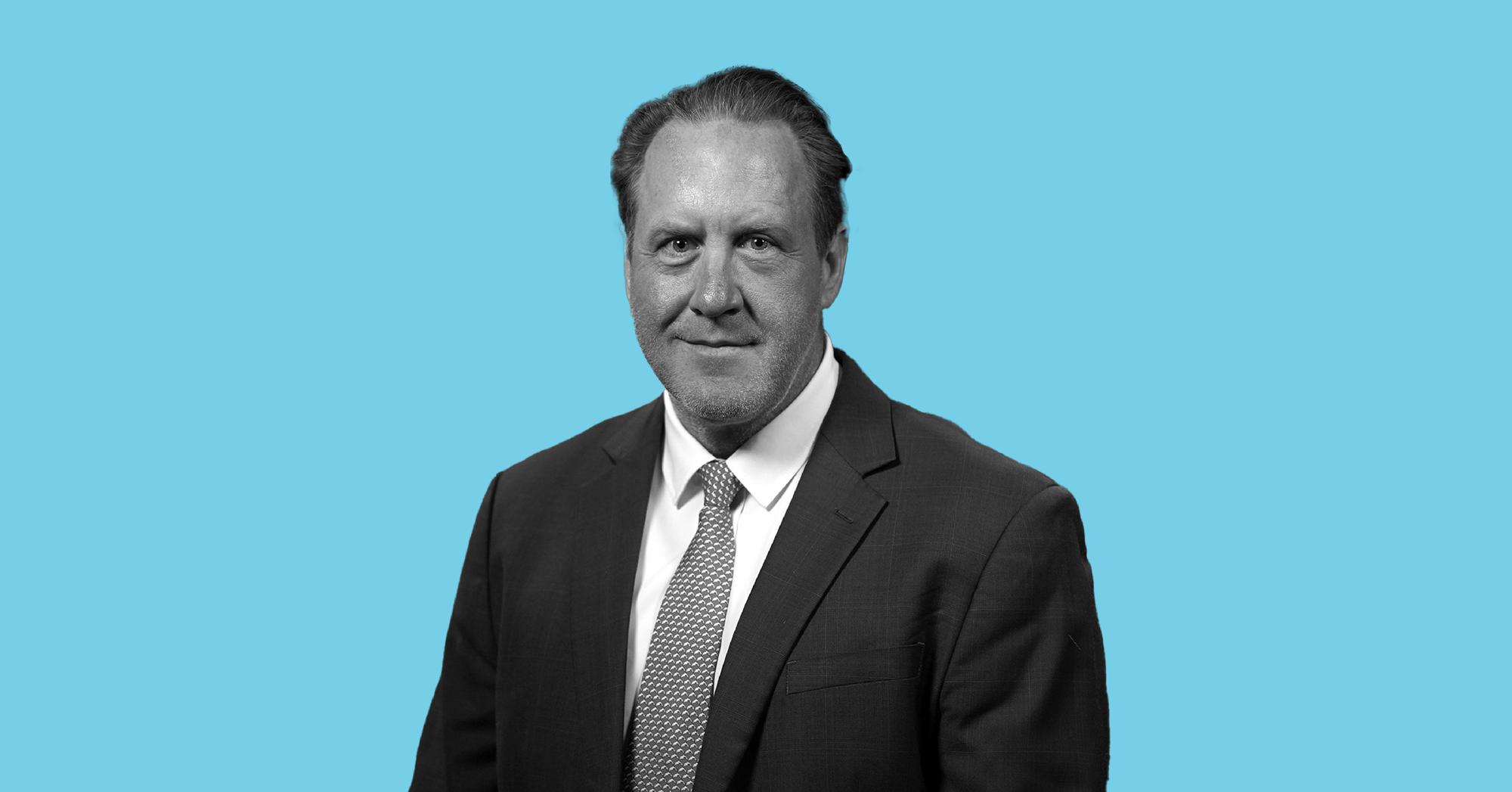
In early June, Jefferson Moss became the new executive director of the Utah Governor’s Office of Economic Opportunity (GOEO). We caught up with him recently to learn of his first impressions and priorities.
Prior to GOEO, Moss served as majority leader in the Utah House of Representatives; the associate commissioner of innovation, commercialization and economic development for the Utah System of Higher Education (USHE); and as managing director of the Utah Innovation Fund. He will continue in a leadership role with USHE in addition to leading GOEO.
As a legislator, I had a good perspective, but getting a chance to know the team and understand all the things we are working on has been really useful. There’s a lot of things that we’re doing, and we’ve got great people here — a great team of folks that are really working hard. My hope is that we continue the great trajectory of the state and continue to drive GOEO forward.
I’ve had a chance to practice my elevator speech several times since starting at GOEO. One was at the BIO International Convention, a big life sciences conference in Boston. I really appreciated the number of Utah companies that were out there, making great relationships and connections. I also appreciated just how well-known Utah is among people from all over the world. Specifically, a woman from Australia reached out to us proactively and said, “I’m just hearing all these great things about Utah, and why we need to consider it.”
It’s very cool that Utah is becoming that well known, that people see us as an up-and-coming business destination.
I also attended Utah’s trade mission to the United Kingdom. Again, the “aha” moment came in a meeting with people in economic development, venture capital, and academia. One of their leading scholars on artificial intelligence (AI) talked about the “Utah model” in AI. He’s an international expert and spoke of how Utah is the leader when it comes to AI legislation and creating the right framework. Around the world, people are watching what Utah’s doing.
My pitch is that Utah is special because 1) we have the best economy in the country; 2) we work well together; and 3) we are very business friendly. The simplest answer is that we’re one of the most stable states in the country. In the world we live in, that’s a huge deal. Businesses are looking for stability.
Thankfully, I have a lot of good friends there, so it’s always fun to catch up. As a legislator, you get the opportunity to run policy or fund things. I love to tell my peers that I’m anxious and excited to be on this side of it — implementing and executing the legislature’s priorities. Having that perspective from my time in the legislature, I think, is very helpful. Building on those relationships, we can do a lot of good things together.
Part of my message is that we represent the Governor, and we’re excited to partner and play a more active role. Not just in terms of recruiting and retention of companies — we want to play a more active role in supporting Utah’s business ecosystem.
The other part of my message is about coordination. I’m going to focus on bringing all the different efforts and initiatives together, so that GOEO is playing a quarterback role.
Our state has incredible opportunities spanning aerospace and defense, life sciences, AI, and quantum energy. Given my background at USHE, I’ve seen a lot of the efforts to get these technologies commercialized. I’ve seen businesses that are leveraging our higher education assets, and I understand how critical the workforce is in terms of propelling new innovations.
When I took that job at USHE, the first thing I did was visit some of the top innovation hubs in the world. I wanted to learn from the hubs that have taken economically blighted regions and turned them into amazing economic engines — places like Kendall Square in Boston. I wanted to understand the secret sauce that got them to be where they are.
What I found is that it’s the intersection between government, education, and industry that fueled their economic engine. We’re doing a good job in Utah, but I think we can do even better. Utah’s secret sauce is that we work well together, so how do we get everybody more united and rowing in the same direction? We’re doing great things in different areas, but we don’t fully understand or appreciate how the different areas fit into the bigger picture.
AI is an example. There’s a policy perspective in terms of creating the right regulatory environment. There’s a workforce effort, a critical need. There’s the venture capital startup ecosystem, also critical. Having sat in all of those seats, I know we can tighten alignment to be more successful. I see the same with these other areas.
Something that I’m excited and passionate about is bridging that gap between Utah’s universities, venture capital, and the entrepreneurial community. GOEO can play an important role in bringing those constituencies together and driving innovation. It’s not about a big idea. It’s creating the right environment to spur innovation. It’s that intersection of innovation —getting the right groups of people together that will drive new ideas.
At GOEO, we love all of the industries that contribute to Utah’s economy. But I do think there are unique opportunities in AI and healthcare, deploying genomics to alleviate people’s health issues. Look at the University of Utah. At the Scientific and Computing Institute, they’re doing some really cool cutting-edge AI. Additionally, we’ve got Huntsman Cancer Institute and Intermountain Health doing incredible things.
How can we leverage those efforts and create the right regulatory environment? Utah has unique advantages in genomics so it’s a matter of leveraging genomic technology the right way within a safe environment, making sure that we’re following all the right processes regarding data, privacy and other critical areas. That kind of coordination is not happening in a lot of areas around the country. Utah could be a leader in that space.
There are other opportunities in aerospace and defense, with what’s happening at Hill Air Force Base. We’re getting a lot of businesses following the lead of Northrop Grumman in and around Falcon Hill Aerospace Research Park, and we’re seeing a huge influx of startups or new businesses coming into Utah to capitalize on the great ecosystem we have there.
A third opportunity that excites me is energy. Utah has a rich abundance of energy, and forty of the top fifty critical minerals are in Utah. We’ve created the right regulatory environment so we can move quickly. We’re going to be one of the first states to move into small modular nuclear reactors. Utah can move faster than most states can — and in the era of AI, where energy demands are high, that agility positions us to lead.
Obviously, there are quantifiable measurements that we can look at in terms of outcomes. But stepping back, we’re the beneficiaries of things people did 20 years ago. Those actions are why we’re in the economy we’re in today.
I want to make sure that with the next 10 to 20 years in mind, we’re making the right decisions and investments, whether it be regarding innovation, workforce initiatives, or infrastructure. If we focus only on the economy in the near term, we’re somewhat backward looking. If we’re looking forward, we’ll continue to support the great economy that we have.
It’s great that we have our former GOEO executive director Ryan Starks at EDCUtah. That partnership is critical. EDCUtah plays an important role in helping us on the front end by talking to companies interested in Utah. He and I are meeting regularly to coordinate closely.
The collective effort is even broader. One of the things that I’m very passionate about is making sure that we’re collaborative across multiple areas. We’re located next to the World Trade Center Utah, and we have some incredible partnerships on the public side with the Inland Port, the Point, and the Military Installation Development Authority (MIDA). The more we can bring those efforts together and break down silos, the better.
We are also tightly coordinating with other state agencies. We work closely with the Department of Commerce on the AI side, as an example. We want to actively support the Office of Energy Development’s work as part of Gov. Cox’s vision to strengthen Utah through Operation Gigawatt and other key energy initiatives.
On the private side, we’re going to put a big emphasis on industry clusters, particularly in the matter of workforce development. Every single company we talk to has expressed the workforce as one of the biggest things they care about. As industries and education become more innovative, we need to be nimble in how we support initiatives like Talent Ready Utah and Utah’s universities.
And statewide, we have so many different economic development groups. I’ve been on a city council in the past and there’s a risk that economic development becomes a zero-sum game of who can give the best incentives. It can become a race to the bottom that benefits no one. There’s a way that we can coordinate and be more strategic. One of my top priorities is collaborating with our cities, counties, economic developers, and EDCUtah to attract high-quality investments to Utah.
It’s a matter of stepping back over the next four to six months to take stock. I’m going to be convening a group of stakeholders and partners like EDCUtah, businesses that we’ve worked with, and state agencies. We’ll reassess: What is GOEO’s core mission? Why do we exist? What are we trying to do? And then we’ll ask, “Where are the gaps? What are we not doing right?”
It’s important that we have a very targeted plan, a good five-to10-year plan. We’re doing a lot of great things, but I want it to be more targeted and deliberative in why we’re doing the things we’re doing.
We are putting together working groups to redefine GOEO’s purpose and role. It’s not a major shift —we are simply ensuring we’re stay on course and align our resources effectively.
_____
“Building Together” highlights examples of the collective impact of your investment and EDCUtah’s work in communities across the state.
For additional information or to schedule an interview, please contact us.

In a virtual Q&A last week, EDCUtah executive director Ryan Starks shared his “Vision Forward” with investors statewide. Ryan kicked off the discussion with a parable about American professional football coach and National Football League (NFL) executive Vince Lombardi and “getting back to basics.” He offered a high-level overview of EDCUtah operations and then took a series of questions.
We’ve recapped the Q&A session below. This discussion has been edited for more concise reading, but you can access the full recording here.
EDCUtah is a division of the Salt Lake Chamber, but we have a unique mission. We have our own budget, financing, and marketing team. The strength of our relationship with the Chamber is that now we’re an economic development organization with a built-in policy arm.
We met with some companies in the past couple of weeks that have said, “We’re interested in relocating to Utah or expanding. There’s this one issue, though, from a policy perspective that’s really challenging.” The nice thing about our partnership with the Chamber is now we can say, “Well, you’re in luck, because we have this inherent relationship where we can tackle the policy issue.”
We’re grateful to be part of the Chamber. We also have the independence and the autonomy to act as an independent economic development organization. So, the synergy between EDCUtah and the Chamber is strong and palpable.
The Salt Lake Chamber’s mission is to stand as the voice of Utah business, support their members’ success, and champion community prosperity. EDCUtah’s mission is to catalyze capital investment and strategic economic opportunities to create quality jobs in Utah.
The GOEO relationship with EDCUtah is one of the most important relationships we have. It sets the tone. GOEO’s tools are powerful, from the Economic Development Tax Increment Financing (EDTIF) incentives to various grants. GOEO has the backing of the state seal and can open doors in a way nobody else can.
I loved every day of my job at GOEO. Now that I’m here, I see opportunities to collaborate even more. If there ever were gaps or misunderstandings, I’m excited to address those.
I think [new GOEO executive director] Jefferson Moss is a tremendous leader. I think their management team, rural team, and business development team are tremendous. The opportunity for us to work hand-in-hand is going to create synergy.
There have been some questions to the effect of: “Should we work with EDCUtah, or should we work with GOEO?” My response is to work with both of us. We’re synced with trade shows. We’re synced with corporate recruitment activities, and with messaging. The relationship is just going to get stronger and stronger.
Utah’s industry associations are powerhouses. Look at what’s happening in the life sciences, aerospace and defense, tech, or manufacturing—just to name a few. Each of these groups is elevating Utah’s profile in a big way.
A recent project win – an aerospace and defense project – said that not only is the State incentive program and EDCUtah’s project management process robust, but they have also never been to a state with such a robust ecosystem for aerospace and defense. This partnership between the State, EDCUtah, and industry made all the difference for this company.
EDCUtah team members are not experts in all things. We can lean heavily on our industry partners for support, data, insight, and connections – whether it be 47G, BioUtah, BioHive the Bankers Association, or Silicon Slopes, and so on. The associations are additive to what we offer and help make Utah competitive.
I’ve had the opportunity to serve on the Port Authority Board for the past few years, and I’ve seen the great work they’re doing. They have port areas across the state from San Juan all the way up north. They’re filling an economic development need for communities.
As they establish those project sites, that’s fuel for Team Utah to recruit the right companies—manufacturers, logistics companies, energy companies, and retail. UIPA offers public financing tools, including a property tax differential, to incentivize companies to locate within a port area. Companies can use those alongside GOEO’s EDTIF and REDTIF incentive programs. And then they can access the project management and partner support coming from EDCUtah. When you put GOEO and UIPA and EDCUtah together, it becomes clear that Utah offers clear competitive advantages to expanding companies.
[WTCU president] Jonathan Freedman is a dear friend, and I think of EDCUtah and WTCU as being Yin and Yang. WTCU can take a company in Utah that’s seeking to expand globally, and take them onto the world stage, through trade shows and trade missions. There are so many good examples of companies that have grown internationally because of WTCU.
If you ask who’s bringing capital, infrastructure, and high-quality jobs to the state, that’s where EDCUtah plays a role. We recruit those companies, some of which are international.
When WTCU goes on a trade mission, they may interact with a company that’s interested in Utah. They can hand that lead off to us. We then can walk that company through the process, in partnership with GOEO, just as we would do with a domestic company, to help that company get established within the state. Likewise, as EDCUtah works with our members and our projects, if we learn there’s an opportunity for them to expand internationally, we’ll direct them to WTCU. We have a two-way relationship that is mutually beneficial.
Our bread-and-butter is corporate recruitment. Moving forward, you can expect EDCUtah to have a clear focus on visiting key cities and key companies to recruit new businesses. We call the program Global Strategy & Outreach (GS&O), and it has yielded many project wins over the years. We’re excited to get back in the saddle.
We’re also planning inbound activities. EDCUtah has a database of site selection consultants whom we keep in touch with frequently through email marketing campaigns. Next year, we’ll host a group of site selectors for a summer event in Utah. We’ll provide information to our investors on how to get involved when details are firmed up.
Utah has a fantastic story to tell. From being a scrappy, startup state in the mid-1800s to having the world’s best economy today, there’s certainly something there that’s worth sharing.
When you factor in the 2002, and now the 2034, Olympics … When you factor in the continued growth in key industry sectors, and Utah having the largest middle class, there’s something compelling happening here. EDCUtah’s opportunity is to partner with the State to share that good news. As my friend Brad Mortensen, president of Weber State University, likes to say, “We need to be louder and prouder about Utah and about who we are.”
The term that comes to mind is “momentum”. The buzz is palpable. People are asking, “What can we do to get ready for the Olympics? How can we support?”
Just this past week, I had the opportunity to visit with the CEO of the Olympic Committee, Brad Wilson. We talked about what role EDCUtah could play in terms of community readiness. We’re not at liberty to announce it yet, but we have put in motion plans for a partnership to help cities stand up their best messages for the Olympics. That could be through planning and zoning, business attraction, workforce development, wayfinding, community development, or other aspects. We’ll make some big announcements at our fall annual meeting, so buckle up. There are good things in the works.
We’re going to focus on recruiting corporate headquarters, especially among Fortune 500 companies. We’re going to get back into high-level, high-execution corporate recruitment.
We also want to grow our membership base. In May, we saw a significant increase in new and renewed investment. We’d love to grow that incrementally, strategically. One of our aspirational goals is to secure up to 300 investors by the year 2030. And then, we’d love to grow to 340 investors by the 2034 Olympics.
Who does EDCUtah partner with to ensure the growth coming to Utah is balanced with the available natural resources, specifically water and utility needs?
Ryan: It’s a great question, Ari. When I was at GOEO, we required every EDTIF-eligible project to go through a rigorous analysis of water consumption, power usage, and other aspects of sustainability.
The beauty of EDCUtah’s model is our collaboration with cities and counties. Mayors and city managers and economic development professionals are best equipped to understand how a project impacts their community. We certainly want balanced growth. That’s why we’re not just focused on the Wasatch Front – we conduct site visits statewide.
Given last year’s funding changes from GOEO, how is EDCUtah’s financial situation different? How secure is that situation?
Ryan: We’ve had a rough go for the past year. I was part of the GOEO team that limited the contract funding to EDCUtah. I take full responsibility for that. There were a lot of factors that went into that decision. Part of it was an experiment. Part of it was a political decision, and part of it was a hope that we would see a greater focus on some of the core competencies that EDCUtah offers.
Since that time – I’ll compliment the EDCUtah team here – they have been scrappy and hungry and willing to work hard and innovate. The EDCUtah team is committed to elevating the organization. We had a successful fundraising golf tournament just last week, and we have seen more investment coming in from both public and private sector organizations. We’re seeing membership dollars come in at a greater rate than we’ve seen in a long time.
Let me clarify that GOEO has always been an investor. Even when EDCUtah lost the state contract, GOEO still committed a sizable annual grant. With that, I think EDCUtah is in a good place, but we are not satisfied with just being in a good place. We want to be in a great place, so we’re continuing to look for opportunities to monetize some of our services, to generate revenue which ultimately benefits the investor community and the greater Utah economy.
I’m thrilled to see corporate headquarters as a new focus. I know that we’ve had a lot of success with target industries, but I’d like to suggest that regional headquarters is probably our largest opportunity. Utah is the best location to cover the western half of the United States. Salt Lake City’s economic development is part of that, and the success of the state is a strong downtown. We’ve got an education base, a transportation base, a quality of life base second to none in the West. So go for it, Ryan, and make that one of your hallmarks of success.
Ryan: Awesome, Jim. Thanks. You’re spot on that Utah is the place, and we think that we can capitalize on that. I’ll just give our friends at Salt Lake City a big shout out. Salt Lake City Economic Development Director Lorena Riffo Jenson and her team are tremendous partners, and we think that a healthy capital city translates to a healthy state of Utah.
Please consider county elected officials as well. It’s not enough just to coordinate with economic development directors or others.
Ryan: Kelly, you’re always full of good advice, and this is another gem. Thank you. We’ll definitely keep that in mind, and we love our friends down in Kane County.
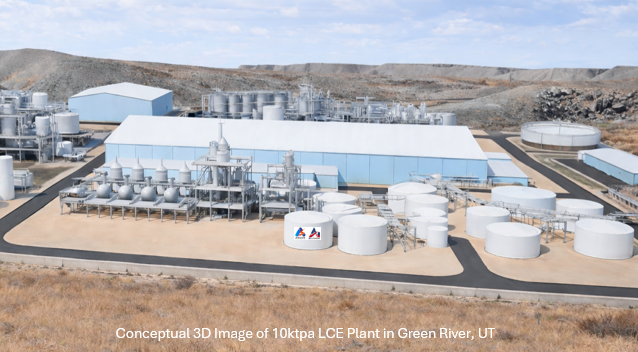
I wanted to second the comment about the team being scrappy and ready to rock and roll. We in Green River secured our first EDCUtah project win this year, and we’re working hard with the team to bring more projects to the middle of the state and our rural communities.
Ryan: I would love to just emphasize one key thing. Everything that we do at EDCUtah isn’t just us. It’s the culmination of so many people working together. Every single project includes multiple touch points. “We build together” – this is the theme we want to emphasize. The Airbuild project in Green River, for example, came as the result of collaboration among the City of Green River, EDCUtah, Utah State University Eastern, Better City, Utah Inland Port Authority, and the University of Utah PEAK water sustainability engine.
Ratio Therapeutics in West Valley City is another example. This project was the result of contributions from Jonathan Springmeyer of West Valley City, Doug Cole of NAI Premier, EDCUtah, Wasatch Group, the Governor’s Office of Economic Opportunity, and Kelvyn Cullimore of BioUtah. We’re grateful for those partnerships.
In short, what can you expect from ECDUtah moving forward? Deeper partnerships than ever.
_____
“Building Together” highlights examples of the collective impact of your investment and EDCUtah’s work in communities across the state.
For additional information or to schedule an interview, please contact us.
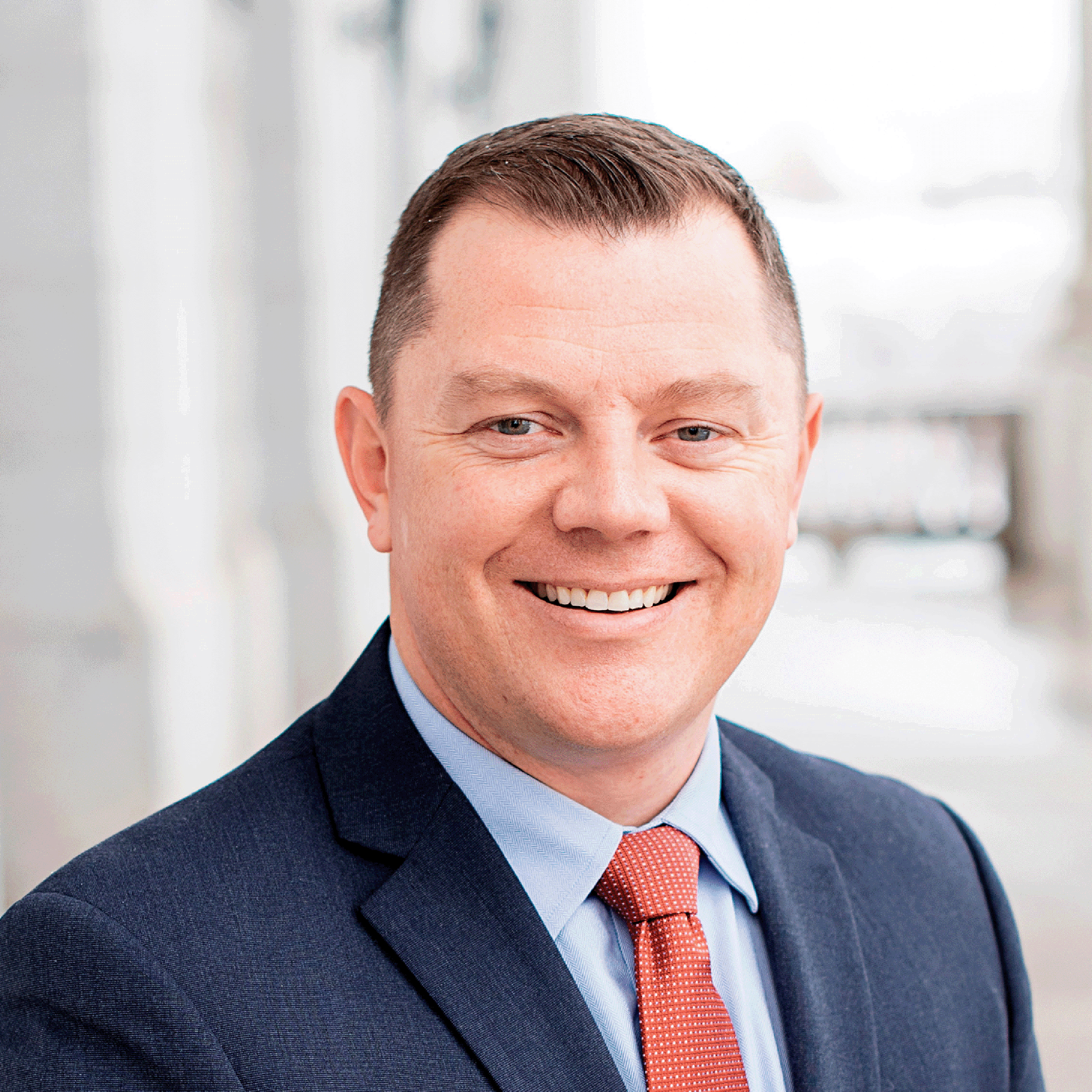

The Economic Development Corporation of Utah (EDCUtah) is pleased to announce that Ryan Starks will be the new Executive Director and will start on May 19. We caught up with Ryan to learn his thoughts about this new chapter for our organization.
First of all, I want to state that I have been a long-time fan of EDCUtah and believe in its mission. I admire the leadership of Jeff Edwards, Theresa Foxley, Scott Cuthbertson, and others who have helped shape Utah’s economy in lasting ways. Their contributions and leadership are legendary.
Long-term I want to establish EDCUtah as the private sector leader in the economic development space, and that means working closely with our different partners. There are a lot of different entities out there: associations, chambers of commerce, economic development organizations, and the State of Utah. I want EDCUtah to lead in convening these groups to accomplish shared goals. The time is now to do that convening and to create that shared vision. As part of these long-term efforts, I want to increase our membership significantly.
In the short term, I want EDCUtah to establish local and national relationships that will lead to long-term projects. This means a focus on in-state and out-of-state marketing the likes of which we’ve never yet done as a state. I feel like there’s a space for EDCUtah to really own that business branding, much the way the Utah Office of Tourism is branding the state in the travel sector. I think EDCUtah can do similar work, to help tell the story to the business community of why we’re such a great place to do business.
It’s pretty simple. It’s not just EDCUtah, rather it’s many people working together. When it comes to building business ecosystems and building a lasting economy, it’s all hands on deck. We have to look at ways in which we can solve some of the big problems that the state has, to attract new companies, and to facilitate existing company growth.
It takes all of us working together. “And” is an important, powerful word. It takes the public sector and the private sector. It takes rural Utah and urban Utah. It takes legislative leadership and executive leadership and leadership from EDCUtah. It takes universities and associations. How do we build together? We do it in partnership and in collaboration, in a way that will support job creation, capital investment, infrastructure, human talent, and an unparalleled quality of life—across the state. It’s not a one or the other approach. It’s a collective approach where we leverage the relationships with all partners, and we help drive positive economic growth through EDCUtah. I want to emphasize that.
I like to work hard. I like to have a lot of fun while working hard. I like to lift other people up who I get to work with, and so I believe in delegation. I believe in positive feedback and helping people become their best selves. I’ve taken different tests over the years, including StrengthFinders. It says that one of my inherent strengths is building other people up.
I also like to look at process, looking for efficiencies, pulling people together to solve complex problems. I love tackling big challenges, with a positive, focused attitude.
What my time at GOEO gave me is an understanding of the ins and outs of economic development across the state. I visited every single county, and spoke with city and county leaders, with chambers of commerce, with economic development directors.
I was at GOEO for six years, but I think we can look even further back than that. I worked for Wasatch County for eight years, and that gave me the county-level perspective. I learned that every county has unique opportunities, and that counties can really benefit from a partnership with EDCUtah. Wasatch County was an investor in EDCUtah, and we were able to do a lot of our work in partnership with EDCUtah. There’s value in strategic partnership between counties and EDCUtah because we can all leverage resources in a greater way.
I learned in these jobs that economic development is not a one-size-fits-all proposition. It takes unique strategies to solve the various economic development issues in every part of Utah. The GOEO experience also helped me understand the tools and resources available at the State level. That could be grants or incentives, or even the power of just convening people.
At EDCUtah, I envision doing similar things, working with stakeholders and communities, connecting them with those resources that I became so familiar with, and connecting them to the vision of building a strong economy, into where the State’s going. There are a lot of unique lessons that I only could have learned from the State, and I’m excited to apply those lessons now to the private sector.
There are concerns, but Utah maintains one of the most diverse economies in the country.With that economic diversity, we’ve proven in the past that we’re able to weather difficult storms. COVID-19 is an example of Utah coming out as the best state in terms of our recovery.
Another example is the Rich States, Poor States Report, commissioned by the American Legislative Exchange Council. Using 70 different data points, the report just ranked Utah as having the best economic outlook in the country for the eighteenth year in a row.
Even though there’s some economic uncertainty right now, the future still looks very bright. This is a time where we need to continue to build, and not pull back.The challenges are real. But the strength of our economy is also very real, and I’m confident that we can maintain our strength by continuing to invest in the long term. I believe our best days are still ahead of us, and I invite businesses and organizations to join us in this important cause and movement.
That the State of Utah is growing, that our economy is hot. That we need to stay focused on growing our economy in smart and strategic ways. We have the 2034 Olympics knocking on our door. We have a unique opportunity to prepare for those Olympics by making key investments into infrastructure and into Utah’s economy. These investments will create long-term returns that will benefit the next generation of Utahns.
EDCUtah can be more than an organization to promote the economy. It can be an integral part of a movement that benefits and lifts all communities in the State. I’m really confident that this window of time is going to create some unique opportunities for EDCUtah and for the State to accomplish big things. We can recruit big companies, support rural Utah, and hone in on our targeted industries.
Our investors have a voice in Utah’s economic growth. This is the opportunity to jump onboard with us, and together create some amazing things over the next decade.
_____
For additional information or to schedule an interview, please contact us.

Anyone who has looked down into Rio Tinto Kennecott’s Bingham Canyon copper mine — located on the west side of the Salt Lake Valley and the largest human-made excavation in the world — can see that things are happening on a massive scale. In a sense, that’s also true about Kennecott’s other Utah land assets.
Kennecott owns approximately 95,000 acres of land (more than six times the size of Manhattan) in the Salt Lake and Tooele Valleys. The company’s land ownership is the result of over 100 years of copper mining in Utah’s Oquirrh Mountains. Today, this land is poised to become one of largest real estate opportunities in the western United States.
We spoke with Alan Matheson, Kennecott’s former general manager of land and water development, about the significance of these landholdings for Utah’s current and future real estate development and economic opportunities.
“Rio Tinto Kennecott owns most of the remaining undeveloped land in the Salt Lake Valley, and significant parcels in Tooele County,” explained Matheson. “Of course, not all 95,000 acres will be developed. Much of the land is in current mining operations, much provides a key safety buffer between communities and those operations, and other areas will be preserved for ecosystem conservation. Nevertheless, significant land along the foothills of the Oquirrh Mountains is developable and will help meet the needs of our growing community.”
Many of these areas are:
For developers, this means access to strong job markets, schools, and transportation, making the land ideal for residential, commercial, industrial, and mixed-use projects.
Because of Kennecott’s mining operations, large tracts of its land already have nearby infrastructure assets like roads, rail, and utilities. Many parcels are zoned for urban uses and have conceptual plans. Kennecott prioritizes ongoing collaboration with municipalities, public utilities, and transportation agencies to lower initial development costs, accelerate project timelines, and align with community goals. Taking a proactive approach, Kennecott is also addressing key challenges with water, remediation, and needed infrastructure upgrades. The result of these efforts is a series of highly attractive parcels that will contribute significantly to Utah’s future.
Kennecott’s landholdings tend to be large and contiguous, making them ideal for business centers, large-scale commercial hubs, and master-planned communities. Utah, like many other states, is experiencing a housing shortage, and this land can play a role in meeting Utah’s housing supply needs over the next few decades.
Matheson emphasized the value of partnerships: “We recognize that accommodating Utah’s growing population will require a team effort. To that end, we’re actively exploring partnerships with outstanding developers and public entities to provide the expertise, resources, and infrastructure needed to achieve our state’s vision.”
When it comes to master-planned communities, Utah has a proven model for success. “Most people are familiar with the Daybreak community,” said Matheson. “One of the most successful developments in the country, it’s a cutting-edge example of transforming land used for mining operations into a beautiful, livable, vibrant neighborhood.”
Plans for the Daybreak community – located in South Jordan, Utah, a suburb of Salt Lake City — began in 2001. At more than 4,000 acres, Daybreak is the largest master-planned community in the state’s history. Today, the community has an estimated 44,000 residents and just under 10,000 homes. Daybreak was developed to include key quality-of-life amenities such as housing, schools, retail, offices, transit, parks and trails, and entertainment.
In 2021, Larry H. Miller Real Estate purchased the remaining 1,300 acres of undeveloped land in Daybreak. They’re working together with the City of South Jordan on plans to build out a downtown center that includes the new baseball stadium for the Salt Lake Bees.
Kennecott prioritizes collaboration with local governments regarding the future use of its surplus land, and the company seeks development partners with a long-term vision for sustainability and economic opportunity. “What happens on our land will impact the future of not just the Greater Salt Lake region, but also the entire state,” Matheson said. “We are approaching the development of these lands strategically, with a focus on creating a brighter future for Utah.”
Corporate expansion and site selection trends can help inform Kennecott’s land-development strategy. And as the sites are developed, Utah’s public-private partnership for economic development can support companies and site selectors as they evaluate potential sites for corporate expansion.
“EDCUtah is a key player in Utah’s economic development ecosystem and a valuable partner for Rio Tinto,” said Matheson. “EDCUtah helps us network and build partnerships that allow us to achieve our goals. But more to the point, EDCUtah can help identify the companies that would relocate to this area, bringing jobs and economic opportunity. As we develop these lands, EDCUtah will play a critical role in attracting key tenants.”
“Most people don’t fully realize the history and impact of Kennecott and the Bingham Canyon Mine in Utah,” said Matheson. “Over the course of its 121-year history, the mine has produced more copper than any other mine in the world. But it’s also had significant local impact as one of the biggest taxpayers in the Salt Lake Valley—funding roads, schools, and other public infrastructure.”
In the early 1900s, the Utah Copper Company began developing the Bingham Canyon Mine in the Oquirrh Mountains. The company acquired tens of thousands of acres of land to support mining operations—everything from ore processing and waste storage to railroad infrastructure and company towns.
In 1936, the Utah Copper Company was acquired by the Kennecott Copper Corporation. Over the next several decades, mine production boomed. During World War II, for example, the mine produced about 30 percent of the copper used by the Allies.
Matheson explained: “The Kennecott mine is a vertically integrated operation. In addition to the mine itself, there is a concentrator, one of only two operating copper smelters in the United States, and a refinery. It’s unusual to have an operation that mines ore and then produces 99.99% pure copper in the same location. As we think about our nation’s energy future and economic interests, being able to produce copper and critical minerals domestically is essential.”
As Kennecott expanded the mine, the company continued acquiring land in western Salt Lake County and eastern Tooele County. This included not just mine sites, but also surrounding land for potential expansion and long-term residential buffer zones.
Then, in 1989, the global mining company Rio Tinto acquired Kennecott Corporation. Around the same time, Salt Lake Valley’s population growth started to take off—putting Rio Tinto’s land holdings on the periphery of rapidly growing suburbs. And as mining operations modernized and consolidated, less land was needed for industrial use. In response to these shifting trends, Rio Tinto formed the Kennecott Land Company in 2001 to plan and develop its surplus land in Utah.
“We know that our company has a social license to operate, and we need to make sure that we’re contributing to Utah’s quality of life, to the tax base, and to opportunities that benefit the residents of Utah,” said Matheson. “We have a resource that can be used to advance not just the interests of the company, but the people in the communities where we operate. We have been a big part of Utah’s history, and we want to be a constructive part of its future.”
For more information about Kennecott’s landholdings, contact Scott Baird, Kennecott’s current general manager of land & water development: Scott.Baird@riotinto.com.
_____
“Building Together” highlights examples of the collective impact of your investment and EDCUtah’s work in communities across the state. Do you have a story you’d like us to share? Email connect@edcutah.org.
For additional information or to schedule an interview, please contact us.

Located in Utah County and just 50 miles south of Salt Lake City International Airport (SLC), Provo Airport (PVU) is Utah’s second busiest airport and one of the fastest growing regional airports in the U.S.
In 2022, Provo City worked with Layton Construction – an EDCUtah Builder’s Circle Investor – to complete a significant expansion of Provo Airport, opening a 70,000 sq. ft. terminal with four gates. Jeff Palmer, executive vice president at Layton Construction said of the project, “We were brought on early in design to manage costs, accelerate the schedule and ultimately construct this exciting project for Provo. Few projects are as rewarding as this airport due to the immense impact it has had on the entire County.”
Now, Provo Airport and Layton Construction are scheduled to begin work to expand the facility to ten gates later this year – a reflection of and a further accelerant to the area’s ongoing industry growth. We caught up with PVU airport director Brian Torgersen to learn more about how the airport supports local residents, Utah businesses, and Provo City’s strategy for the future.
Well, first of all, Provo Airport offers commercial service. We have direct flights to 16 destinations, including San Francisco, Phoenix, Dallas-Fort Worth, Chicago, Washington DC, and Orlando. We like to say that with one connection, you can fly anywhere in the world from Provo.
American Airlines, through its partnership with SkyWest Airlines, is flying 65-passenger planes. Allegiant Air is flying 186-passenger planes, and Breeze is flying 123-passenger planes. Given the length of our runways, 85 percent of the planes that make up the entire U.S. commercial fleet could operate here, so there’s room for expansion in the future for all but the biggest wide-body aircraft.
From a passenger perspective, Provo Airport is also highly convenient and stress-free. Long-term parking is located less than 100 yards from the terminal, making for a short walk to ticketing, security screening, and baggage. All four gates are spacious and accommodating. One frequent business traveler told me that, with carry-on luggage, “seatbelt off to seatbelt on” is just eight minutes. That means when he lands, he’s off the plane and in his car in eight minutes!
In 2021, we had 77, 217 annual passenger enplanements – essentially passenger boardings. Several years ago, a study projected that we would reach 400,000 annual enplanements – or passenger boardings – by 2035. In 2022, we hit 211,741 enplanements. In 2024, we rose to 448,972. That’s a decade ahead of schedule, and the pace at which we’re growing is a driving factor in the plans to expand to ten gates.
There are 3,300 commercial airports in the country. We ranked no. 9 in the U.S. for passenger growth last year. When you look at airports with more than 100,000 annual enplanements, we were no. 2 in rate of growth, second only to Guam International which is still recovering to pre-pandemic passenger numbers. Our 481 percent growth rate since 2021 tops in the nation in pure commercial passenger growth.
Provo City Mayor Michelle Kaufusi speaks of the four “Provo pillars” – the city is Welcoming, Safe and Sound, Economically Vibrant, and Forward-Looking. The airport has a role in each of those pillars. Our space here is clean, well-organized, and secure. Our staff are friendly, and travelers feel welcome and safe here. The airport is a gateway to the world for our business community, so it contributes to economic vibrancy. And our ongoing planning process is certainly forward-looking.
As part of that planning process, we convene a meeting with local businesses several times a year. It’s our focus group to keep tabs on the business market and better serve our business’s travel needs.
We also keep tabs on our overall economic impact. In July 2022, the airport’s operations had direct, indirect, and induced economic benefits to Provo and Utah County of $131 million. That included tax revenues of $2.2 million. In November 2024, those figures rose to $209 million and $2.9 million. Airports like ours are economic drivers. It’s one of the reasons that Utah County has allocated $78 million in funding over the next 15 years to complete future expansion. We want to be, in the mayor’s words, “infrastructure ready” for the 2034 Winter Olympics and beyond.
UVU has two main operations at the airport. The University has a flight school with approximately 120 students in flight training. This is helping fill the pipeline for commercial and general aviation pilots.
The university also administers the Utah Fire Rescue Academy at the airport. It offers a wide range of training classes to firefighters statewide. These are other examples of us being forward-looking and infrastructure ready.
We attend several industry meetings a year, which are essentially speed dates with the airlines. On the business side, we pitch that Provo City is at the heart of Silicon Slopes and ranked 15 out of 403 U.S. metro areas in the Milken Institute’s 2025 Best Performing Cities report. We promote the amount of passenger traffic generated by local businesses, our two local universities, and other huge travel generators like the Missionary Training Center of the Church of Jesus Christ of Latter-day Saints. On the leisure side, we’re a half-hour drive to Sundance Mountain Resort and an hour to Snowbird or Deer Valley’s new East Village. We’re a three-hour drive to Arches, Canyonlands, and Capitol Reef National Parks. And we have a lot of residents who love to travel to Disneyland and Disney World.
The gate expansion will allow us to add carriers and routes. The airlines see the growth in the Provo-Orem Metropolitan Service Area, as well as Juab and Wasatch Counties. They see our potential for international travel. And they know the fees we charge the airlines are lower than those charged at Salt Lake City International Airport.
With that said, we’re not a competitive threat to SLC, nor are we planning to be. We’ll never be that big. We see ourselves as complementary to SLC – similar to the way, say, Long Beach Airport (LGB) complements Los Angeles International Airport (LAX). For a segment of the Utah market, we can be a convenient alternative to SLC.
Total acreage: 869
Two runways: 8,603-ft and 6,628-ft
Commercial carriers: Allegiant Air, American Airlines, Breeze
Gates: Four terminal-based gates and one temporary tarmac-based gate
Parking spaces and rates: 2,000 spaces, $12 per day
Car rental companies: Budget, Hertz, A to B
Utah Transit Authority bus service: Bus Route 833 hourly starting at 7:42 am until 6:44 pm
Direct destinations:
Website: https://airport.provo.gov/
_____
“Building Together” highlights examples of the collective impact of your investment and EDCUtah’s work in communities across the state.
For additional information or to schedule an interview, please contact us.

Have you heard about EDCUtah’s new community investor program? The new model, launched at the end of 2024, allows EDCUtah to deliver tailored services to EDCUtah community investors and meet them where they are in their economic journey—ensuring that each Utah community receives enhanced support based on its unique economic development goals.
EDCUtah is Utah’s only statewide economic development organization with a public-private partnership model. Our mission is supported by investments from Utah cities, counties, and state agencies, as well as private sector companies. Greg Bisping, EDCUtah vice president of investor relations, spent his first year at EDCUtah meeting regularly with Utah communities to gather feedback on our public sector investor program. Utah community leaders shared their ideas, goals, and concerns – and we listened.
Utah communities may now choose from five tiers of investment. Each tier offers varying levels of service in key areas like business development, research, marketing, grants, retail promotion, and events. We are committed to pricing our services so that every Utah community—no matter how large or small—can invest in EDCUtah. Download this PDF for a breakdown of each investment level.
As part of the new program, EDCUtah partnered with NextSite to offer AlphaMap at preferential pricing to EDCUtah community investors. We know that the retail industry plays an important role in local sales tax revenue, quality of life, and workforce diversification. But for many city and county officials, finding the right data to support retail recruitment efforts can be time-consuming and expensive.
With AlphaMap, Utah communities gain access to a comprehensive suite of tools and services that are designed to unlock valuable insights and inform decision-making. From identifying target markets and analyzing consumer behavior to optimizing land use and infrastructure planning, AlphaMap empowers communities to strategically plan and execute their development initiatives.
Jen Wakeland, strategic development director for Beaver County, is already seeing results after implementing AlphaMap.
“AlphaMap is a fantastic tool that allows me to recruit new businesses, report out to my elected officials and other governing bodies, and gain a better understanding of the business activity occurring in my county, cities, and towns,” said Wakeland. “Before AlphaMap, this information was purely anecdotal. Now we can provide demographic information, annual spend, and trade area radius to potential business owners, entrepreneurs, and community members.”
In 2024, EDCUtah conducted a comprehensive analysis of grant utilization across communities and discovered that many faced similar challenges and opportunities. One of the top community priorities was gaining access to a wider range of grant opportunities. Grants can provide a valuable source of funding for a community’s priority projects—but finding the right grant opportunity is half the battle.
Another valuable offering in the new program is access to Instrumentl, a leading database platform for discovering and managing grants. EDCUtah community investors can use Instrumentl’s comprehensive grant database to discover new funding opportunities tailored to their specific community’s needs. Instrumentl provides data-driven recommendations to help an organization maximize their chances of securing funding. EDCUtah will also offer curated tools and templates to help communities streamline their grant application process.
The tier-based program allows communities to choose investment levels that fit their specific goals and budget. Some key highlights include:
_____
Interested in investing in EDCUtah? Email Greg Bisping at gbisping@edcutah.org to discuss specific offerings, schedule a meeting, or get started with the new model.
For additional information or to schedule an interview, please contact us.

Throughout the year, EDCUtah brought you Utah’s top economic development highlights as they’ve happened. From energy to life sciences to aerospace, a lot of progress took place in the last 12 months. As we close out 2024, here’s our list of news worth celebrating.
In 2024, three significant announcements in the food processing industry vertical took place. In January, Mars, Inc. announced a $237 million, 190-job expansion for Nature’s Bakery in Salt Lake City.
In March, Campbell Soup Company announced plans for a $160 million, 86-job expansion of its Pepperidge Farm facility in Richmond, Utah, to meet increased consumer demand for its Goldfish crackers.
In a December interview, Ya YA Foods president Yahya Abbas indicated that the company, which is partnering with Oatley in an Odgen, Utah facility, is ahead of projections for hiring. The site could reach 400 jobs vs. the original estimate of 302, announced in November 2023.
A growing percentage of Utah’s energy comes from alternative sources, and that trend continues. In October, Fervo broke ground on power plant construction at Cape Station, an enhanced geothermal energy production project located northeast of Milford City, Utah. Cape Station is slated to produce 400 megawatts of power in the first two phases of the project, and Phase I will begin delivering around-the-clock power to the grid in 2026. Fervo anticipates that Cape Station, when complete, will employ up to 30 full-time permanent workers.
In July, Edwards Lifesciences – a global leader in medical innovations for structural heart disease and critical care monitoring – announced an expansion of its Utah operations, representing $34.8 million in investment and 560 new jobs over the next 15 years. Edwards Lifesciences has had several expansions in Utah in recent years, and is a significant employer in the Salt Lake Valley.
In February, Lehi-based e-commerce company Pattern revealed plans to bring more than 500 high-paying jobs and invest nearly $26 million in Utah over the next 10 years.
In October, data-intelligence company Strider announced plans to expand in South Jordan, Utah, and bring 152 new jobs over the next five years.
A March “Research Minute” report issued by EDCUtah’s Research Team focused on a long-running advantage for corporate expansion in Utah, namely energy costs. According to federal data, Utah has the fourth lowest electricity costs in the nation for all sectors at 9.03 cents per kilowatt hour—behind North Dakota, Wyoming, and Louisiana. In states with higher costs, residents and businesses may pay double or even triple this amount. (California is at 24.73 cents per kilowatt hour.) In 2023, Utah also ranked fourth in the nation for cheapest natural gas costs in all sectors, behind Idaho, North Dakota, and South Dakota.
Aerospace and defense technology company Northrop Grumman announced in February further plans to expand its presence near Hill Air Force Base. “Project Unity II” will bring an additional 1,206 jobs, adding onto the 3,000 jobs announced in 2020 as part of “Project Unity.”
The end of the year finished strong when, in December, sustainable aviation fuel company CleanJoule, and Hypercraft, manufacturer of electric powertrain systems, both announced expansion plans. CleanJoule will bring 100 new jobs and $150 million in investment to Salt Lake City, and Hypercraft will bring 183 new jobs and $39 million in investment to the Wasatch Front.
EDCUtah started and ended the year with more than 100 active projects, and as demonstrated by the recent ECONOMIX event held in Utah in December, our relationships in the national site selection community remain strong. We look forward to continued success in 2025, thanks to the support of our many public and private-sector investors.
_____
“Building Together” highlights examples of the collective impact of your investment and EDCUtah’s work in communities across the state.
For additional information or to schedule an interview, please contact us.

In November 2023, Ogden City welcomed Ya YA Foods to the city’s business community. Ya YA Foods, a Canadian based company, announced it would bringing more than 300 new jobs to Ogden, Utah, over the next ten years. The company is bringing new jobs to Ogden at a quicker pace than initially anticipated, thanks in part to the qualities of Utah’s workforce.
Ogden City’s Engineering Division and Economic Development Division has also been collaborating with Ya YA Foods on utility line upgrades that will greatly improve the city’s residential and business infrastructure.
We caught up with Ya YA Foods president Yahya Abbas to learn more about the company’s experience opening its first U.S. operations in Utah.
Most of our operations are in Toronto, and Utah is our first site in the U.S. We looked at Arizona and Texas and Utah. Because we wanted to have a western U.S. location, Utah was the most reasonable and sensible place for us to expand. Then came the opportunity to partner with Oatly at their Ogden City location. That’s how it all came together.
Our agreement with Oatley has us assuming the production of their finished products. It’s a long-term agreement, and it gives us an anchor customer for the Ogden site. This will allow us to expand on the site and serve other customers, too.
It was customer driven. We have the same customer base in Canada and the U.S.: long-established clients who are expanding and who need a trusted production partner in the western United States. Some of them are multi-national corporations, and one has done business with us for more than 34 years. The newest client has done business with us for eight years.
We employ a lot of engineers and technicians – highly-paid, skilled labor. In our business, we focus on automation, so we need the talent. If I’m not mistaken, we pay very well for that talent in this market.
We relocated only five people from Toronto. They bring expertise, and they train the rest of the people in the plant. Our focus is hiring in Utah. We want to prepare Utah employees to be leaders, to scale up the business. So far, it’s working very well.
At the beginning, this expansion was projected to be 100 jobs in the near term. Right now, we’re at 150 jobs. By the end of this year, we’ll add another 67. In the first six months of 2025, we should add another 100 jobs. I think this site will eventually reach 400 employees.
Ogden City has given us many leads for finding talent, such as the university and the local community college. It’s interesting that through the job fairs and other events, we’ve actually seen people from other states coming to Utah looking to work for us. Idaho, California, Texas, Arizona… Maybe in all, 14 of these out-of-state people have been hired, but that’s significant for us. Because of our focus on technology in the manufacturing process and our pay scales, we’re getting attraction. Plus living in Northern Utah has lower costs than other parts of the country.
I believe that about Northern Utah, yes. We are very impressed with the workforce in Utah. For one thing, when we ask employees to do something a specific way, a lot of repetition is not needed. We tell them once, and it happens. They get it.
The other thing is they value their jobs. They are loyal to the employer if the employer is loyal to them. I hadn’t expected that, and it was a nice surprise.
Founded in 2008 and headquartered in Toronto, Ya YA Foods specializes in end-to-end packaging solutions for multinational beverage and liquid food companies across North America. The company has expertise in producing a broad range of aseptic products, including plant-based milk for companies such as Oatly, high-protein beverages, juices, broths, sports drinks, dairy-based drinks, and more.
_____
“Building Together” highlights examples of the collective impact of your investment and EDCUtah’s work in communities across the state.
For additional information or to schedule an interview, please contact us.