Building Together: How Delta Air Lines Fuels Connectivity & Talent in Utah
December 19, 2025
Delta Air Lines has operated in Utah since 1986, when it acquired Western Airlines. Growing its Salt Lake City schedule from 115 daily flights to 255 today, Delta’s investment in Utah has had a profound impact on our state’s business climate. We caught up with Brie Davis, regional sales manager of Delta Air Lines global sales, to learn how Delta supports Utah’s business community and infrastructure.
What made Salt Lake City the right fit for the new pilot training facility?
Primarily, it’s our network out of Salt Lake International Airport. Salt Lake City is a critical Delta hub and a strategic location for us. Delta’s four core hubs are Atlanta, Minneapolis, Detroit, and then Salt Lake City. We have 255 peak day flights to 96 destinations across the globe out of Salt Lake, and that includes Amsterdam, London, Paris, and now Incheon and Lima.
Also, this investment reflects Delta's commitment to quality training and quality of life for our pilots. Our training center, now a year old, makes training for pilots more accessible, especially for those based in the western hubs, including Seattle and Los Angeles. Prior to this, they had to go from the West Coast all the way to Atlanta to train. Now they don't go have to go as far.
Utah's pro-business climate and robust infrastructure also offer a natural fit for Delta's long-term growth strategy. Delta sees Salt Lake City, not just as it is today, but as a means for growth in the future. So, how we plan is very forward-thinking, and we do that in partnership locally.
How does Delta collaborate with local partners to support economic growth in Utah?
Delta works closely with state and city leaders to advance infrastructure projects, like the Concourse A expansion at Salt Lake City International Airport; our new pilot training facility, which we just discussed; and Delta's future 48,000 square-foot cargo facility. Delta's planned cargo facility represents an $18 million investment and strengthens Utah's role in global trade while supporting local businesses with faster, more efficient shipping.
Our partnerships extend to education and workforce development organizations, creating aviation career pathways for Utah residents. This includes our partnerships with Utah State University, Salt Lake Community College, Junior Achievement of Utah, and more.
From your perspective, what role does Delta play in supporting the Utah's business community?
Delta is Salt Lake City's largest global premium carrier, operating more flights than any of the other airlines combined. We provide Utah businesses with global connectivity, enabling access to markets in Europe, Asia, Latin America, and beyond.
Investments in world-class facilities—like the Delta Sky Club on Concourse B, which is the second-largest in the entire Sky Club network, and our expanded Concourse A—enhance the travel and trade experience for Utah's business community.
In addition, we provide an expanded suite of benefits for corporate travelers and corporate travel buyers.
One notable program is our SkyMiles for Business program. This is a free-to-join program that helps companies enhance their corporate travel savings. It allows the company to earn SkyMiles in addition to the traveler, so it’s a double-dipping, no-cost program. Companies of any size can take advantage of this program.
In your experience, what unique strengths does Utah offer as a hub for innovation, workforce development, infrastructure investment?
Utah combines a highly skilled workforce with a collaborative, business-friendly environment. Its strategic location as a crossroads of the western U.S. makes Utah ideal for aviation and infrastructure investment. And strong public-private partnerships foster innovation and long-term economic resilience.
How is Delta investing in workforce training to sustain long-term growth in Utah?
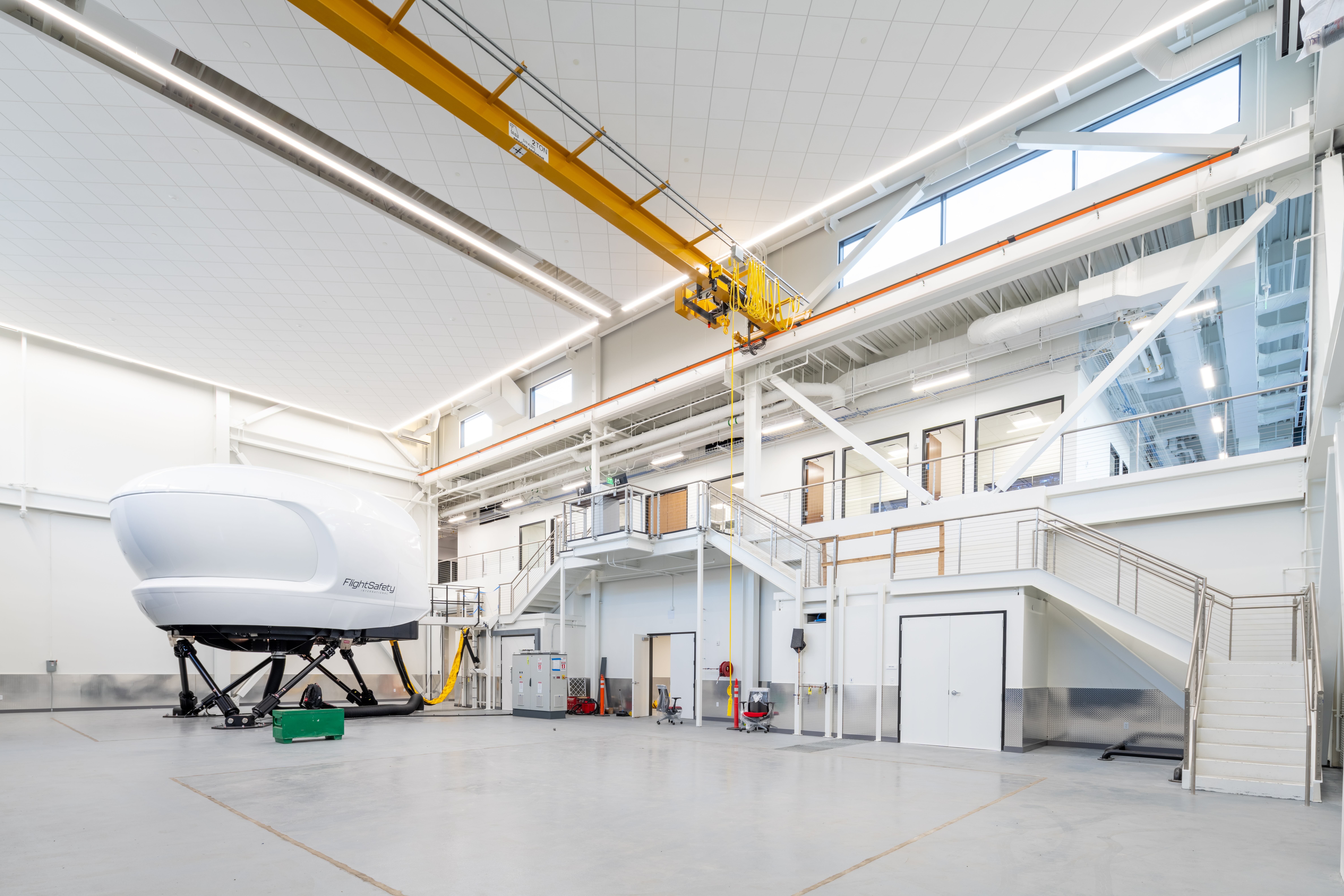
From a workforce training perspective, we opened the state-of-the-art pilot training facility in Salt Lake, reinforcing our commitment to Utah.
The facility supports long-term operational growth and creates high-quality jobs for this area. The 50,000-square-foot pilot training center hosts over 1,000 training events monthly. It includes four simulator bays, classrooms and emergency training spaces, and room for future expansion. It's designed with sustainability in mind, and this facility complements our existing flight attendant training center in Salt Lake City.
Delta also partners with local organizations, including Junior Achievement of Utah and the YMCA of Northern Utah to enhance education, sustainability, and workforce development. This includes STEM-related programs and volunteer initiatives.
What lessons can other companies learn from Delta's experience expanding in Utah?
We’ve learned is that it’s extremely important to align expansion with local strengths and strategic geography. It’s important to build strong private-public partnerships to ensure shared benefits, and to invest in people and infrastructure. Growth is sustainable when employees and communities thrive together.
“Building Together”highlights examples of the impact of your investment and EDCUtah’s work in communities across the state. Do you have a story you’d like us to share? Emailconnect@edcutah.org.



.png)
Utah business updates from the insiders.

©XXXX EDCUtah. All rights reserved.


